Pangasius is the farmed Mekong catfish behind the boneless white fillets sold as basa, swai, tra, panga and river cobbler. Nearly all of that volume is a single species, the striped catfish Pangasianodon hypophthalmus, and the fillets in international trade come mainly from ponds in Vietnam’s Mekong Delta. The name basa, though, strictly belongs to a different fish, and the confusion between the two runs through labels, menus and import papers.
This profile sorts out the names, explains how to tell the species apart, follows the fish from the river to the farm and covers how kitchens use it. Our frozen pangasius page lists the trims, flesh colors, sizes and freezing formats we supply, so specification detail stays there.
Key takeaways
- Almost all pangasius fillets in trade are the striped catfish Pangasianodon hypophthalmus, sold as tra, swai, panga or pangasius.
- True basa is Pangasius bocourti, a separate and much less common species, so the scientific name belongs on every contract.
- Vietnam’s Mekong Delta dominates export supply from hatchery-stocked ponds, and fillets are produced year-round.
- Compare offers on net fish after deglazing, and check US inspection, residue and labeling rules for your market.
Basa, swai, tra and pangasius: sorting out the names
Pangasius is a genus in the shark catfish family, Pangasiidae, which holds about 30 species in the rivers of South and South-East Asia. In trade the word is used loosely for the whole family and above all for the striped catfish. That fish was first described in 1878 and has carried several scientific names since, including Pangasius hypophthalmus and Pangasius sutchi; current catalogs place it in Pangasianodon, though many trade documents still use the older form.
In Vietnam the farmed striped catfish is cá tra, while cá basa is a separate species, Pangasius bocourti, farmed in far smaller numbers and mainly in river cages. In many export markets the name basa nevertheless stuck to the whole category, so a fillet sold as basa is usually tra. The US name swai comes from the Thai name for the striped catfish, pla sawai, and the aquarium trade sells juveniles of the same fish as iridescent shark or sutchi catfish.
| Market | Names used | Notes |
|---|---|---|
| Vietnam | Cá tra; cá basa | Two species: tra is P. hypophthalmus, basa is P. bocourti |
| Thailand | Pla sawai (ปลาสวาย) | Origin of the US name swai |
| Malaysia, Singapore, Indonesia | Ikan patin, patin | Used for the farmed striped catfish |
| United States | Swai, sutchi, striped pangasius or tra; basa only for P. bocourti | The word catfish is reserved for the North American family Ictaluridae |
| United Kingdom | Pangasius, panga, basa, river cobbler | Any of these may be paired with the word catfish |
| European Union | A national designation, often pangasius or panga | Printed together with the scientific name |
| China | 巴沙鱼 (bāshā yú) | Widely used for imported fillets |
| Parts of Asia and Australia | Cream dory, Pacific dory | Retail names only; the fish is unrelated to John dory |
How to identify pangasius and the fish it is confused with
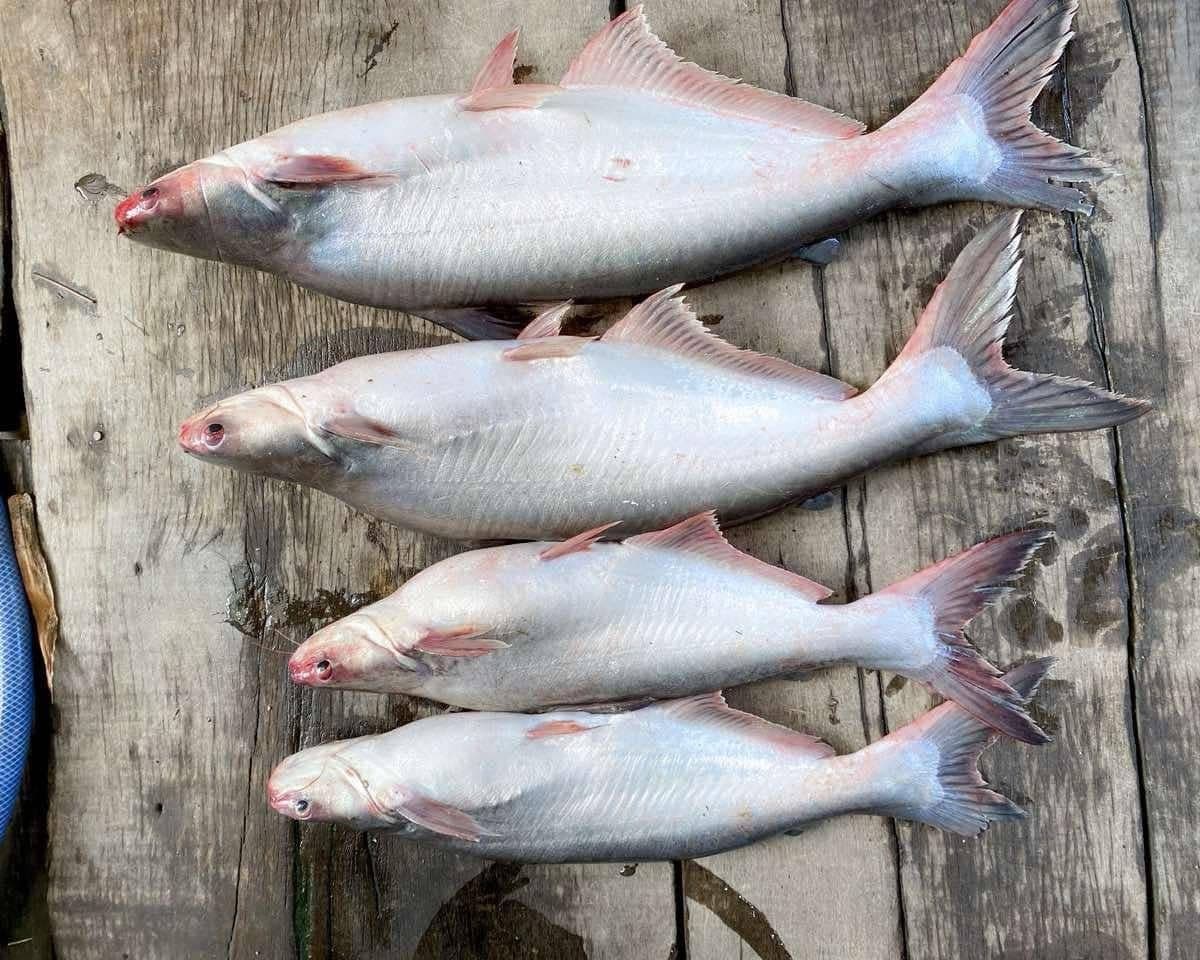
Like most catfishes, the striped catfish has smooth, scaleless skin. It is long and somewhat flattened from side to side, with a forked tail. Juveniles carry a black stripe along the lateral line and a second long stripe below it, while large adults turn a uniform gray with dark gray to black fins. A dark band also runs along the middle of the anal fin and through each lobe of the tail. In the wild it can reach 130 cm and more than 40 kg, but farmed fish are harvested at about a kilogram.
True basa is a stouter, heavier fish with a rounded head that is broader than it is long, a blunt snout marked with a broad white band, and a blue-black back. Once either fish is skinned and filleted, the differences largely disappear, so lots are identified by documents and, where there is doubt, by DNA testing. The same test has been used in the UK, where trading standards officers brought prosecutions in 2009 and 2010 against fish-and-chip shops selling pangasius as cod.
| Fish | Scientific name | Key differences | Trade status |
|---|---|---|---|
| Striped catfish (tra, swai) | Pangasianodon hypophthalmus | Elongated; striped when young, uniformly gray as an adult | The farmed export fish behind almost all pangasius fillets |
| Basa | Pangasius bocourti | Stout body, broad blunt head, white band on the snout | Farmed in small volumes, mostly in cages |
| Mekong giant catfish | Pangasianodon gigas | Reported to about 3 m; adults have no teeth and almost no barbels | Critically Endangered and listed in CITES Appendix I; not a food-trade fish |
| Channel catfish | Ictalurus punctatus | A North American freshwater fish from a different family | Its family, Ictaluridae, is the only one that may be labeled catfish in the US |
Where pangasius comes from: from the Mekong to the pond
The striped catfish is native to the Mekong, Chao Phraya and Maeklong river basins. Adults live in large rivers and migrate upstream to spawn at the start of the rainy season, and they can gulp air at the surface when the water is short of oxygen. Wild populations have declined, and the IUCN assessed the species as Endangered in 2011. The farmed trade does not rely on those wild stocks, however, because farms are now stocked with hatchery fry.
Vietnamese farming began in floating cages on the Mekong in the provinces of An Giang and Dong Thap, near the Cambodian border, and early farms stocked fry netted from the river. Hatchery-bred fry replaced wild fry during the 1990s, and the industry moved steadily into earthen ponds as cage output fell in the 2000s. At harvest, fish are netted from the ponds and carried live by well boat to the processing plants.
Air breathing lets farms stock ponds at densities few other fish could survive. A survey of 89 Delta farms, published by Phan and colleagues in 2009, found that three quarters yielded 300 tonnes or more per hectare per crop. Beyond Vietnam, India, Bangladesh and Indonesia also farm the species in volume, and it has been introduced to farms well outside its native range. Because ponds are stocked and harvested in rotation, fillets are produced year-round rather than in seasons.
Pangasius market forms and their uses
Almost all international trade is in skinless, boneless frozen fillets, sold by weight band, by trim, from untrimmed to well-trimmed, and by flesh color, from white to yellow. These grades are explained on the product page. The rest of the fish has its own markets:
- Portions, strips and cubes cut from fillets for foodservice, hot pot and stir-fries.
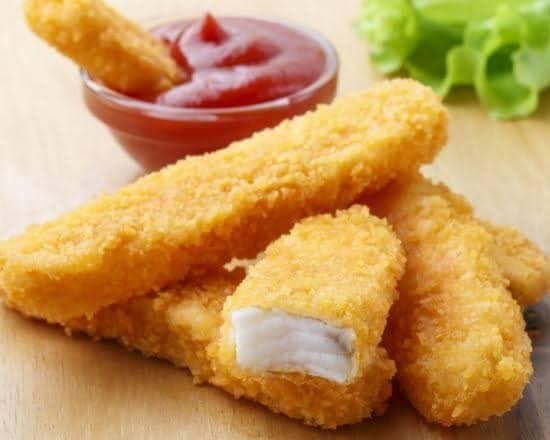
- Blocks for breading lines that saw and coat fish fingers and portions.
- Whole fish and steaks, mostly sold fresh in producing countries, where the fatty belly and head go into soups and braises.
- Skin, traded as fish skin for fried snacks and gelatin.
- Fat, heads and frames, rendered into fish oil and fishmeal.
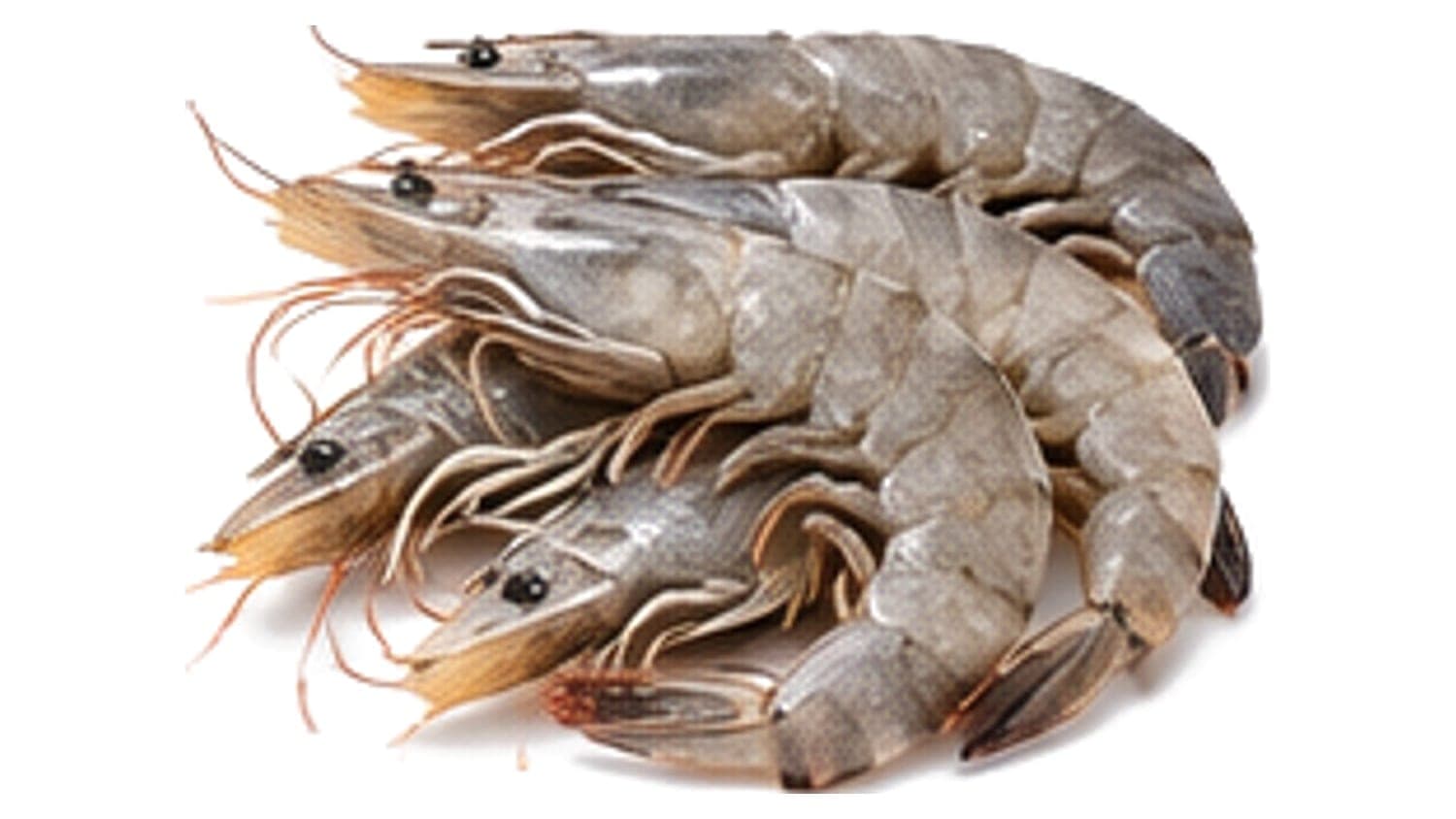
Two pangasius offers that look alike on paper can deliver quite different amounts of fish. Glaze, moisture retainers and soaking all add water, so compare offers on net weight after deglazing; our guide to glazing and net weight shows the method, which works the same way for fish fillets as for shrimp.
How kitchens cook pangasius
Pangasius flesh is mild, slightly sweet and soft, with a fine flake and a moist bite. It stays tender in sauces and absorbs spices well, but it is more delicate than cod or tilapia and can break up if handled roughly or cooked too long. The fattier belly and untrimmed fillets carry more flavor and suit braising.
- Vietnam: cá kho tộ, fish caramelized with fish sauce and pepper in a clay pot, and canh chua, a sour tamarind and pineapple soup.
- Malaysia: ikan patin masak tempoyak, cooked in a curry of fermented durian, a specialty of Pahang, or steamed whole in the Chinese style.
- China: fillets sliced for suāncài yú, fish poached with pickled mustard greens, for chili-oil poached fish and for hot pot.
- India: fillets marinated in spices and shallow-fried, or simmered in coconut and tomato-based curries.
- UK and Europe: battered fish and chips, breaded and oven-ready portions, fish pie and ready meals.
- United States: swai baked, blackened or pan-fried, and used in fish tacos and sandwiches.
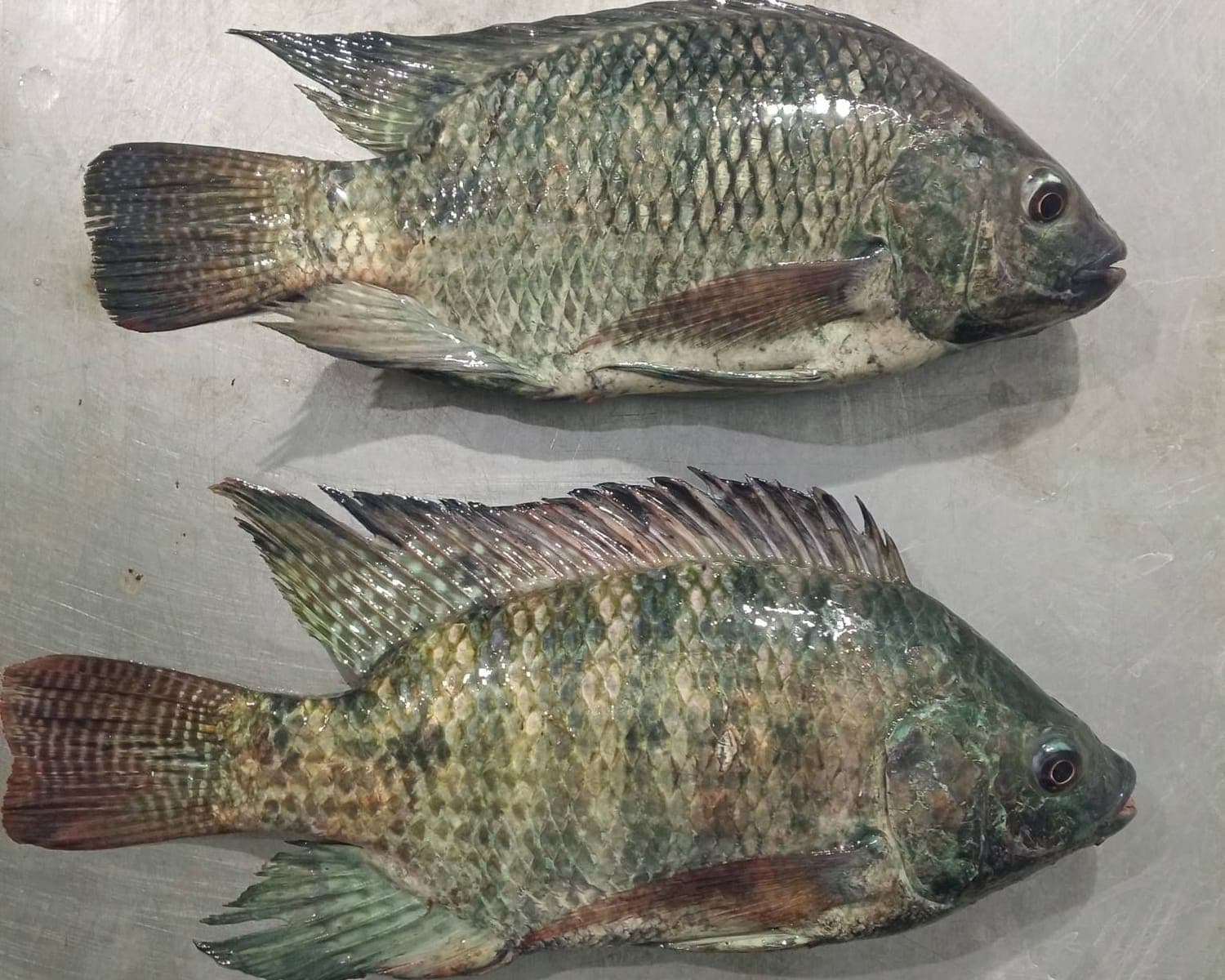
For dishes that need a firmer fillet, tilapia holds together better on a grill or in a pan; for battered fish, pangasius is a softer and usually cheaper alternative to cod or pollock, provided the menu names it honestly.
Pangasius quality and the trade rules that apply
Thawed fillets should be firm enough to hold their shape, smell neutral or faintly sweet, and show even color without dark bruises, blood spots or yellowed fat. Fillets that feel spongy, leak a lot of liquid or shrink sharply in the pan usually carry added water. A short cooking test on a sample from each new lot tells a buyer more than a photo or a specification sheet.
Rules for this fish differ from those for most others. In the United States, pangasius belongs to the catfish order Siluriformes and is inspected by the USDA rather than the FDA, so both the exporting country and the plant must be eligible. Farmed lots everywhere are tested against residue limits for veterinary drugs, and EU and UK labels must carry the scientific name, the production method and the farming country. Before a first shipment to a new market, check the current conditions with your broker, or talk to our export team about the documents; reefer handling is covered in our cold chain and Incoterms guide.
This guide is general trade information, not legal or regulatory advice. Requirements differ by market and change over time; confirm current rules with your customs broker or competent authority before ordering.