Export market · Australia
Asian Dried Seafood and Seaweed for Australian Importers
Australia’s Asian food trade has grown with its Chinese, Vietnamese, Korean and Southeast Asian communities, centered on Sydney and Melbourne but reaching every capital. BSA Food Products supplies Australian importers, Asian grocery distributors and restaurant suppliers with fish maw, conpoy, dried shrimp, dried squid, jellyfish and seaweed. Australia’s biosecurity rules are notably strict, so every product is checked against its import conditions before we quote.
- Biosecurity
- DAFF import conditions (BICON)
- Food inspection
- Imported Food Inspection Scheme
- Labeling
- Food Standards Code
- Prawns
- Uncooked prawns face strict conditions
Yum cha, Asian grocers and Japanese kitchens
Yum cha restaurants and Cantonese banquet rooms buy conpoy, fish maw and dried shrimp for soups, fillings and XO-style sauces, and Asian grocers stock the same lines in retail packs alongside dried squid and salted jellyfish. Lunar New Year lifts demand for gift-grade maw and conpoy, while Vietnamese and Korean shops keep steady year-round demand for dried shrimp, squid and seaweed.
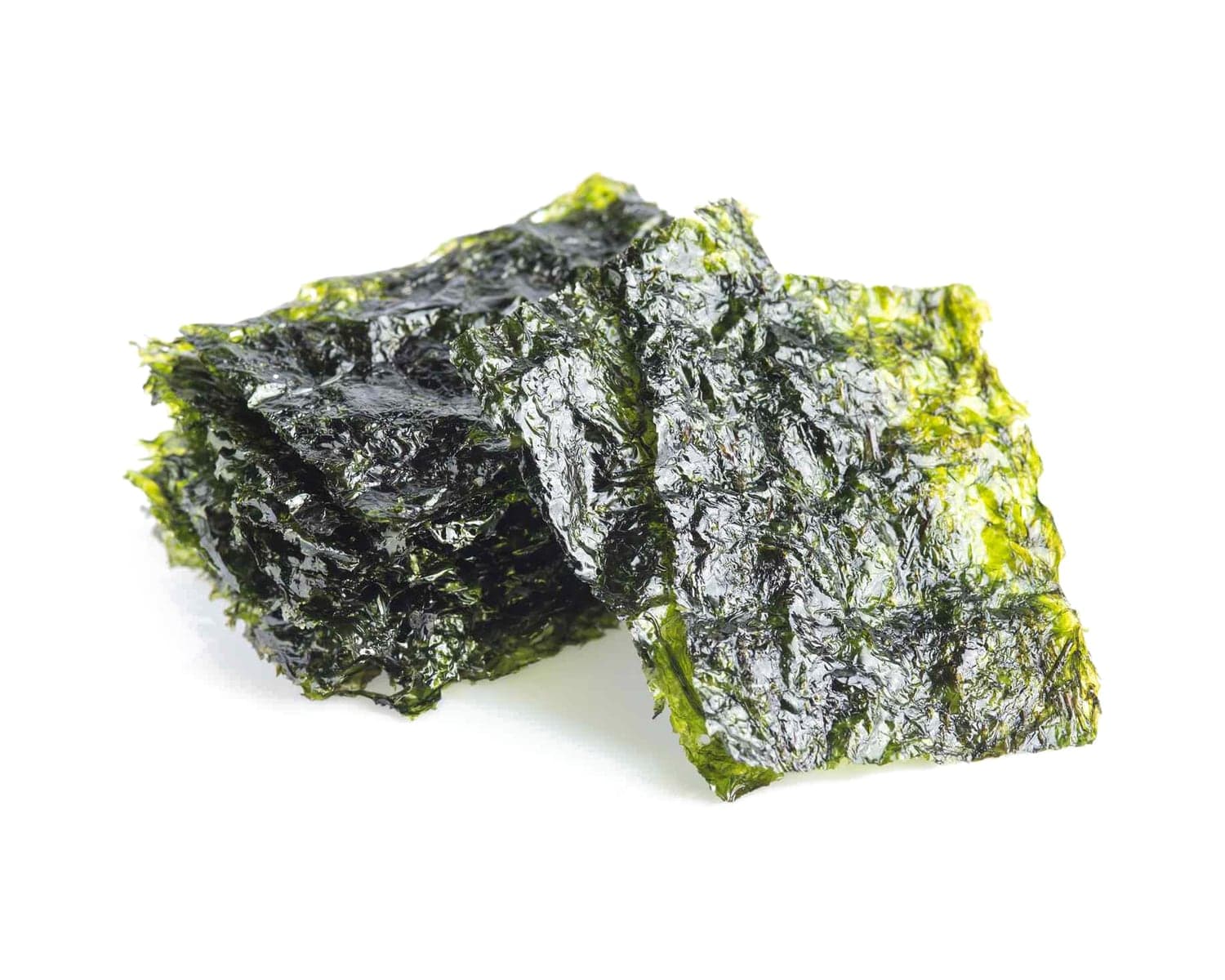
Japanese restaurants and food manufacturers buy kombu and edible seaweed. Australia has its own wild and farmed abalone and its own tropical sea cucumber fisheries, so local supply covers part of the premium end and imported demand leans toward conpoy, maw and pantry staples.
Biosecurity first: BICON and import permits
Seafood imports must meet the biosecurity import conditions set by the Department of Agriculture, Fisheries and Forestry (DAFF) and published in its BICON database. Conditions differ by product, processing and origin, and some commodities need an import permit. Uncooked prawns face particularly strict biosecurity conditions, so prawn and shrimp products are assessed format by format, and we confirm whether a given lot can meet the current conditions before quoting.
Dried shellfish, bird’s nest and live products can carry specific conditions too. Tell us your intended products at inquiry and confirm the BICON position with your customs broker, since conditions are revised from time to time.
Imported food inspection and labeling
Imported food is also subject to the Imported Food Inspection Scheme, under which consignments may be referred for inspection and testing against Australian food standards. Retail labels must meet the Food Standards Code, and many importers prefer to receive bulk product and label it locally. Where you want shelf-ready packs, our private-label service can lay them out using the label text you have approved.
Sea freight first, air for high-value lots
On a route this long, dried delicacies, shrimp and seaweed suit sea freight in lined cartons, while frozen lines need reefer containers. Air freight is generally kept for small, high-value lots of maw or conpoy. Documents are checked against the shipment before loading, as set out on our export and quality assurance page.
Popular lines
Often ordered for Australia
Premium Marine Delicacies
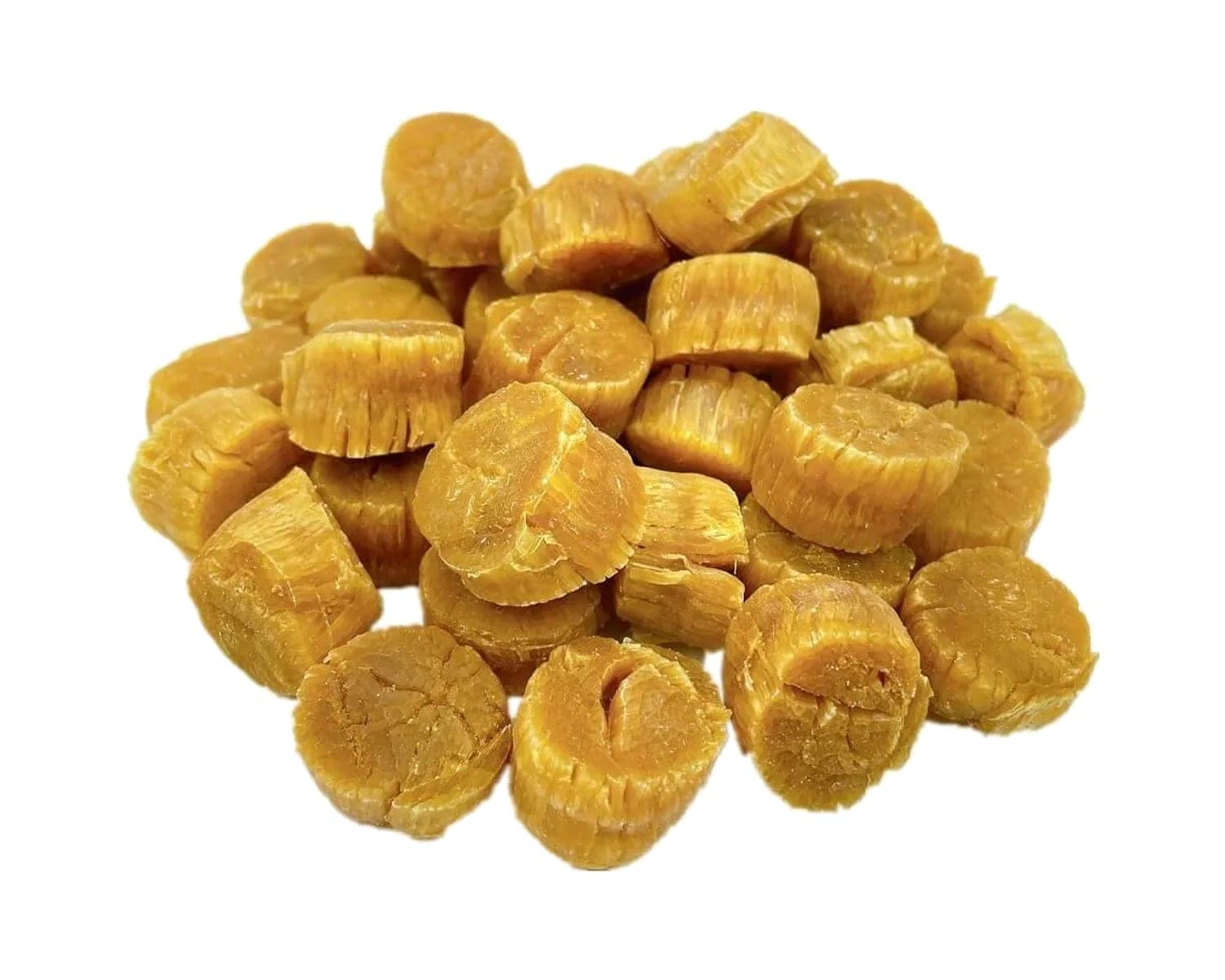
Dried Scallops (Conpoy)
Hokkaido, Aomori and Chinese adductors by diameter and count
Dried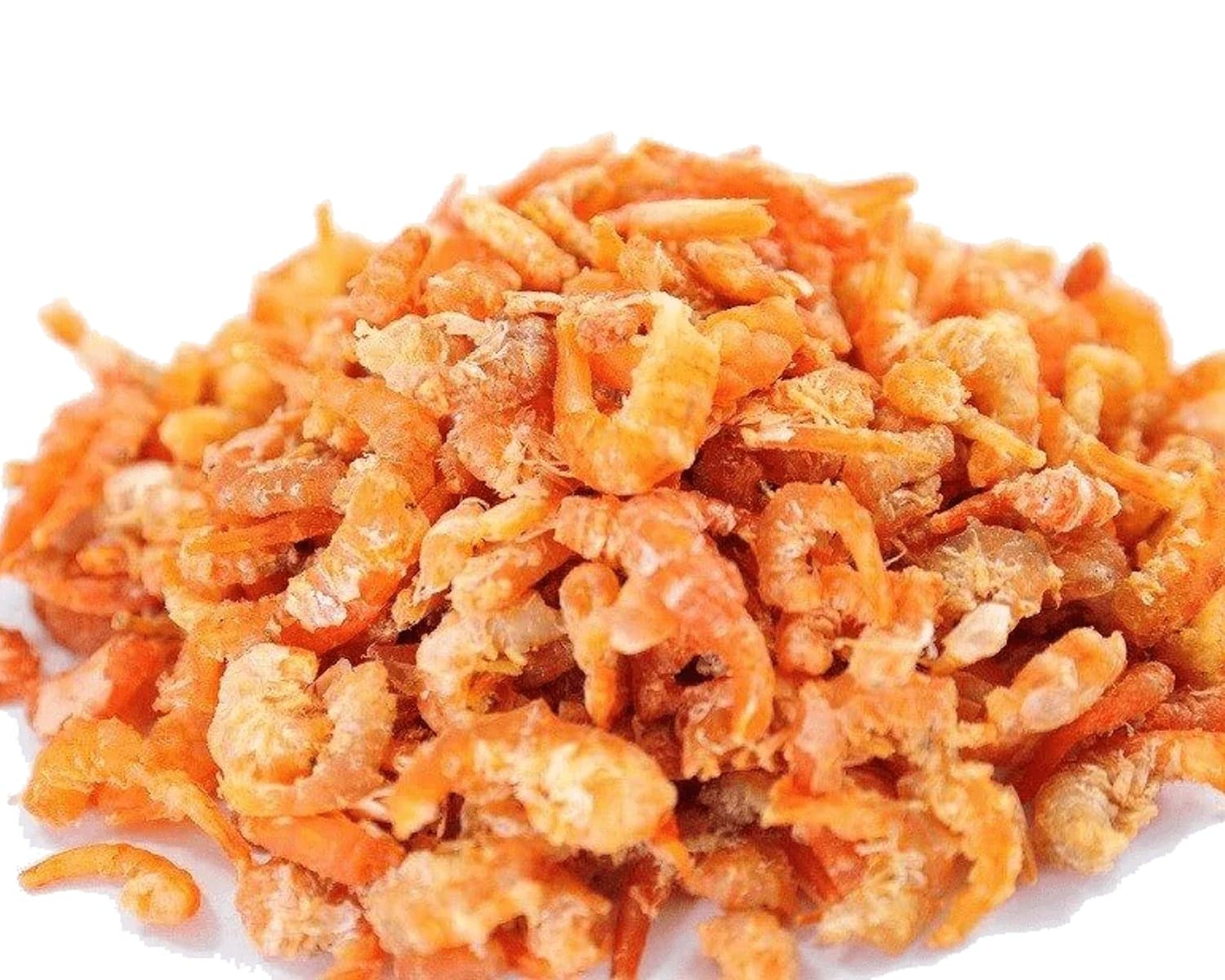
Specialty Dried Seafood
Dried Shrimp and Prawns
Peeled dried shrimp and shell-on prawns, sorted by size
Dried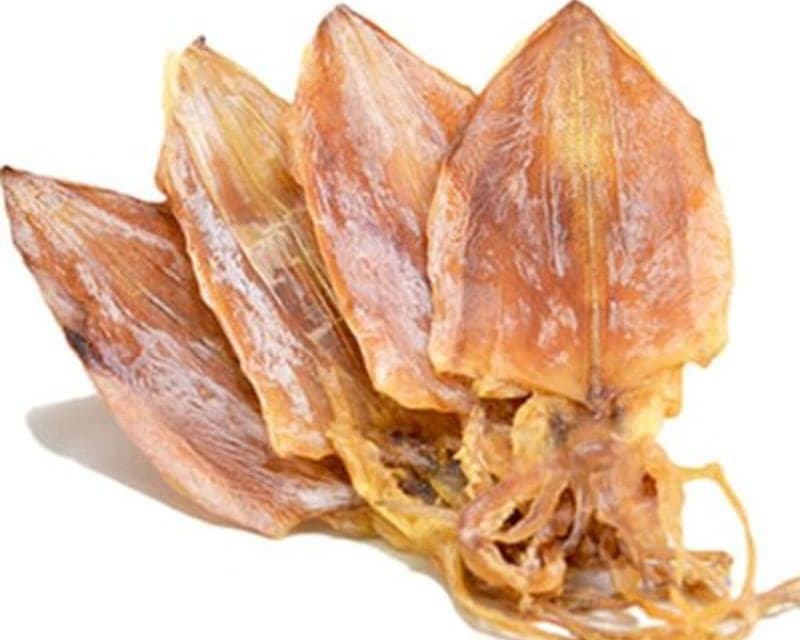
Specialty Dried Seafood
Dried Squid
Butterflied whole squid and seasoned shreds, graded by length
Dried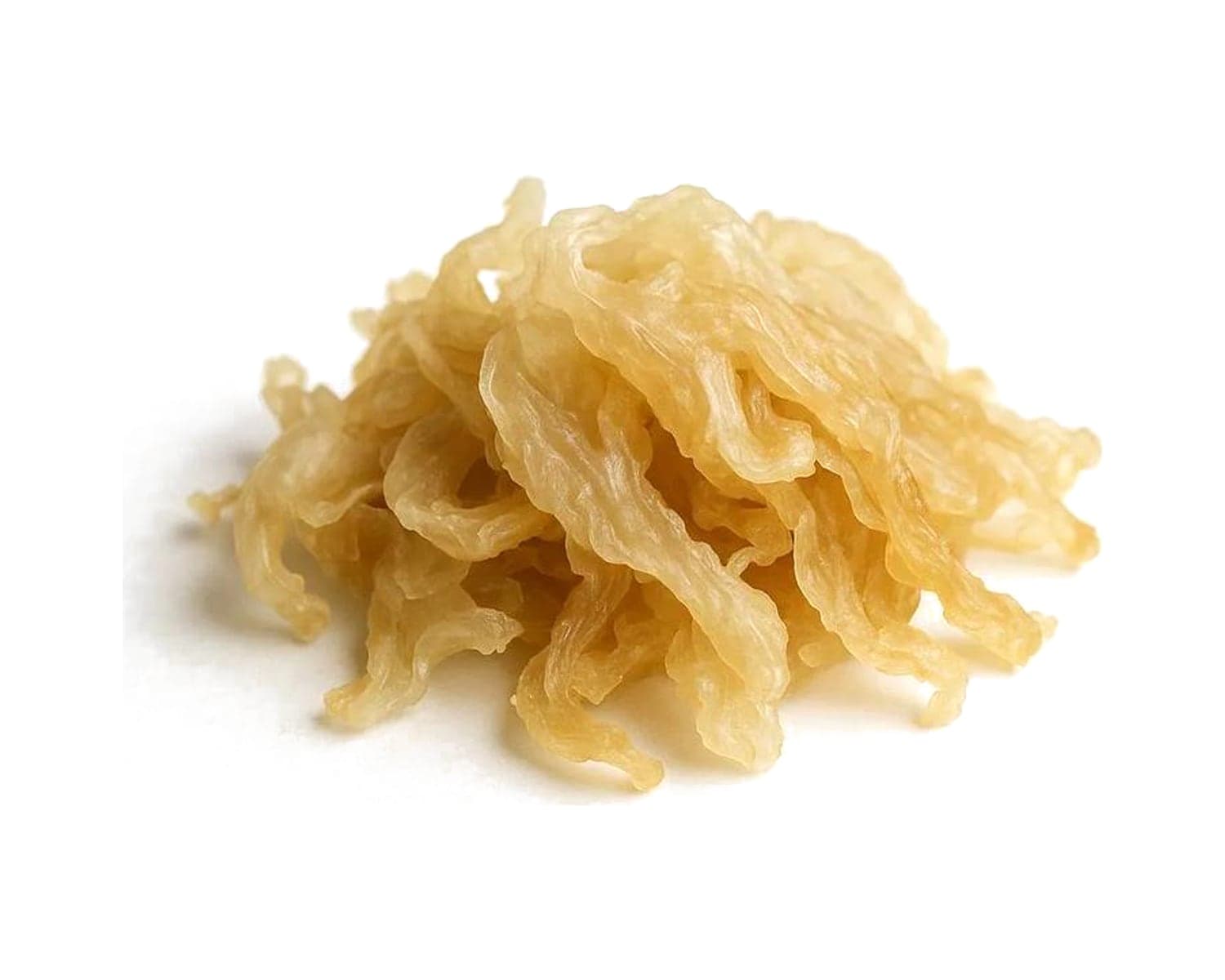
Premium Marine Delicacies
Edible Jellyfish
Salted jellyfish head and skin, plus ready-to-eat shredded packs
Chilled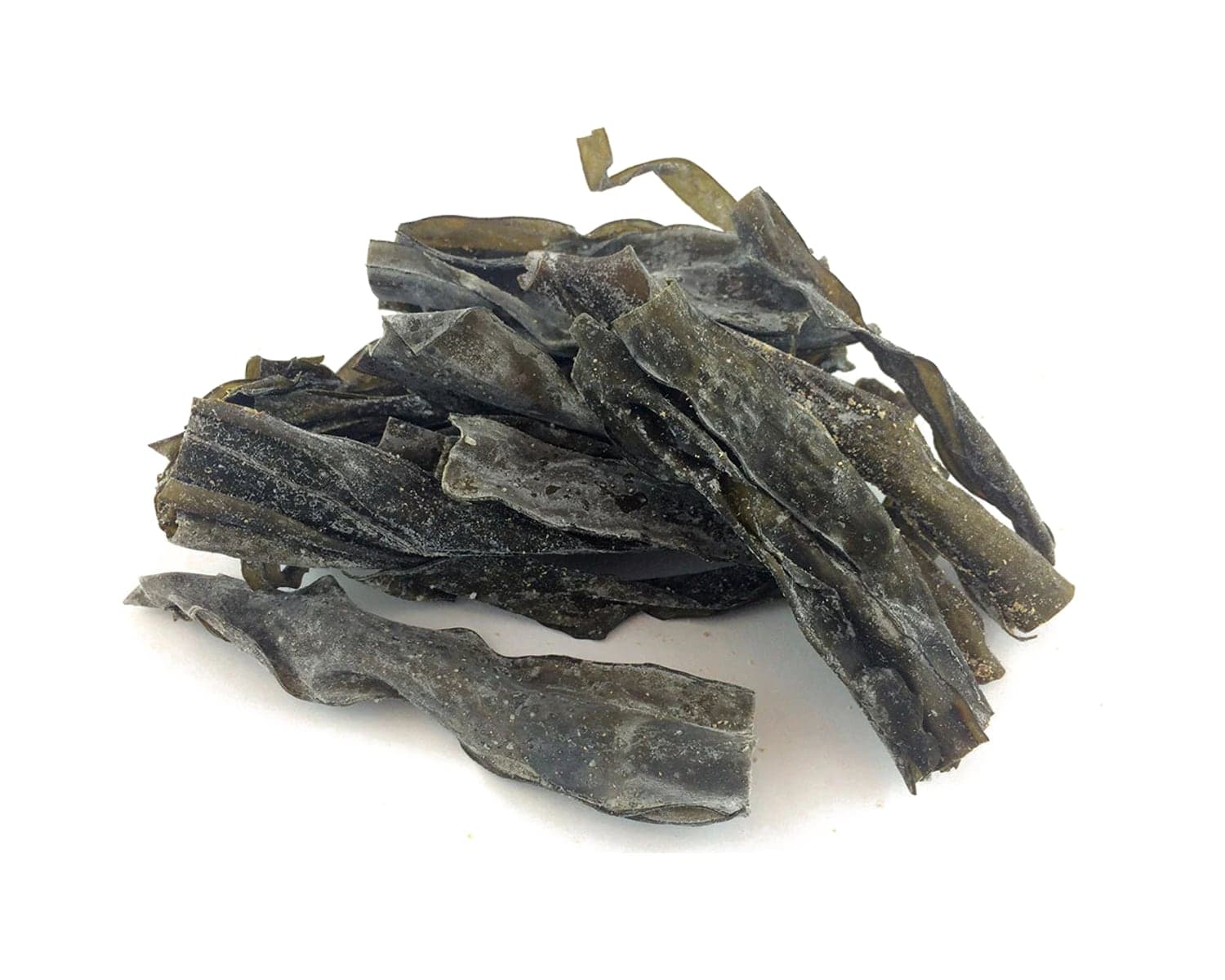
FAQ
Buying for Australia: questions
Can you ship dried shrimp to Australia?
Possibly. Our dried shrimp is typically cooked before drying, but prawn products are among the most closely controlled seafood imports, so we check the specific product and its processing against current BICON conditions and confirm before quoting.
Who arranges an import permit if one is needed?
Where BICON requires a permit, the Australian importer applies for it. We provide product, processing and origin details early so that the application matches what we ship.
Do you supply salted jellyfish for Australian restaurants?
Yes, as salted head and skin for kitchens that desalt in-house, or as ready-to-eat shredded packs. Aluminum residue from curing is tested per lot against Australian requirements before shipment; see edible jellyfish for the curing process.
Trade inquiries
Partner with BSA Food Products
Tell us the products, grades and destination you have in mind. An export specialist will reply within one business day with availability, specifications and a formal quotation.