Premium Marine Delicacies
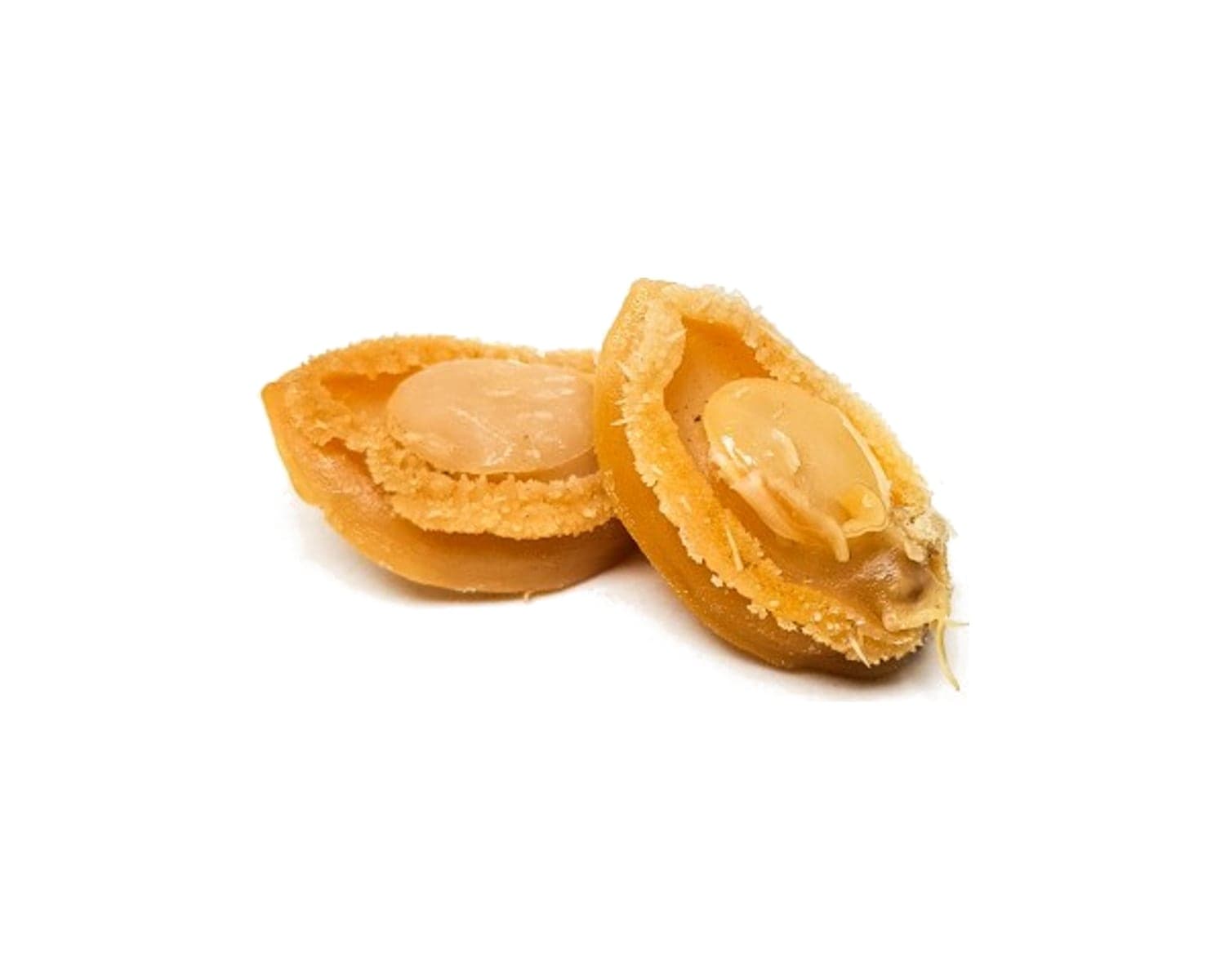
Dried Abalone
Wild and farmed abalone, sun-dried and graded by head count
Dried
Export market · Canada
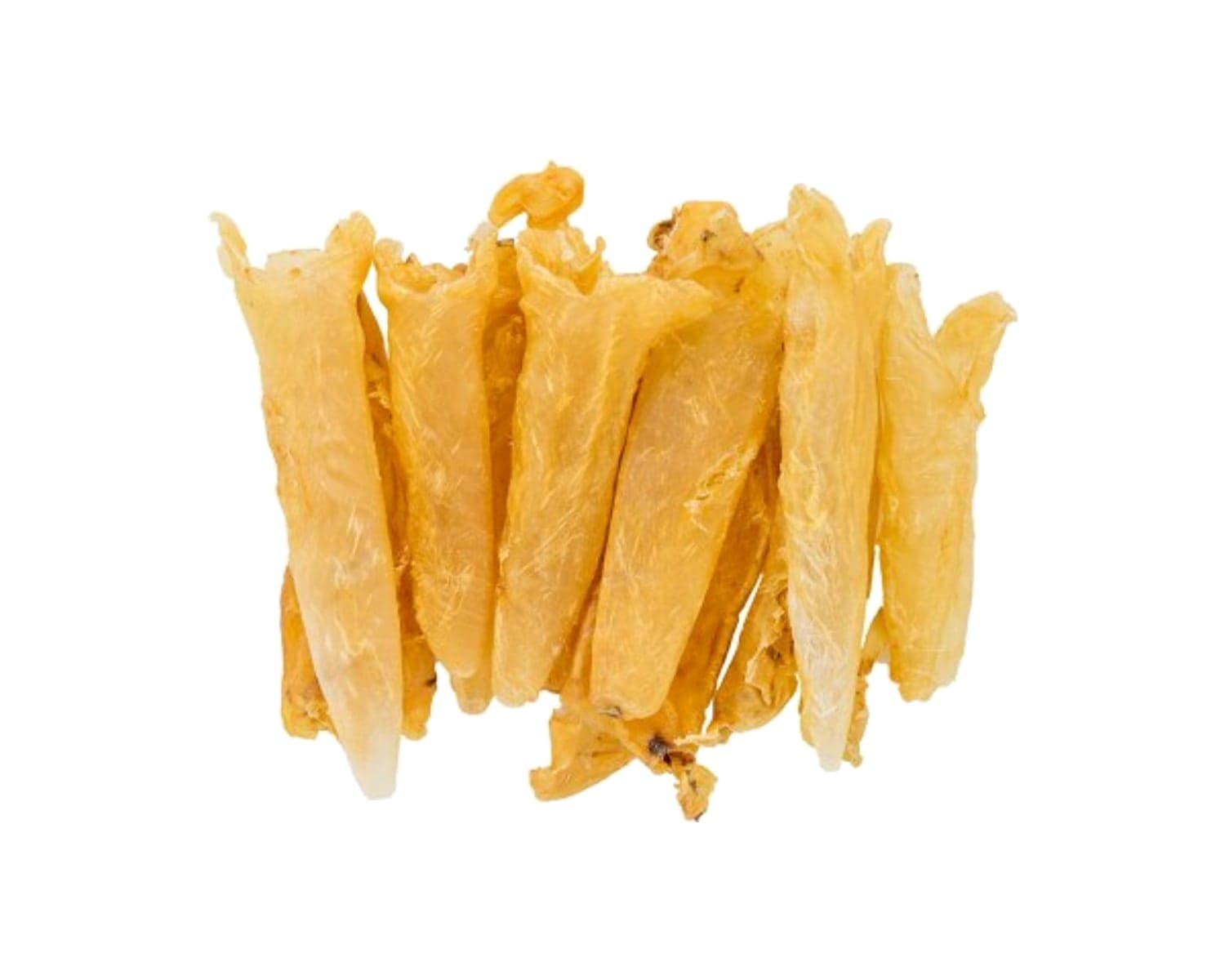
Canada’s Chinese communities, concentrated in Greater Vancouver and the Greater Toronto Area, sustain a busy trade in Cantonese dried seafood through dim sum houses, banquet restaurants, dried-goods shops and Asian supermarket chains. BSA Food Products supplies Canadian importers with dried abalone, fish maw, conpoy, dried oysters and dried shrimp, specified per lot and documented for the requirements of the Canadian Food Inspection Agency.
Many families in Canada’s Chinese community trace their roots to Hong Kong and Guangdong, and buying follows Cantonese habits. Restaurants order fish maw, abalone and conpoy for wedding banquets and Lunar New Year set menus, while dried-goods shops sell dried oysters, scallops and shrimp to home cooks preparing soups and festive dishes.
Canada already lands lobster, snow crab, geoduck and Atlantic sea cucumber, much of it for export to Asia, so imported Asian demand concentrates on the dried delicacies and pantry staples that Canadian waters do not supply.
Food imports are regulated by the Canadian Food Inspection Agency (CFIA) under the Safe Food for Canadians Regulations (SFCR). Most food importers need a Safe Food for Canadians licence and are responsible under the regulations for the food they bring in. Besides the commercial invoice and packing list, a seafood consignment may need a certificate of origin and official health certification, depending on what CFIA requires for the product.
We provide lot codes, species, origin and processing details so that each carton can be linked to its source in your records. Requirements vary by product, so confirm current conditions with CFIA or your customs broker, especially for bird’s nest and any chilled or live product, which can face additional import conditions. Our importer’s guide covers the document set in more detail.
Food sold at retail in Canada needs bilingual labeling in English and French. If you repack in Canada, your label team handles this; if you want shelf-ready packs from origin, our private-label service can prepare English and French artwork to your approved text. Settling the label before production avoids relabeling after arrival.
This is a long-haul route, so dried delicacies and shrimp move by sea in lined cartons that protect against humidity along the way, and frozen abalone and sea cucumber go in reefer containers. Small, high-value lots of abalone or maw can travel by air when timing matters, for example ahead of Lunar New Year.
Popular lines
Premium Marine Delicacies
Wild and farmed abalone, sun-dried and graded by head count
Premium Marine Delicacies
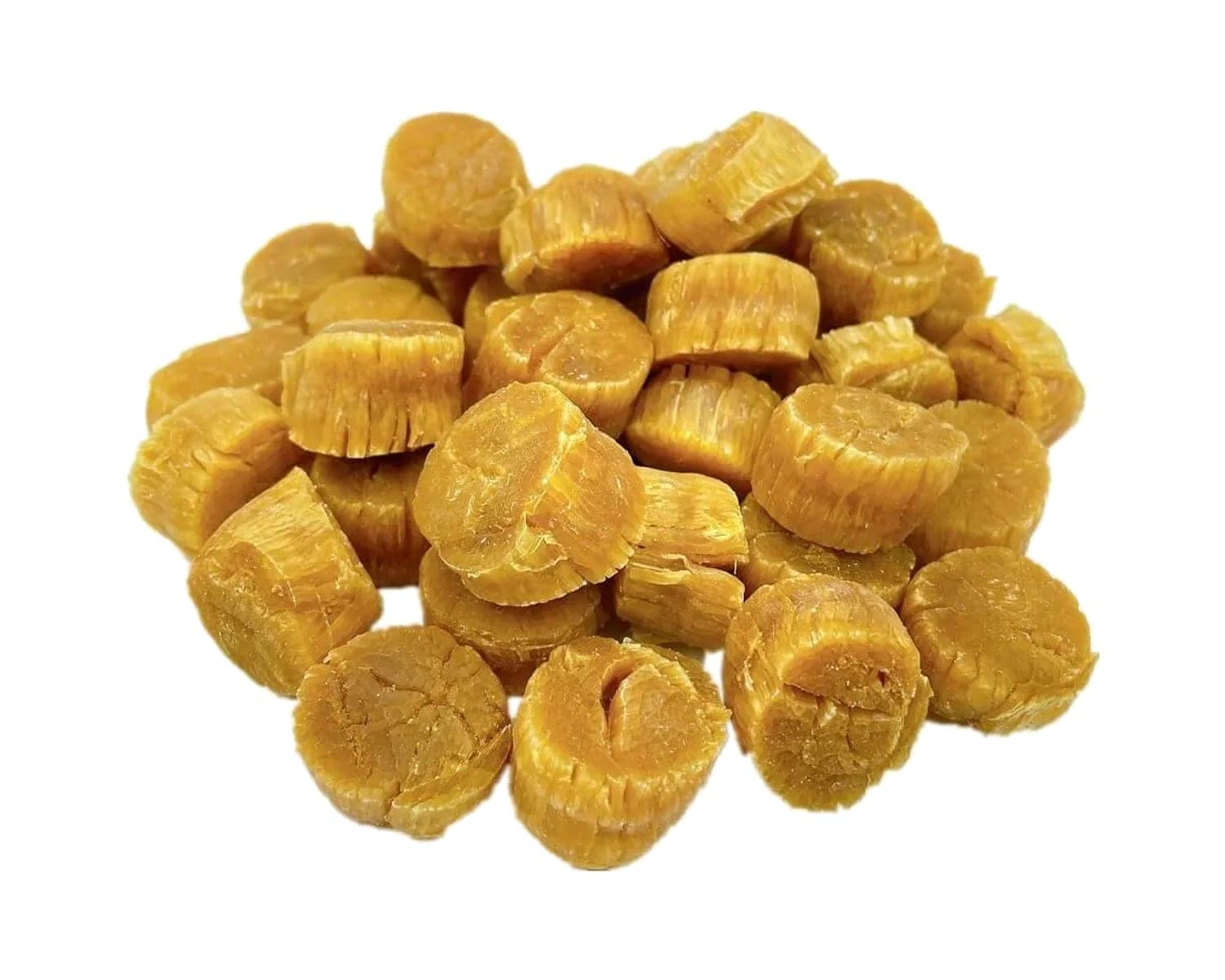
Hokkaido, Aomori and Chinese adductors by diameter and count
Premium Marine Delicacies
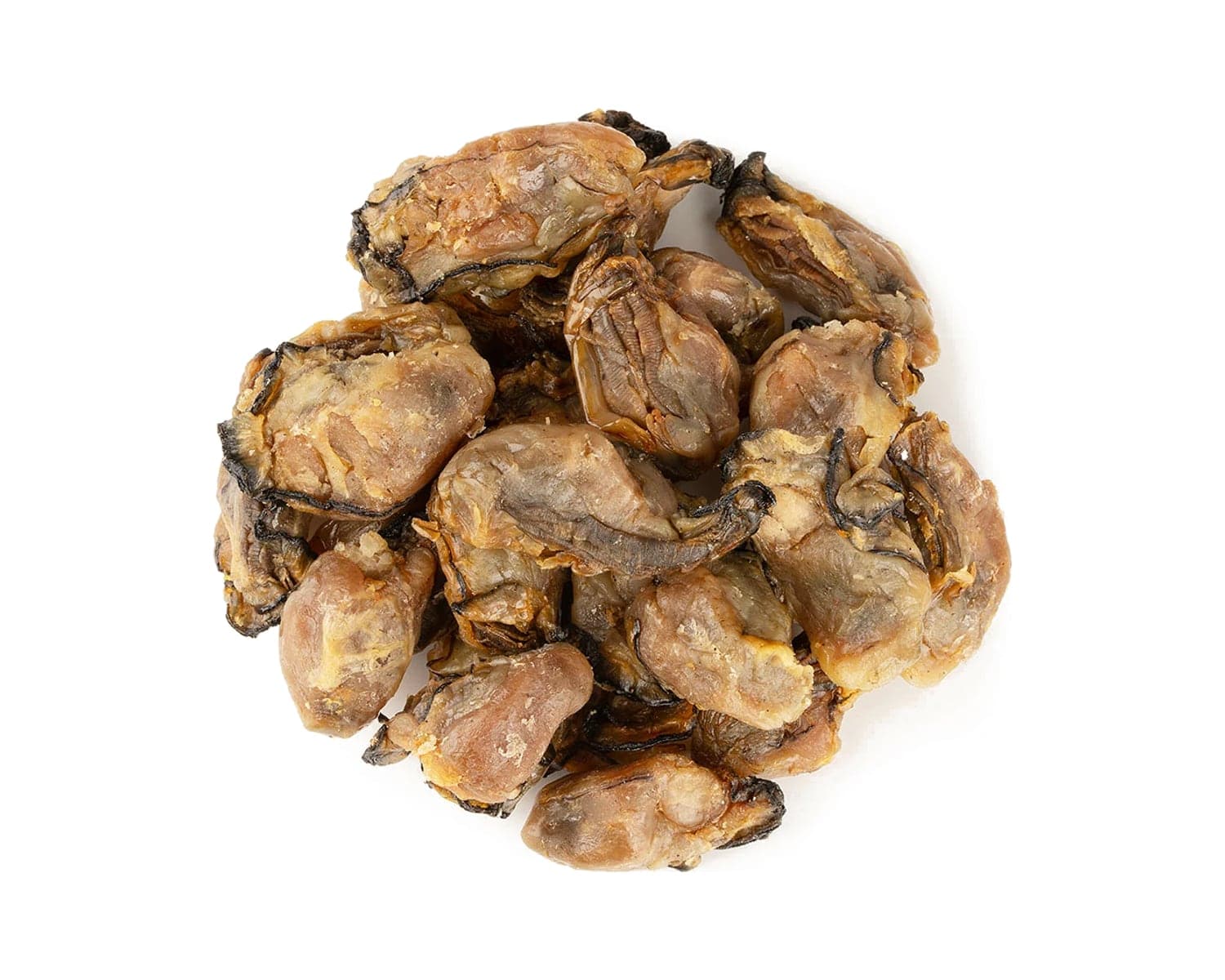
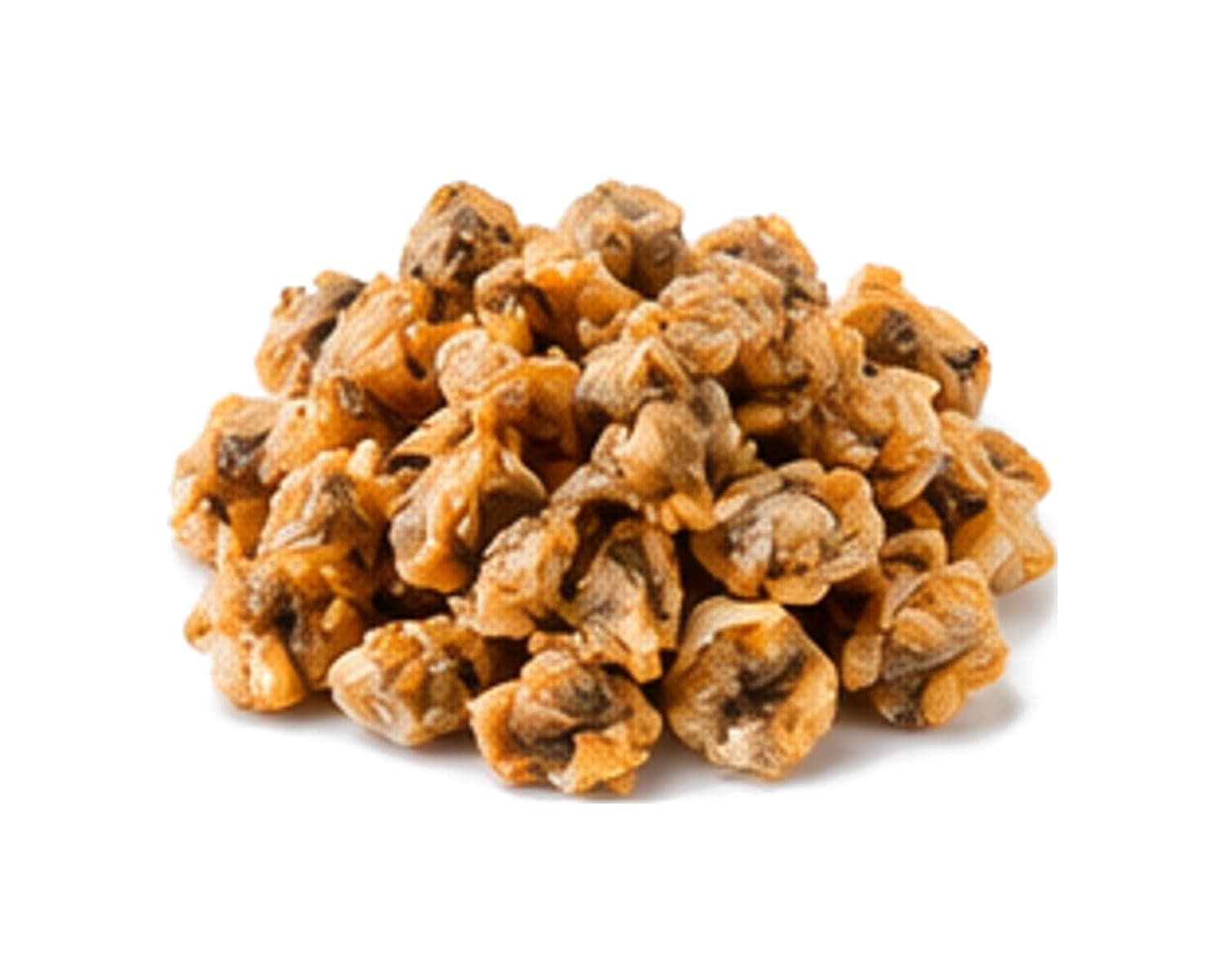
Fully dried and golden semi-dried oysters, sized by count
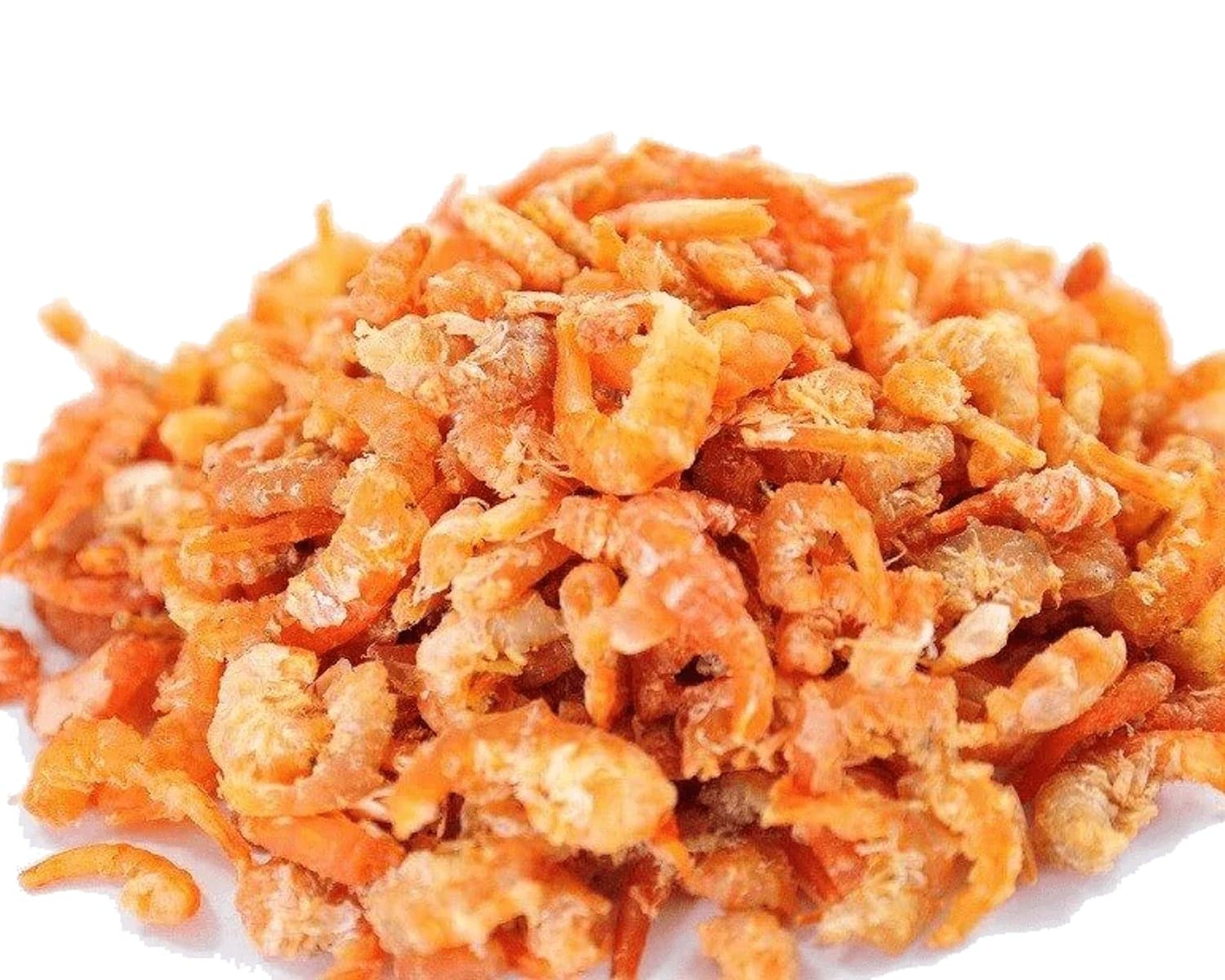
Specialty Dried Seafood
Peeled dried shrimp and shell-on prawns, sorted by size
FAQ
In most cases, yes. The licence is held by the Canadian importer, not by the overseas supplier, so check with CFIA which licensed activities apply to your business before the first shipment.
Dried oysters are available fully dried for soups and stuffings, and as semi-dried golden oysters, which need temperature-controlled shipping and cold storage on arrival. Confirm festive volumes early, as the larger sizes sell out first.
Yes, and mixed shipments are common. Each line keeps its own lot code, species and origin on the packing list, which also makes your traceability records easier to complete.
Trade inquiries
Tell us the products, grades and destination you have in mind. An export specialist will reply within one business day with availability, specifications and a formal quotation.