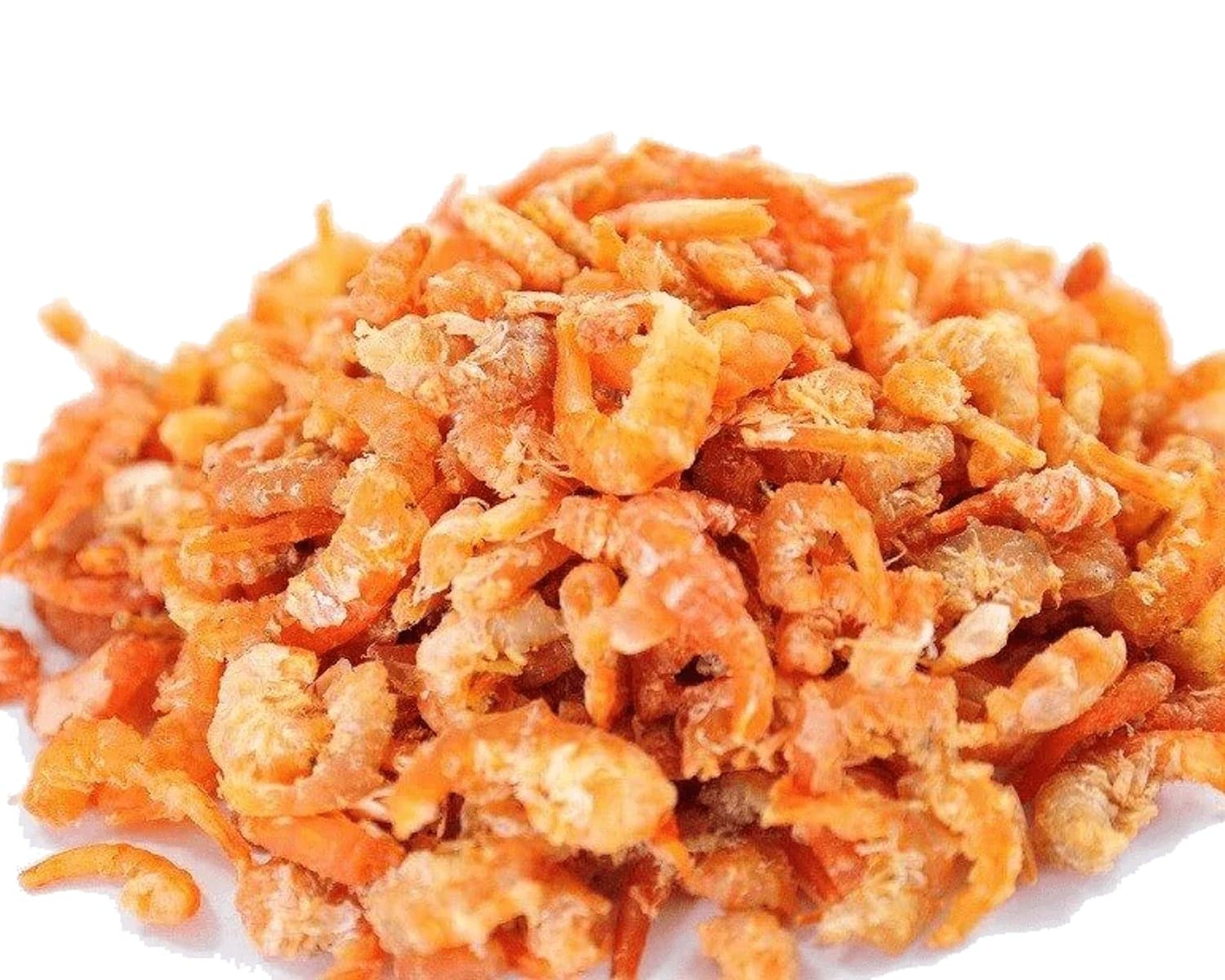
Specialty Dried Seafood
Dried Shrimp and Prawns
Peeled dried shrimp and shell-on prawns, sorted by size
Dried
Export market · United States
The US market for Asian dried seafood runs through importers and distributors that supply Chinese restaurants, Asian supermarkets and specialty grocers serving Chinese, Vietnamese, Korean and Filipino communities across the country. BSA Food Products supplies US importers with conpoy, dried shrimp, fish maw, jellyfish and seaweed, specified per lot and accompanied by the supplier information that US import rules expect importers to hold.
Asian grocery chains and independent stores keep a deep dried-goods aisle: dried shrimp in several sizes, dried squid, conpoy, fish maw and dried oysters in retail packs, much of it bought for home cooking around Lunar New Year and family celebrations. Distributors supplying Chinese restaurants buy the same lines in foodservice packs, alongside salted jellyfish for cold appetizer plates.
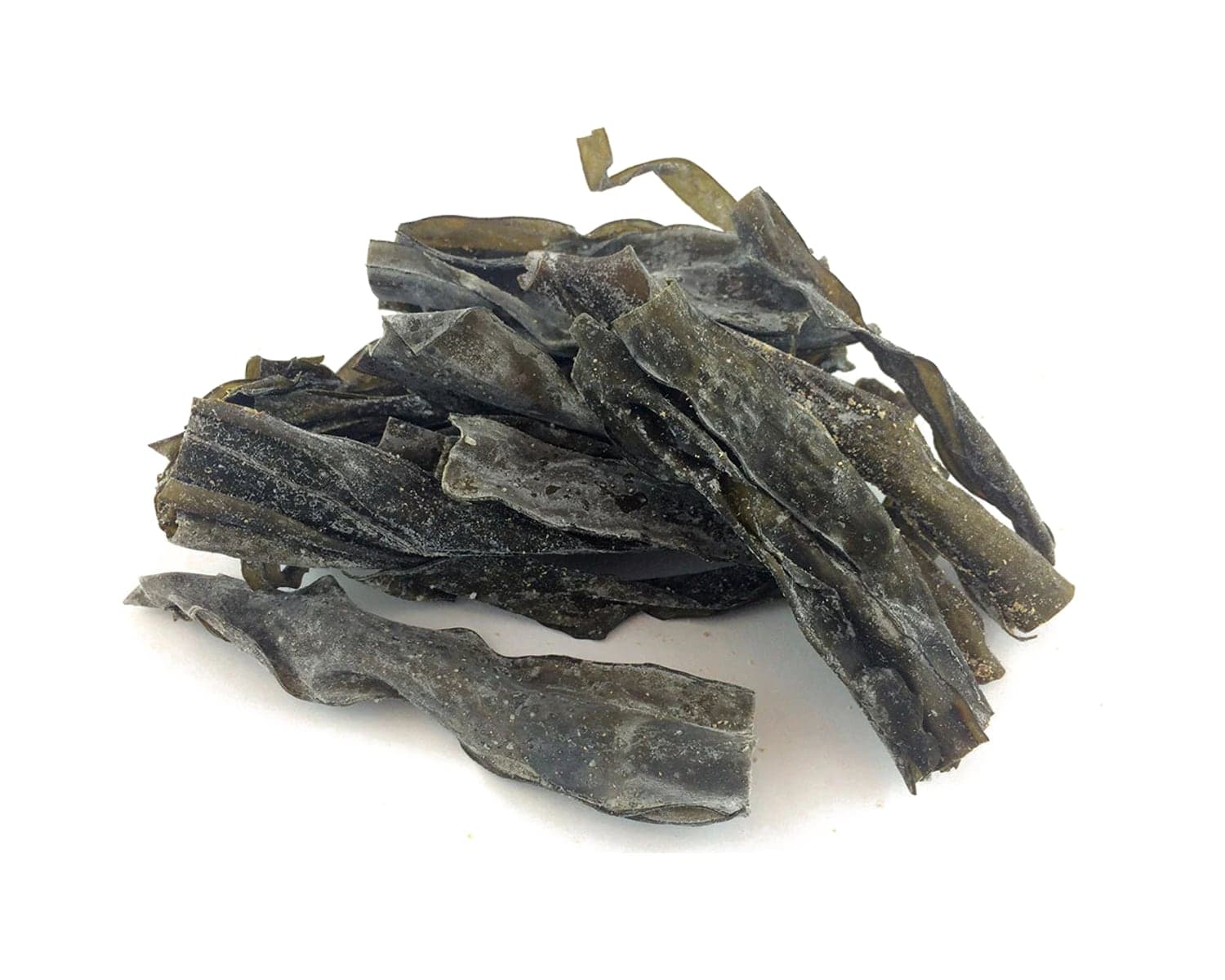
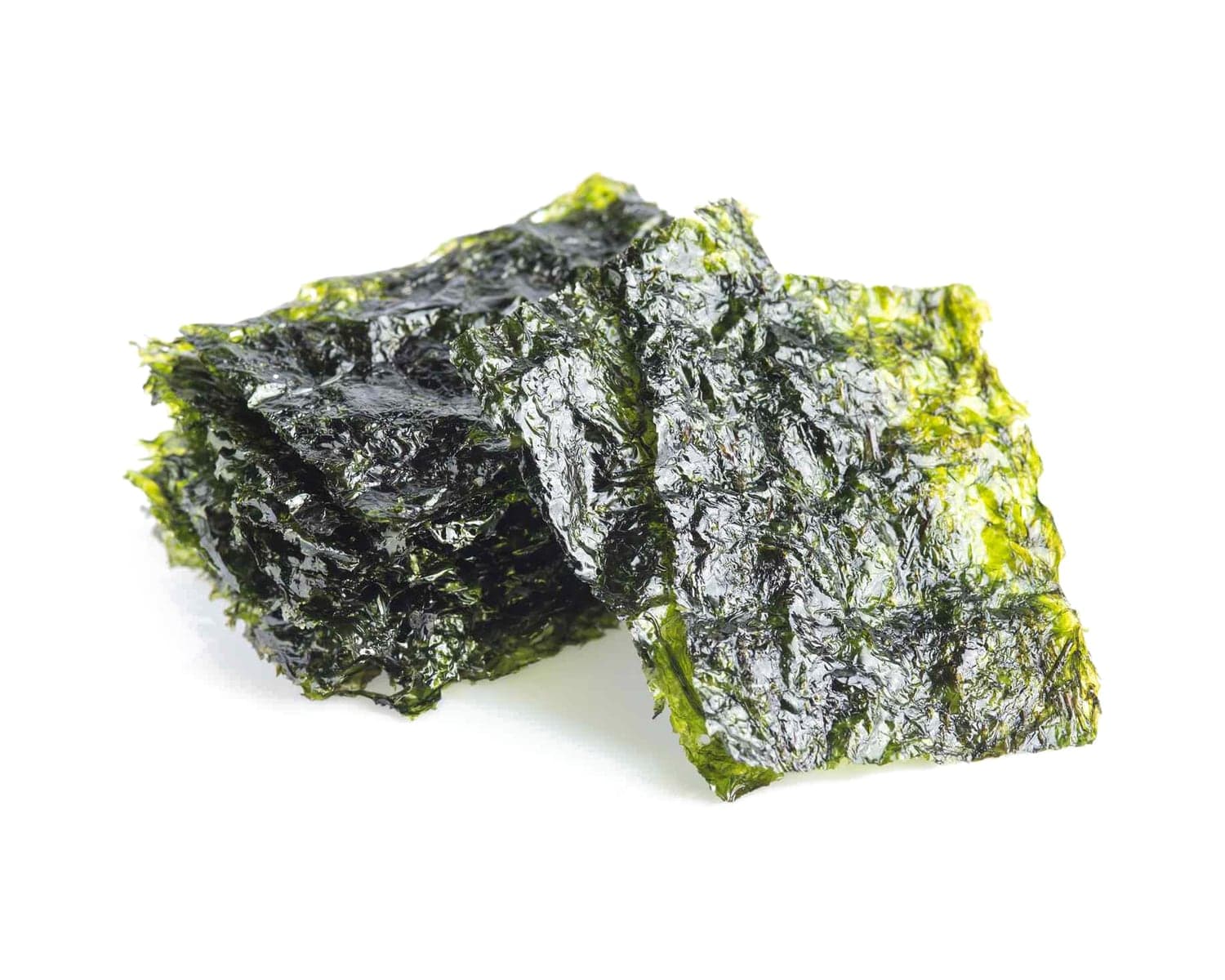
Japanese and Korean restaurants and food manufacturers add demand for kombu and other edible seaweed. Because the US has its own crab, lobster and geoduck fisheries, demand for seafood imported from Asia concentrates on pantry lines like these.
Food imported into the United States is regulated by the Food and Drug Administration (FDA). Food shipments require FDA prior notice, and under the Foreign Supplier Verification Program (FSVP) the US importer is responsible for verifying that its foreign suppliers meet US food safety standards. Seafood processors are also subject to FDA’s seafood HACCP requirements, which importers take into account when verifying a supplier.
Food facilities that manufacture, process, pack or hold food for the US are generally required to register with FDA. We confirm the registration status of the supplying facility per product and lot at the inquiry stage, and provide the supplier details and documents your FSVP file needs.
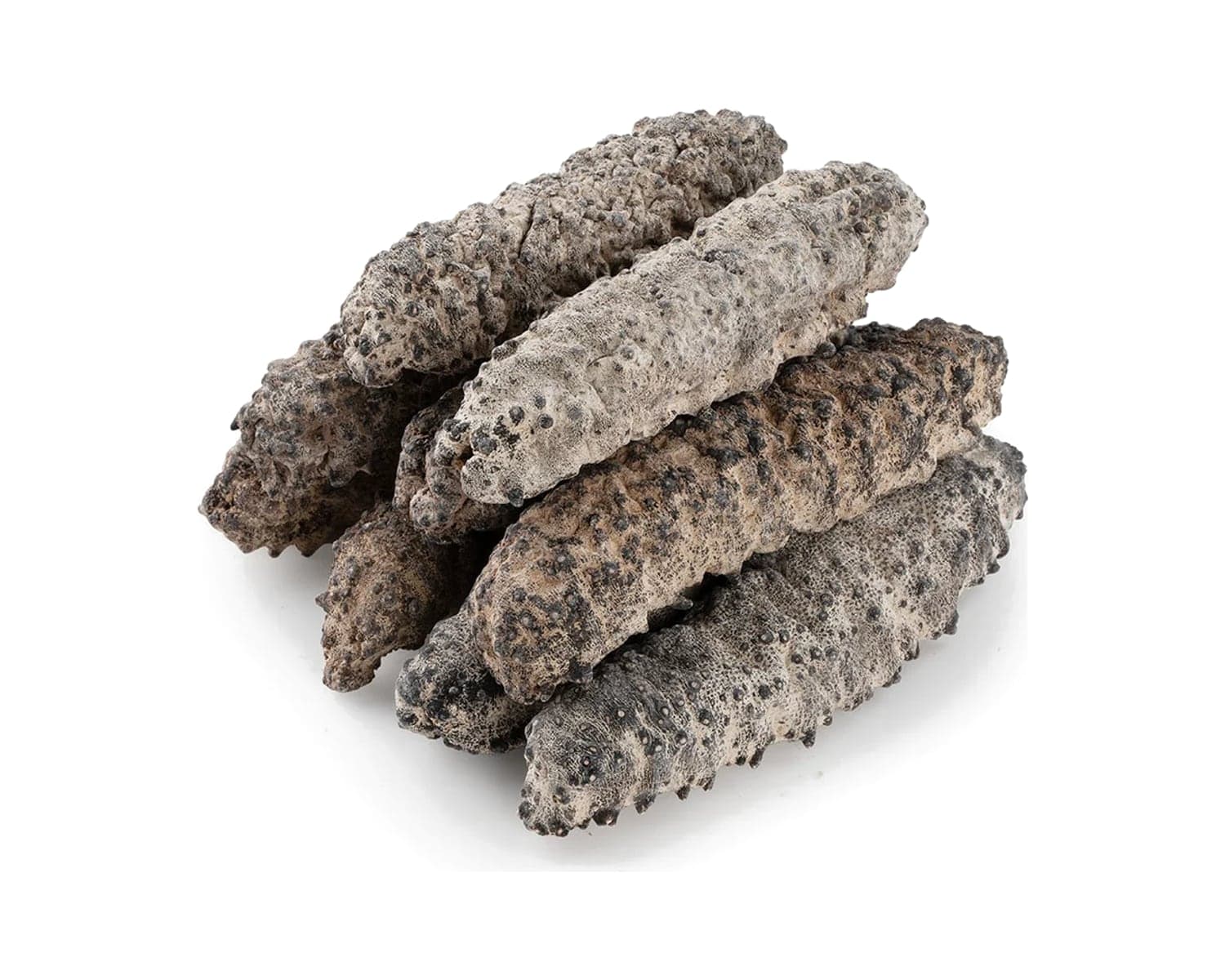
Products may also be subject to NOAA’s Seafood Import Monitoring Program (SIMP), which covers species including abalone, sea cucumber, shrimp and some crabs and requires the importer to report where and how the product was harvested. We prepare species, catch area and processing details for each lot before shipment.
Products may also be subject to country-of-origin labeling, and retail packs need English labeling that meets FDA requirements, including allergen declarations. Confirm current requirements with FDA, NOAA Fisheries or your customs broker, and see our importer’s guide for planning the paperwork.
On a long route, dried goods and seaweed travel by sea in moisture-protected, lined cartons, and frozen lines go in reefer containers. Chilled and live products are rarely practical over this distance except by air for specific programs, so we discuss feasibility case by case.
Popular lines
Specialty Dried Seafood
Peeled dried shrimp and shell-on prawns, sorted by size
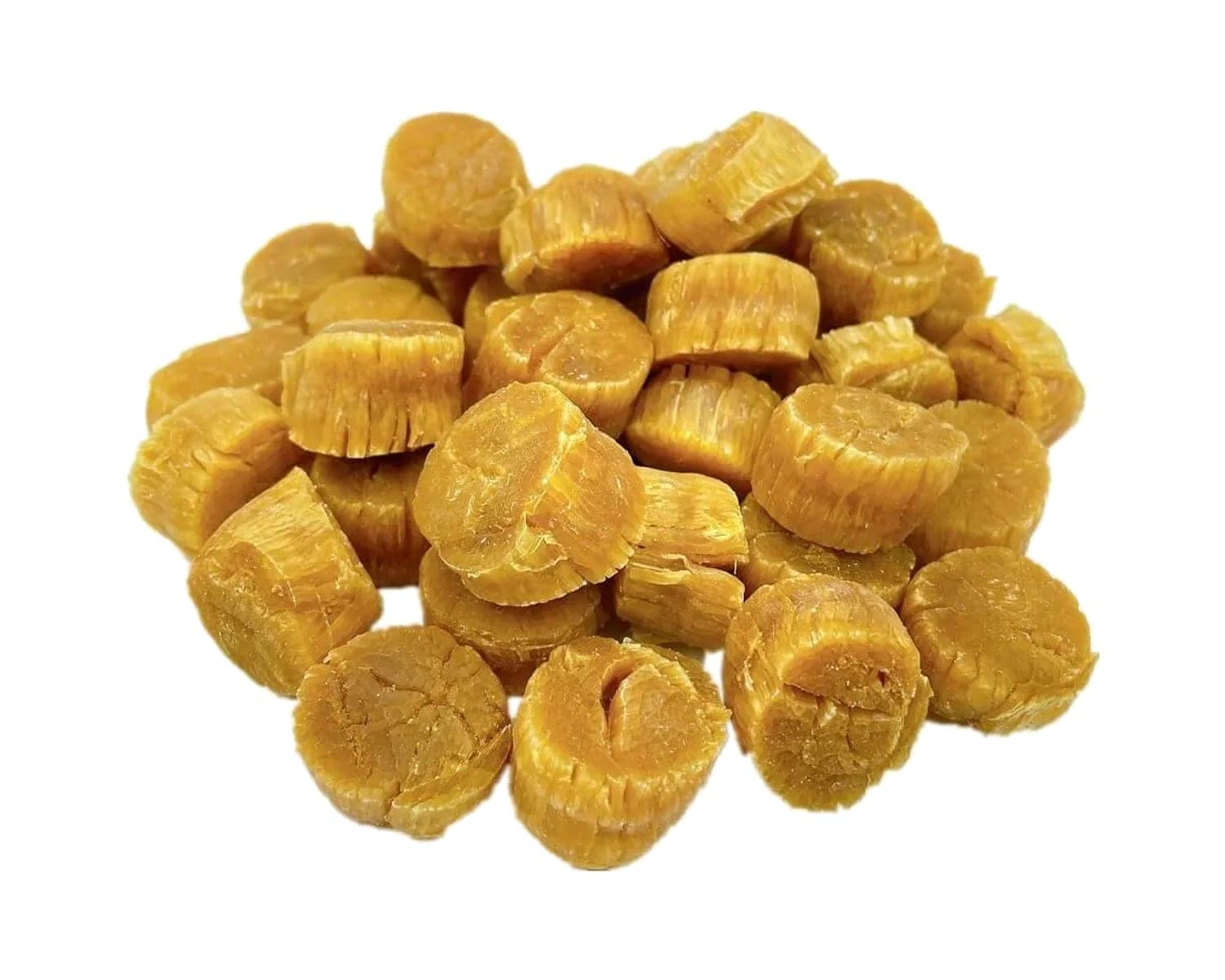
Premium Marine Delicacies
Hokkaido, Aomori and Chinese adductors by diameter and count
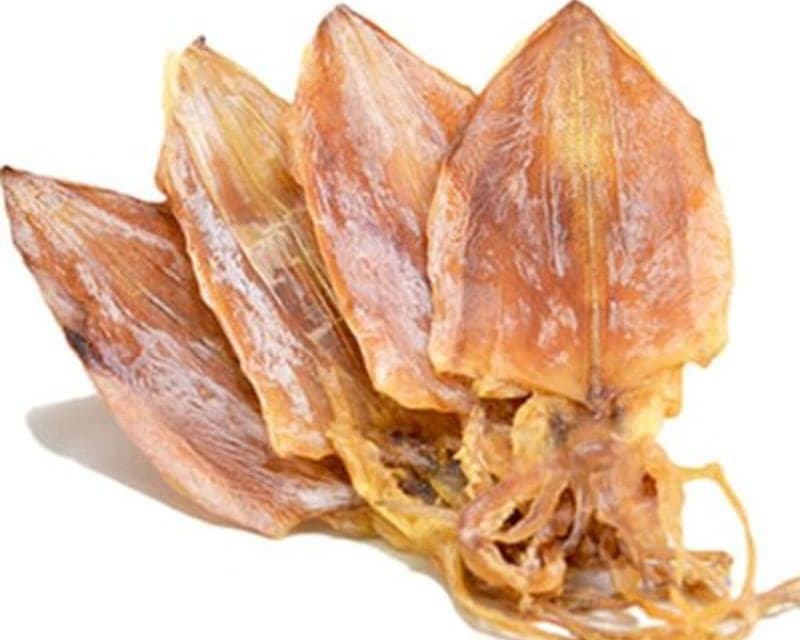
Specialty Dried Seafood
Butterflied whole squid and seasoned shreds, graded by length
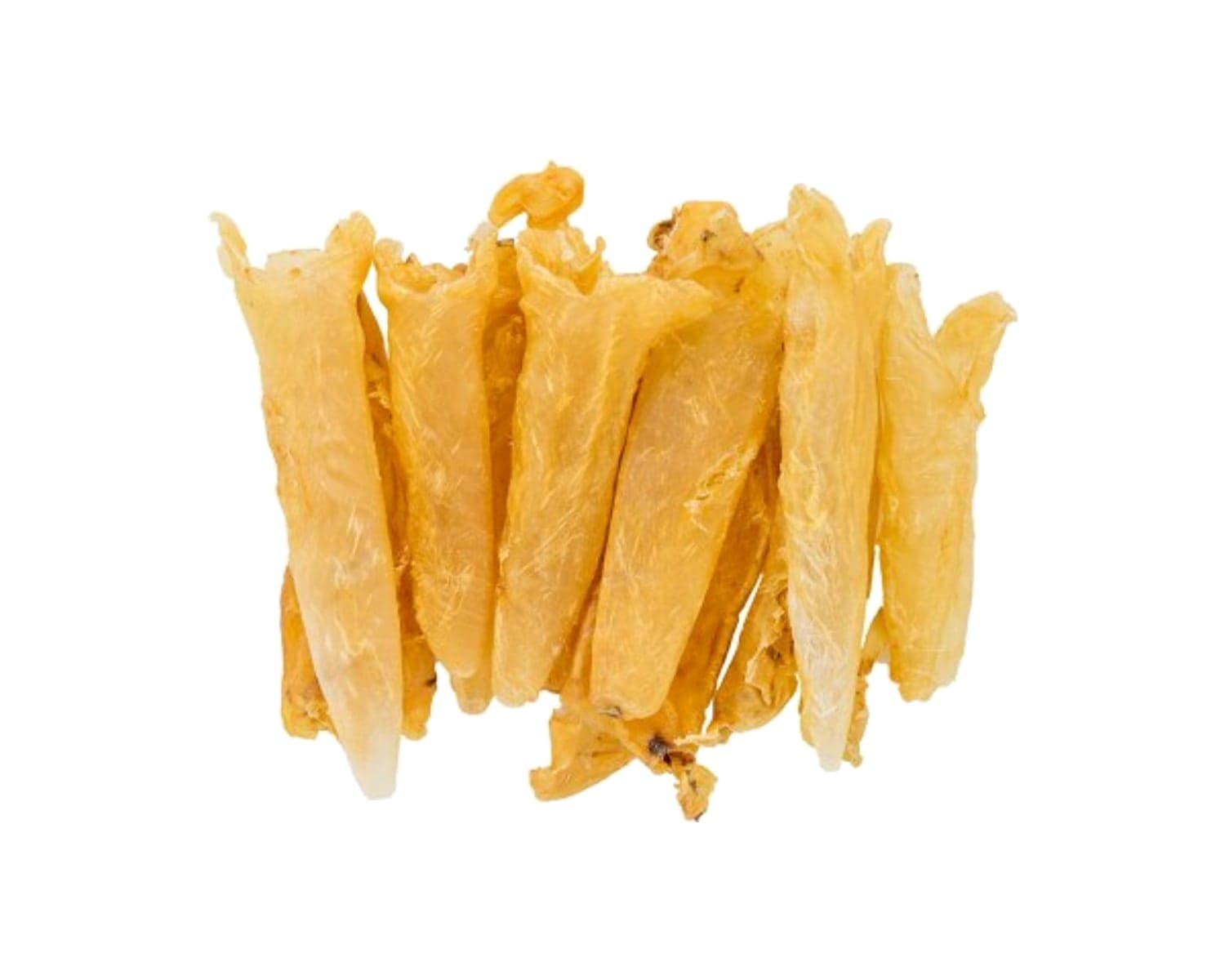
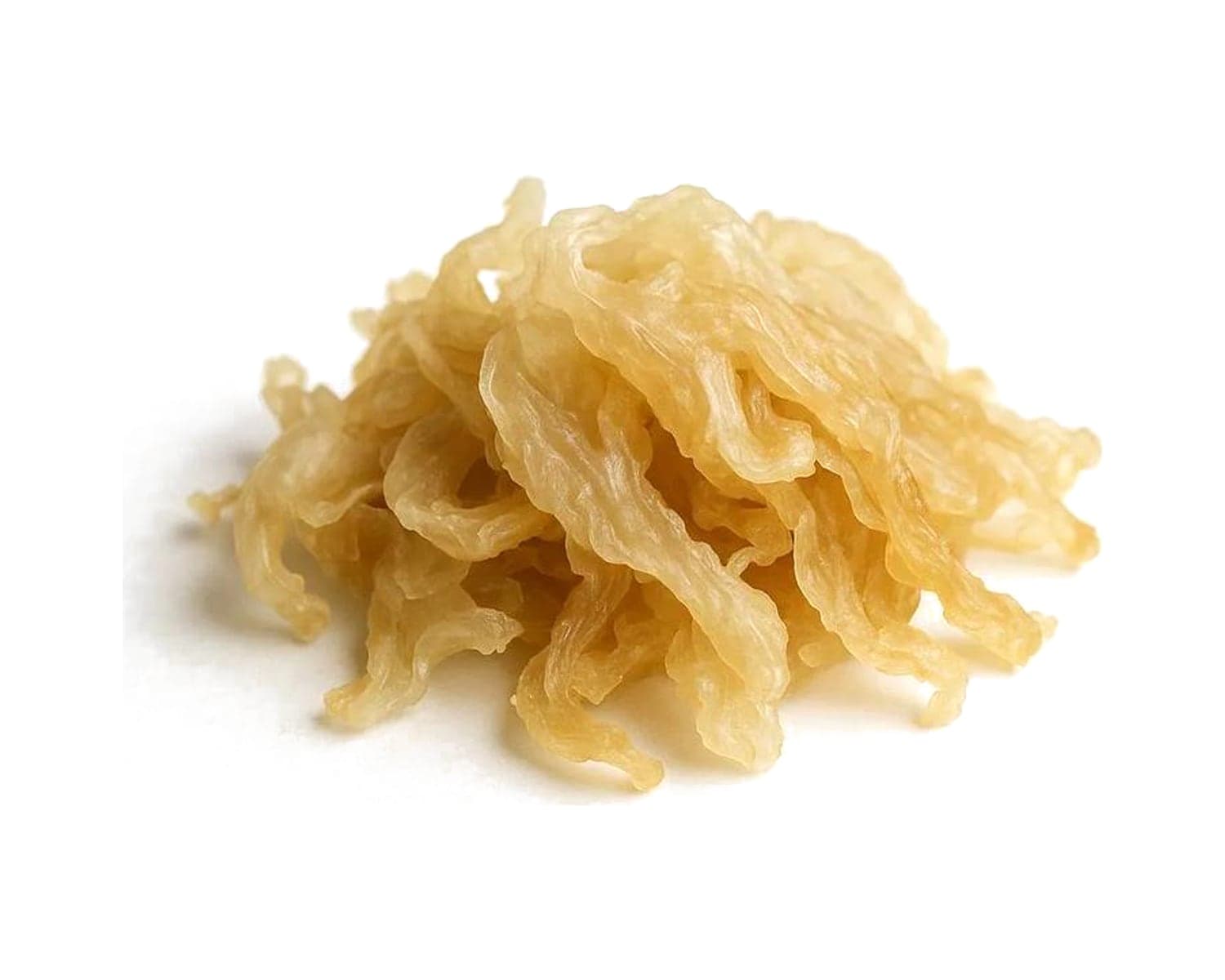
Premium Marine Delicacies
Salted jellyfish head and skin, plus ready-to-eat shredded packs
FAQ
FDA food facility registration applies to the facilities that manufacture, process, pack or hold the food, so we confirm it per product and lot rather than make a blanket statement. Send us your product list, and the registration details for those lots will be confirmed before you commit.
Abalone, sea cucumber and shrimp are among the covered species groups, so dried sea cucumber, dried abalone and dried shrimp may need SIMP data at entry, depending on how they are classified. Check the current species list with NOAA Fisheries, as it can change.
Yes. Our private-label service can prepare English-language retail packs to your artwork. Final label compliance in the US rests with the importer, so send us your approved label text before production.
Trade inquiries
Tell us the products, grades and destination you have in mind. An export specialist will reply within one business day with availability, specifications and a formal quotation.