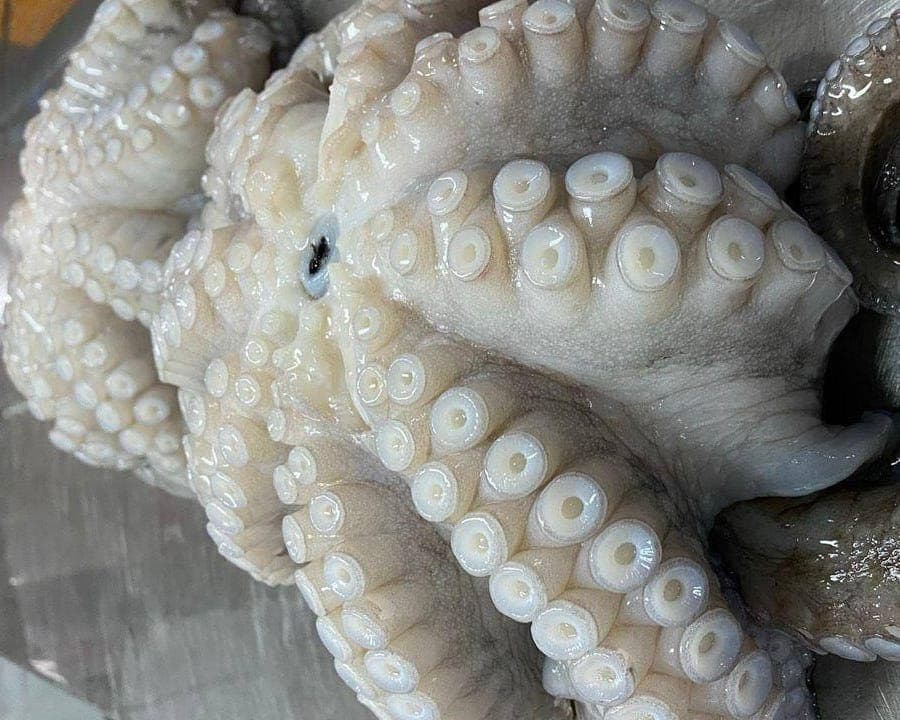
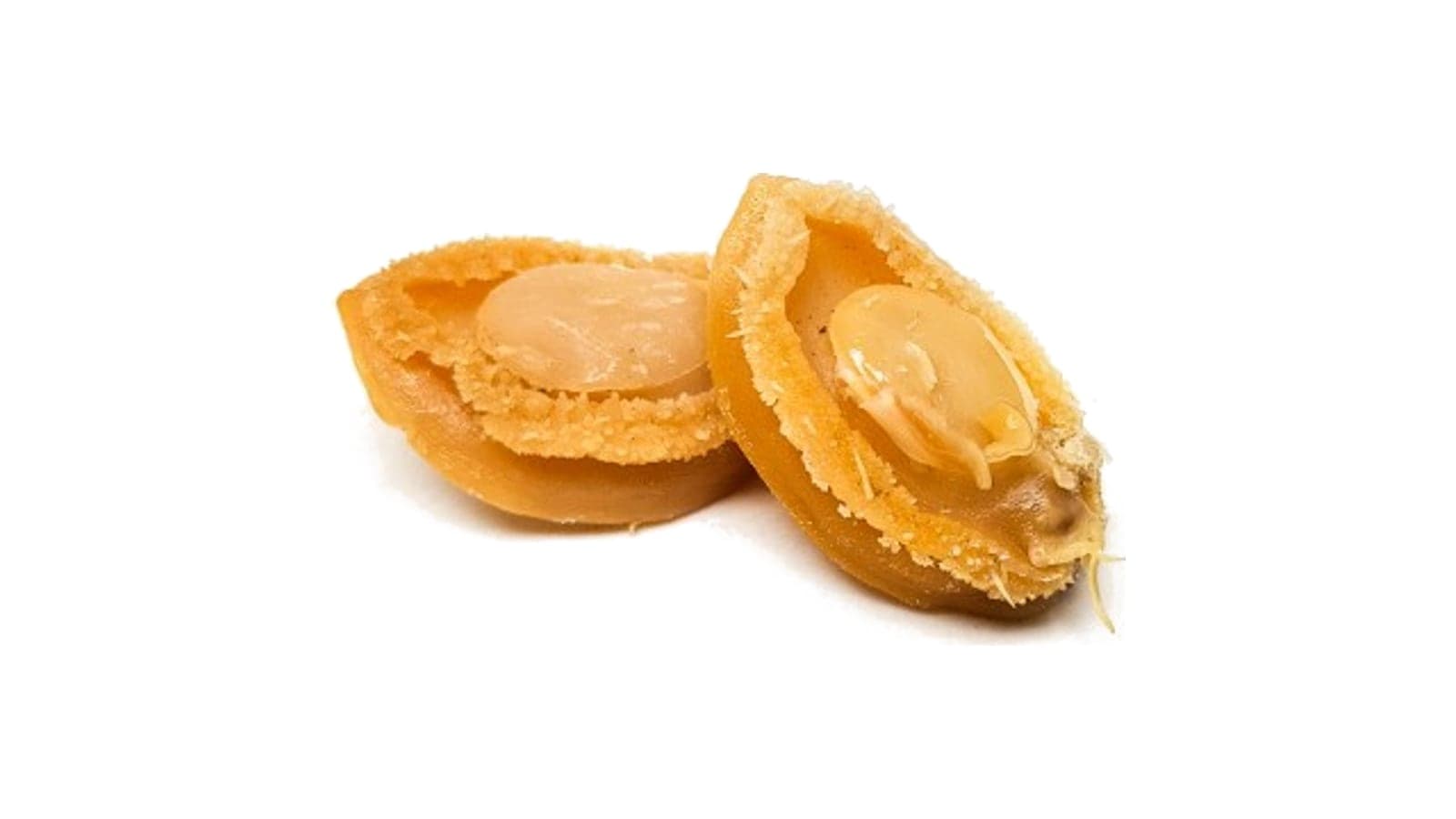
Cuttlefish are cephalopods of the family Sepiidae: broad-bodied animals that hover just above the seabed, change color in an instant and carry a porous internal shell, the cuttlebone. Their mantle is thicker than a squid’s, and once the bone and skin are removed it yields dense, white meat that holds together through scoring, frying and long stewing. BSA Food Products sells frozen cuttlefish, whole or as fillets and strips, and whole dried cuttlefish for soups and braises.
This profile explains how to identify a cuttlefish, which species dominate trade and how their scientific names have recently changed, where they live and are caught, what they are called in the main markets, and how kitchens from the Mediterranean to East Asia use the meat and the ink.
Key takeaways
- A W-shaped pupil, a fin skirt around the mantle and a chalky cuttlebone identify a cuttlefish; squid have a clear pen instead.
- WoRMS now places pharaoh, needle and golden cuttlefish in Acanthosepion, though labels still widely use Sepia.
- Cuttlefish live in the coastal waters of Europe, Africa, Asia and Australia but not in the Americas.
- Thick, white cuttlefish meat suits scoring, frying and ink stews, and its brown ink is the classic base for black risotto.
How to identify a cuttlefish
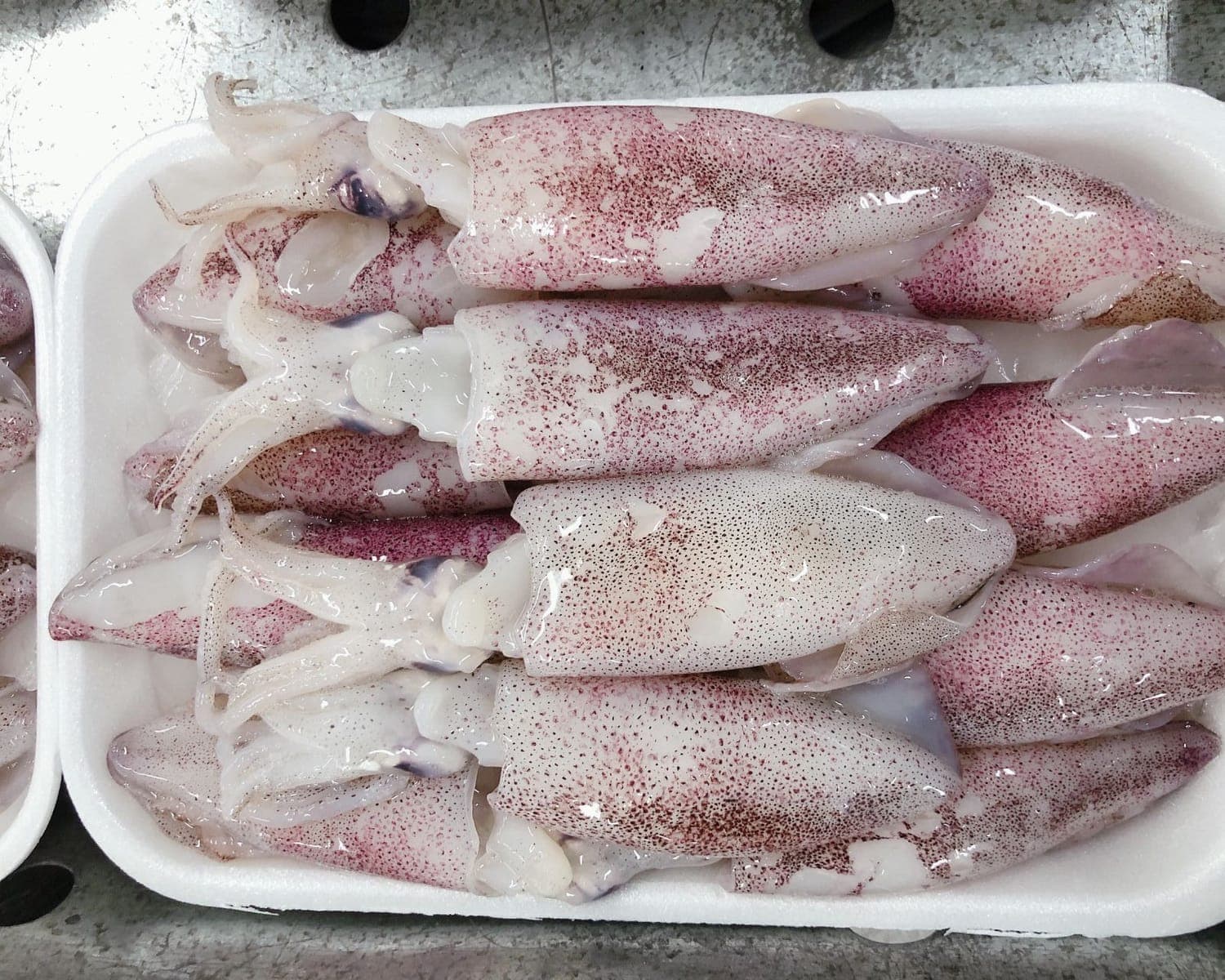
Three features give a cuttlefish away. Its eye has a smoothly curving W-shaped pupil. A narrow fin runs like a skirt around almost the whole edge of the mantle, rippling to steer the animal in any direction. And inside the back lies the cuttlebone, a light, chalky oval of aragonite divided into fine chambers whose balance of gas and liquid the animal adjusts to rise or sink.
Like squid, cuttlefish have eight arms and two longer tentacles used to seize prey. Size varies widely: some Sepiella species stay below about 13 cm in mantle length, while the Australian giant cuttlefish, one of the largest, reaches about 50 cm and more than 10 kg. Octopus is easy to separate, having no fins, no shell and no tentacles.
The animal most often mistaken for a cuttlefish is the bigfin reef squid (Sepioteuthis lessoniana), an Indo-Pacific species whose thick oval fins wrap around nearly all of its mantle. It is a true squid: slit it open and you find a thin, clear pen instead of a bone, and its pupil lacks the W shape. Our squid species guide sets out the other squid families, and the frozen squid page lists the squid species we supply.
Cuttlefish species and the Sepia name change
WoRMS, the World Register of Marine Species, recognizes more than a hundred cuttlefish species. Until recently most were placed in the genus Sepia, but a 2023 study of the family’s relationships split that genus, and WoRMS now lists pharaoh, needle and golden cuttlefish under Acanthosepion. The European common cuttlefish keeps the name Sepia officinalis. Official labeling lists and trade documents may lag behind the revision, and our own product pages still use the familiar Sepia names, so use the name your market’s list accepts and give the newer one alongside where it helps.
| Common name | Scientific name | Range | Notes |
|---|---|---|---|
| Common cuttlefish | Sepia officinalis | Eastern Atlantic from Norway to north-west Africa, and the Mediterranean | Up to about 49 cm mantle in temperate waters, about 30 cm in the subtropics |
| Pharaoh cuttlefish | Acanthosepion pharaonis (Sepia pharaonis) | Red Sea and Persian Gulf east to Japan and northern Australia | Up to about 43 cm mantle and 5 kg; probably several species |
| Needle cuttlefish | Acanthosepion aculeatum (Sepia aculeata) | Southern India east to Japan and the Philippines | Mostly taken by trawl |
| Golden cuttlefish | Acanthosepion esculentum (Sepia esculenta) | Japan, Korea and China south to the Philippines and Indonesia | Mantle to about 18 cm; Japanese kōika |
| Spineless cuttlefish | Sepiella inermis | Indian Ocean east to Indonesia and the southern South China Sea | Small, mantle up to about 12.5 cm |
| Japanese spineless cuttlefish | Sepiella japonica (reported as S. maindroni in many Chinese studies) | Japan, Korea and China | Once the main cuttlefish of the Zhejiang fishery; depleted by overfishing |
Where cuttlefish live and how they are caught
Cuttlefish live along the coasts of Europe, Africa, the Middle East, South and East Asia and Australia, mostly in shallow water, though some species are found several hundred meters down. None occur in the Americas, so cuttlefish declared with an American catch area deserves a second look. Most species spend their time on or just above sand and mud, hunting close to the seabed.
Their lives are short. Common cuttlefish live one to two years and usually die soon after spawning; they move into shallow coastal water to breed in spring and summer, then retreat to the middle of the shelf, around 100 m deep, for autumn and winter. Bottom trawls take most of the catch, both as a target and as bycatch, and traps and cages are used as well.
Pharaoh cuttlefish supports industrial and small-scale fisheries across its range and is most abundant in catches from the Persian Gulf and the Andaman Sea. Off eastern China, the Japanese spineless cuttlefish that once dominated the Zhejiang catch was depleted by overfishing, and hatchery-reared juveniles have been released there since the late 2000s to rebuild the stock.
What cuttlefish are called in different markets
Sepia is the Greek and Latin word for cuttlefish, and it gave English the name of the reddish-brown pigment once made from the animal’s ink. The Romance languages keep close relatives of the word: seppia in Italian, sepia in Spanish and seiche in French, while Portuguese uses choco. In Japan the golden cuttlefish is kōika, and Chinese menus write 墨魚, literally ink fish, or 烏賊. In Taiwan the animal is best known through cuttlefish thick soup, a familiar street-food dish.
Cuttlefish market forms: frozen, dried and ink
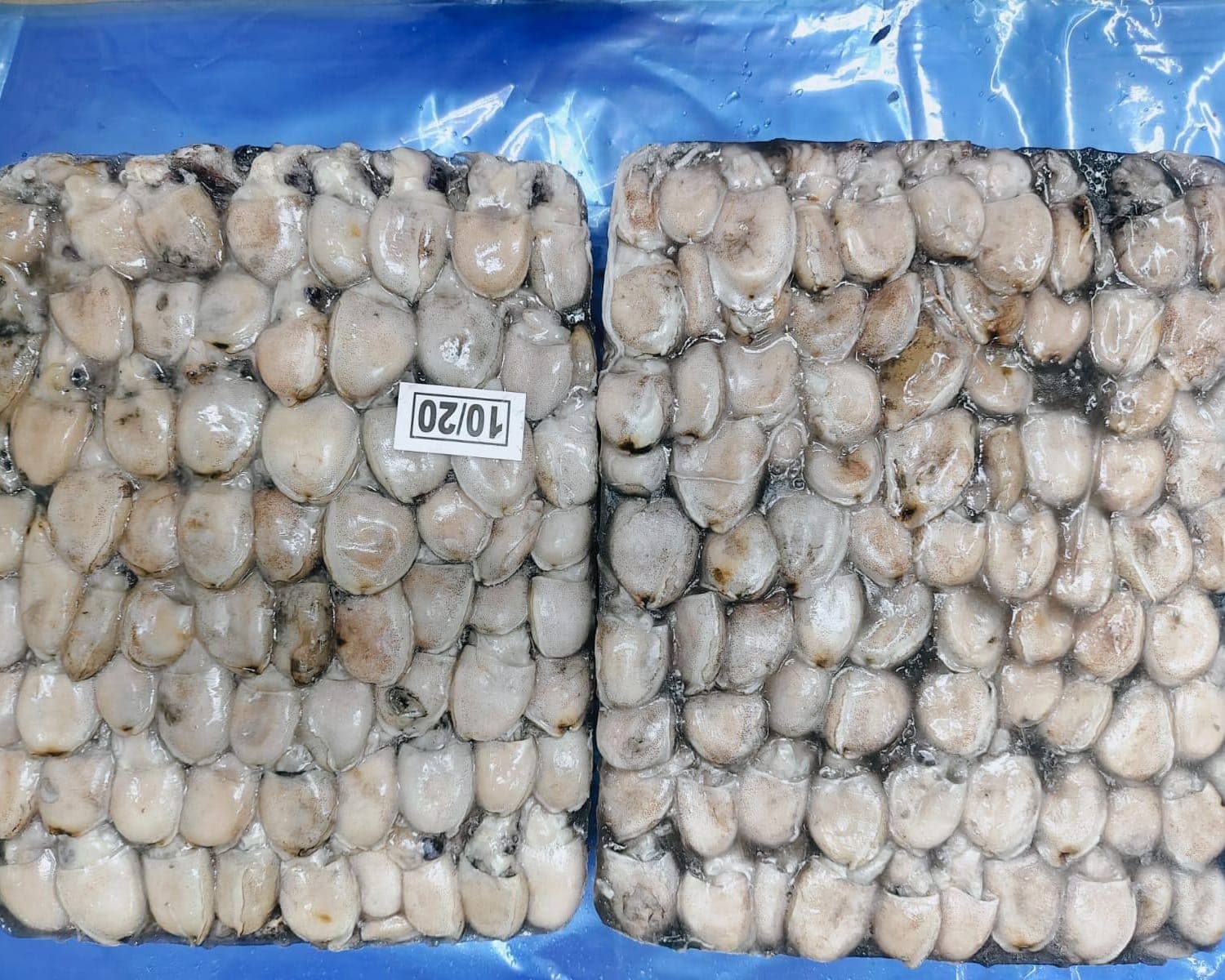
- Whole round, frozen: ungutted with the ink sac in place, for kitchens cooking in the ink.
- Whole cleaned: bone, viscera and ink removed, skin-on or skinless, for grilling and stuffing.
- Fillets, strips and scored pieces: the opened, skinless mantle cut for frying, stir-fries and hot pot.
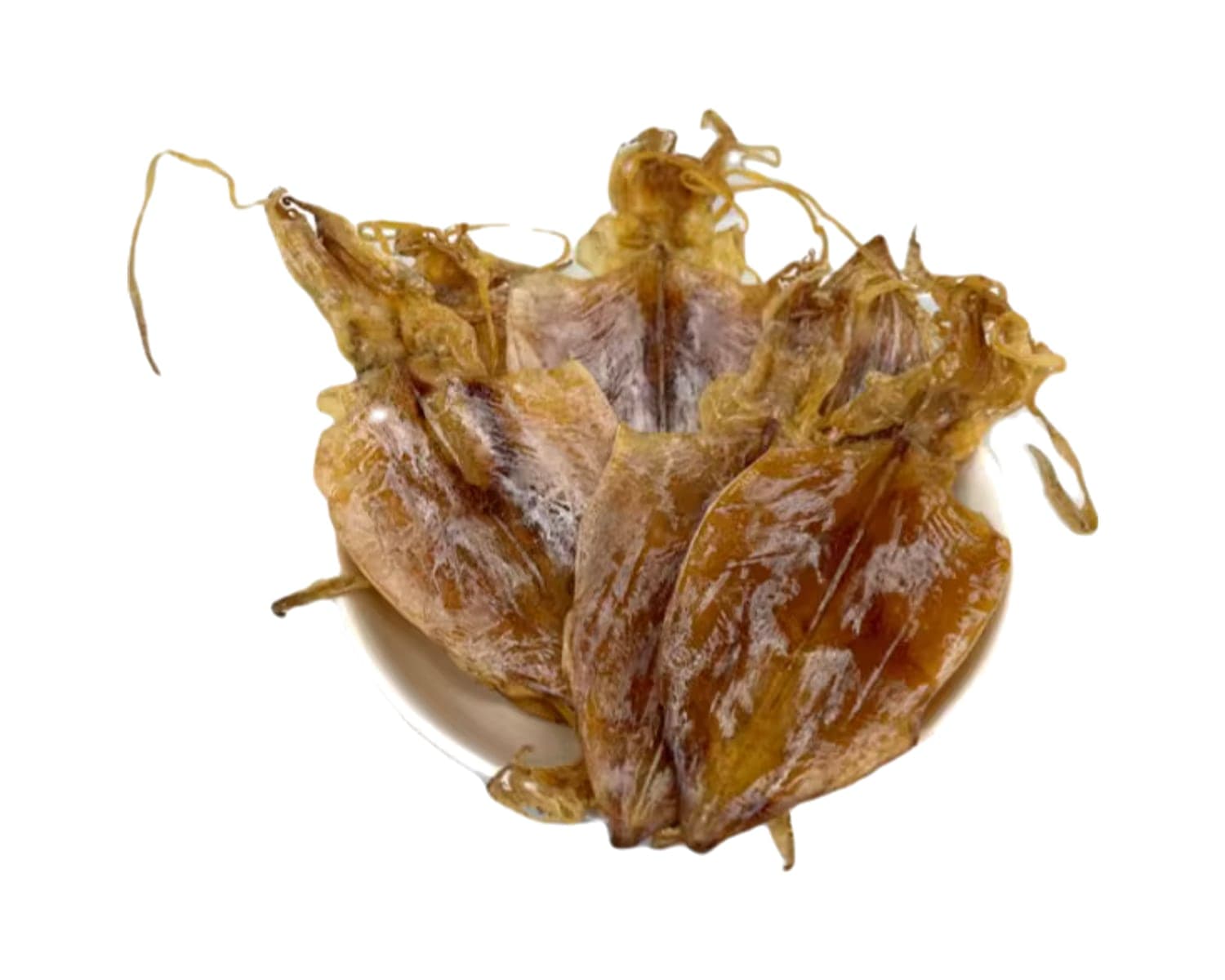
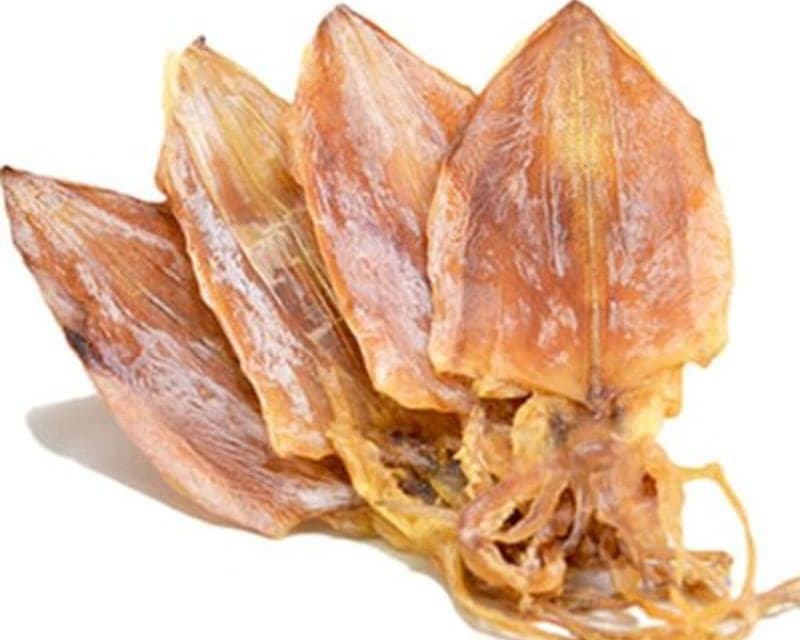
- Dried whole: the cleaned body opened flat and dried, simmered in Cantonese soups or braised after soaking.
- Dried shredded: roasted and shredded cuttlefish, a popular snack in East Asia.
- Ink: extracted from the ink sac and sold in small packs to color and flavor rice, pasta and sauces.
Ink sold for cooking may come from cuttlefish or squid, and cuttlefish ink, the classic choice for Italian black risotto and pasta, has a brown tone, while squid ink runs blue-black. Jewelers also use cleaned cuttlebone as a mold for casting small metal pieces. Dried bodies keep color and aroma best under the conditions in our dried seafood storage guide.
Cooking cuttlefish in different cuisines
Cuttlefish meat is thicker and denser than squid, mildly sweet and a little firmer, and it handles both searing heat and long, slow cooking. A fine crosshatch scored on the inner surface helps thin pieces cook fast and hold sauce. Classic dishes include:
- Italy and the Adriatic: risotto al nero di seppia, turned black with cuttlefish ink, which Croatia and Montenegro know as crni rižot.
- Catalonia and Valencia: arròs negre, rice cooked with cuttlefish or squid ink.
- Andalusia: breaded or battered cuttlefish, deep-fried.
- Portugal: chocos com tinta, cuttlefish served in a sauce of its own ink, and choco frito, the fried cuttlefish of Setúbal.
- Sri Lanka: hot butter cuttlefish, batter-fried and tossed with butter, chili flakes, peppers and spring onion.
- Taiwan and southern China: cuttlefish thick soup in Taiwan, and dried cuttlefish slow-simmered in Cantonese soups.
Checking cuttlefish identity and quality
Whole cuttlefish are easy to identify; cut product is not. Once skinned and sliced, cuttlefish, inshore squid and jumbo squid meat can look much alike, so the species belongs on the specification, invoice and carton label. Useful checks on thawed or soaked samples:
- Cuttlebone fragments: run a hand over cleaned bodies and fillets to find chalky splinters left behind.
- Color: clean, bright white meat in frozen product and an even cream to amber tone in dried bodies, without yellowing or dark stains.
- Ink: burst sacs in whole round product leave stains that should stay within the agreed tolerance.
- Thickness: grades rest heavily on body thickness, which decides yield, soaking time and how the meat cooks.
- Name: Sepia, Acanthosepion or Sepiella, as the destination’s official list requires.
To compare species and grades side by side, request a cuttlefish offer by species and cut. The eight-armed relative is profiled in our octopus species guide.
This guide is general trade information, not legal or regulatory advice. Requirements differ by market and change over time; confirm current rules with your customs broker or competent authority before ordering.