- Private-label packing
- Export documentation
Frozen Fish
Frozen Alaska Pollock Supplier: Fillets, Blocks, Mince and Portions
BSA Food Products sources wild Alaska pollock from North Pacific partner packers as IQF fillets, fillet and mince blocks and cut portions, stating catch area, vessel flag, processing country and freezing history on every offer.
- Wild North Pacific pollock from US and Russian fisheries, declared per lot
- Single-frozen or twice-frozen, stated on every offer
- Fillet, mince and deep-skin blocks in the 7.5 kg standard size
- IQF fillets from 2–4 oz to 8 oz and up, plus cut portions
- Phosphate use and glaze declared; net weight quoted ex-glaze
- Harvest origin screened against destination rules before quoting
Product Specifications
Indicative; confirmed per lot on each quotation.
- Origin
- Wild-caught in the North Pacific (US Bering Sea and Gulf of Alaska; Russian Sea of Okhotsk and Bering Sea), sourced through partner packers, with catch area, vessel flag and processing country declared per lot and checked against destination rules.
- Grade / Size
- IQF fillets by weight (2–4, 4–6, 6–8 and 8 oz and up, or gram equivalents); blocks by nominal weight, dimensions and fillet or mince content; portions cut to the buyer’s weight within an agreed tolerance.
- Form & Processing
- Skinless boneless fillets (regular or deep-skinned), fillet blocks, mince blocks and cut portions; single-frozen at sea or ashore, or twice-frozen after reprocessing; IQF, interleaved or block-frozen.
- Storage
- Store at -18 °C or colder and keep blocks at a steady temperature before sawing; thaw fillets under refrigeration, and saw or form blocks while still frozen.
- MOQ
- From one pallet per item when consolidated with other frozen lines; regular block and fillet programs in full 40 ft reefer containers.
- Lead Time
- Usually 3–6 weeks from confirmed specification, depending on packer stock; new-season production can be booked ahead of the winter and summer fishing periods.
Product overview
Alaska pollock is the workhorse whitefish behind coated portions, fish fingers, fish-and-chip menus and much of the world’s surimi. Its appeal is consistency rather than distinction: lean, mild white flesh with a fine flake that carries batter, crumb and sauce without competing with them, and a supply base large enough to run programs all year. Pollock is not a Thai catch, so we do not process it here. We source it from partner packers working the North Pacific fisheries and state the harvest and processing details on every offer, so that a buyer knows exactly which supply chain a carton came through.
The species is Gadus chalcogrammus, a member of the cod family that older documents still list as Theragra chalcogramma. Commercial volume comes from the US fisheries in the Bering Sea and Gulf of Alaska and from the Russian fisheries in the Sea of Okhotsk and western Bering Sea, mostly taken by midwater trawl. The US Bering Sea fishery runs a winter A season, when roe-bearing fish are targeted, and a summer-to-autumn B season, and flesh condition differs between the two. Each pollock offer names the fishing area, vessel flag and processing plant, and because several markets restrict Russian-origin seafood, at times even after filleting in a third country, harvest origin is checked against your destination before we quote.
Freezing history is the first point to settle. Single-frozen pollock is filleted and frozen once, at sea on factory trawlers or at shore plants near the grounds; twice-frozen pollock is frozen headed and gutted, then thawed, filleted and refrozen in an Asian processing country, which lowers cost but usually gives a softer texture and more drip. Formats include skinless, boneless fillet blocks in the standard 7.5 kg (16.5 lb) size for sawing into portions, mince blocks for formed products, deep-skinned fillets with the gray layer under the skin removed, IQF fillets graded 2–4, 4–6, 6–8 and 8 oz and up, and portions cut to your weight and shape. Where a packer adds phosphate to limit drip, it is declared on the specification.
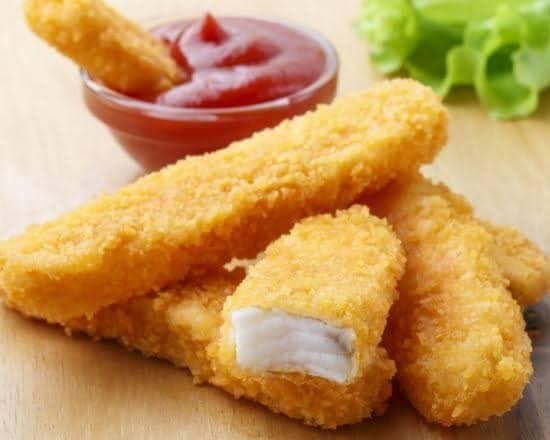
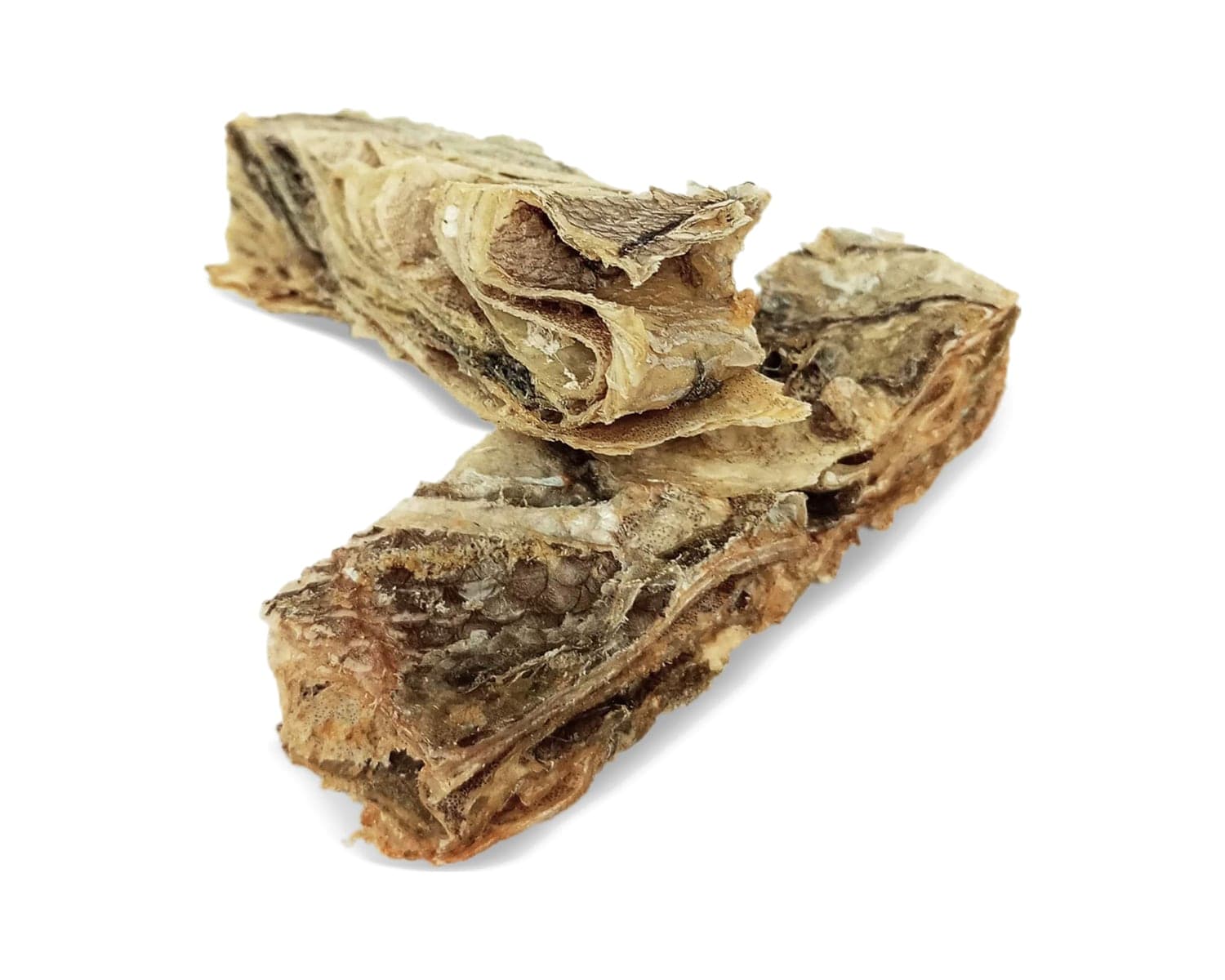
Block buyers judge pollock by how it saws as much as by how it tastes: dimensional tolerance, flat faces, voids and air pockets, and the share of mince in a fillet block all decide portion yield on the line. Fillet inspection covers pin bones, parasites visible on candling, blood spots and bruising, gaping, color and glaze. The fish goes into fish fingers and fish sticks, breaded portions for schools and quick-service chains, ready meals and filled pastries, and pollock skin from the same plants is offered under fish skin. For the long haul from North Pacific plants, our reefer and cold chain guide covers what to agree with the carrier.
Specification sheet
Frozen Alaska Pollock: full specification
Indicative values. Final specifications are confirmed per lot on the quotation and certificate of analysis.
| Species | Gadus chalcogrammus (Alaska pollock) |
|---|---|
| Catch | Wild, mainly midwater trawl; FAO area and vessel flag stated per pollock lot |
| Origin | US and Russian North Pacific fisheries; processing country declared |
| Freezing | Single-frozen at sea or ashore, or twice-frozen, as stated on the offer |
| Formats | IQF and interleaved fillets, fillet blocks, mince blocks, portions |
| Fillet sizes | 2–4, 4–6, 6–8, 8 oz and up; gram grades on request |
| Additives | Phosphate use stated per lot; untreated pollock on request |
| Inspection | On request: pin bones, candling for parasites, blood spots, gaping, block voids |
| Shelf life | Typically 18–24 months at -18 °C, per the packer’s declaration |
| Documents | Flag-state catch certificate and processing statement where required, health certificate, certificate of origin |
| Minimum order | From one pallet per item when consolidated with other frozen lines; regular block and fillet programs in full 40 ft reefer containers. |
| Lead time | Usually 3–6 weeks from confirmed specification, depending on packer stock; new-season production can be booked ahead of the winter and summer fishing periods. |
FAQ
Frozen Alaska Pollock: questions from buyers
What is the difference between single-frozen and twice-frozen pollock?
Single-frozen pollock is filleted and frozen once, close to the fishing grounds, and is usually preferred where a firm texture and low drip matter, as with premium retail fillets. Twice-frozen pollock is frozen headed and gutted, then thawed at a processing plant elsewhere, filleted, often by hand, and refrozen. It costs less and performs well in coated and formed products, but the flesh is softer and loses more water on thawing. Both are legitimate products; what matters is that the offer states which one you are buying.
How are pollock fillet blocks specified?
A block specification covers the nominal weight, commonly 7.5 kg (16.5 lb), the outer dimensions and their tolerance, and whether the block holds whole fillets, mince or a mix of the two. Portion makers also set limits on air pockets, ragged edges and bones per kilogram, since these decide how many saleable portions come off each block. Send us your saw pattern and target portion weight, and we will match the block format to them.
Does the harvest origin of pollock affect where it can be sold?
It can. Some importing countries ban or restrict seafood of Russian origin, and in certain cases the restriction follows the fish through reprocessing elsewhere, so a fillet packed in Asia may still be ineligible. EU buyers also need a catch certificate validated by the flag state, accompanied by a processing statement when the fish was processed in a country other than the flag state. We name the fishing area, vessel flag and plant on each pollock offer and check them against your market’s current rules; our export specialists can review the paperwork with you in advance.
Is phosphate used in frozen pollock fillets?
Some packers add a phosphate to fillet blocks or IQF fillets to limit drip loss, while others pack the fish untreated. When it is used, the additive appears on our specification, must be declared on the label in most markets and is limited by the destination’s food additive rules. Retail programs often prefer untreated pollock, which can be specified at inquiry stage.
Related
Related products
Marine Ingredients
Fish Skin for Food Processing
Descaled, trimmed skins for snacks, kitchens and extraction
Frozen
Buyer guides
Species Profiles9 min read
Alaska Pollock: The Cod-Family Whitefish Behind Surimi and Fish Fingers
The North Pacific cod relative that most people eat without knowing its name: how it lives, where it is caught, and why surimi makers and fish-finger lines depend on it.
Read the guide
Import & Compliance8 min read
Shipping Seafood: Reefer Containers, Cold Chain and Incoterms
A logistics guide for seafood buyers: reefer and dry-container shipping, temperature records, air freight for chilled and live product, where Incoterms 2020 place cost and risk, and the evidence a claim needs.
Read the guide
Request a quote
Request a quote for frozen alaska pollock
Share your target grade, packing, volume and destination. We confirm availability, documentation for your market and a formal quotation, usually within one business day.
- Grade, size or count required
- Packing format and labeling language
- Estimated volume and order frequency
- Destination port or airport and Incoterm
- Reference: Frozen Alaska Pollock