- Private-label packing
- Export documentation
Frozen Fish
Frozen Grouper: Farmed Epinephelus, Whole, Gutted and Skin-On Fillets
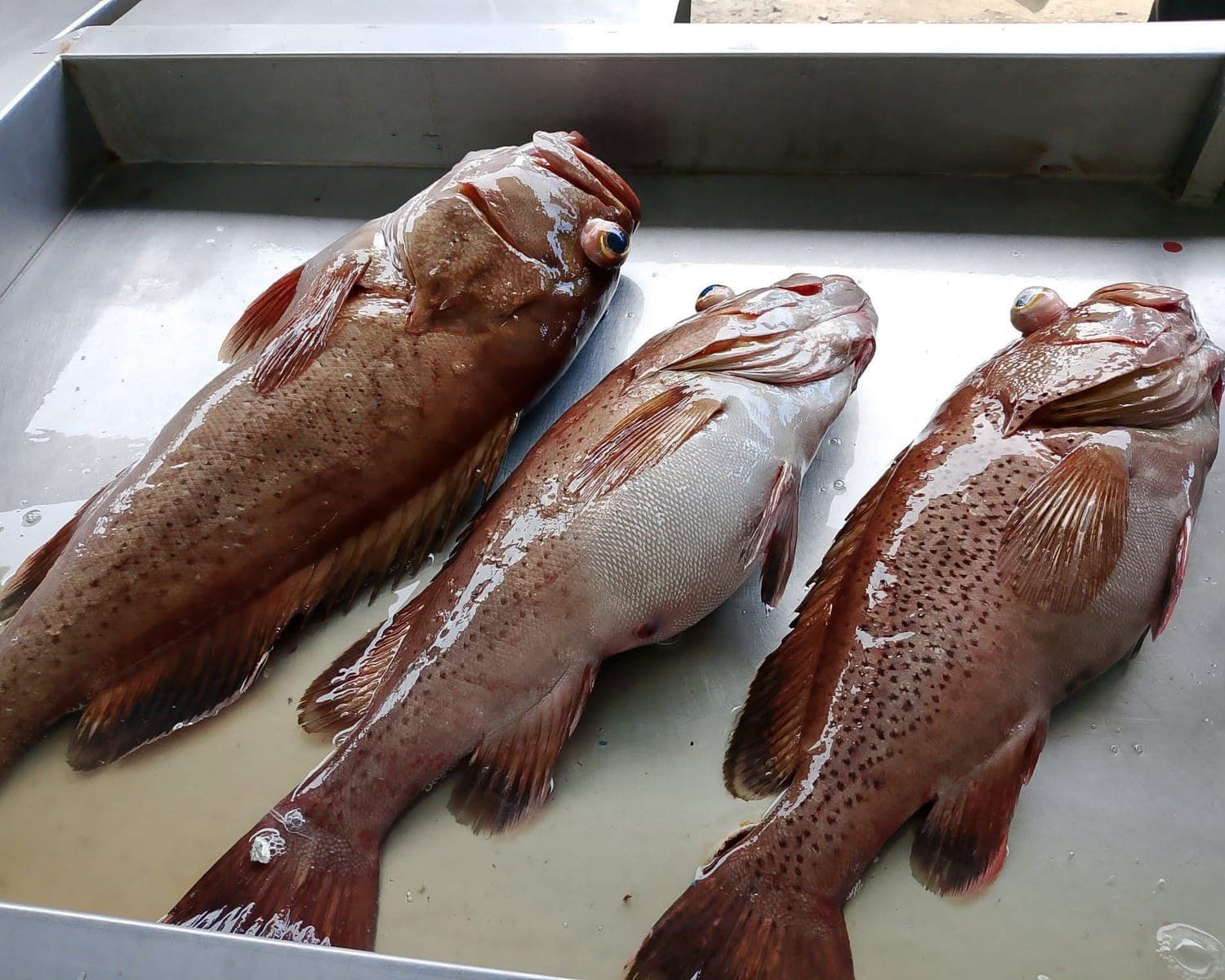
BSA Food Products supplies frozen grouper, mainly farmed Epinephelus species from South-East Asian, Taiwanese and Chinese farms, as whole fish, gutted and scaled fish and skin-on fillets, with the species named on every lot because texture and value differ between them.
- Orange-spotted, tiger, giant and hybrid Epinephelus grouper
- Species confirmed on every lot from skin pattern and farm records
- Plate-size whole fish for steaming, with fins kept intact
- Skin-on scaled fillets from larger fish, skinless on request
- Residue testing for farmed lots arranged to destination limits
Product Specifications
Indicative; confirmed per lot on each quotation.
- Origin
- Farmed in Indonesia, Malaysia, Vietnam, Taiwan, southern China, Thailand and the Philippines; species, farm region and system declared per lot, with any wild-caught lot identified separately.
- Grade / Size
- Whole fish by individual weight (e.g. 300–500 g, 500–800 g, 800 g–1.5 kg, 1.5–3 kg, 3 kg up); skin-on fillets by weight band.
- Form & Processing
- Whole round or gutted and scaled with gills removed, frozen individually and glazed; skin-on scaled fillets, with skinless fillets and steaks from large fish on request.
- Storage
- Keep grouper at -18 °C or colder without temperature swings, which dull the skin and dry the fins; thaw whole fish slowly in the chiller before steaming.
- MOQ
- Trial orders from one pallet per species and size band; container programs can combine grouper sizes and forms with other frozen fish.
- Lead Time
- Usually 3–5 weeks, set by farm harvest schedules and species availability; large giant-grouper sizes can take longer.
Product overview
Grouper is a trade name for dozens of species, and the farmed fish that make up most frozen supply belong to the genus Epinephelus. The main ones are orange-spotted grouper (E. coioides), brown-marbled or tiger grouper (E. fuscoguttatus), giant grouper (E. lanceolatus) and the fast-growing cross between a tiger grouper female and a giant grouper male, sold as hybrid, pearl or sabah grouper. They are raised in sea cages and coastal ponds in Indonesia, Malaysia, Vietnam, Taiwan, southern China, Thailand and the Philippines. Coral trout (Plectropomus leopardus) and humpback grouper (Chromileptes altivelis, also spelled Cromileptes) are usually placed in other genera, move mainly through the live reef-fish trade and are quoted separately, under their own names, when requested.
Whole grouper is graded by individual weight: 300–500 g and 500–800 g fish are the plate sizes steamed whole for a table, 800 g–1.5 kg and 1.5–3 kg fish suit larger banquet platters and filleting, and giant and hybrid grouper above 3 kg are cut into fillets, steaks and hot-pot slices. Fillets are usually sold skin-on and scaled, because grouper skin turns thick and gelatinous when cooked and is valued as part of the dish; it also holds the fillet together in steaming and frying. Fillets are graded by weight band, with pin bones removed on request and skinless cuts available for buyers who prefer them.
Much of the farmed grouper crop is sold live in Hong Kong and southern China, and frozen grouper reaches the markets and kitchens that live trade cannot serve. Because farmed fish are harvested alive from the cage, they can be killed, chilled, cleaned and frozen within hours, and whole fish are usually frozen individually with fins intact for presentation, then glazed. Buyers check that the skin pattern matches the declared species, that skin and fins are undamaged with no ulcers or scale loss, that gills are bright and the belly firm, and that fillet flesh is white and free of gaping or blood spots. For farmed lots, residue testing for antibiotics and prohibited substances such as malachite green can be arranged against your market’s limits.
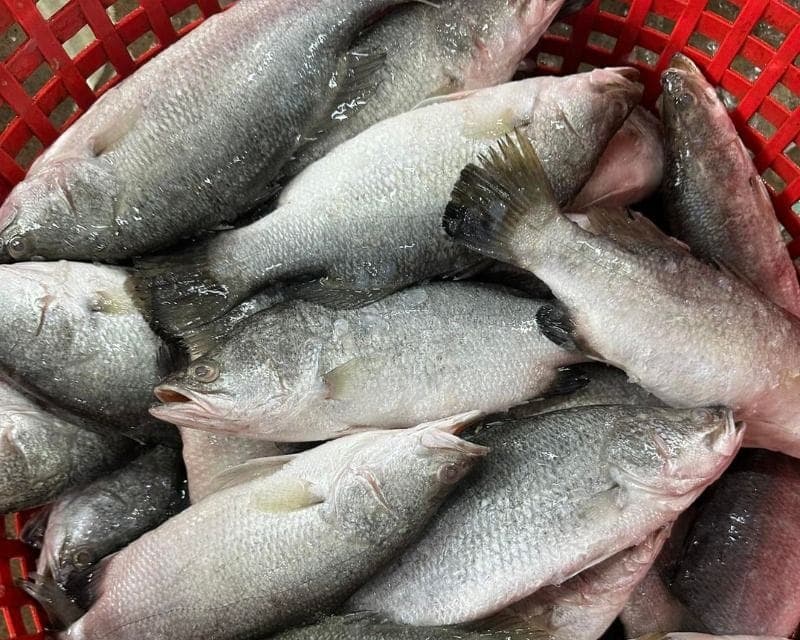
Steamed whole grouper with soy, ginger and spring onion is a banquet staple across Hong Kong, southern China, Singapore and Malaysia, often served alongside frozen abalone and other premium dishes. Skin-on fillets supply Chinese restaurants and hot-pot chains, as well as North American and Middle Eastern foodservice, where grouper is grilled, pan-fried or blackened. Buyers who need a similar plate-size fish at a lower cost usually look at frozen red snapper or frozen barramundi.
Specification sheet
Frozen Grouper: full specification
Indicative values. Final specifications are confirmed per lot on the quotation and certificate of analysis.
| Species | Epinephelus coioides, E. fuscoguttatus, E. lanceolatus and the tiger × giant hybrid; others on request |
|---|---|
| Production | Sea-cage or pond farmed; any wild line-caught lot identified separately |
| Origin | Indonesia, Malaysia, Vietnam, Taiwan, China, Thailand, Philippines; farm region per lot |
| Whole fish size | 300–500 g, 500–800 g, 800 g–1.5 kg, 1.5–3 kg, 3 kg up |
| Forms | Whole round, gutted and scaled, skin-on fillets; skinless fillets and steaks on request |
| Presentation | Whole grouper frozen singly with fins intact and glaze declared on the carton |
| Residues | Farmed grouper tested for antibiotics and prohibited substances against destination limits on request |
| Shelf life | Whole grouper and fillets commonly 18–24 months frozen, subject to the packer’s date |
| Documents | Grouper health certificate, certificate of origin, farm declaration and packing list; catch certificate for any wild lot |
| Minimum order | Trial orders from one pallet per species and size band; container programs can combine grouper sizes and forms with other frozen fish. |
| Lead time | Usually 3–5 weeks, set by farm harvest schedules and species availability; large giant-grouper sizes can take longer. |
FAQ
Frozen Grouper: questions from buyers
Which grouper species do you supply frozen?
Our regular species are orange-spotted grouper (Epinephelus coioides), tiger grouper (E. fuscoguttatus), giant grouper (E. lanceolatus) and the tiger × giant hybrid. They differ in skin pattern, flesh texture and the size they reach at harvest: orange-spotted and tiger grouper suit plate-size whole fish, while giant and hybrid grouper grow large quickly and are the usual source of thick fillets. Each lot is a single species, named on the offer and the carton.
What is hybrid or pearl grouper?
It is a cross between a female tiger grouper and a male giant grouper, bred in hatcheries and farmed widely in South-East Asia and southern China. It combines the faster growth and larger size of the giant grouper with a skin pattern close to the tiger grouper, and its firm, white fillets have made it one of the most common farmed groupers in trade. Names vary by market, including pearl grouper and sabah grouper, so the offer states the parent species.
Why are grouper fillets usually sold skin-on?
In Chinese cooking especially, the skin is part of the appeal: it becomes thick and gelatinous after steaming or braising and keeps the fillet in one piece. Skin-on fillets also make the species easier to verify, since the pattern stays visible. Scales are removed before freezing. If your dish calls for skinless fillets, for example breaded or curried grouper, they can be cut to order with an adjusted yield.
How does frozen grouper compare with live grouper?
Live grouper commands the highest prices in Hong Kong and southern China, but it needs tanks, short routes and acceptance of mortality losses. Frozen grouper removes those constraints and opens markets that do not import live fish, at the cost of a slightly softer texture after thawing. Fast freezing soon after harvest, a steady cold chain and slow thawing in the chiller keep that difference small, which is why many restaurants serve frozen fish for set menus and keep live stock for the display tank.
Related
Related products
Frozen & Live Seafood
Frozen Abalone
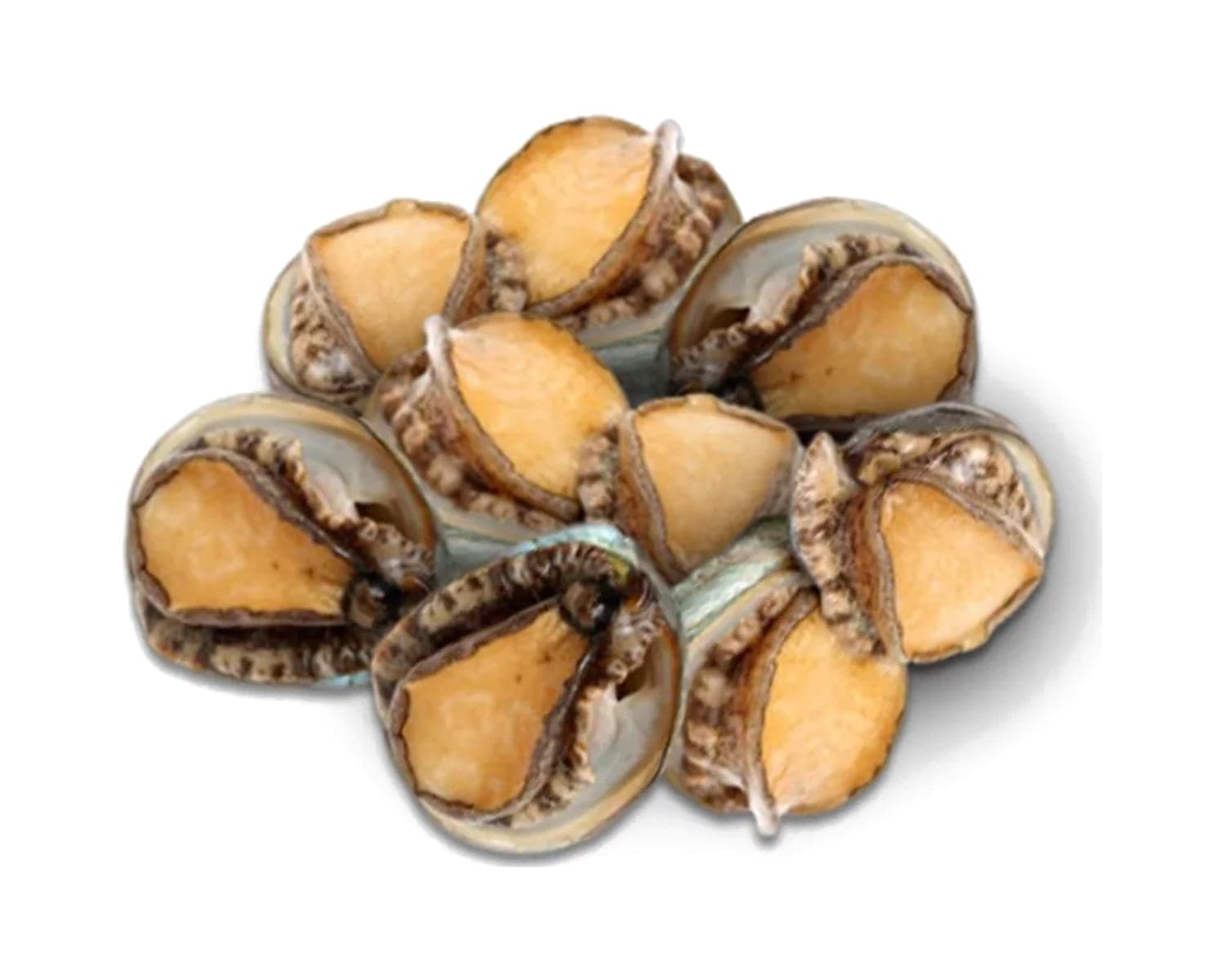
Farmed abalone in-shell, shucked or braised, sized per kilogram
Frozen
Buyer guides
Species Profiles6 min read
Grouper Species Explained: Orange-Spotted, Tiger, Giant and Hybrid Groupers
Grouper is a family name for well over a hundred reef fishes. Here are the few that dominate trade, how to tell them apart, where farmed supply comes from and how the live market shapes demand.
Read the guide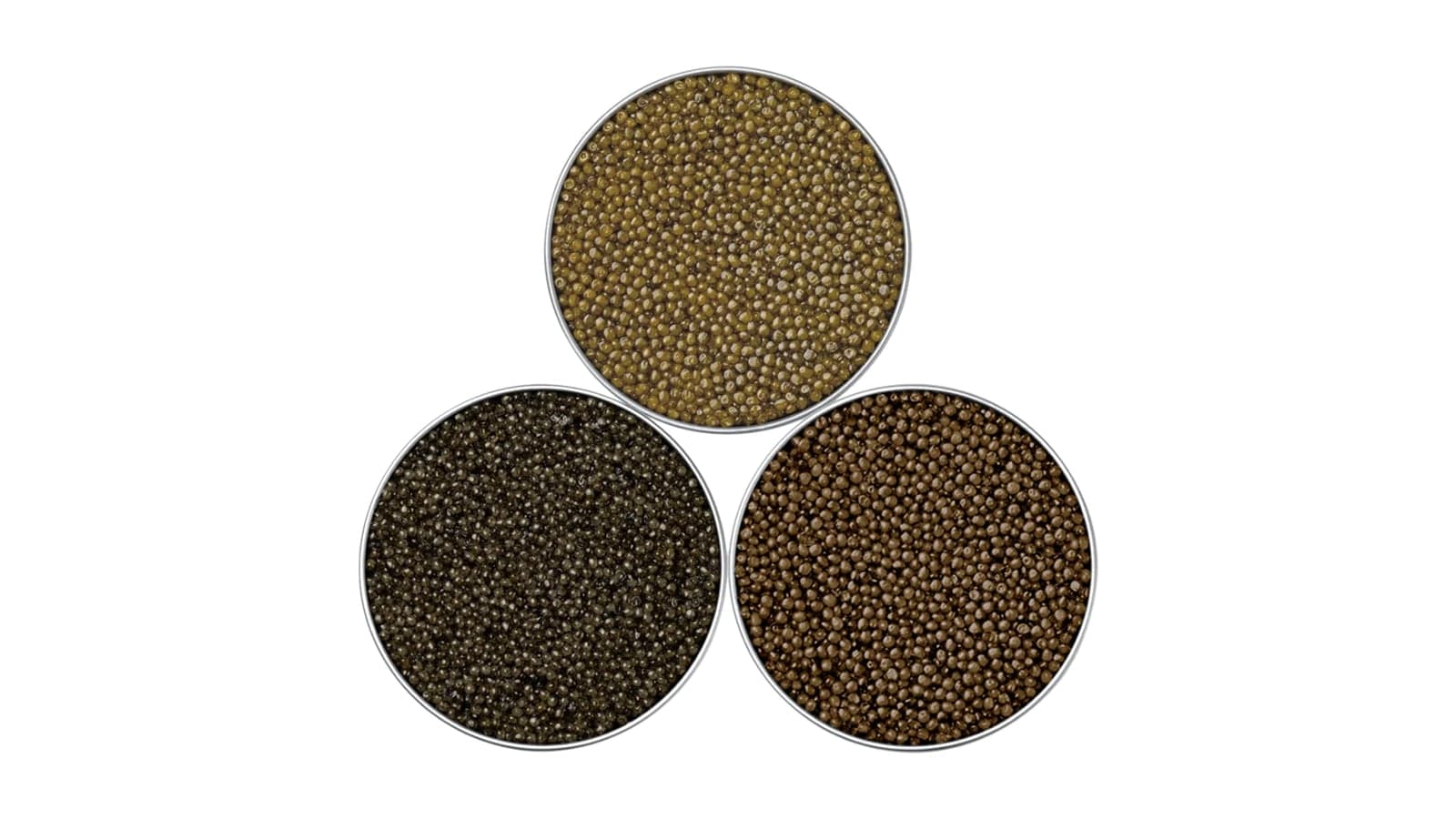
Buying Guide7 min read
Choosing Premium Seafood Ingredients for Restaurants and Retail
How chefs, foodservice buyers and brand owners match grade and format to the application, compare suppliers on cost per portion, and keep quality consistent across orders and channels.
Read the guide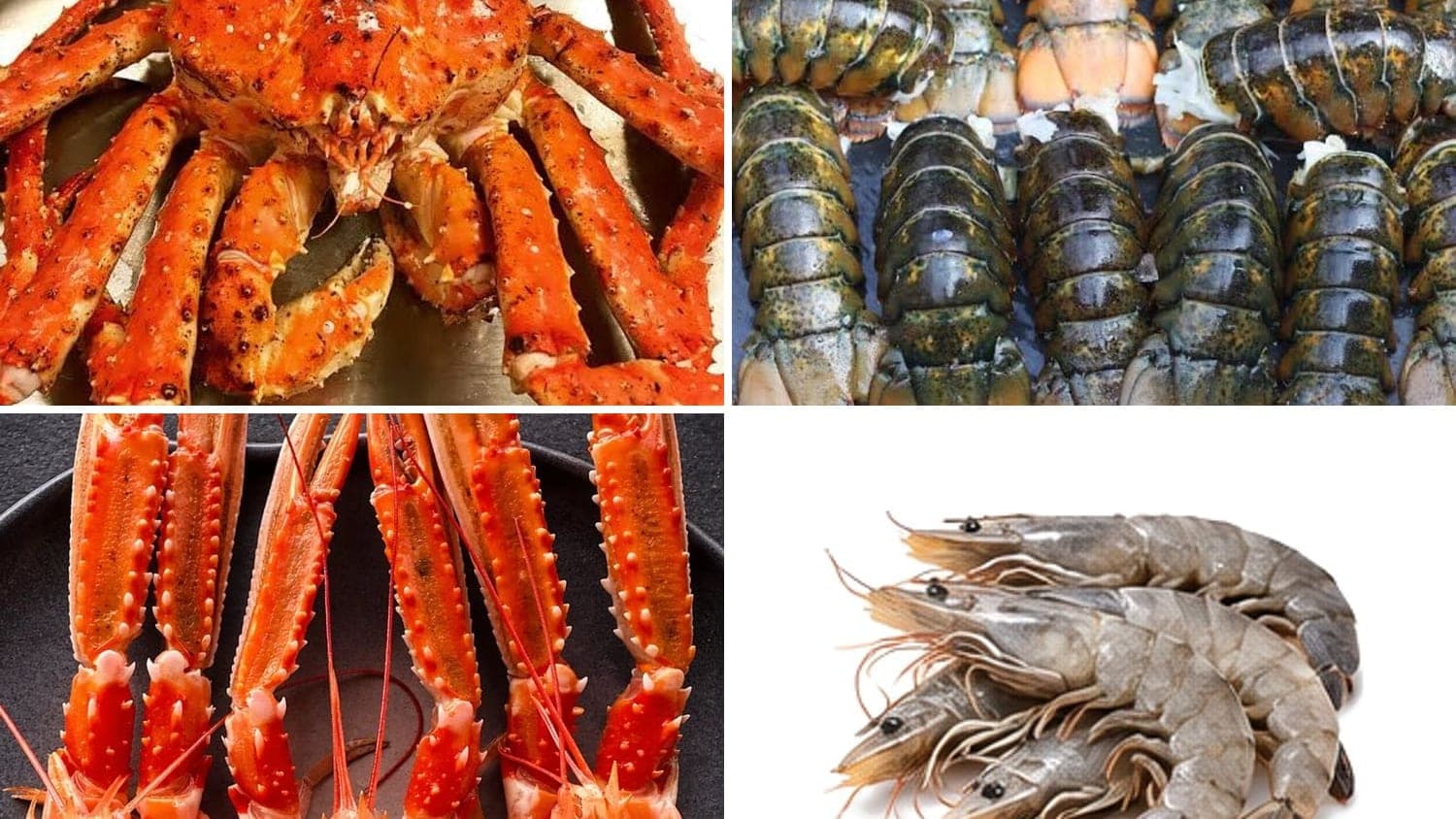
Import & Compliance8 min read
Shipping Seafood: Reefer Containers, Cold Chain and Incoterms
A logistics guide for seafood buyers: reefer and dry-container shipping, temperature records, air freight for chilled and live product, where Incoterms 2020 place cost and risk, and the evidence a claim needs.
Read the guide
Request a quote
Request a quote for frozen grouper
Share your target grade, packing, volume and destination. We confirm availability, documentation for your market and a formal quotation, usually within one business day.
- Grade, size or count required
- Packing format and labeling language
- Estimated volume and order frequency
- Destination port or airport and Incoterm
- Reference: Frozen Grouper