- Private-label packing
- Export documentation
Frozen Fish
Frozen Red Snapper: Whole, Gutted and Scaled, Fillets and Steaks
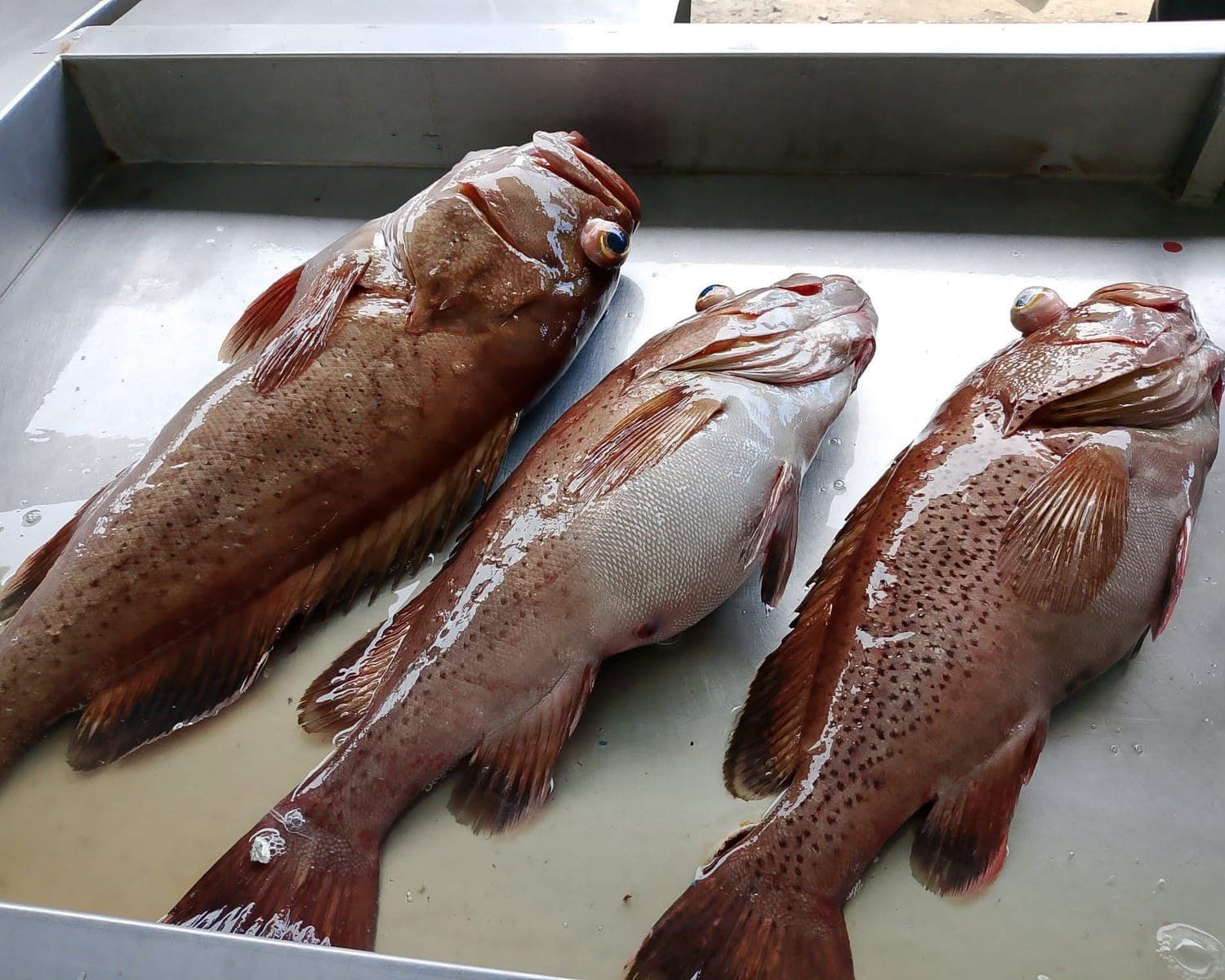
BSA Food Products supplies frozen red snapper from Asian Lutjanus species, wild-caught in the Indian Ocean and western Pacific or farmed in sea cages, as whole fish, gutted and scaled fish, skin-on fillets and steaks, with the scientific name declared on every lot.
- Lutjanus argentimaculatus, L. malabaricus and L. erythropterus
- Wild-caught or cage-farmed, declared on every lot
- Whole fish from 200 g plate size to 1.2 kg and up
- Skin-on scaled fillets that keep the red skin visible
- Bone-in steaks cut from larger fish
- Species name checked against your market’s labeling rules
Product Specifications
Indicative; confirmed per lot on each quotation.
- Origin
- Wild-caught in Indonesian, Thai, Vietnamese, Indian and other Indo-West Pacific waters, or cage-farmed in South-East Asia; species, fishing area or farm, and production method declared per lot.
- Grade / Size
- Whole fish by individual weight (e.g. 200–400 g, 400–600 g, 600–800 g, 800 g–1.2 kg, 1.2 kg up); fillets and steaks by weight band or pieces per kilogram.
- Form & Processing
- Whole round; gutted and scaled with gills out; skin-on fillets with scales removed; bone-in steaks from larger fish; IQF portions. Individually quick frozen and glazed, or block-frozen.
- Storage
- Store at -18 °C or colder with cartons closed, since light and air fade the red skin; thaw slowly in the chiller and cook within a day of thawing.
- MOQ
- One pallet per species and size makes a practical trial; snapper can be mixed with barramundi, grouper or other frozen fish in one container.
- Lead Time
- Typically 3–5 weeks, depending on landings for wild fish and on harvest schedules for farmed stock.
Product overview
In Asian trade, red snapper is a group of species rather than a single fish. The mangrove red snapper (Lutjanus argentimaculatus) is a coppery-red estuarine and reef fish and the species most often raised in sea cages; Malabar blood snapper (L. malabaricus) and crimson snapper (L. erythropterus) are deeper red, deep-bodied fish taken on the continental shelf by trawl, line and trap. Wild supply comes from Indonesia, Thailand, Vietnam, India and other Indo-West Pacific fisheries, and farmed mangrove red snapper from cage farms in South-East Asia. The Gulf of Mexico red snapper (L. campechanus) is an Atlantic species and is not part of this line. Because the species differ in color, shape, yield and value, each lot names its species, production method and fishing area or farm.
Whole snapper is graded by individual weight, typically 200–400 g, 400–600 g, 600–800 g, 800 g–1.2 kg and 1.2 kg and up. The smaller bands are bought for frying or steaming whole, one fish per plate, while fish above about 1 kg are better suited to fillets, steaks and centerpiece dishes. Fillets are cut skin-on with the scales removed, because the red skin is how shoppers and chefs recognize the fish, and are graded by weight band with pin bones in or out as specified. Steaks are cut across the body of larger fish, bone-in, for curries, grills and buffet trays.
Snapper for freezing should be chilled on ice as soon as it is caught or harvested, then cleaned and frozen quickly, either IQF with a protective glaze or in blocks. The checks that matter most are skin color, which should be bright and even rather than faded or patchy; gill color on whole fish; an intact belly with no signs of delayed gutting; scale loss and torn fins; and, on fillets, gaping, blood spots and any parasites visible on a light table. Red pigment in the skin fades with air, light and time, so well-glazed or vacuum-packed lots hold their appearance longer in cold storage.
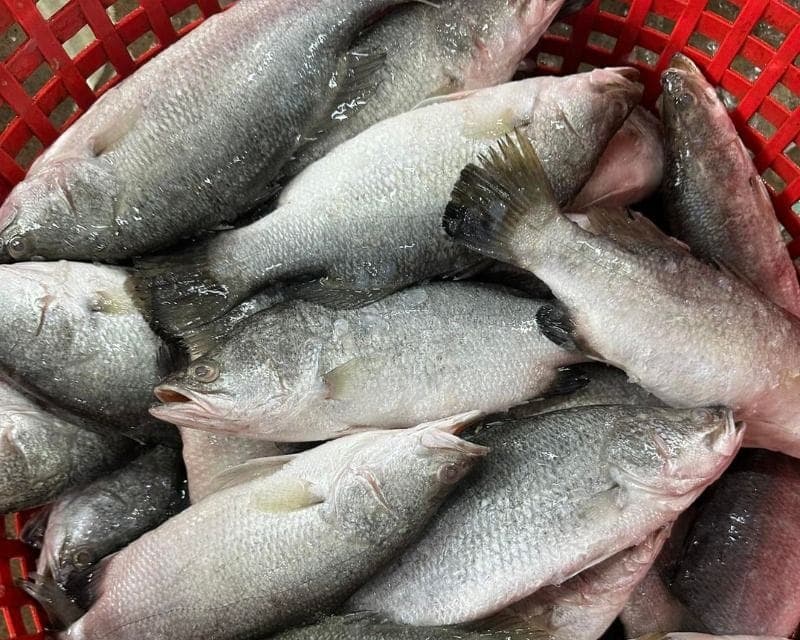
Red-skinned fish carry festive meaning on Chinese menus, and whole snapper is a fixture of banquet steaming as well as of the fried whole fish served in Caribbean, West African and Middle Eastern restaurants. Fillets and steaks go to Indian and South-East Asian curries, grills and retail freezer ranges. For buyers who want a white-fleshed fish with a milder look, frozen barramundi covers many of the same dishes, while frozen grouper serves the top of the banquet menu. Our export specialists can confirm which species name your market allows before you print packaging.
Specification sheet
Frozen Red Snapper: full specification
Indicative values. Final specifications are confirmed per lot on the quotation and certificate of analysis.
| Species | Lutjanus argentimaculatus, L. malabaricus, L. erythropterus; the species is named on each lot |
|---|---|
| Production | Snapper wild-caught by trawl, line or trap, or cage-farmed, stated per lot |
| Origin | Indonesia, Thailand, Vietnam, India and other Indo-West Pacific areas; FAO area or farm named |
| Whole fish size | 200–400 g, 400–600 g, 600–800 g, 800 g–1.2 kg, 1.2 kg up |
| Forms | Whole round, gutted and scaled, skin-on fillets, bone-in steaks, IQF portions |
| Skin color | Described for each snapper lot, with photographs available before you confirm |
| Glaze | Snapper glaze given as a percentage of gross weight; invoices show net fish weight |
| Shelf life | Frozen snapper generally 18–24 months under steady storage at -18 °C, per the packer’s date |
| Documents | Catch certificate for wild-caught snapper where the destination requires it, health certificate, certificate of origin, packing list |
| Minimum order | One pallet per species and size makes a practical trial; snapper can be mixed with barramundi, grouper or other frozen fish in one container. |
| Lead time | Typically 3–5 weeks, depending on landings for wild fish and on harvest schedules for farmed stock. |
FAQ
Frozen Red Snapper: questions from buyers
Can Asian snapper be sold as red snapper in the United States?
Not under that name. On the US FDA Seafood List, the market name red snapper belongs to Lutjanus campechanus alone, so Asian species such as L. argentimaculatus or L. malabaricus have to be sold as snapper or under another acceptable name for that species. Other markets apply their own lists of commercial names, and some are less strict, which is why the scientific name is printed on our invoices and we check the label name against your destination before packing.
Which red snapper species do you supply?
Our core species are mangrove red snapper (L. argentimaculatus), which is farmed as well as caught and has a coppery-red to bronze skin, and the wild-caught Malabar blood snapper (L. malabaricus) and crimson snapper (L. erythropterus), which are a deeper, more uniform red and have a taller, deeper body. Mixed-species lots are not offered as a single grade. If you need a particular look on the counter, ask for photographs of the lot before confirming.
Is your red snapper wild-caught or farmed?
Both are available, and the offer always says which. Wild fish come from trawl, line and trap fisheries and travel with the catch documentation your destination requires, including a catch certificate for the EU. Farmed mangrove red snapper comes from sea cages, has a more uniform size profile and can be supplied in steadier volumes, with residue testing arranged against your market’s limits.
How can I keep the red skin color of frozen snapper?
Color loss comes mainly from oxidation and light. A good glaze or vacuum pack, a steady temperature of -18 °C or colder, closed cartons in a dark cold store and reasonable stock rotation all help. Slow thawing in the chiller is the recommended method, as it keeps the skin and flesh in the best condition. Some fading over long storage is natural, so plan retail displays around the most recent production where you can.
Related
Related products
Frozen & Live Seafood
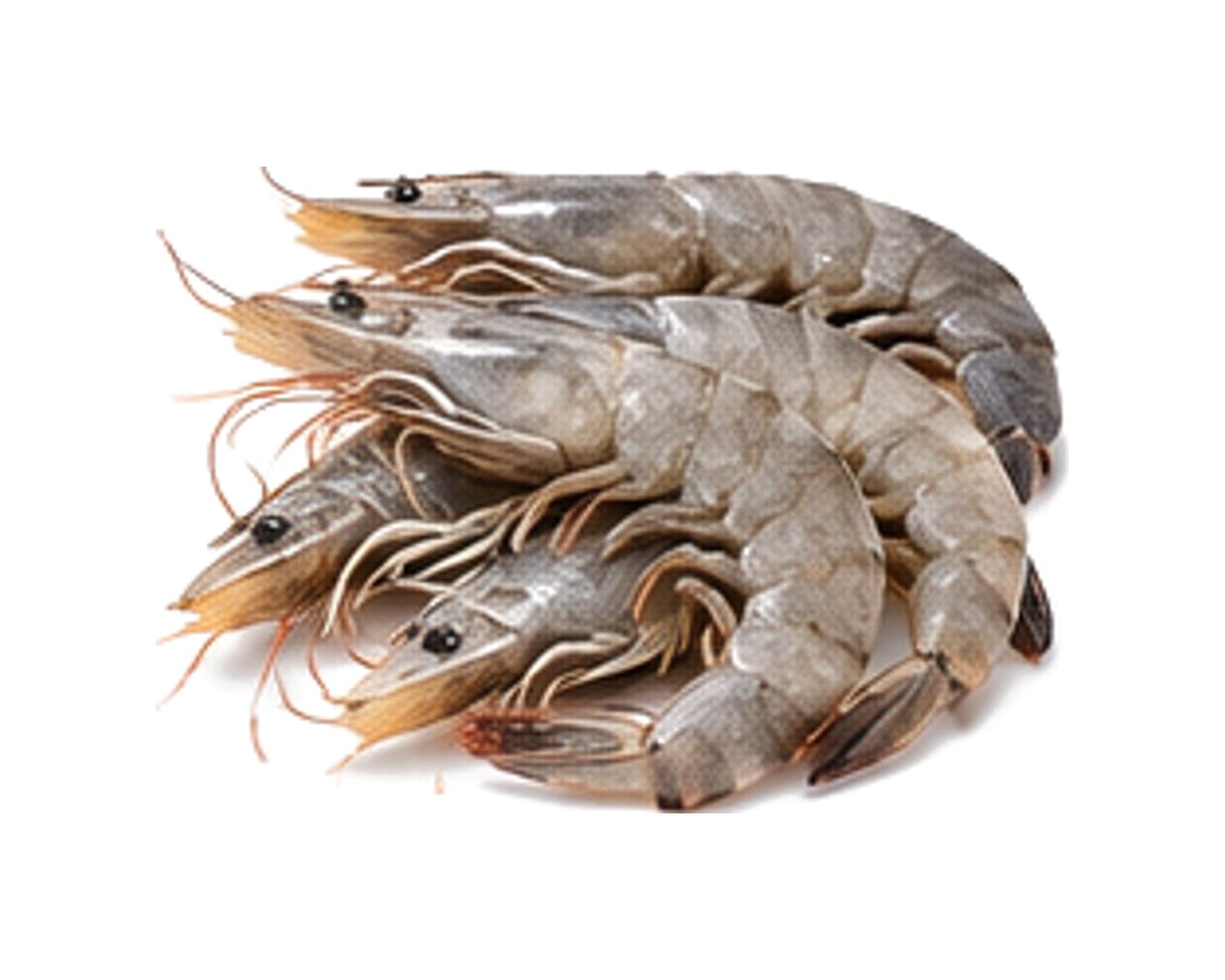
Large Shrimp and Prawns
Argentine red, black tiger and vannamei, by count per kg or lb
Frozen
Buyer guides
Species Profiles7 min read
What Is Red Snapper? The Lutjanus Species Behind the Name
Strictly, red snapper is one Atlantic fish; in practice the name covers a group of red Lutjanus snappers. This guide sorts out which species is which and where each one comes from.
Read the guide
Buying Guide7 min read
Choosing Premium Seafood Ingredients for Restaurants and Retail
How chefs, foodservice buyers and brand owners match grade and format to the application, compare suppliers on cost per portion, and keep quality consistent across orders and channels.
Read the guide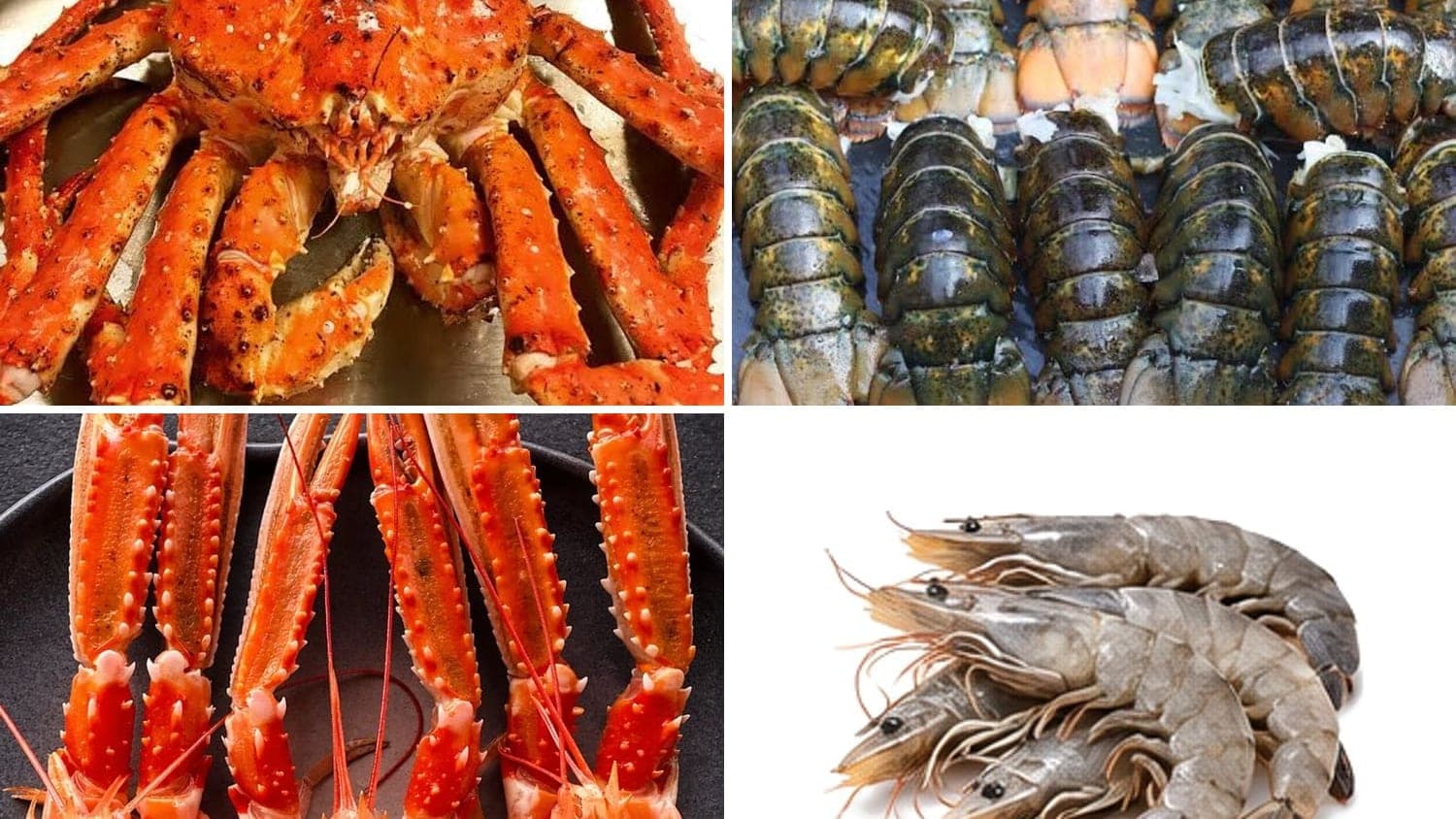
Import & Compliance8 min read
Shipping Seafood: Reefer Containers, Cold Chain and Incoterms
A logistics guide for seafood buyers: reefer and dry-container shipping, temperature records, air freight for chilled and live product, where Incoterms 2020 place cost and risk, and the evidence a claim needs.
Read the guide
Request a quote
Request a quote for frozen red snapper
Share your target grade, packing, volume and destination. We confirm availability, documentation for your market and a formal quotation, usually within one business day.
- Grade, size or count required
- Packing format and labeling language
- Estimated volume and order frequency
- Destination port or airport and Incoterm
- Reference: Frozen Red Snapper