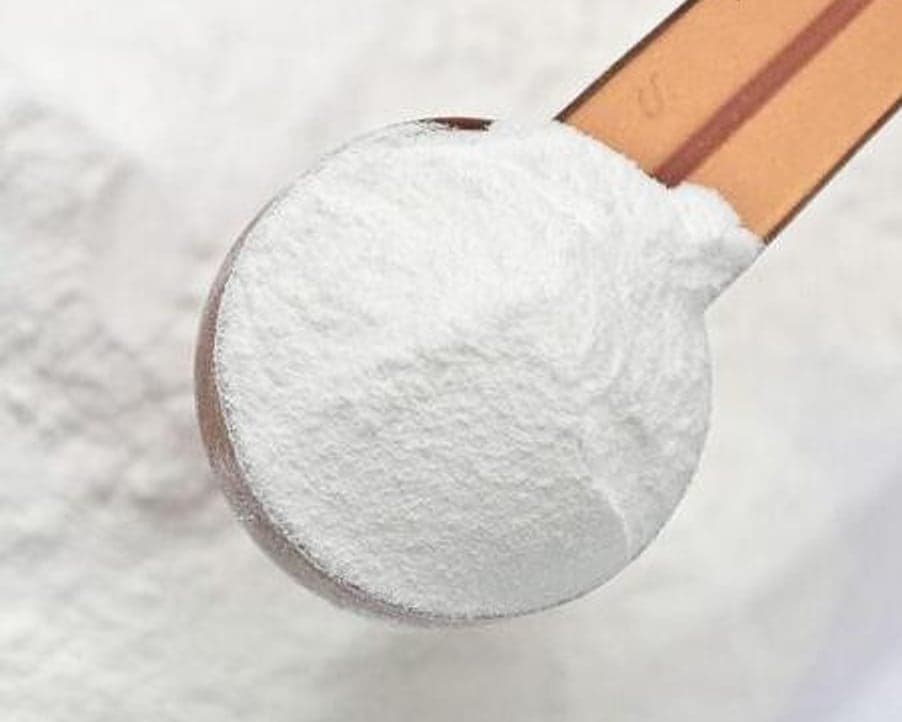
Marine Ingredients
Fish Collagen Raw Materials
Segregated skin and scale streams for peptide and hydrolysate plants
Frozen
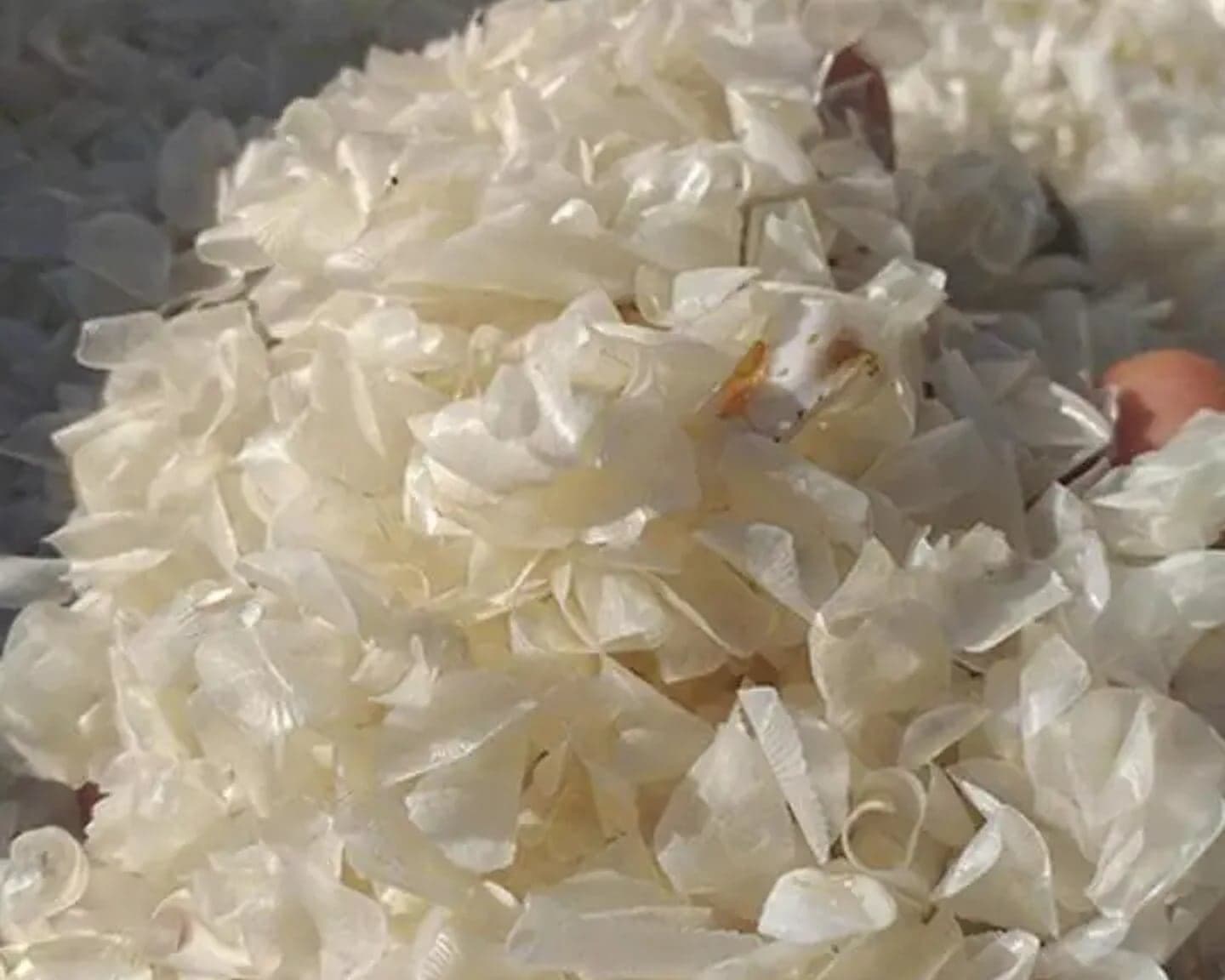
BSA Food Products supplies cleaned, dried fish scales to collagen and gelatin producers, declared by species and plant, with moisture, foreign matter and odor checked before each container is loaded.
Indicative; confirmed per lot on each quotation.
Scales are a compact, storable form of fish collagen raw material: once washed and dried they can be shipped at ambient temperature, which suits extractors located far from fish-processing regions. Structurally, a scale is a layered composite of collagen fibers and calcium-phosphate mineral (hydroxyapatite), and that mineral fraction is why scale processing differs from skin processing.
Most volume comes from farmed tilapia processed in southern China and South-East Asia, with carp and other species available in smaller quantities. Scales are collected from the descaling line, washed to remove mucus, blood and flesh, then sun- or machine-dried and sieved. Demineralization, which typically uses dilute acid to dissolve the mineral before extraction, is carried out by the processor rather than at source, and we supply the scale in its cleaned, dried state unless another arrangement is agreed.
Key parameters are moisture, foreign matter (skin fragments, fins, sand, plastics and other debris), odor and species purity, since mixed lots behave unpredictably in extraction. We check each lot against the agreed specification and can arrange a certificate of analysis covering moisture, ash and protein from a laboratory you accept. Our role as a marine collagen raw material supplier includes labeling freshwater species such as tilapia and carp accurately, so the processor can decide how to describe its finished product.
Processors working with skins as well as scales can combine streams from our fish collagen raw materials and fish gelatin raw materials programs. Uses, ingredient names and any statements made for the extracted collagen are for the processor to settle under its own regulatory framework.
Specification sheet
Indicative values. Final specifications are confirmed per lot on the quotation and certificate of analysis.
| Species | Tilapia (mainly); carp and others on request |
|---|---|
| Origin | Southern China and South-East Asia; plant declared |
| Form | Whole scales, washed, dried and sieved |
| Moisture | Typically ≤ 12% at packing, confirmed per lot |
| Foreign matter | Skin, fins, sand and plastics limited per specification |
| Odor / color | Clean, without putrid or ammonia notes; off-white to light gray |
| Analysis | Moisture, ash and protein by CoA on request |
| Shelf life | Typically 12–24 months in dry storage |
| Documents | Species declaration, CoA, origin certificate; health or veterinary certificate per designation |
| Minimum order | From 5 tonnes for trial loads; regular programs by the 20 ft or 40 ft container. |
| Lead time | 3–6 weeks, varying with tilapia processing volumes and drying weather at source. |
FAQ
Scales are normally shipped washed, dried and sieved but not demineralized, because demineralization conditions affect the quality of the collagen or gelatin extracted afterwards and most processors prefer to control that step themselves. If you require partially processed material, tell us the method and target ash level, and we will check whether a supplying plant can do it consistently and document it.
Moisture is typically 12% or below, confirmed on each lot. Above that, scales can heat in the sack, develop off-odors or grow mold during a long voyage, all of which affect extraction yield and color. We check moisture before packing and recommend sealed liners and a dry, ventilated container for shipments crossing humid regions.
We keep species separate. Tilapia scales differ from carp or marine-species scales in thickness, mineral content and extraction behavior, and mixed lots make it harder for processors to hold their own specification or to describe the source of the finished ingredient accurately. Where a buyer wants a blend, it is made up from separately documented single-species lots.
Each container travels with a commercial invoice, packing list, species and plant declaration and certificate of origin, plus a certificate of analysis where ordered. Whether a health certificate or an animal by-product document applies depends on how the plant handles the scales and on your country’s import rules; our export specialists confirm this before booking.
Related
Marine Ingredients
Segregated skin and scale streams for peptide and hydrolysate plants

Marine Ingredients
Skin, scale and bone streams for fish-gelatin production
Marine Ingredients
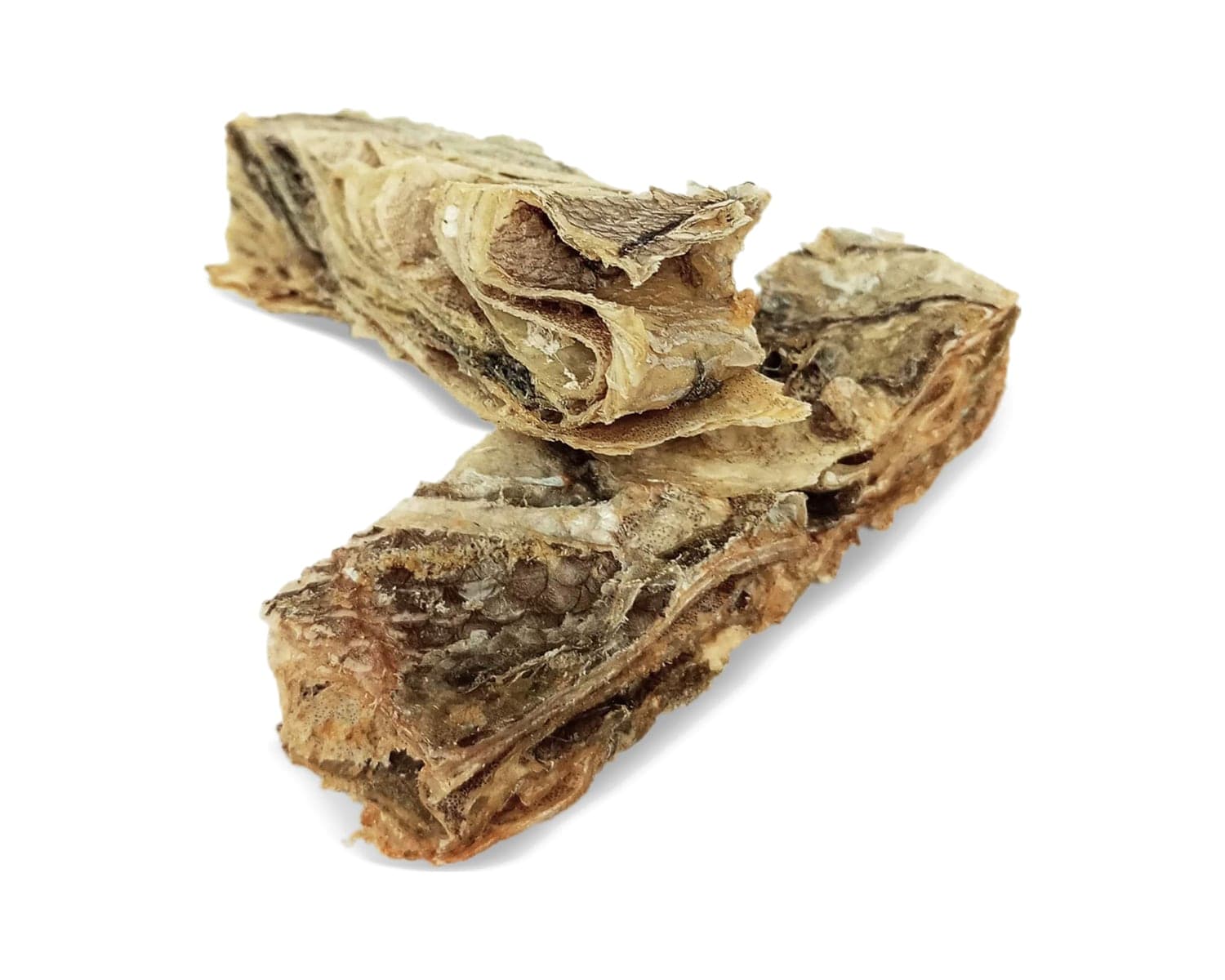
Descaled, trimmed skins for snacks, kitchens and extraction
Marine Ingredients
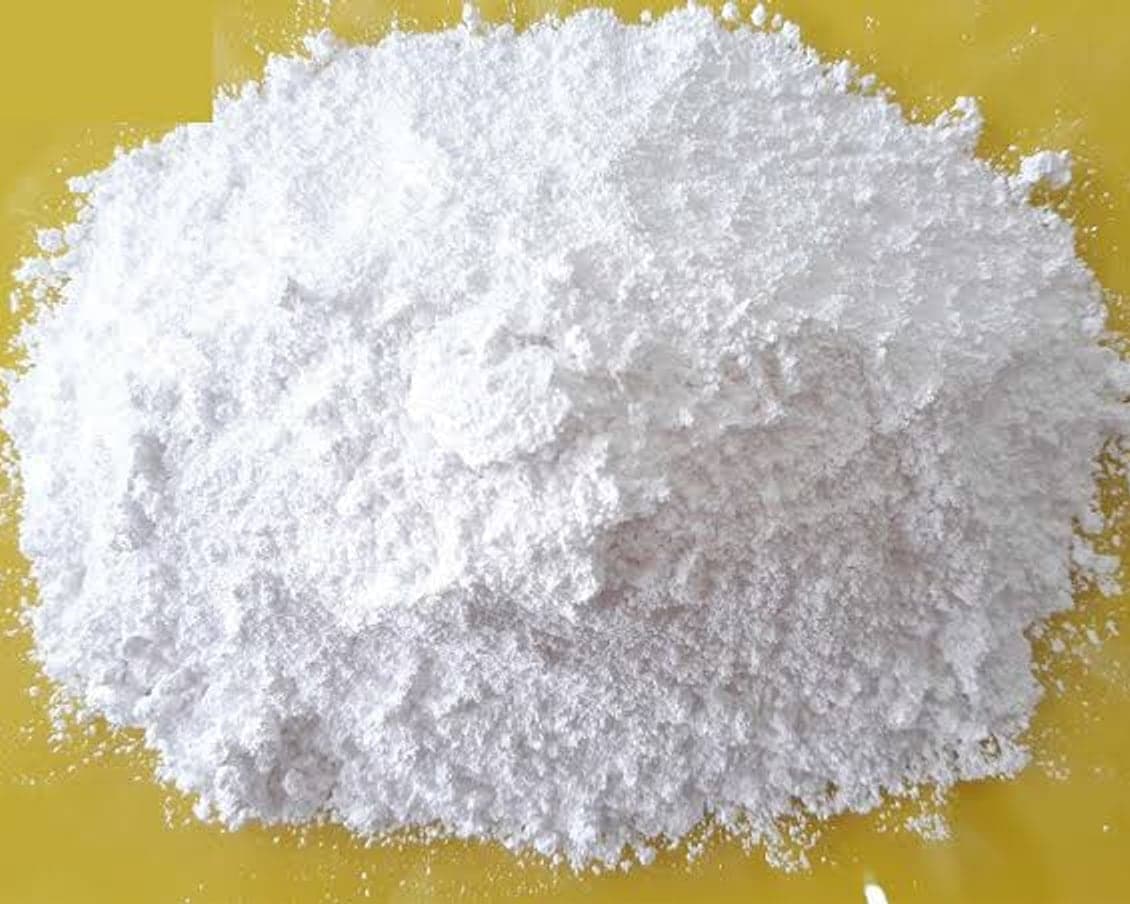
Frozen bones and milled bone powder for ingredient makers
Import & Compliance7 min read
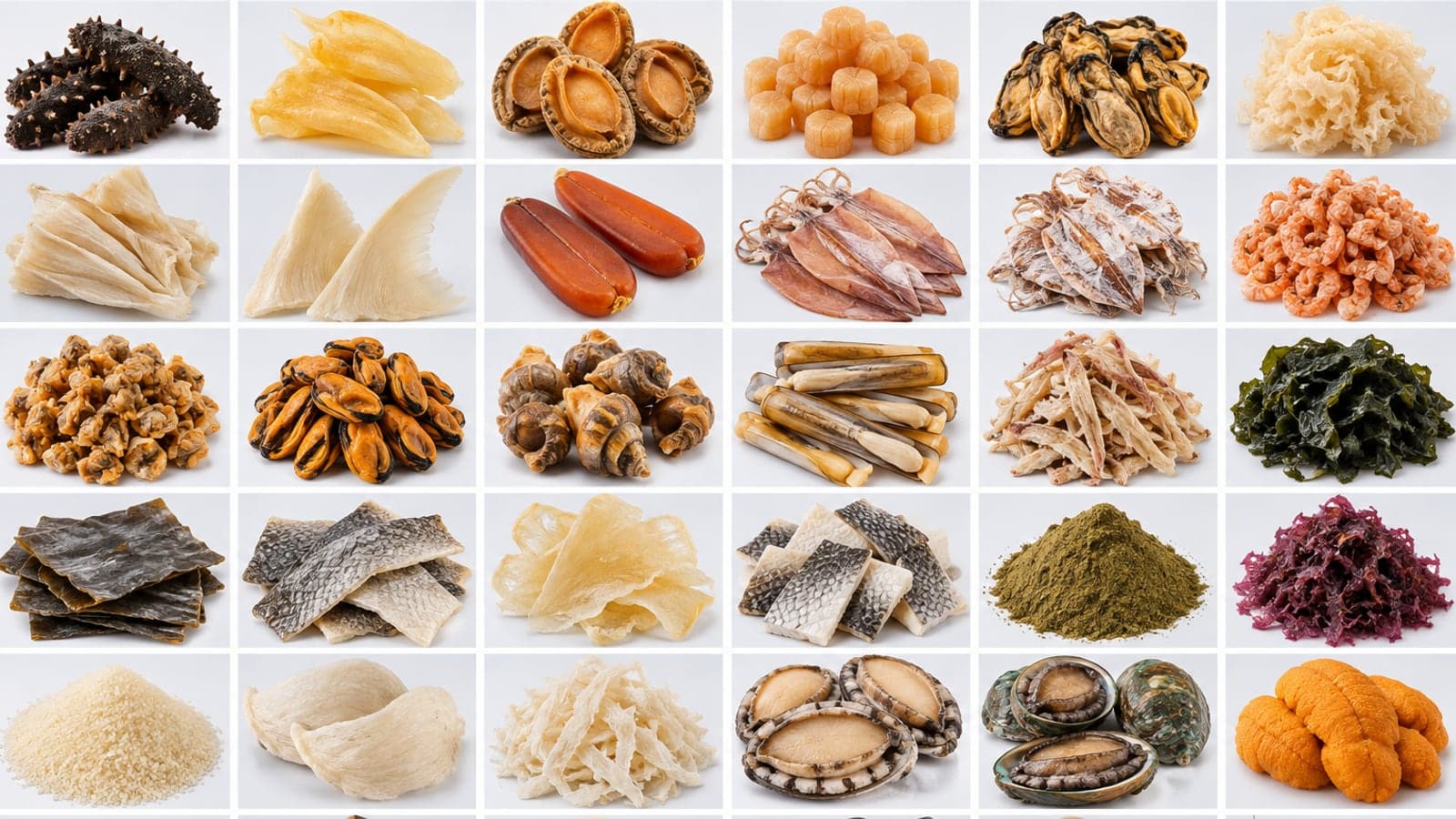
The market-access, species, documentation, classification and commercial checks an importer should complete before placing a first order for dried seafood.
Read the guide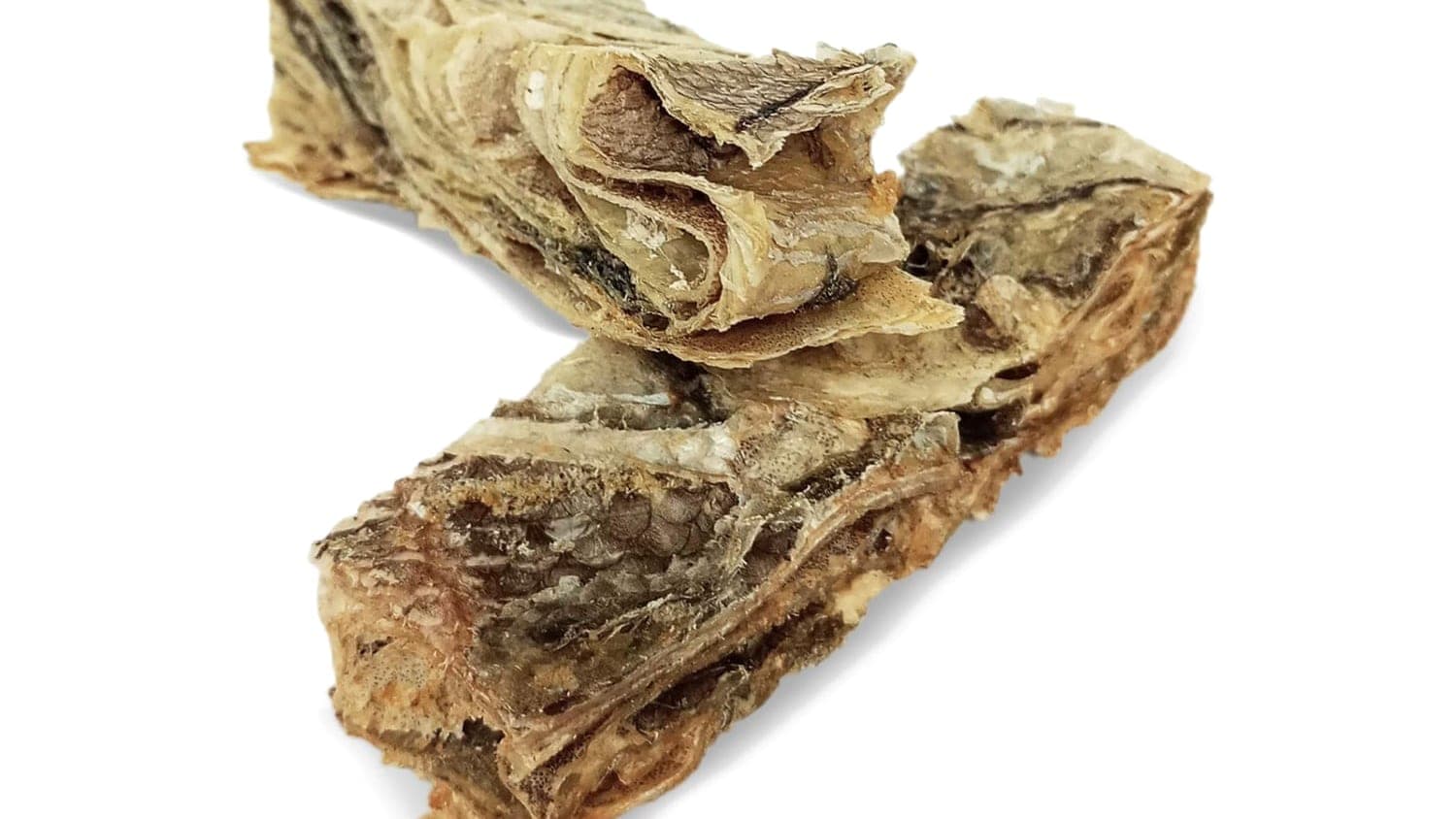
Buying Guide8 min read
A specification framework for fish skin, scales and bone bought as collagen, gelatin and calcium feedstock, from species declarations and handling forms to test parameters, stream designation and supplier qualification.
Read the guide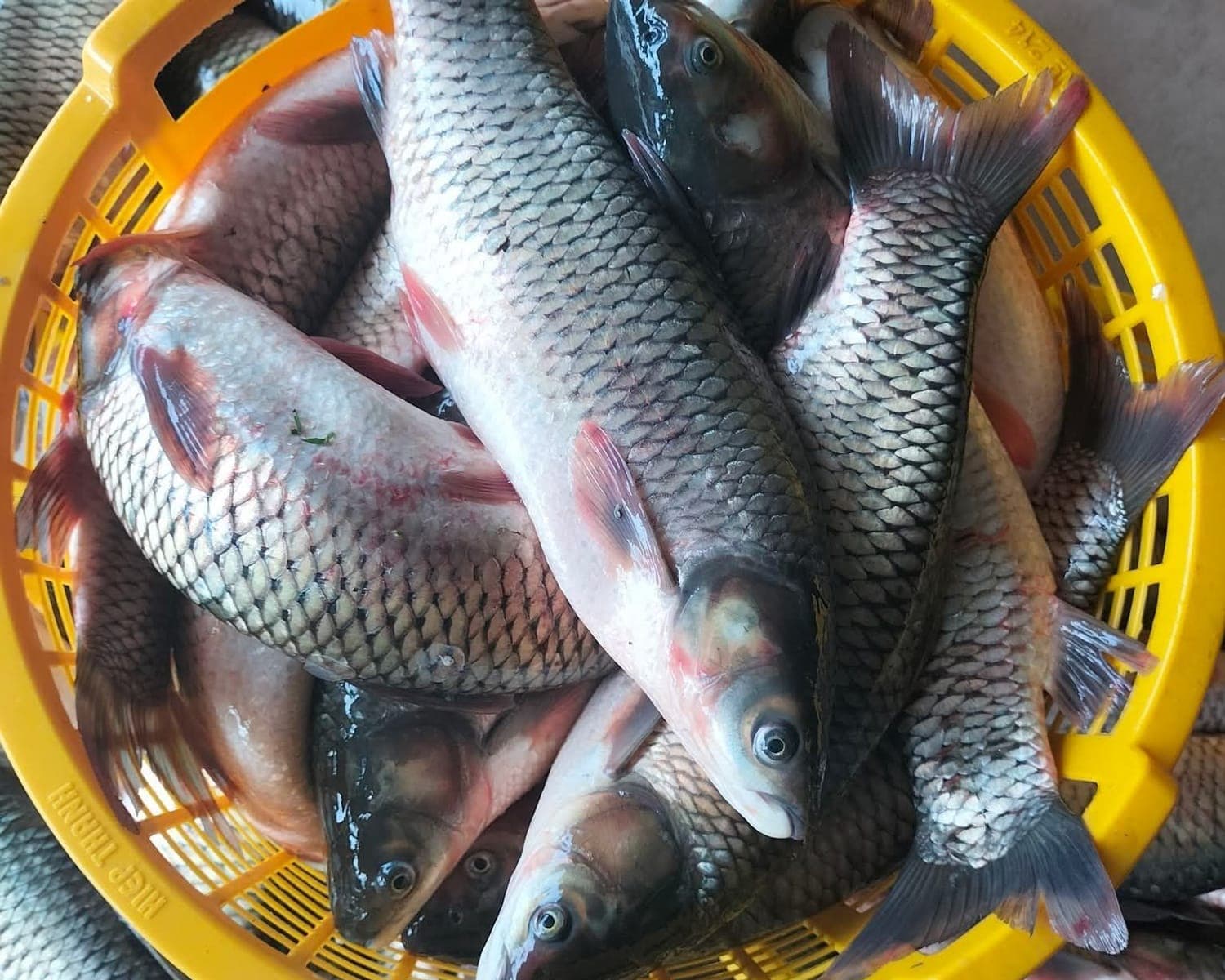
Species Profiles8 min read
Four farmed carps share a family name but differ in shape, diet, flesh and the dishes they are bought for. This guide shows how to tell them apart and where each one fits.
Read the guideRequest a quote
Share your target grade, packing, volume and destination. We confirm availability, documentation for your market and a formal quotation, usually within one business day.