
Marine Ingredients
Fish Bone Calcium Raw Material
Frozen bones and milled bone powder for ingredient makers
Dried
BSA Food Products supplies frozen heads, frames, trimmings and viscera from fish-processing plants to fishmeal, fish oil, pet food, fertilizer and hydrolysate producers, with each stream’s regulatory category declared before sale.
Indicative; confirmed per lot on each quotation.
Filleting leaves a significant part of each fish behind as heads, frames, trimmings and viscera, and those streams feed an established industrial sector. We collect them from processing plants by species and stream so that buyers receive material of predictable composition: frames and heads for meal, oil and hydrolysate, viscera for silage, fertilizer and oil recovery, and trimmings for pet food and protein recovery.
Several of these streams are not for human consumption. Unless an offer explicitly states that a stream is food-grade, such as salmon heads or frames handled as food for soup and stock, the material is supplied as an animal by-product under the category designation that applies at origin and destination, and it is packed and labeled accordingly. Viscera is offered for industrial use only.
Typical sources are salmon, whitefish, tuna, pangasius and tilapia processing, with streams kept apart because fat, ash and protein vary widely between species and between heads, frames and guts. Material is block-frozen at the plant, and before loading we check temperature history, foreign matter such as plastics, gloves and metal, stream purity and freshness. Composition data for fat, protein and ash can be supplied per lot where a buyer needs it to plan yields.
Buyers who need food-grade skin, scales or bone rather than industrial material should see our fish collagen raw materials and fish bone calcium pages, where handling as food is maintained from the fillet line. Pet food manufacturers should check with us which streams their regulator accepts before specifying a program.
Specification sheet
Indicative values. Final specifications are confirmed per lot on the quotation and certificate of analysis.
| Streams | Heads, frames, trimmings, viscera |
|---|---|
| Species | Salmon, cod, pollock, tuna, pangasius, tilapia; declared per lot |
| Designation | Animal by-product category under origin and destination rules, or food-grade where stated |
| Handling | Block frozen at source; held at −18 °C or colder |
| Composition | Fat, protein and ash on request per lot |
| Foreign matter | Plastics, gloves, metal and packaging excluded |
| Shelf life | Typically 6–12 months frozen, shorter for viscera and fatty streams |
| Packing | 15–25 kg frozen blocks; palletized reefer loads |
| Documents | Commercial and veterinary documents required for the designated category; origin certificate |
| Minimum order | Full 40 ft reefer containers as standard; mixed-stream containers by arrangement. |
| Lead time | 2–6 weeks, depending on stream, species and the supplying plant’s production schedule. |
FAQ
Only streams an offer explicitly names as food-grade, for example salmon heads or frames collected and frozen as food at an approved plant. Everything else, including all viscera, is supplied as an animal by-product that is not for human consumption, and it cannot be redirected into the food chain after sale. If you are unsure which applies, ask before ordering.
Categories depend on the rules of the origin and destination countries. In the EU, for example, fish by-products from plants producing food are usually classed as Category 3 material, which may be used for pet food, feed and fertilizers subject to conditions. Other markets use their own classifications, permits and registered-establishment lists, so we confirm the applicable designation for each destination.
Single-stream, single-species lots such as salmon heads only are our default because they give buyers predictable fat and protein for meal, oil or hydrolysate yields. Mixed streams can be loaded when a buyer’s process tolerates them, but each component is declared on the packing list. Salmon and whitefish heads and frames are the most regularly available, while viscera supply depends on plant arrangements.
Packaging carries the category or designation required by the applicable rules, a statement that the material is not for human consumption where that applies, and the plant, species, stream and production date. Some destinations prescribe exact wording or color coding, and we follow those instructions when they are confirmed before production begins.
Related
Marine Ingredients
Frozen bones and milled bone powder for ingredient makers

Marine Ingredients
Segregated skin and scale streams for peptide and hydrolysate plants

Marine Ingredients
Skin, scale and bone streams for fish-gelatin production
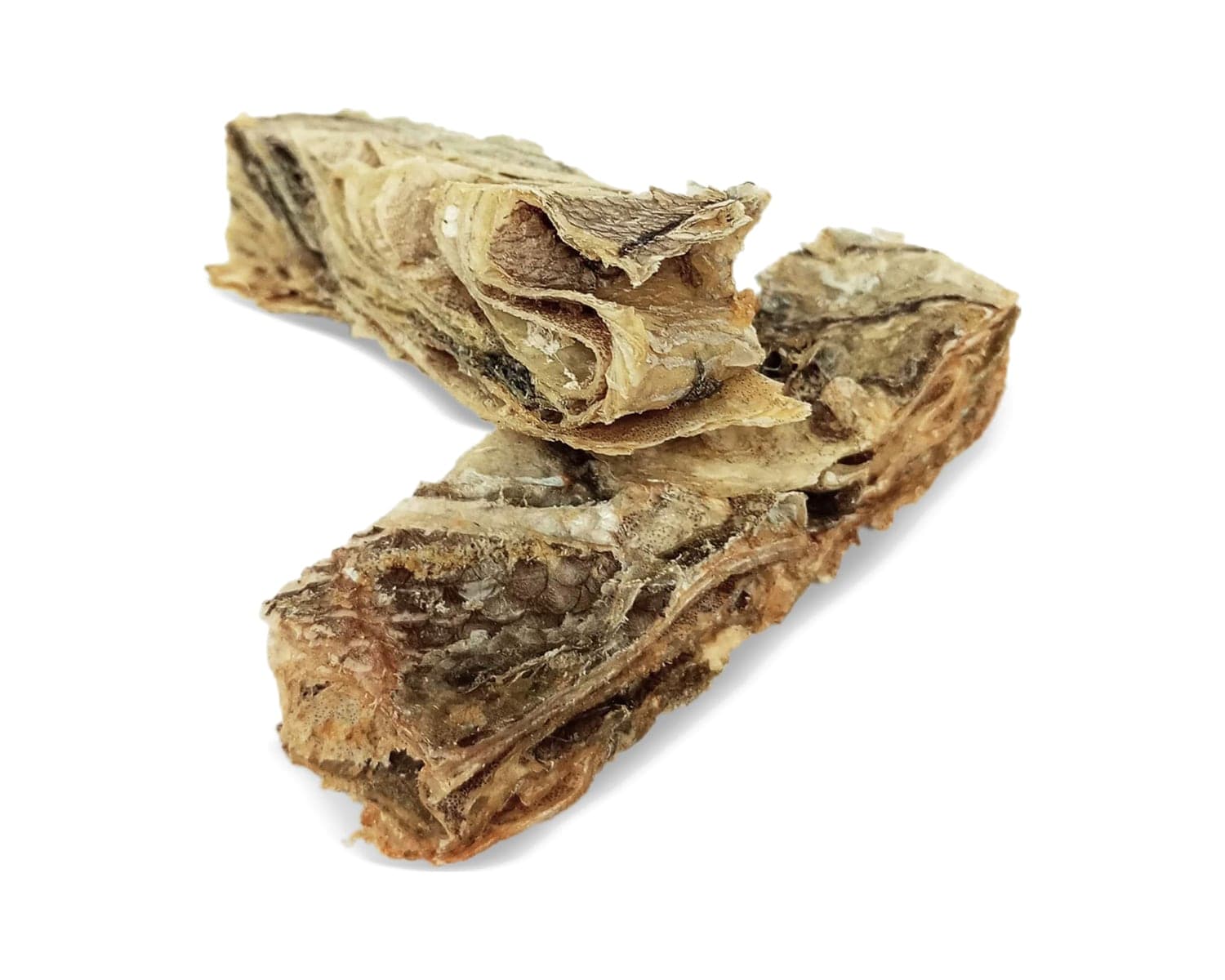
Marine Ingredients
Descaled, trimmed skins for snacks, kitchens and extraction
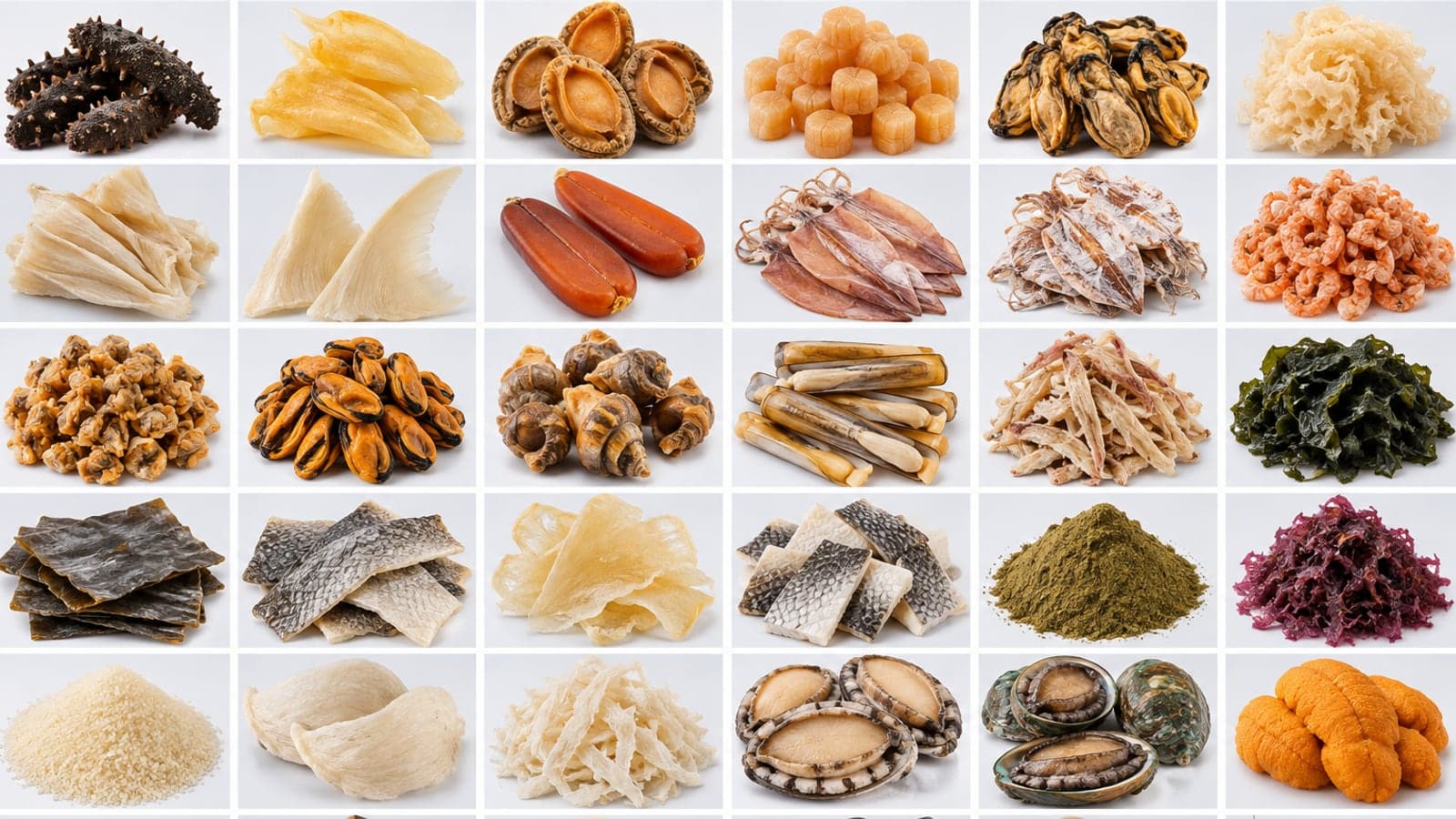
Import & Compliance7 min read
The market-access, species, documentation, classification and commercial checks an importer should complete before placing a first order for dried seafood.
Read the guide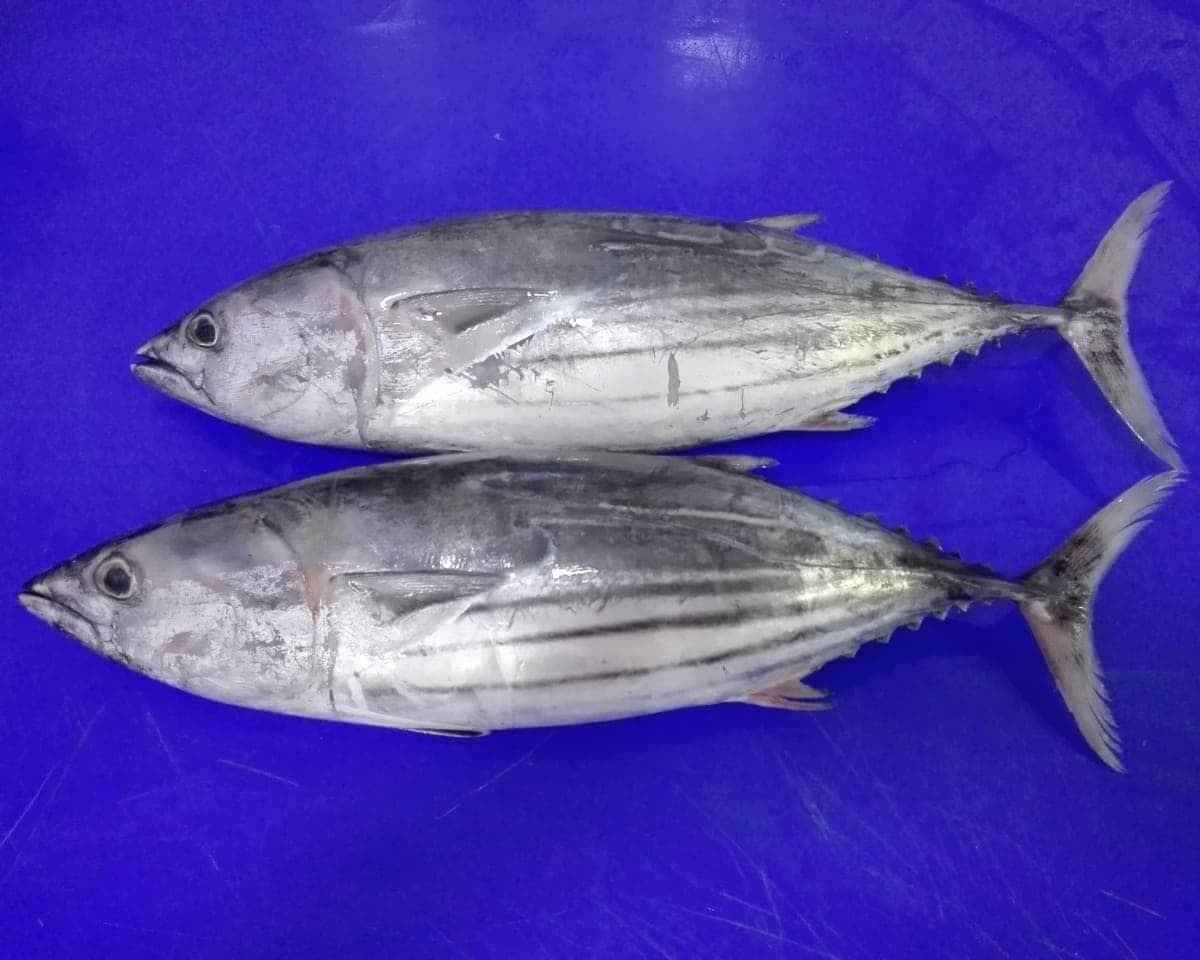
Species Profiles8 min read
A profile of the tuna landed in the largest volumes: how to recognize skipjack, what it is called from Tokyo to Malé, how it is fished, and why most of it ends up canned or dried.
Read the guideRequest a quote
Share your target grade, packing, volume and destination. We confirm availability, documentation for your market and a formal quotation, usually within one business day.