Milkfish, Chanos chanos, is a silvery, fork-tailed fish of warm coastal seas that has been farmed in brackish ponds in South-East Asia for centuries. It is bangus in the Philippines, where it is often described as the national fish, bandeng in Indonesia and sabahi in Taiwan, and in all three it is an everyday fish with a place in festive cooking too. Abroad, it follows Filipino, Indonesian and Taiwanese communities to supermarkets and restaurants across the Middle East, North America and beyond.
Milkfish is also famously bony, and that one fact explains much of how it is cut, sold and cooked. This profile covers the fish’s biology and look-alikes, how it is farmed, its names by market, the forms it is traded in and the dishes kitchens make with it. Sizes, cuts and origins for our own supply are on the frozen milkfish product page.
Key takeaways
- Milkfish, Chanos chanos, is the only species in its family: a silvery, toothless, fork-tailed fish of warm coastal seas.
- It has been pond-farmed for centuries in the Philippines, Indonesia and Taiwan, from wild-caught or hatchery fry.
- Its many fine intermuscular bones explain the value of hand-deboned butterfly fillets, belly cuts and soft-boned products.
- Watch belly fat for rancidity, check pond fish for earthy taste, and keep the cold chain tight from harvest onward.
What milkfish is
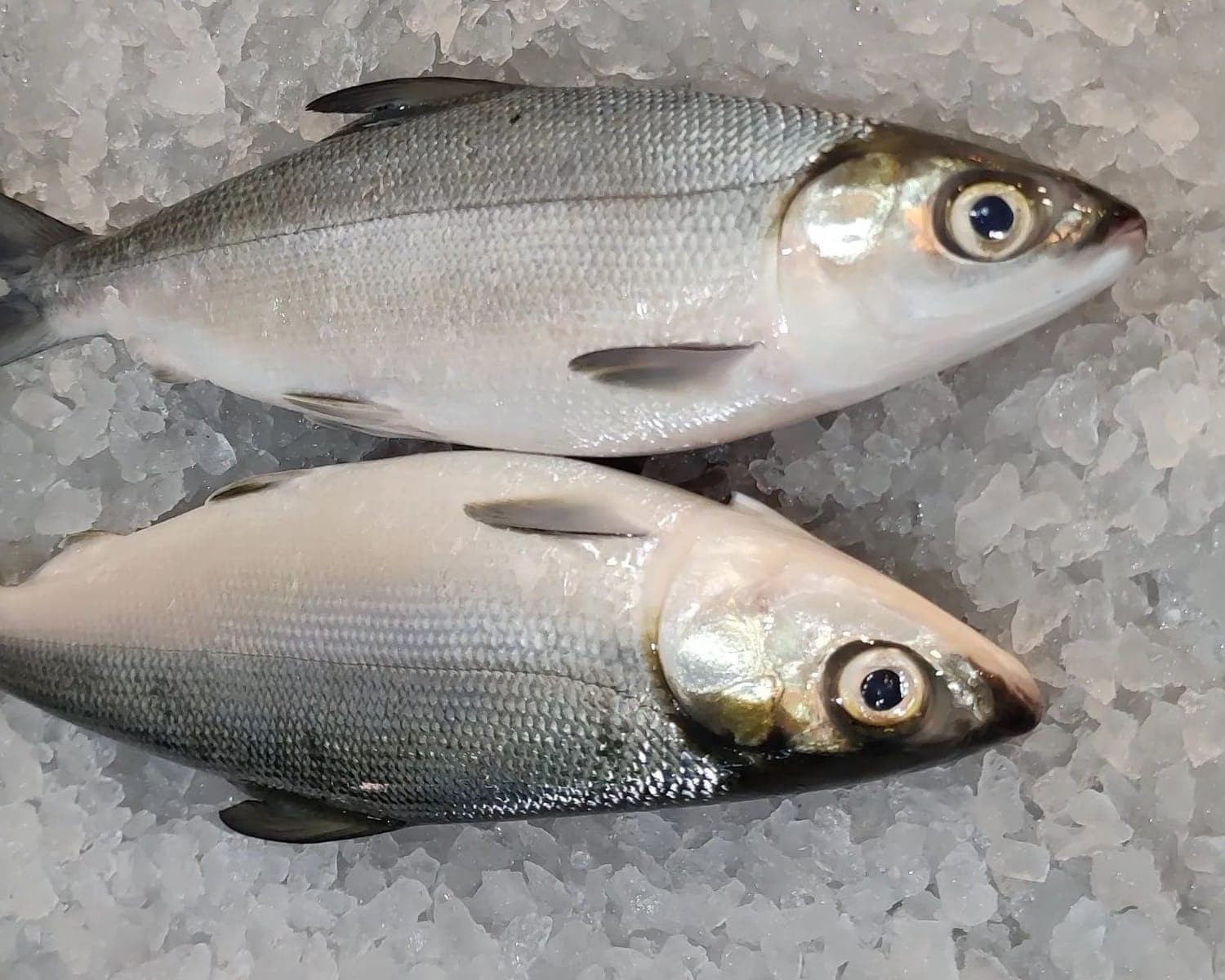
Milkfish is the only living species in its family, Chanidae. Its order, Gonorynchiformes, sits in the same large branch of the fish tree as the carps and catfishes, though milkfish itself lives mainly in the sea. The body is long, streamlined and moderately compressed, olive green on the back and bright silver on the flanks, with a single dorsal fin, dark-edged fins and a large, deeply forked tail. The mouth is small and has no teeth, which suits a fish that grazes rather than hunts.
In the wild, milkfish feed on blue-green algae, soft algae and small invertebrates living on the bottom. They commonly reach about 1 m, have been recorded at up to 1.8 m, and can live for 15 years. Farms harvest them very much smaller, usually at 20 to 40 cm and roughly 250 to 500 g, with some grown on to larger sizes for belly cuts and the restaurant trade.
The bones are what buyers ask about first. Besides the main skeleton, milkfish carries a large number of fine intermuscular bones set in the muscle, which ordinary filleting cannot remove. FAO’s fact sheet notes that younger consumers in producing countries tend to avoid the fish for this reason, which is why deboned products have grown so important.
How to tell milkfish from mullet and other look-alikes
Whole milkfish is most often confused with gray mullet, another silvery, algae-grazing fish of the same coastal waters (see our gray mullet species guide). A few features separate them at once:
| Feature | Milkfish | Gray mullet |
|---|---|---|
| Scientific name | Chanos chanos | Mugil cephalus |
| Family | Chanidae, with no other living species | Mugilidae, the mullets |
| Dorsal fin | One dorsal fin, mostly soft-rayed, near the middle of the back | Two separate dorsal fins, the first short and spiny |
| Mouth | Small and toothless | Small, with rows of tiny teeth on thin lips |
| Head and body | Pointed head on a streamlined, slightly compressed body | Broad head flattened on top, on a stout, near-cylindrical body |
Boneless milkfish is easy to recognize once frozen: it is opened flat like a butterfly along the back, with silver skin on one side and, usually, the head and tail still attached.
Where milkfish lives and how it is farmed
Milkfish ranges through the tropical and warm subtropical Indian and Pacific Oceans, from the Red Sea and South Africa to Hawaii and the Marquesas, and along the eastern Pacific from California to the Galápagos. Adults school near coasts and islands and spawn at night in clear, shallow, fully saline water over sand or coral, the timing linked to the moon. A female can release millions of eggs, the larvae drift in the open sea for two to three weeks, and the young then move into mangroves, estuaries and coastal lagoons.
That inshore migration is what made milkfish farming possible. For centuries, fry gatherers have netted the tiny young, only 10 to 17 mm long, along beaches and river mouths with fine-mesh seines and bag nets, and sold them to pond farmers. FAO dates milkfish farming in Indonesia, Taiwan and the Philippines to about four to six centuries ago. Hatcheries now produce fry as well, alongside wild collection.
Fish are grown out in three main systems. Brackish ponds along the coast, shallow or deep, are the traditional method, and pond-raised milkfish can carry an algal or earthy taste. Pens, fenced enclosures in lakes and shallow bays, have been used in the Philippines since 1979. Cages in coastal bays produce fish raised in open seawater. The Philippines, Indonesia and Taiwan are the main producers, with smaller farming in the Pacific islands and elsewhere; in Hawaii the fish, known as awa, was raised in traditional coastal fishponds.
Tropical farms harvest year-round, while in Taiwan, near the cool edge of the farming range, winter water temperatures shorten the growing season. Demand rises before major holidays in the main consuming communities, and because deboning is done by hand, boneless product takes longer to secure at those times.
Milkfish names by market
| Market or language | Name | Notes |
|---|---|---|
| International English | Milkfish | Used by FAO and on most export labels |
| Philippines | Bangus | Also used for cuts: “boneless bangus”, “bangus belly” |
| Indonesia | Bandeng | Also in dish names such as bandeng presto |
| Taiwan | 虱目魚 (shīmù yú); sabahi in Taiwanese | The fish of Tainan’s milkfish belly congee |
| Hawaii | Awa | Historically raised in coastal fishponds |
| French | Chano | The FAO French name; poisson-lait is used in French Polynesia |
Whatever local name is used on the front of the pack, most importing markets also expect the scientific name Chanos chanos on the label or the commercial documents, along with the production method and the country of origin.
Milkfish market forms, from whole fish to boneless bangus
In producing countries most milkfish is sold fresh or chilled, whole, at wet markets. Export trade, as FAO describes it, spans quick-frozen, dried, canned, smoked and marinated products. The list below covers the species’ trade as a whole; our own range is shown on the product page.
- Whole round or gutted, fresh or frozen, for grilling, stews and soups where diners pick out the bones themselves.
- Boneless butterfly, split down the back, opened flat and deboned by hand with tweezers; the main export product for frying and grilling.
- Belly, the fatty belly flap trimmed from the fish; the richest and most prized cut, with few bones.
- Marinated boneless, most famously daing na bangus in vinegar, garlic and pepper; similar ready-to-cook lines fall under marinated seafood.
- Smoked (tinapa in the Philippines), either whole or boneless.
- Dried and salted, split fish dried in the sun.
- Canned and soft-boned, cooked under pressure until the fine bones soften enough to eat.
- Fish balls and minced products, which sidestep the bone problem entirely.
Hand deboning is skilled and slow, so its cost depends on labor rather than on the fish. Buyers comparing boneless offers should agree how many residual bones are acceptable per fish, as the product page explains.
How kitchens cook milkfish
Milkfish has a mild, slightly sweet taste and soft white flesh, with a rich, fatty belly that many diners consider the best part. Because the flesh is delicate and the bones fine, cooks favor methods that either keep the fish whole or start from boneless product.
- Philippines: daing na bangus, the marinated boneless fish fried crisp for breakfast; sinigang na bangus, in a sour tamarind broth; paksiw, simmered in vinegar; inihaw, grilled whole and stuffed with tomato and onion; and rellenong bangus, the flesh scooped out, mixed with vegetables and stuffed back into the skin.
- Indonesia: bandeng presto, pressure-cooked until the bones soften, a specialty of Semarang; otak-otak bandeng, a fish cake of spiced milkfish paste; and pindang bandeng, simmered in a spiced, tangy broth.
- Taiwan: milkfish belly congee for breakfast in Tainan, pan-fried belly, and milkfish ball soup.
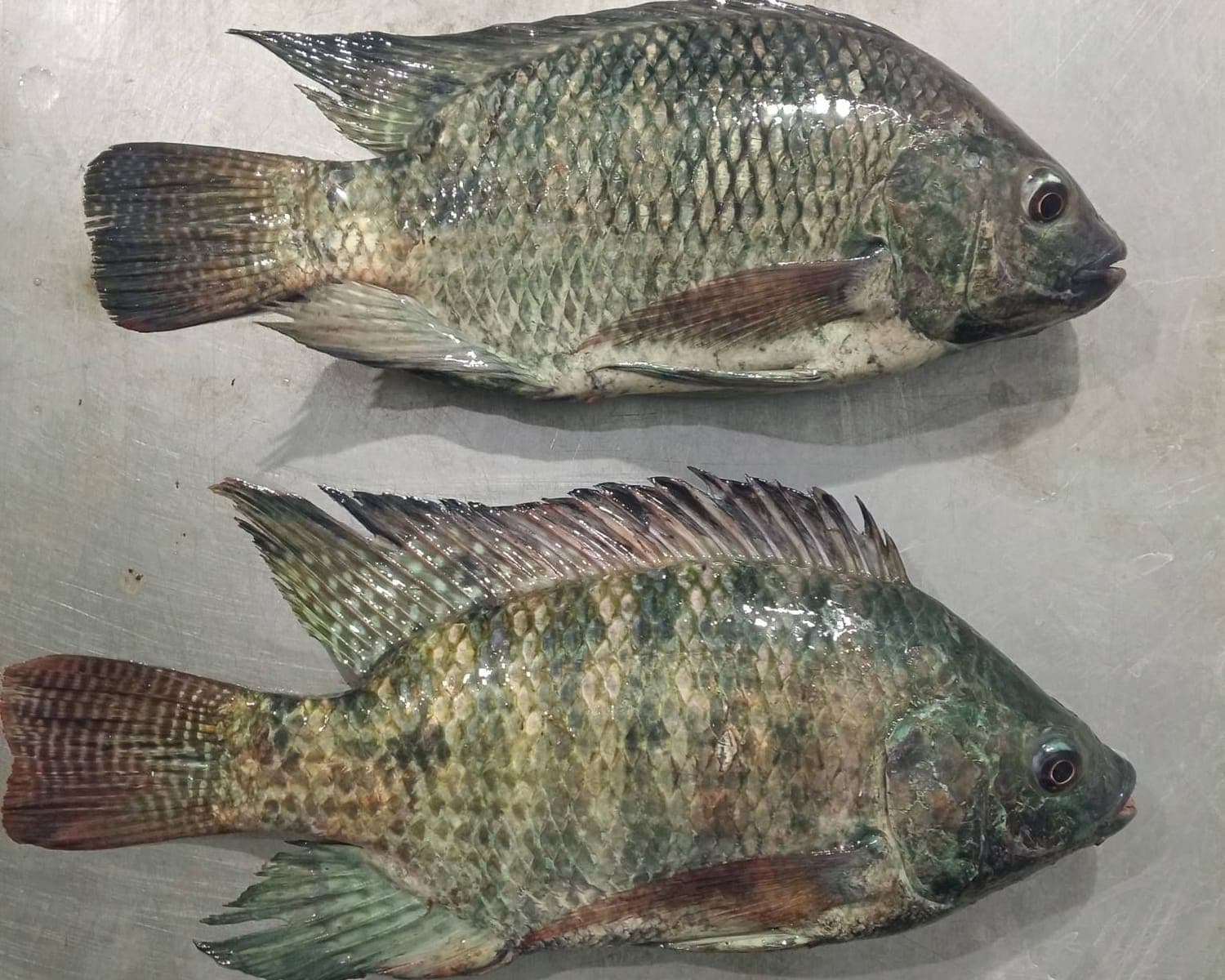
Outside those cuisines, boneless milkfish works much like any oily fish fillet: grilled, pan-fried skin side down or baked with citrus and herbs. Shops building a range for Filipino and Indonesian shoppers often stock it alongside tilapia and pangasius, and our guide to choosing seafood for restaurants and retail covers how to test a new supplier against an existing line.
Milkfish quality signs and handling
Fresh whole milkfish should have bright silver scales that stay attached, clear eyes, red gills and a firm, intact belly; a soft or burst belly usually means the fish was held too long before gutting or chilling. Because the belly is oily, frozen product is judged by its fat: white to cream is good, while yellow fat, a rancid smell or dry, pale patches of freezer burn mean the fish has been stored too warm or too long. A cooked sample also shows whether pond fish carry an earthy taste.
Milkfish can form histamine if fish sit warm between harvest and freezing, so fast icing at the pond matters, and some buyers add histamine testing to residue checks. Rules on labeling, testing and plant eligibility vary between importing countries and change over time; your customs broker or the destination authority can confirm the current set. For a priced offer on a particular cut and pack, contact our sales desk.
This guide is general trade information, not legal or regulatory advice. Requirements differ by market and change over time; confirm current rules with your customs broker or competent authority before ordering.