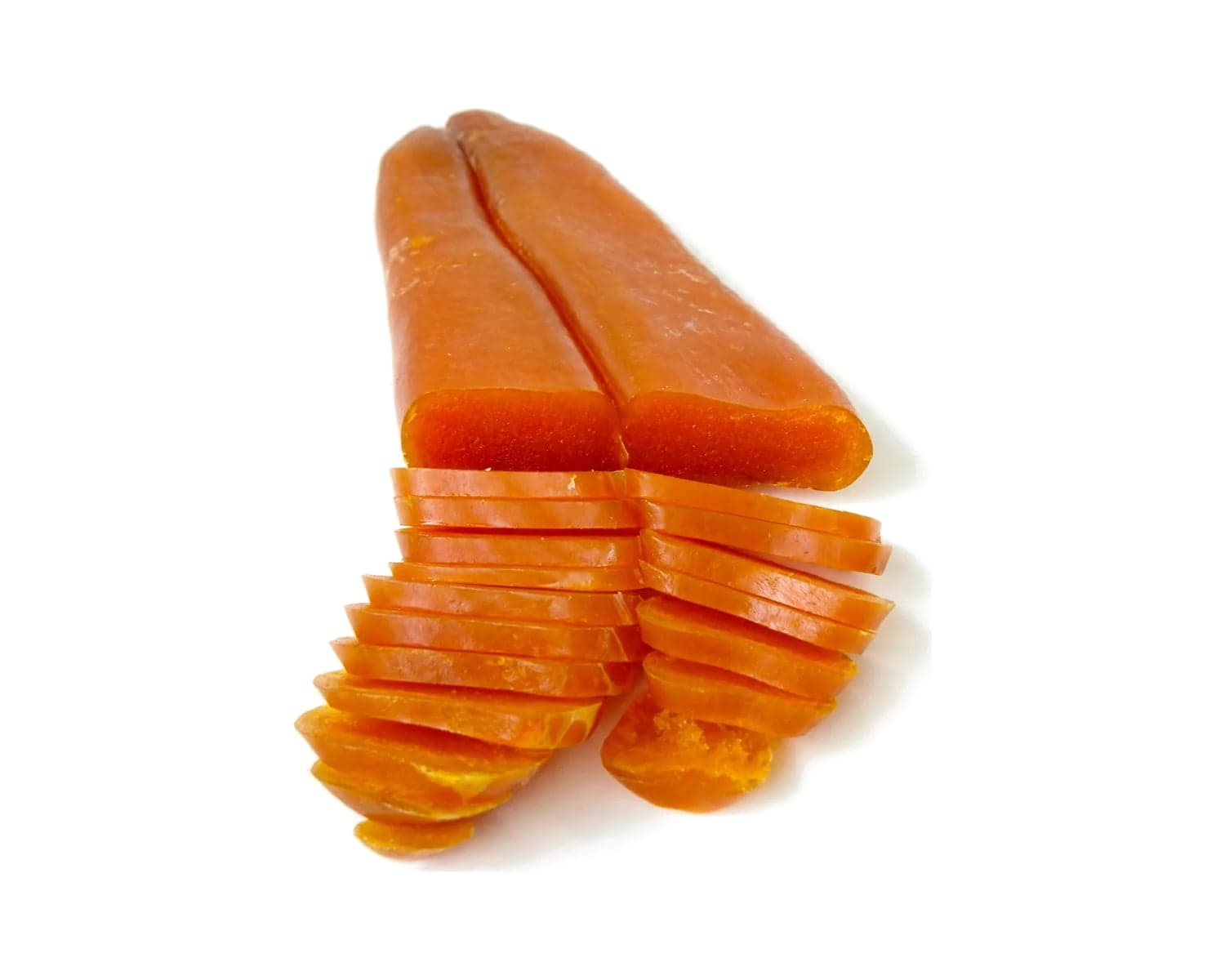
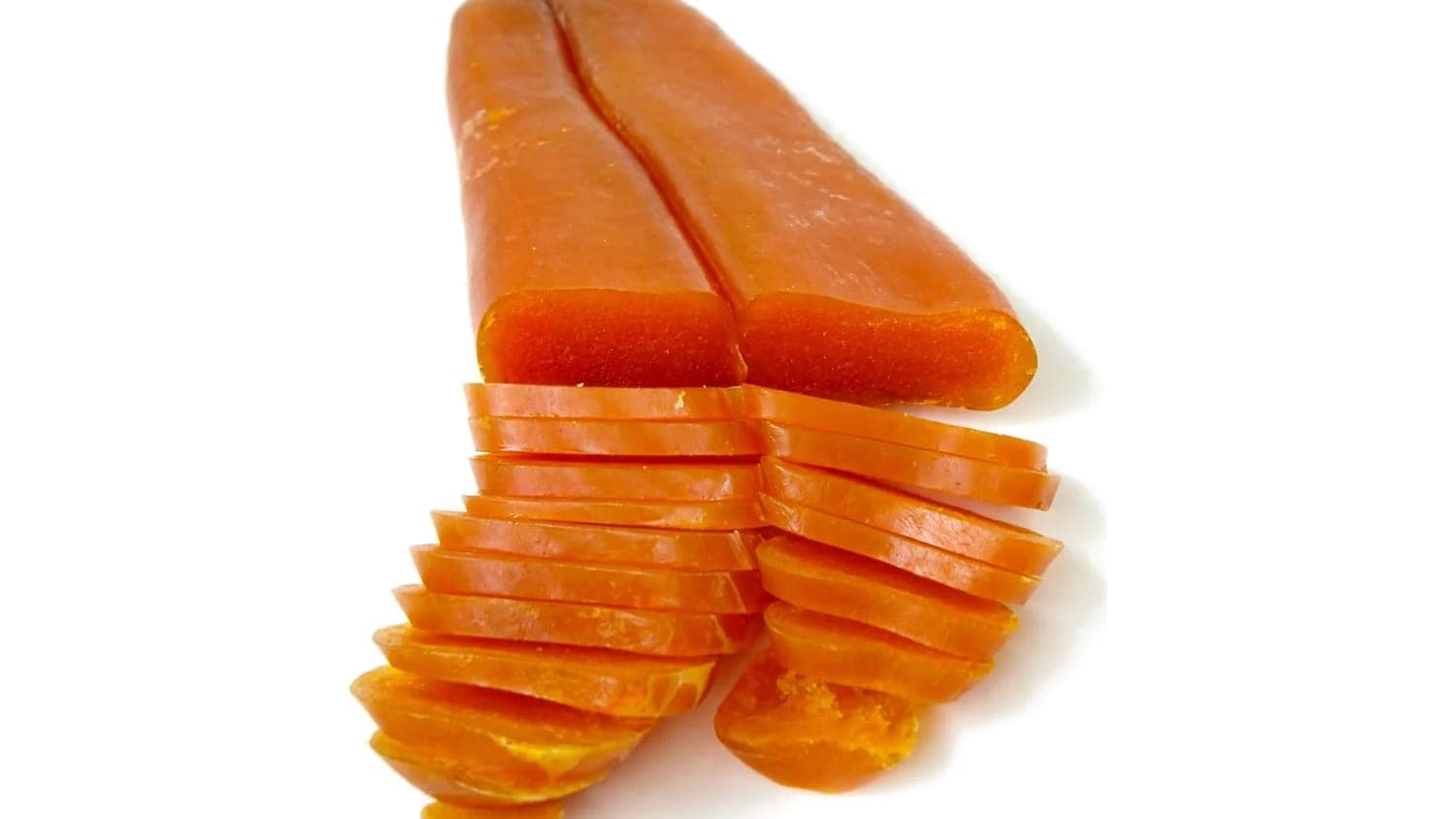
The flathead gray mullet (Mugil cephalus), spelled “flathead grey mullet” by FAO and in British usage, is one of the most widespread coastal fish in the world, schooling in estuaries, lagoons and shallow seas along tropical, subtropical and temperate coasts. Its flesh is everyday fare in many countries, but its roe is the valuable part: salted, pressed and dried, it becomes bottarga in Italy, avgotaracho in Greece, karasumi in Japan and wuyuzi in Taiwan. The curing styles and lobe weights we supply are set out on our bottarga page.
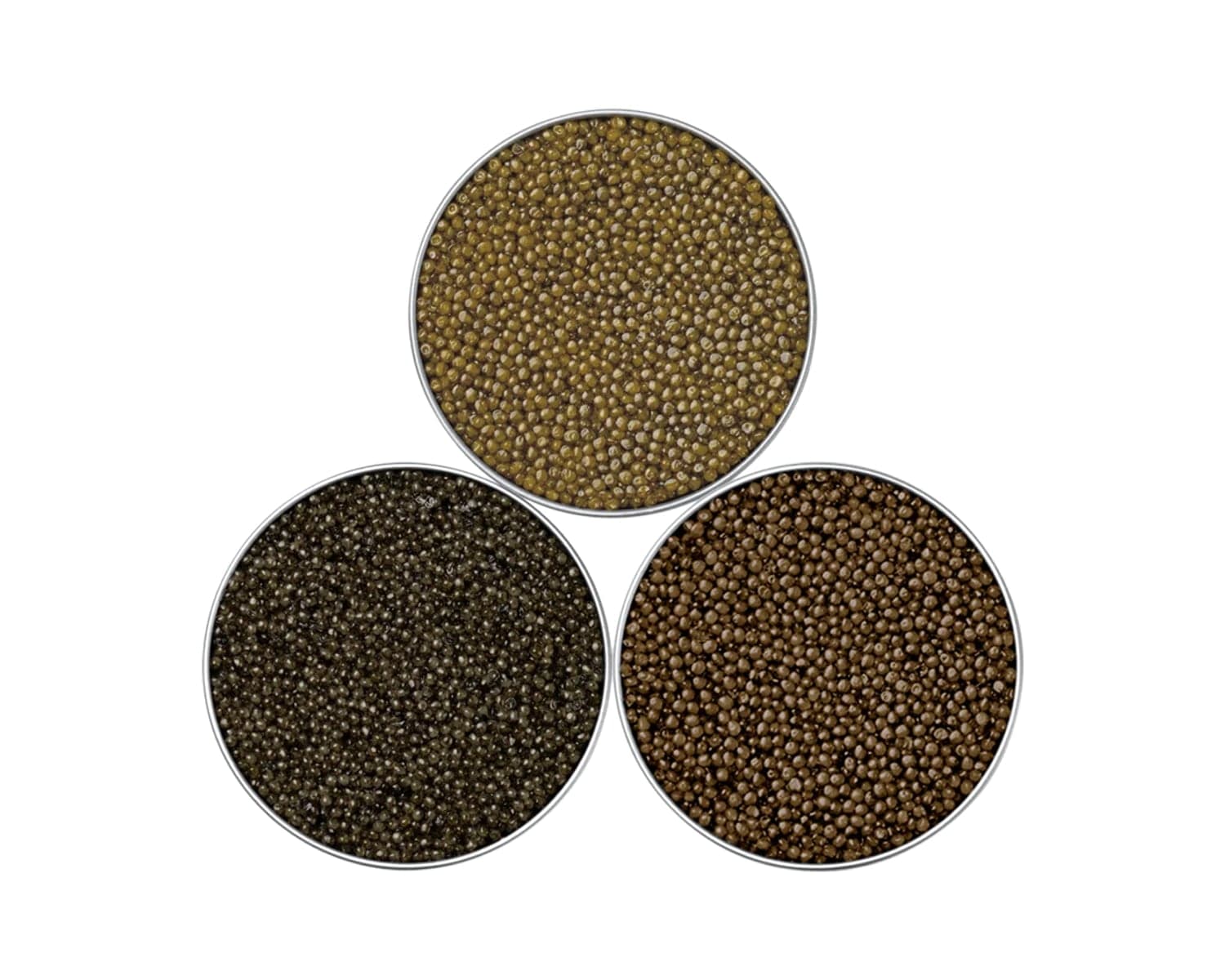
Our caviar and fish roe guide places bottarga among the other cured roes. Here the focus is the fish: how to recognize it and tell it from other mullets, the names it carries in different markets, how its spawning runs set the roe seasons, where wild catch and farming take place, and how cuisines use both the flesh and the roe.
Key takeaways
- Bottarga, avgotaracho, karasumi and wuyuzi are made mainly from the roe of the flathead gray mullet, Mugil cephalus, sold in the US as striped mullet.
- Roe seasons follow spawning runs: December and January in Taiwan, the winter roe season in Florida and May to July in southern Brazil.
- Red mullet and striped red mullet are goatfishes, not gray mullets, and tuna or cod bottarga is a different product.
- Specify the mullet species, the catch area and the curing location separately on every order.
How to identify gray mullet
Gray mullets form the family Mugilidae, and Mugil cephalus is its best-known member. The body is robust and nearly cylindrical, with a broad, flattened head and a small mouth. A well-developed, transparent adipose eyelid covers most of the pupil, a useful field mark. The back is blue-green to olive and the flanks silvery, and dark streaks on the scales line up into faint lengthwise stripes. There are two well-separated dorsal fins, the first with four spines.
Adults commonly reach about 50 cm and can grow to around a meter, with a reported maximum age of 16 years, and they mature at three to four years. A muscular, gizzard-like section of the stomach grinds food with the help of swallowed sediment, a sign of the species’ diet of detritus, microalgae and small bottom-living animals.
Market names vary widely. In the United States the fish is usually sold as striped mullet or black mullet, Australians call it sea mullet, and each roe-curing tradition has its own name for both the fish and the finished product.
| Market | Name for the fish | Name for the dried roe |
|---|---|---|
| Italy | Cefalo, muggine | Bottarga (butàriga in Sardinian) |
| Greece | Kefalos | Avgotaracho |
| Arabic-speaking markets | Bouri | Buṭārikh (بطارخ), the likely source of the Italian word |
| Japan | Bora (ボラ) | Karasumi |
| Taiwan and China | 烏魚 wuyu (Taiwan); 鲻鱼 ziyu (mainland China) | 烏魚子 wuyuzi |
| Korea | Sungeo (숭어) | Eoran |
| United States | Striped mullet, black mullet | Mullet roe, bottarga |
Gray mullet relatives and look-alikes
Genetic work has shown that what was long treated as a single worldwide species is a complex of at least 14 closely related species, and some authorities now reserve the name Mugil cephalus for the Mediterranean and north-east Atlantic populations. Trade documents and fisheries statistics still generally use the single name, so a lot described as M. cephalus from the Americas, Africa or Asia is normal, but labels must follow whatever naming list applies in the destination.
- Thinlip mullet (Chelon ramada, formerly Liza ramada) and thicklip gray mullet (Chelon labrosus): common in Mediterranean and north-east Atlantic estuaries and harbors, and sold fresh alongside M. cephalus under the general name mullet. The genus Liza has been merged into Chelon, so older documents may use either name.
- Lebranche mullet (Mugil liza, which includes fish once called Mugil platanus): the tainha of southern Brazil, whose spawning run from May to July is fished for both its flesh and its roe.
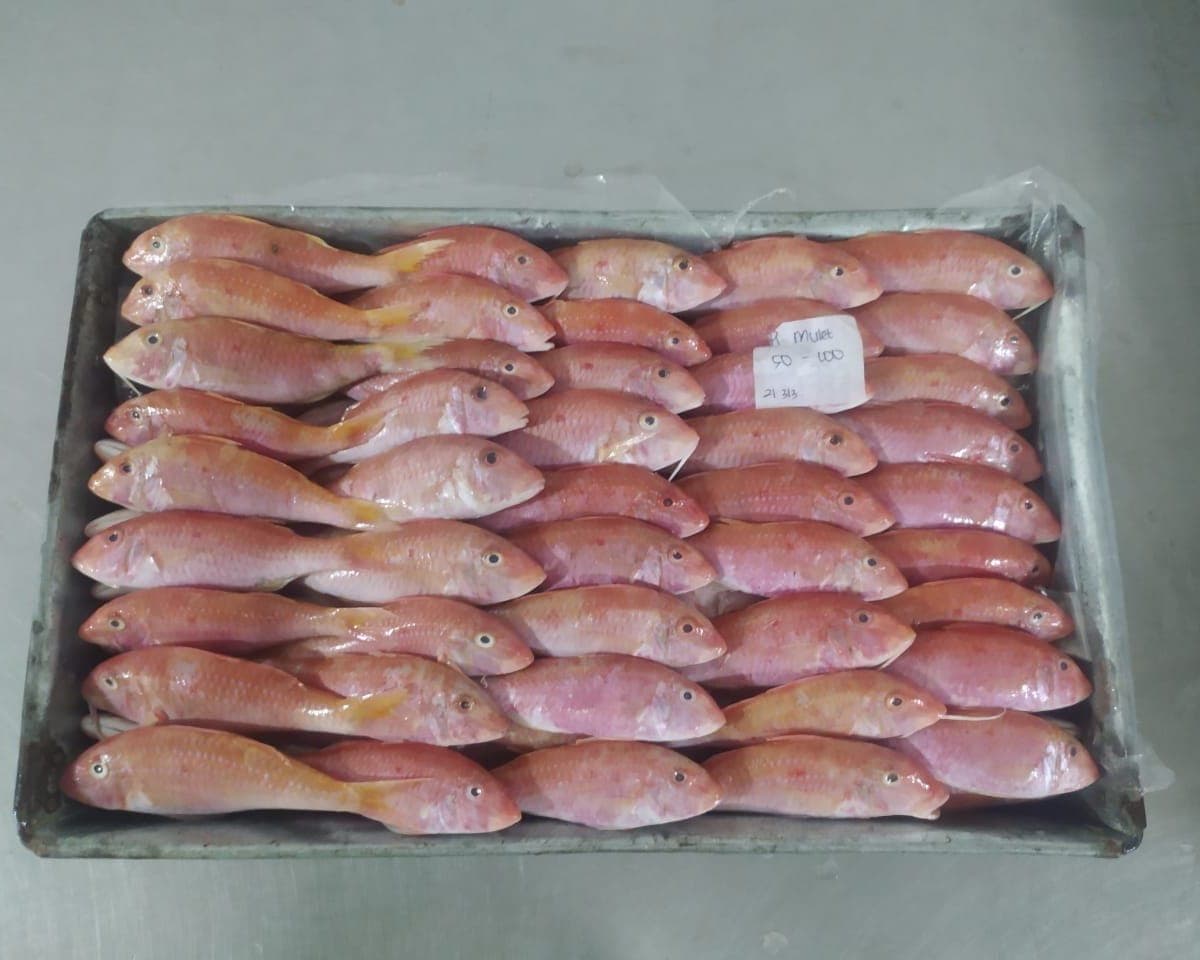
- Red mullet (Mullus barbatus) and striped red mullet (M. surmuletus): not gray mullets at all but goatfishes of the family Mullidae, with red skin and a pair of chin barbels. The shared word, and the American name striped mullet, cause real labeling mix-ups; our red mullet species guide and the red mullet product page cover that fish.
- Tuna and cod roe: bottarga is also made from bluefin and yellowfin tuna roe, especially in Sicily, and from cod in northern Norway. These are different products and should be named by species.
Spawning runs and gray mullet roe seasons
Gray mullet spend most of their lives close to shore, but adults migrate offshore to spawn in large aggregations, and one female releases roughly 0.8 to 2.6 million eggs. Eggs and larvae develop at sea, and the young move back inshore to estuaries and lagoons. Roe fisheries target females gathering for these runs, when the ovaries are full but the eggs not yet released, so each region’s roe season follows its spawning calendar:
- Taiwan: wild mullet move south from the East China Sea between November and late January to spawn off south-western Taiwan, and the catch peaks in the ten days or so either side of the winter solstice. Pond-raised fish are harvested for roe in the same weeks.
- Florida: in late fall and winter, adult striped mullet leave rivers and estuaries for deeper water to spawn, and the roe fishery targets these runs. State rules prohibit gill and other entangling nets, leaving cast nets, small seines and hook-and-line among the permitted gear.
- Southern Brazil: the tainha run of Mugil liza is fished from May to the end of July, mainly by purse seiners and gillnetters, under catch limits introduced in 2018.
- Mediterranean lagoons: lagoon fisheries such as Messolonghi–Etoliko in western Greece supply local roe, and the avgotaracho made there is an EU protected designation of origin.
Many processors cure roe far from where it was caught. A Taiwanese-style or Sardinian-style lobe may be made from roe landed in West Africa, the Americas or elsewhere, so the catch area and the curing location are two separate facts, and both belong on the specification.
Wild catch and gray mullet farming
Gray mullet is a highly commercial species, caught with seines, cast nets and gillnets throughout its range, and the IUCN assesses it as Least Concern worldwide. Individual stocks can be under pressure: Brazil’s Mugil liza has been considered overexploited, prompting effort controls and then quotas, and Florida’s commercial landings fell sharply after its 1995 ban on entangling nets.
Farming is old and widespread. Mullet have been raised for centuries in the hosha enclosures of Egypt’s Nile Delta and in Italian vallicoltura, the managed farming of coastal lagoons, and FAO data have long shown Egypt as by far the largest producer of farmed mullet. Most farms still stock wild-caught fry, often in polyculture with tilapia and carps in semi-intensive ponds, and hatchery seed is used only on a limited scale. Korea, Taiwan and Israel are among the other producers.
Taiwan farms gray mullet largely for their roe, in coastal ponds from Hsinchu south to Pingtung. The fish are grown from wild-caught fry for two to three years until the females carry roe, and with wild catches far below their former levels, farmed roe has become the mainstay of the Taiwanese market, alongside imported roe cured locally.
Cooking with gray mullet flesh and roe
As a food fish, gray mullet is usually sold fresh or chilled, whole or gutted, and in Mediterranean markets frozen mullet fetches much less than fresh. It is also wet-salted, and in Egypt salted, fermented and dried mullet called fesikh is the traditional food of the spring festival Sham el-Nessim. Poorly prepared fesikh has been linked to cases of botulism, so fermented and cured fish products should come only from controlled production and be stored exactly as labeled.
The roe is where the species earns its reputation, and each tradition treats it differently:
- Italy: bottarga is grated or shaved over pasta, eggs and salads, or sliced thin and served with olive oil or lemon on bread or crostini.
- Greece and Egypt: whole lobes are traditionally sealed in beeswax, a practice that continues in both countries, and are sliced thin to serve.
- Taiwan: wuyuzi is softer than Mediterranean bottarga; it is brushed with rice spirit, seared and sliced, then eaten with white radish and raw garlic or leek, and boxed lobes are a Lunar New Year gift.
- Japan: karasumi, a specialty of Nagasaki, is one of the three classic chinmi delicacies alongside salted sea urchin and konowata, salted sea cucumber entrails, and is usually eaten in thin slices with sake.
- Korea: eoran is a dried roe made from mullet among other fish.
Bottarga and karasumi are lightly processed, high-value products: keep whole lobes chilled as labeled and wrap cut lobes tightly between uses. Fish is a declarable allergen in many markets, and mullet roe products are labeled accordingly.
Buying notes: naming the species and the origin
Four habits prevent most disputes over mullet roe. Name the species, since roe from Mugil liza and other mullets is cured alongside M. cephalus. State the catch area and the curing plant separately. Use protected names only for products that qualify, such as avgotaracho from Messolonghi under its designation of origin. And label tuna and cod bottarga by species, never simply as bottarga where buyers expect mullet.
For a cured-roe range built across several species, the sturgeon species guide covers the fish behind premium roe and caviar. To weigh Mediterranean and Taiwanese styles against each other, request a quotation for both.
This guide is general trade information, not legal or regulatory advice. Requirements differ by market and change over time; confirm current rules with your customs broker or competent authority before ordering.