- Private-label packing
- Export documentation
Value-Added Seafood
Marinated Seafood Made to Your Recipe: Shrimp, Fish Portions and Squid
BSA Food Products produces raw marinated and seasoned shrimp, fish portions and squid in Thailand to each buyer’s recipe, frozen as portions, skewers or IQF packs and labeled with the marinade share, allergens and cooking instructions.
- Shrimp, squid and fish portions marinated to your recipe
- Teriyaki, garlic butter, lemon herb, Thai chili or Cajun as examples
- Marinade share of finished weight agreed and checked
- Raw and ready to cook, with printed cooking instructions
- Portions, skewers, IQF pieces or sauce-on-the-side packs
- Own-brand vacuum skin packs, trays and pouches
Product Specifications
Indicative; confirmed per lot on each quotation.
- Origin
- Marinated and packed in Thailand; shrimp from farms in Thailand and the region, squid and fish from declared fisheries or farms, with the origin of each seafood component stated.
- Grade / Size
- Portions of 100 g, 150 g, 200 g or 250 g; shrimp by count before marinating; squid by cut and piece size; skewers by weight and pieces per skewer.
- Form & Processing
- Peeled, cut or portioned seafood marinated by tumbling, coating or glazing, or packed with a separate sauce sachet; supplied raw, blast-frozen or IQF frozen.
- Storage
- Keep frozen at -18 °C or colder. Thaw in the refrigerator or cook from frozen as the pack directs, and cook thoroughly before eating.
- MOQ
- Typically one 20 ft reefer per program, about 7 t of packed product (indicative), with several recipes combinable in one load.
- Lead Time
- Allow 6–8 weeks for a new recipe, including sample rounds and artwork; repeat orders of a signed-off recipe usually ship in 4–5 weeks.
Product overview
Marinated seafood takes labor out of the kitchen. The shrimp is already peeled and seasoned, the fish portion is trimmed and coated in sauce, and the squid is cut and dressed in chili paste, so a cook or a home shopper only has to apply heat. For a supplier, that makes the recipe the product. We do not sell a fixed list of flavors; each line is built to the buyer’s specification, and recipes such as teriyaki, garlic butter, lemon herb, Thai chili and Cajun simply show the range of profiles we can make.
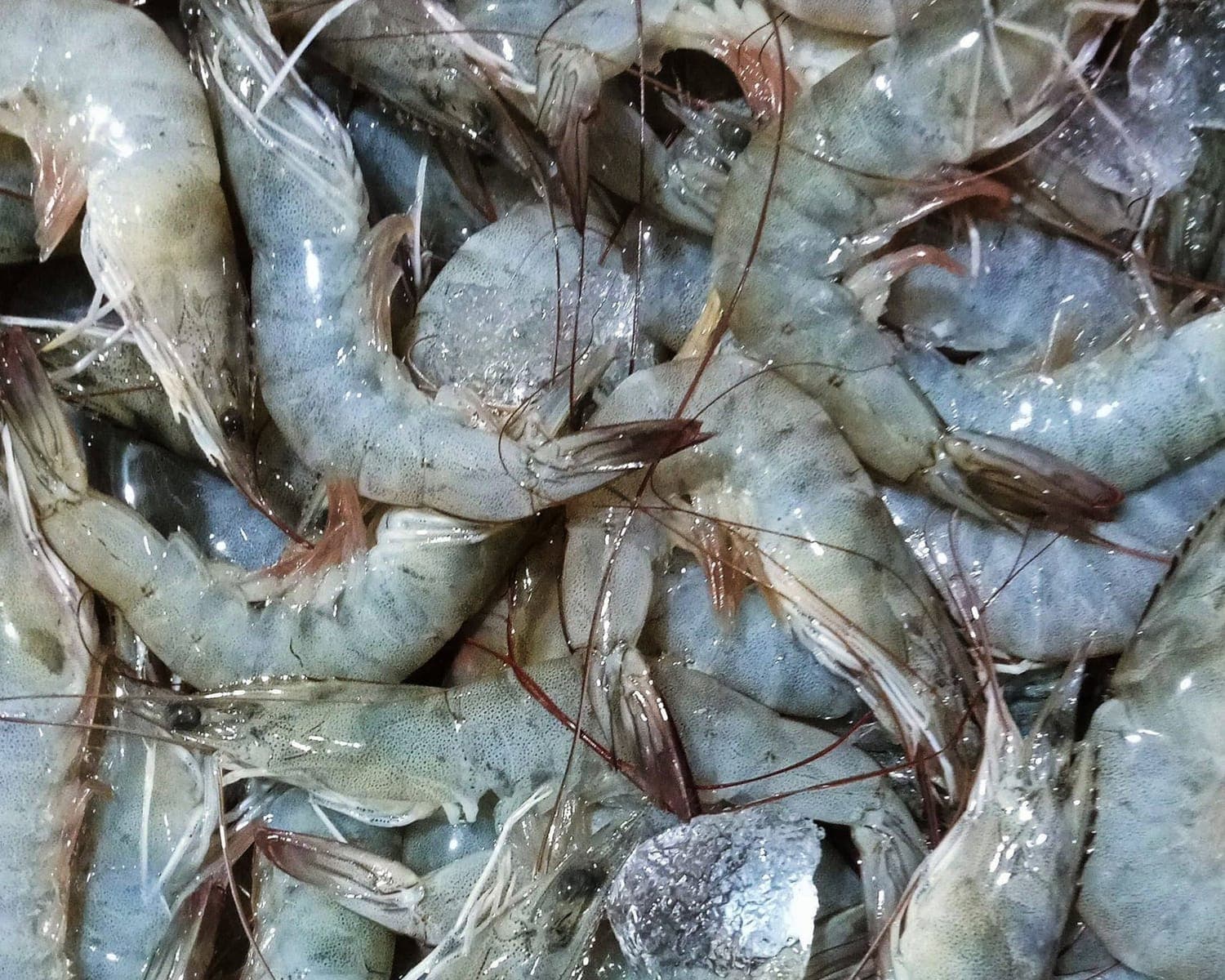
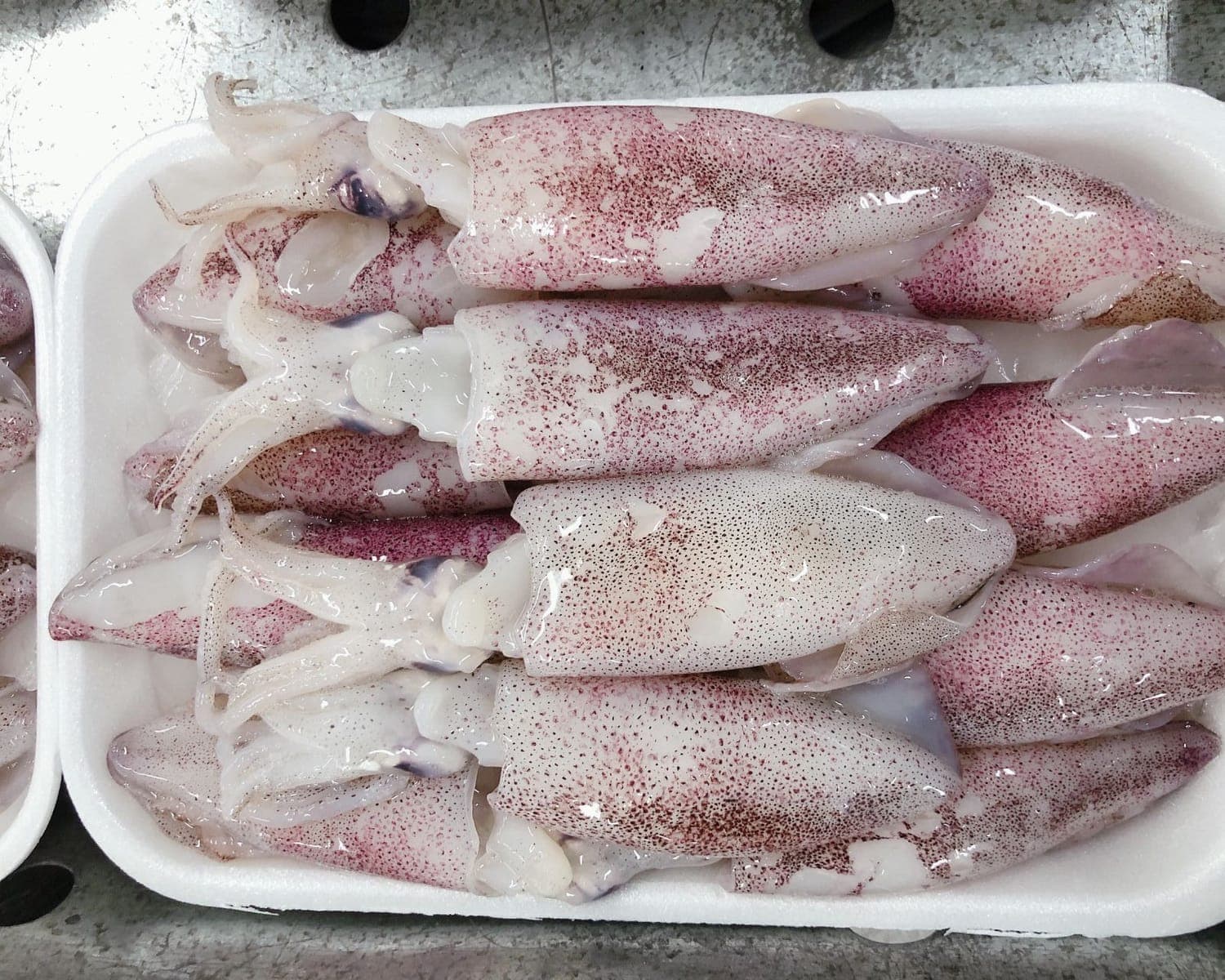
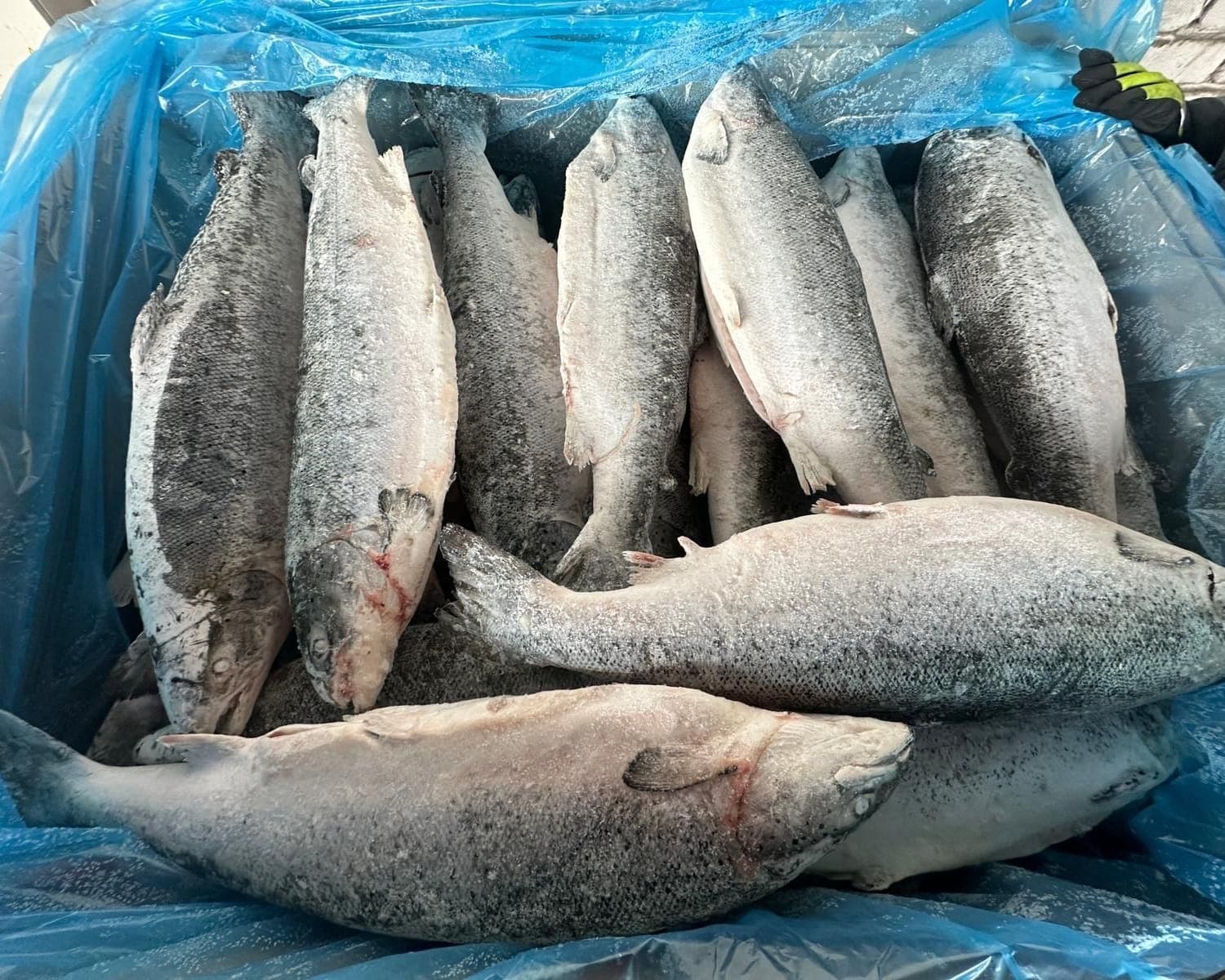
The seafood is chosen before the marinade. Shrimp is usually farmed vannamei, peeled and deveined to an agreed count as set out under vannamei shrimp; squid is cleaned and cut into rings, tubes, flowers or scored strips from the supply described on our frozen squid page; and fish portions are cut from fillets of species such as Atlantic salmon or whitefish, with species, origin and production method declared. The marinade, sauce or dry rub is then applied by tumbling, coating or glazing, or packed in a separate sachet when a buyer wants the seafood to stay plain until it is cooked.
Every recipe has an agreed marinade share, written as the percentages of seafood and marinade in the finished weight, and we check it on each run by rinsing and reweighing samples. Products leave the plant raw and frozen, ready to cook rather than ready to eat, so instructions for pan, grill, oven or air fryer are printed on the pack; cooked lines are made only against a validated process. Quality checks look at coverage and adhesion, color, clumping in IQF bags, purge inside the pack, portion and skewer weight, pieces per skewer, splinters from wooden skewers, bones in fish portions and the seal on vacuum and tray packs. Spices and herbs are bought to microbiological specifications, since they go straight onto raw seafood.
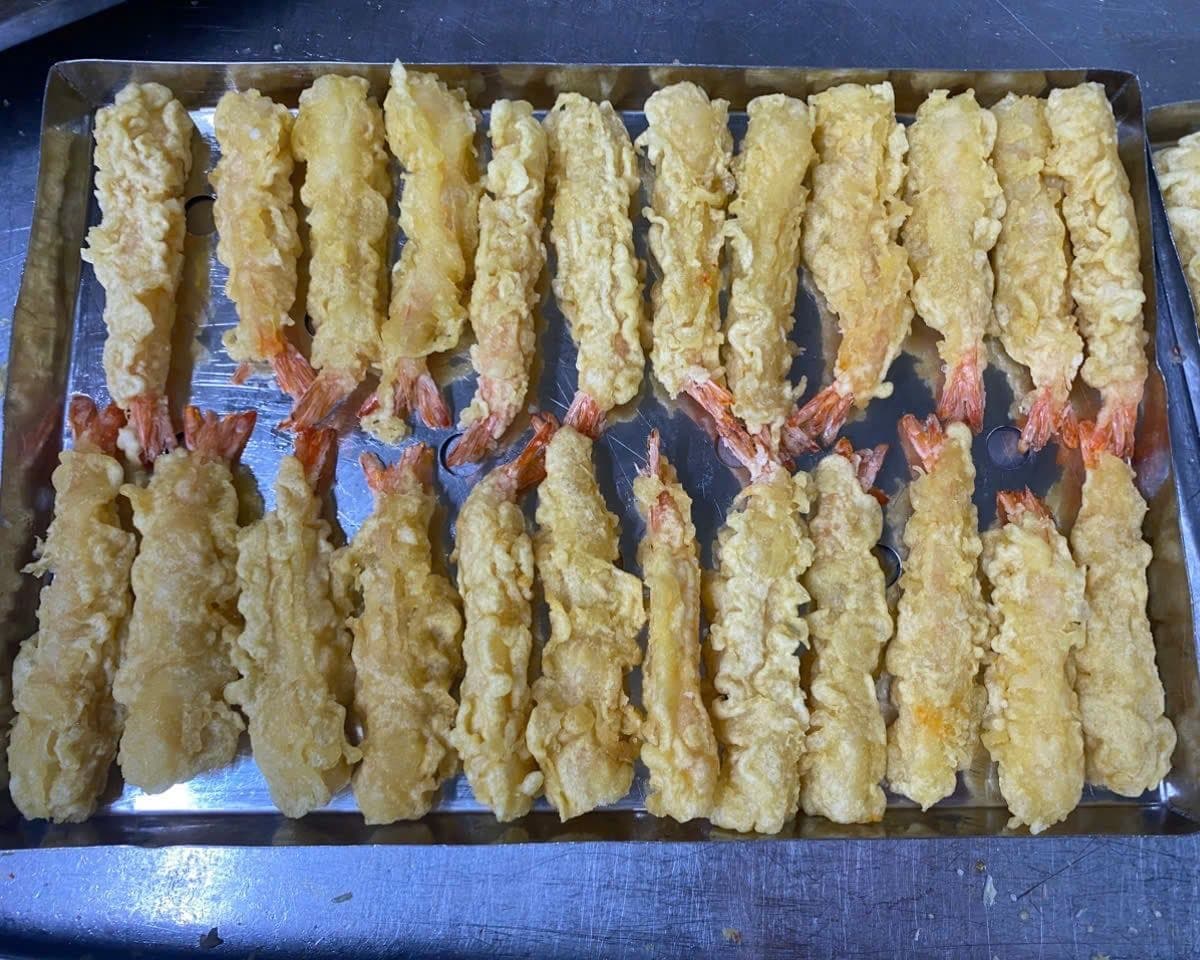
Formats include single portions of 100–250 g in vacuum skin packs, sealed trays and retail pouches, 1 kg IQF foodservice bags and bulk cartons for repackers. Supermarket meal-solution ranges, meal-kit companies, casual-dining chains, hotel buffets and caterers are the usual buyers, and most programs run under the buyer’s own brand through our private-label service. For coated rather than marinated lines, see breaded and tempura shrimp, and the count and glazing guide explains how shrimp size is specified before seasoning.
Specification sheet
Marinated Seafood: full specification
Indicative values. Final specifications are confirmed per lot on the quotation and certificate of analysis.
| Seafood | Vannamei shrimp, squid, salmon or whitefish portions; species declared |
|---|---|
| Recipes | Built to buyer specification, e.g. teriyaki, garlic butter, lemon herb, Thai chili, Cajun |
| Marinade share | Seafood and marinade percentages stated per recipe |
| Cook status | Raw, ready to cook; cooking instructions on every pack |
| Formats | Portions, skewers, IQF pieces, sauce-sachet packs |
| Portion size | 100–250 g; shrimp count given before marinating |
| Freezing | Blast or IQF frozen; held at -18 °C or colder |
| Shelf life | Around 12 months frozen, set per recipe |
| Allergens | Crustaceans, molluscs or fish, plus soy, wheat, milk, sesame, mustard or celery as the recipe dictates |
| Documents | Health certificate, certificate of origin, recipe and allergen sheet per SKU |
| Minimum order | Typically one 20 ft reefer per program, about 7 t of packed product (indicative), with several recipes combinable in one load. |
| Lead time | Allow 6–8 weeks for a new recipe, including sample rounds and artwork; repeat orders of a signed-off recipe usually ship in 4–5 weeks. |
FAQ
Marinated Seafood: questions from buyers
Can you develop a marinade to our recipe?
Yes, that is how most programs start. Send your recipe, a reference product or a flavor brief with target salt, heat and color, and we will produce trial batches on the seafood you have chosen. Once a sample is signed off, the ingredient list, marinade share and cooking method are fixed in the specification so that repeat runs match it. Sauces built on soy, butter, sesame or nuts change the allergen profile, so we flag those at the brief stage.
Are marinated products raw or cooked?
They are raw and frozen, made to be cooked by the kitchen or the consumer. The seafood takes up flavor during marinating and freezing, and it cooks quickly in a pan, on a grill or in an oven. Fully cooked marinated lines are possible only where the cook step is validated and the buyer specifies it, and the pack always states which kind it is.
How is the marinade share declared?
The specification gives the percentage of seafood and of marinade in the finished weight, for example 85 percent shrimp and 15 percent marinade, and the label carries the seafood percentage wherever the destination’s rules require it. We verify the figure on each run by rinsing the marinade off weighed samples and weighing the seafood alone, which also protects buyers against paying seafood prices for sauce.
Can the sauce be packed separately from the seafood?
Yes. Many retail and meal-kit buyers prefer plain IQF seafood with a sealed sauce sachet in the same pack, which keeps the seafood’s appearance clean in the freezer and lets the consumer choose how much sauce to use. The seafood and the sauce each carry their own ingredient and allergen details on the outer label.
Related
Related products
Buyer guides
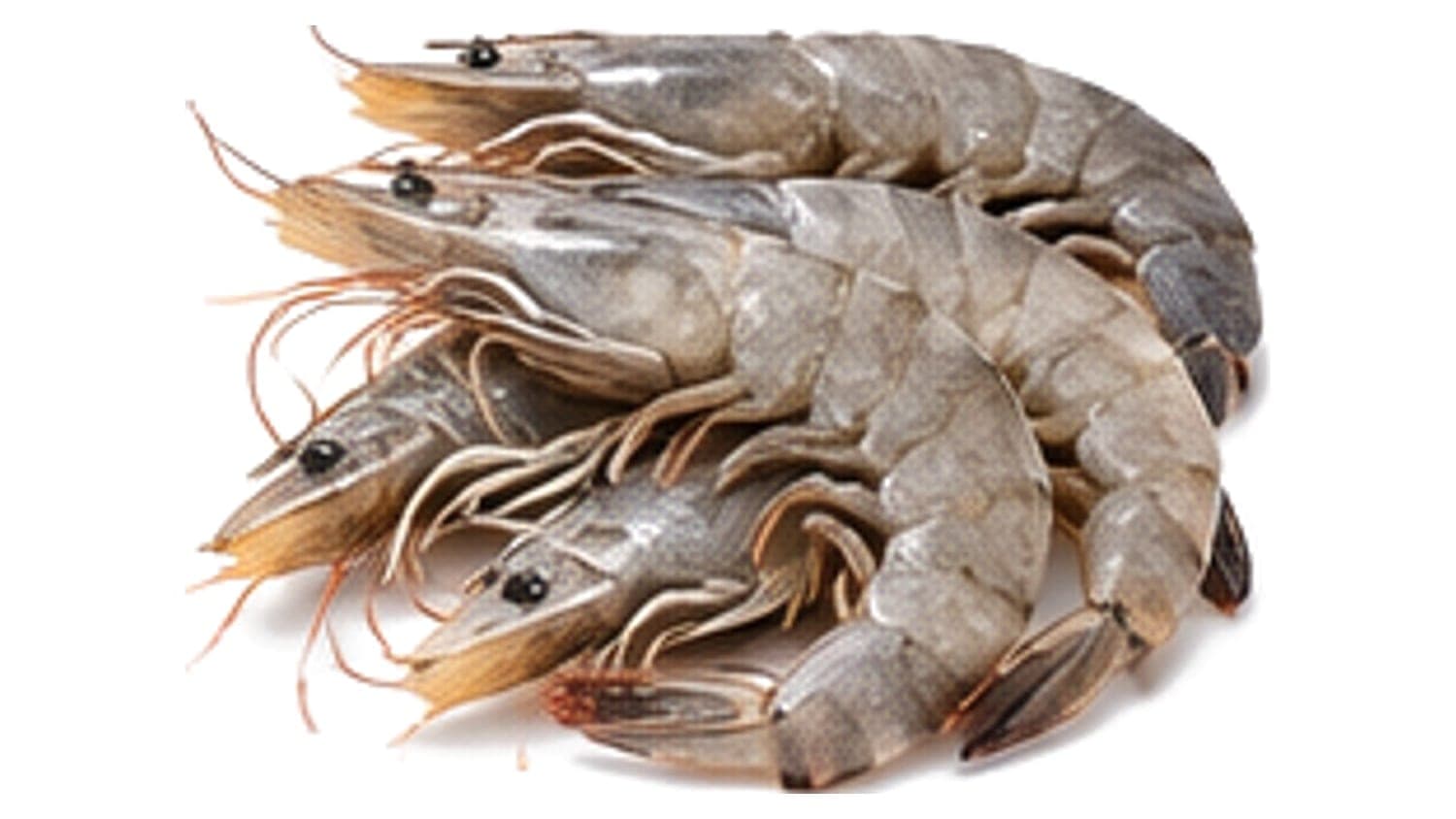
Buying Guide7 min read
Frozen Shrimp Specifications: Count Size, Glazing and Net Weight
How to specify and check frozen shrimp: species and cuts, count notation per pound or per kilogram, glaze and net weight, IQF and block formats, defects, treatment declarations and an arrival routine.
Read the guide
Buying Guide7 min read
Choosing Premium Seafood Ingredients for Restaurants and Retail
How chefs, foodservice buyers and brand owners match grade and format to the application, compare suppliers on cost per portion, and keep quality consistent across orders and channels.
Read the guide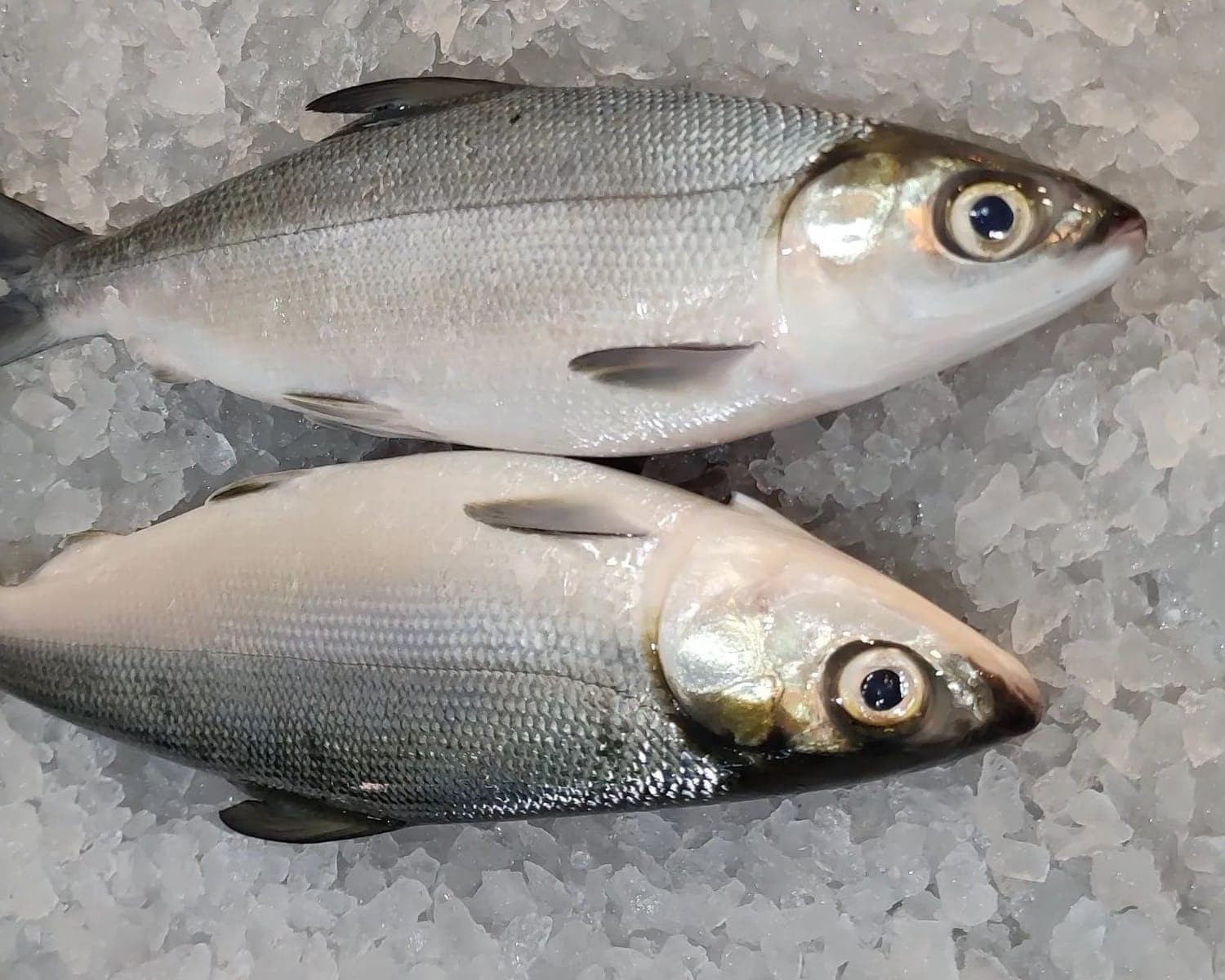
Species Profiles6 min read
Milkfish Explained: Bangus, Bandeng and the Question of Bones
One silvery fish, farmed for centuries in brackish ponds, feeds much of the Philippines, Indonesia and Taiwan. Its fine bones shape every product made from it.
Read the guide
Request a quote
Request a quote for marinated seafood
Share your target grade, packing, volume and destination. We confirm availability, documentation for your market and a formal quotation, usually within one business day.
- Grade, size or count required
- Packing format and labeling language
- Estimated volume and order frequency
- Destination port or airport and Incoterm
- Reference: Marinated Seafood