- Private-label packing
- Export documentation
Frozen Fish
Frozen Milkfish Supplier: Whole, Boneless Butterfly and Belly
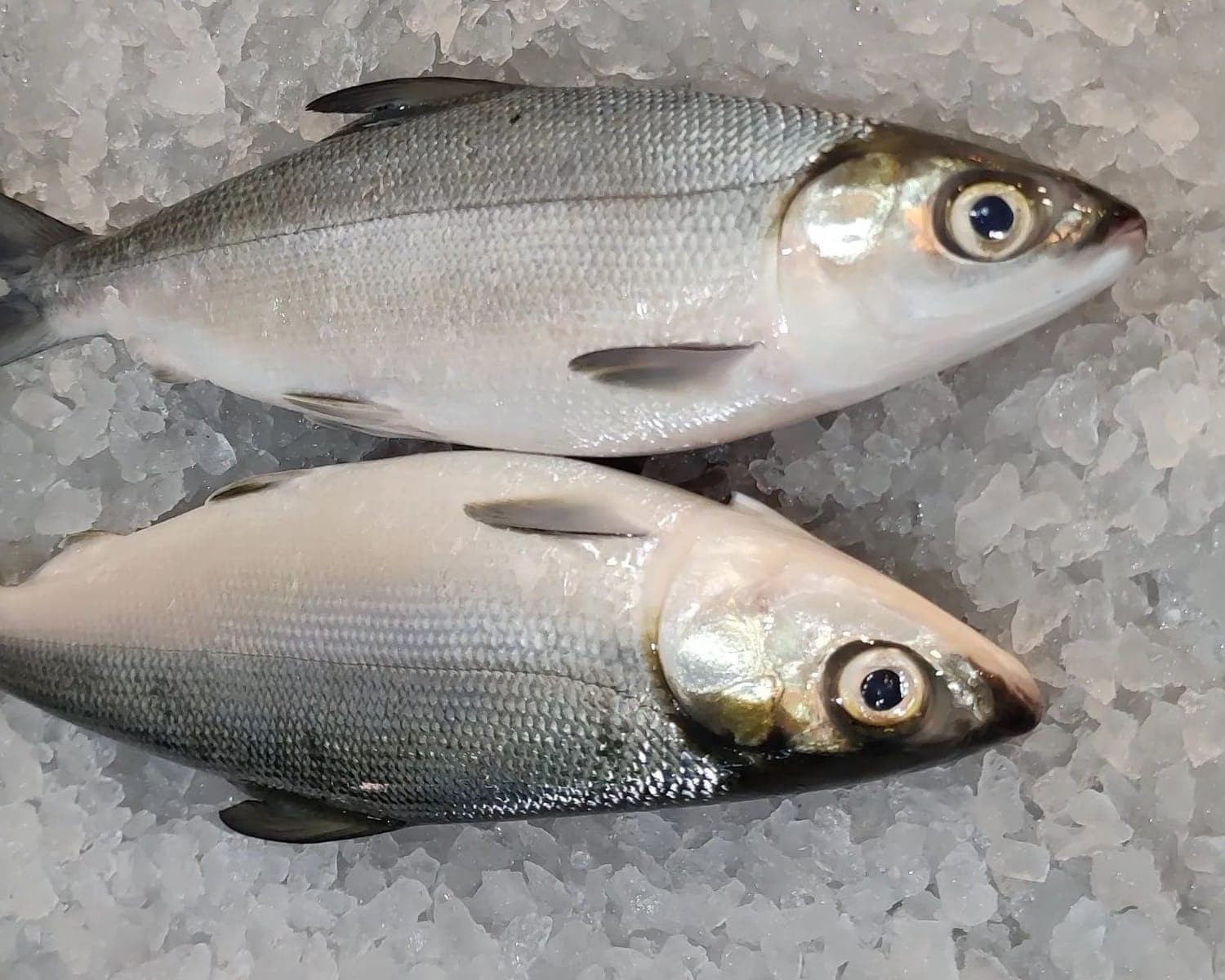
BSA Food Products sources milkfish from partner farms in the Philippines, Indonesia and Taiwan, frozen whole, as hand-deboned butterfly fillets or as belly cuts, graded by weight and vacuum-packed for retail and foodservice.
- Chanos chanos from the Philippines, Indonesia and Taiwan
- Hand-deboned butterfly fillets, vacuum-packed
- Belly cuts trimmed from the fatty belly flap
- Whole fish graded by weight or pieces per kilogram
- Residual-bone tolerance set in the specification
- Farming system (pond, pen or cage) stated per lot
Product Specifications
Indicative; confirmed per lot on each quotation.
- Origin
- The Philippines, Indonesia and Taiwan, through partner packers; farming country, system (pond, pen or cage) and plant declared per lot and checked against destination rules.
- Grade / Size
- Whole fish 200–300 g, 300–400 g, 400–600 g and 600 g up, or by pieces per kg (e.g. 2–3 or 3–4 pcs/kg); boneless and belly cuts by piece weight.
- Form & Processing
- Whole round, gutted, headed and gutted, boneless butterfly (hand-deboned) and belly cuts; blast-frozen and vacuum-packed or glazed. Marinated and smoked boneless milkfish on request.
- Storage
- Keep at -18 °C or colder and avoid temperature swings, which speed up rancidity in the oily belly; thaw in the refrigerator, still in the vacuum pack.
- MOQ
- Typically from one 20 ft reefer; boneless and belly cuts can be combined with whole fish in the same load.
- Lead Time
- Around 4–6 weeks from confirmed specification; hand-deboned product depends on packer labor and can take longer before peak holiday seasons.
Product overview
Milkfish is widely regarded as the national fish of the Philippines, where it is called bangus, and it is just as central to Indonesian cooking as bandeng and to Taiwanese cooking as sabahi. Its frozen export trade serves Filipino, Indonesian and Taiwanese communities abroad, notably in the Middle East, North America and the Pacific. What defines the trade is bones: a milkfish carries a great many fine intermuscular bones, so how the fish has been deboned matters to buyers more than almost any other point in the specification.
Chanos chanos is the only living species in its family, a silvery, torpedo-shaped fish farmed in brackish ponds, pens and sea cages across South-East Asia from hatchery-produced or wild-collected fry. The Philippines, Indonesia and Taiwan are the main producing and processing origins, so we source through partner packers in those countries and state the country, farming system and plant on every lot. Taste can vary with the farming system, since pond-reared fish can pick up an algal or earthy note, and many buyers therefore name pond, pen or cage fish in their brief.
Whole round fish are graded by weight, from 200–300 g up to 600 g and above, or by pieces per kilogram, as is common in Philippine trade. Boneless milkfish is butterflied along the back, opened flat and has its intermuscular bones pulled out one by one by trained deboners using tweezers, a labor-intensive step that explains much of its price over whole fish. Belly cuts take the rich, fatty belly flap, the most prized part of the fish, trimmed and usually deboned. Whole fish can also be gutted or headed and gutted, and marinated or smoked boneless milkfish can be quoted on request. Milkfish is blast-frozen, then vacuum-packed piece by piece or glazed.
Residual bones are the first point to settle for boneless product: the packer’s deboning tolerance can be written into the order, and a count of the bones left in thawed sample fish can be arranged. Milkfish is an oily fish, so rancid odor, yellowing of the belly fat and freezer burn are the next points to check, and a cooked taste test for algal taint can be added on request. Most volume goes to Filipino and Indonesian grocers, catering kitchens and restaurants for dishes such as daing na bangus, sinigang and grilled stuffed milkfish. Buyers building a broader frozen fish range for the same shoppers often add frozen tilapia, and our guide to choosing seafood for restaurants and retail suggests how to trial a new supplier against an existing one.
Specification sheet
Frozen Milkfish: full specification
Indicative values. Final specifications are confirmed per lot on the quotation and certificate of analysis.
| Species | Chanos chanos (bangus, bandeng) |
|---|---|
| Origin | Philippines, Indonesia, Taiwan; declared per lot |
| Production | Farmed in brackish ponds, pens or sea cages |
| Formats | Whole, gutted, H&G, boneless butterfly, belly |
| Size | 200–300 g to 600 g+ per fish, or pcs/kg |
| Deboning | By hand; residual-bone tolerance agreed per order |
| Freezing | Blast-frozen; vacuum-packed or glazed |
| Shelf life | Commonly 12–18 months at -18 °C; shorter for marinated packs |
| Documents | Health certificate, certificate of origin; milkfish histamine or residue results where the buyer specifies them |
| Minimum order | Typically from one 20 ft reefer; boneless and belly cuts can be combined with whole fish in the same load. |
| Lead time | Around 4–6 weeks from confirmed specification; hand-deboned product depends on packer labor and can take longer before peak holiday seasons. |
FAQ
Frozen Milkfish: questions from buyers
How boneless is boneless milkfish?
Hand deboning removes the main intermuscular bones, but a few very fine bones can remain, especially near the tail and the back. Packers work to a tolerance, so the maximum number of residual bones per fish can be agreed in the specification, and a bone count on thawed samples can be arranged before shipment. Where a dish cannot tolerate any bone at all, belly cuts or a tighter tolerance are worth specifying.
What is the difference between bangus belly and boneless bangus?
Boneless bangus is the whole fish, butterflied and deboned, with the head and tail usually left on so it can be fried or grilled flat. Bangus belly is only the belly flap, cut from the fish and trimmed, which gives a smaller, richer piece with a higher fat content and fewer bones to remove. Belly cuts cost more per kilogram and sell to shoppers who want the most prized part of the fish.
Does milkfish need histamine testing?
Milkfish is not one of the scombroid species, such as tuna and mackerel, around which most histamine rules are written, but it can form histamine if fish are left warm between harvest and freezing, and US FDA hazard guidance lists milkfish among the fish with a potential histamine hazard. Fish should be iced at harvest and processed quickly, and histamine testing can be arranged on each lot where your market or your own specification calls for it.
Can you supply marinated milkfish such as daing na bangus?
On request, from packers that produce it. Daing na bangus is boneless milkfish marinated in vinegar, garlic and pepper, then frozen ready to fry. The marinade recipe, ingredient list and any allergens are fixed in the specification and printed on the label, and shelf life is generally shorter than for plain frozen milkfish. Other ready-to-cook lines made to a buyer’s recipe are covered under marinated seafood, and you can request a quote with your target recipe or a reference product.
Related
Related products
Buyer guides
Species Profiles6 min read
Milkfish Explained: Bangus, Bandeng and the Question of Bones
One silvery fish, farmed for centuries in brackish ponds, feeds much of the Philippines, Indonesia and Taiwan. Its fine bones shape every product made from it.
Read the guide
Buying Guide7 min read
Choosing Premium Seafood Ingredients for Restaurants and Retail
How chefs, foodservice buyers and brand owners match grade and format to the application, compare suppliers on cost per portion, and keep quality consistent across orders and channels.
Read the guide
Import & Compliance8 min read
Shipping Seafood: Reefer Containers, Cold Chain and Incoterms
A logistics guide for seafood buyers: reefer and dry-container shipping, temperature records, air freight for chilled and live product, where Incoterms 2020 place cost and risk, and the evidence a claim needs.
Read the guide
Request a quote
Request a quote for frozen milkfish
Share your target grade, packing, volume and destination. We confirm availability, documentation for your market and a formal quotation, usually within one business day.
- Grade, size or count required
- Packing format and labeling language
- Estimated volume and order frequency
- Destination port or airport and Incoterm
- Reference: Frozen Milkfish