- Private-label packing
- Export documentation
Frozen & Live Seafood
Frozen Surf Clam Supplier: Hokkigai for Sushi and Atlantic Clam Meat
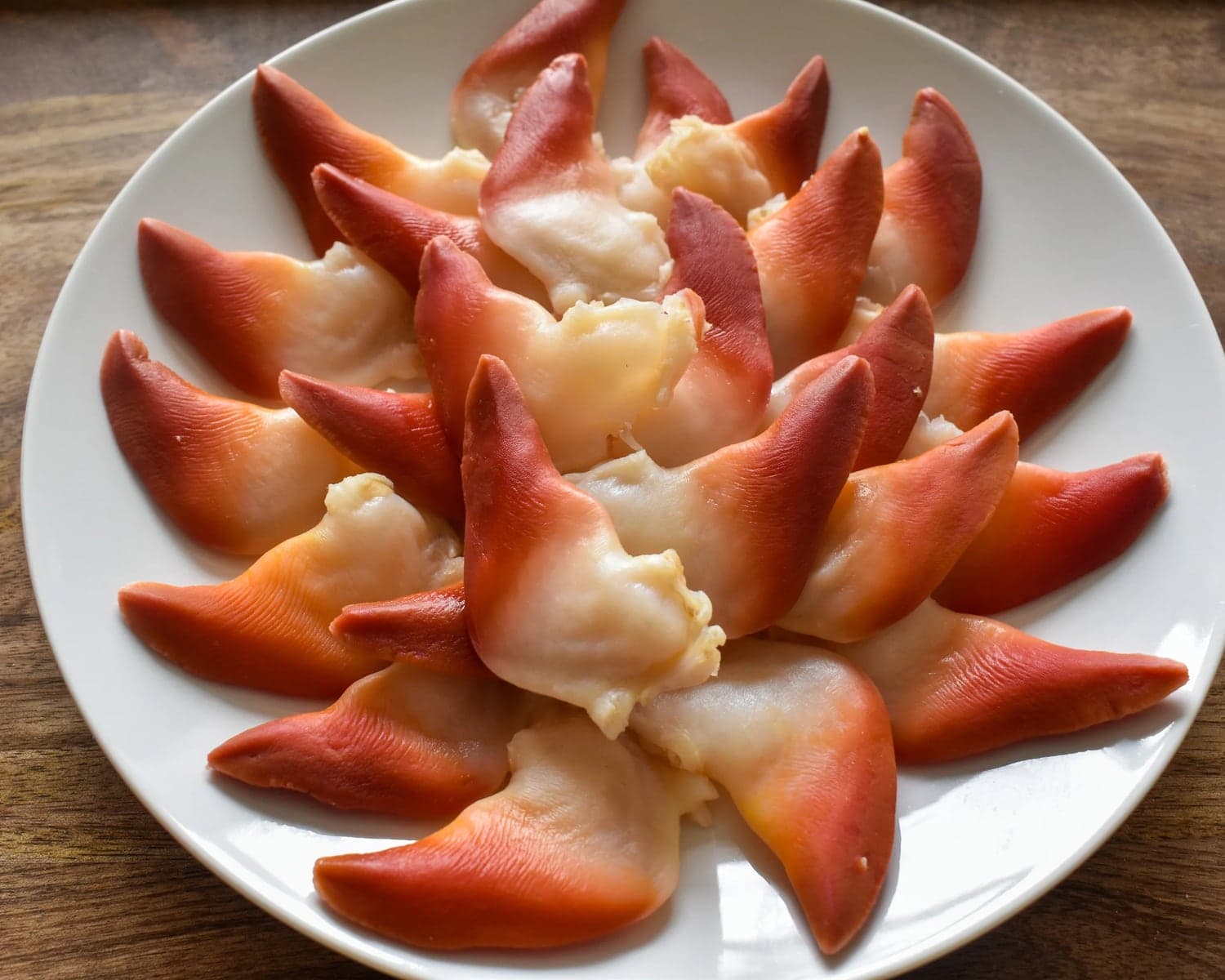
Arctic surf clam, sold to sushi kitchens as hokkigai, and Atlantic surf clam meat for chowder, fried strips and processing, supplied cooked and frozen, whole, butterflied or sliced, and graded by piece size.
- Arctic surf clam (hokkigai) for sushi counters
- Whole, butterflied and pre-sliced sushi cuts
- Atlantic surf clam meat, tongues and strips on request
- Graded by piece size and slice count per tray
- Tip color, sand and shell fragments checked per lot
Product Specifications
Indicative; confirmed per lot on each quotation.
- Origin
- Atlantic Canada for Arctic surf clam; the US East Coast for Atlantic surf clam on request. Fishing bank declared per lot.
- Grade / Size
- Whole tongues by pieces per kilogram; butterflied and sliced cuts by piece weight and pieces per tray; Atlantic surf clam meat by cut and count.
- Form & Processing
- Cooked and frozen whole, butterflied or sliced for sushi; Atlantic surf clam as raw or cooked IQF or block meat, tongues and strips.
- Storage
- Hold at -18 °C or colder. Thaw sushi cuts in the refrigerator in their sealed pack, use them within the time the packer states, and do not refreeze.
- MOQ
- From 500 kg per item, which can be consolidated with other frozen shellfish in a mixed reefer.
- Lead Time
- Generally 3–5 weeks after the specification is signed off, depending on fishing trips and processing slots at origin.
Product overview
Surf clams are large, heavy-shelled bivalves dredged from sandy offshore banks, and two quite different products carry the name. Arctic surf clam is cooked and frozen as whole or butterflied tongues for sushi, where it goes by its Japanese name, hokkigai, and is valued for its sweet flavor, crisp texture and the bright red-pink tip the foot takes on when blanched. Atlantic surf clam is a volume ingredient: its foot and meat are cut into strips for frying or chopped for chowders, soups and sauces. This page covers both, and each offer says which one it is.
Arctic surf clam (Mactromeris polynyma) comes mainly from the offshore banks of Atlantic Canada, where it is fished, cooked and frozen at sea or shortly after landing. The name hokkigai originally belonged to the Sakhalin surf clam (Pseudocardium sachalinense) of northern Japan, and sushi buyers now use it for both. Atlantic surf clam (Spisula solidissima) is fished off the US East Coast and supplied on request, mostly as raw or cooked meat for processors and foodservice. We give the scientific name on every offer, because the two are not interchangeable at a sushi counter.
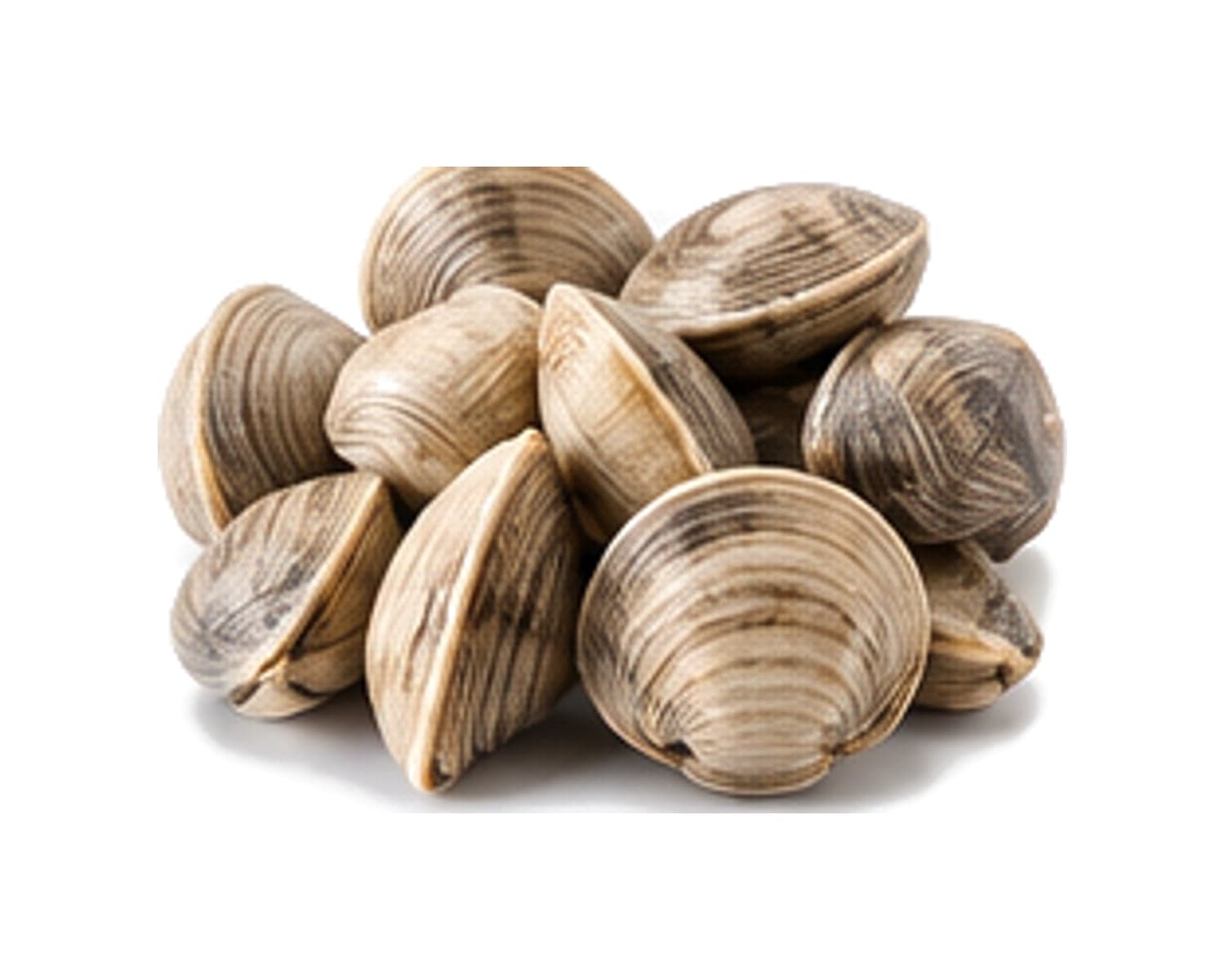
For sushi, Arctic surf clam is offered as whole cooked tongues graded by pieces per kilogram, as butterflied tongues opened ready for nigiri, and as pre-sliced toppings packed in trays with a set number of pieces. Atlantic surf clam is supplied as IQF or block meat, as tongues and as strips cut from the foot. Checks cover piece size and uniformity, tip color, sand, shell fragments, glaze and, for sliced product, the slice count per tray. For the smaller clams used in pasta, broths and steamed dishes, see frozen clams.
Offshore surf clam beds are monitored for paralytic shellfish toxins, and some grounds open only under a testing protocol, so harvest records travel with each lot alongside the tests we arrange for the PSP, ASP and DSP groups and microbiology. Sushi product is served without further heating after thawing, which makes the packer’s hygiene after cooking as important as the harvest itself. Results are linked to lot codes as described under export quality assurance, and the wider shellfish range is on the frozen and chilled shellfish page.
Specification sheet
Frozen Surf Clam: full specification
Indicative values. Final specifications are confirmed per lot on the quotation and certificate of analysis.
| Species | Mactromeris polynyma (Arctic); Spisula solidissima (Atlantic) |
|---|---|
| Origin | Atlantic Canada; US East Coast on request |
| Formats | Whole, butterflied or sliced tongues; IQF or block meat; strips |
| Size | Tongues pcs/kg; sliced cuts by pieces per tray |
| Processing | Cooked and frozen; raw meat for Atlantic surf clam |
| Quality checks | Tip color, sand, shell fragments, slice uniformity |
| Glazing | Declared per lot; net weight ex-glaze |
| Testing | PSP, ASP and DSP groups and microbiology, results by lot code |
| Shelf life | Typically 12–24 months at -18 °C or colder |
| Documents | Sanitary certificate, harvest-ground records and surf clam lab reports |
| Minimum order | From 500 kg per item, which can be consolidated with other frozen shellfish in a mixed reefer. |
| Lead time | Generally 3–5 weeks after the specification is signed off, depending on fishing trips and processing slots at origin. |
FAQ
Frozen Surf Clam: questions from buyers
What is hokkigai?
Hokkigai is the Japanese sushi name for surf clam. It first referred to the Sakhalin surf clam of Hokkaido, but much of the hokkigai served in sushi bars around the world is Arctic surf clam (Mactromeris polynyma) from Atlantic Canada, cooked and frozen. The foot, or tongue, is the part used: it has a sweet, mild flavor, a crisp bite and a vivid red-pink tip that looks striking on nigiri and in sashimi assortments. It is served without any further cooking.
Is surf clam for sushi raw or cooked?
Frozen hokkigai in international trade, mostly Arctic surf clam, is cooked before freezing. The clams are blanched or boiled briefly, which sets the texture, deepens the red-pink color of the tip and makes the tongue easy to clean, and the product is then frozen. Because it is eaten without further heating after thawing, it should be handled as a ready-to-eat food, so the cold chain, thawing practice and the time between thawing and service all matter. Keep thawed product chilled and use it the same day.
What is Atlantic surf clam used for?
Atlantic surf clam (Spisula solidissima) is the mainstay of North American clam processing. Its large foot is cut into strips for breaded fried clams, and the remaining meat is chopped or minced for chowder, soups, sauces and dips. For importers and manufacturers it suits soups, ready meals and coated products where a clean clam flavor and consistent cut size matter more than appearance. It is supplied on request, raw or cooked, IQF or in blocks.
How are sliced hokkigai packs graded?
Sliced packs are specified by the weight of each slice and the number of slices per tray, sized for a standard nigiri, so a sushi kitchen can cost each portion precisely. We check slice weight against the agreed range, uniformity of shape, tip color and torn or broken pieces, and we verify that the tray count matches the label. Whole tongues are graded by pieces per kilogram for kitchens that prefer to cut their own slices to house style.
Related
Related products
Frozen & Live Seafood
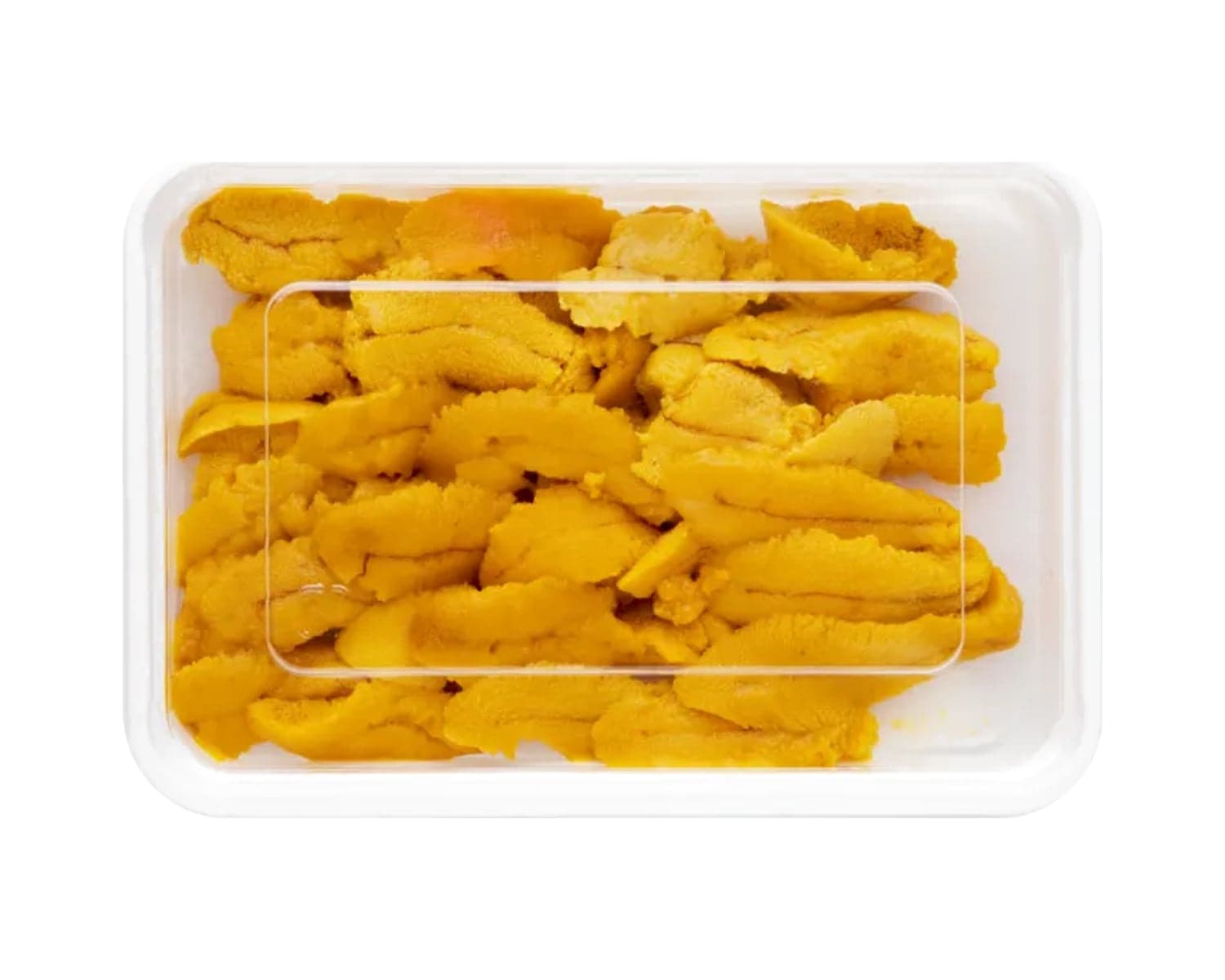
Sea Urchin Roe (Uni)
Chilled uni trays and frozen packs, graded by color and firmness
Chilled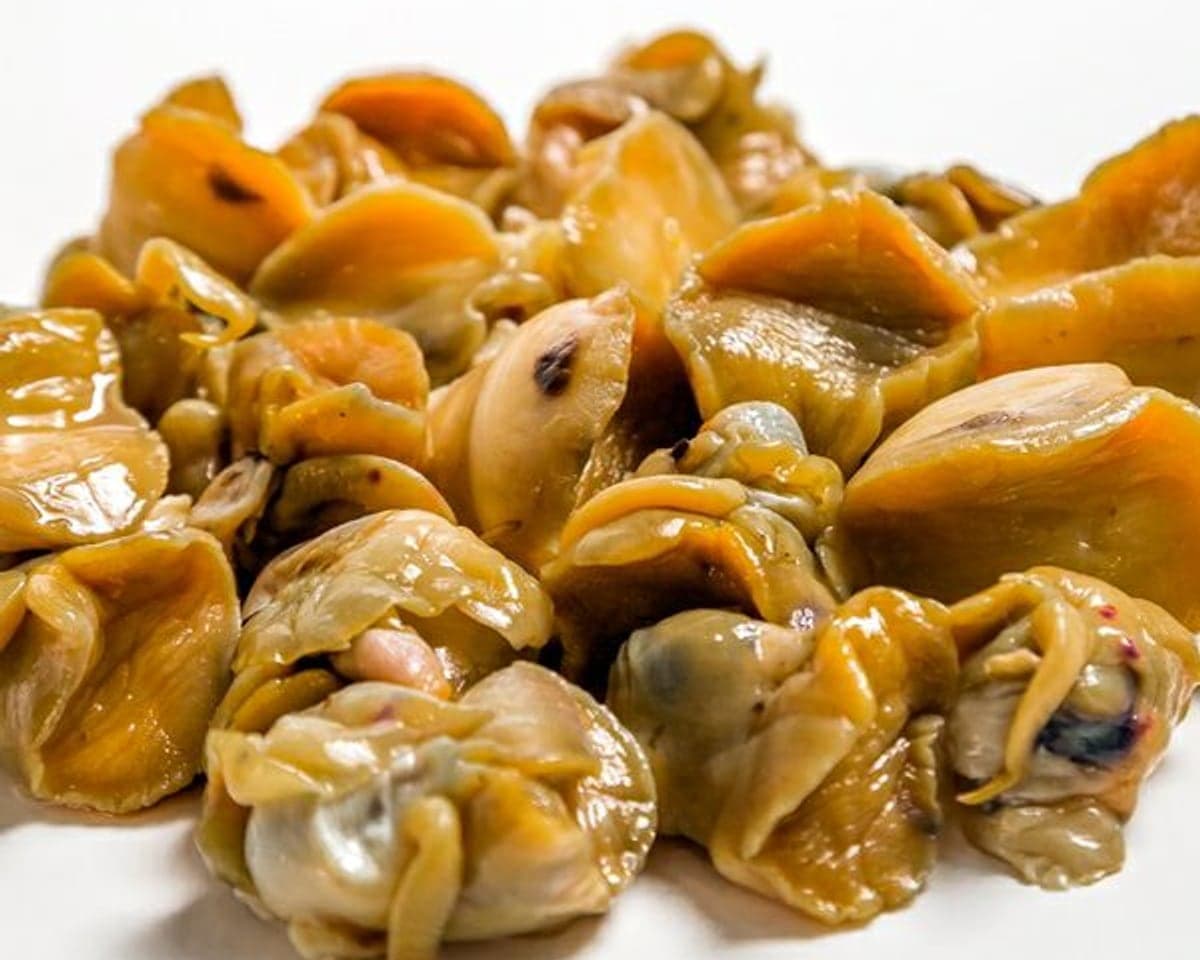
Buyer guides
Species Profiles6 min read
Surf Clams and Hokkigai: The Arctic and Atlantic Species Explained
Two very different products share the name surf clam: the red-tipped Arctic clam sliced for sushi and the big Atlantic clam cut into strips and chowder meat. Here is how they, and their Japanese cousin, differ.
Read the guide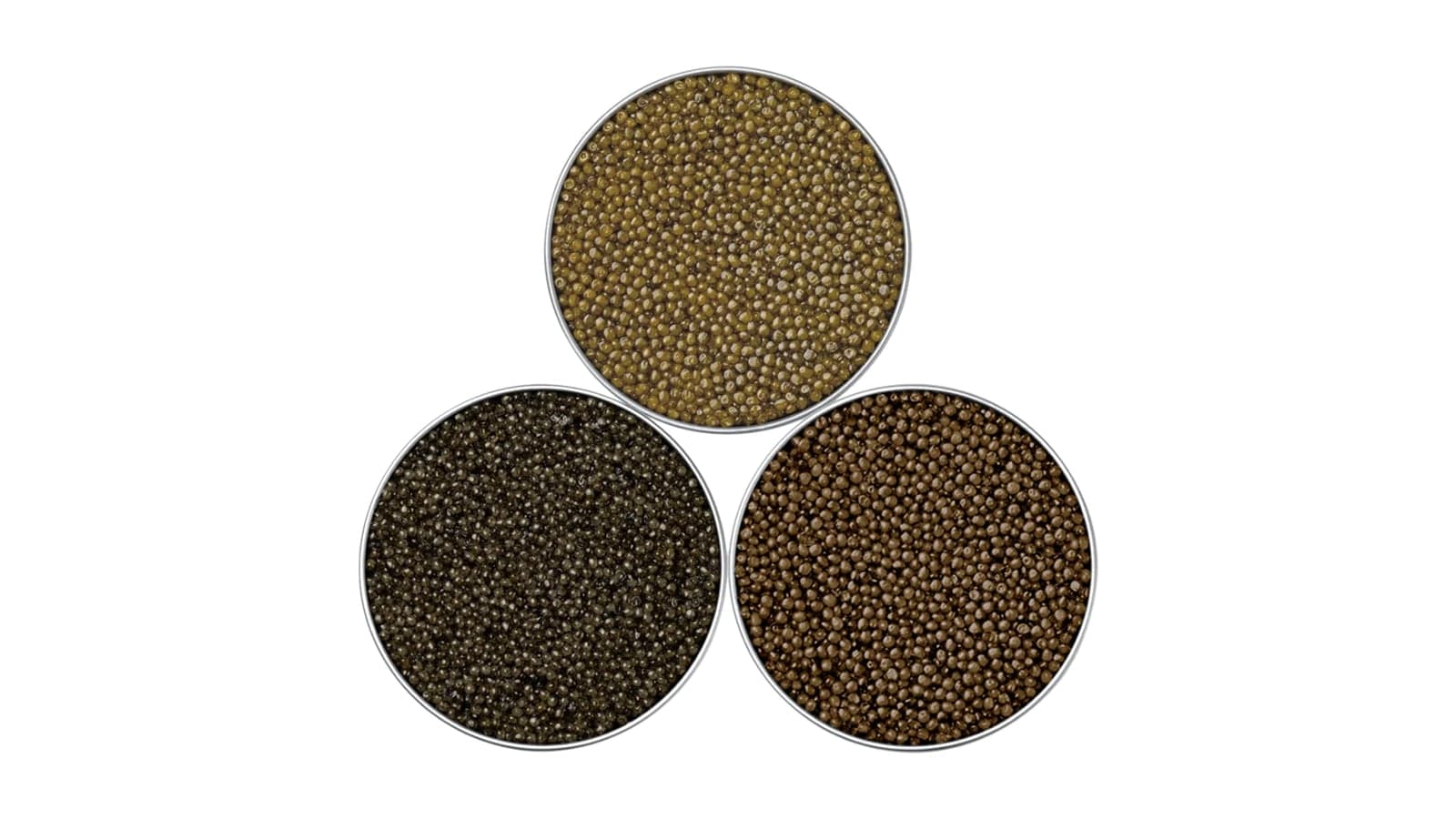
Buying Guide7 min read
Choosing Premium Seafood Ingredients for Restaurants and Retail
How chefs, foodservice buyers and brand owners match grade and format to the application, compare suppliers on cost per portion, and keep quality consistent across orders and channels.
Read the guide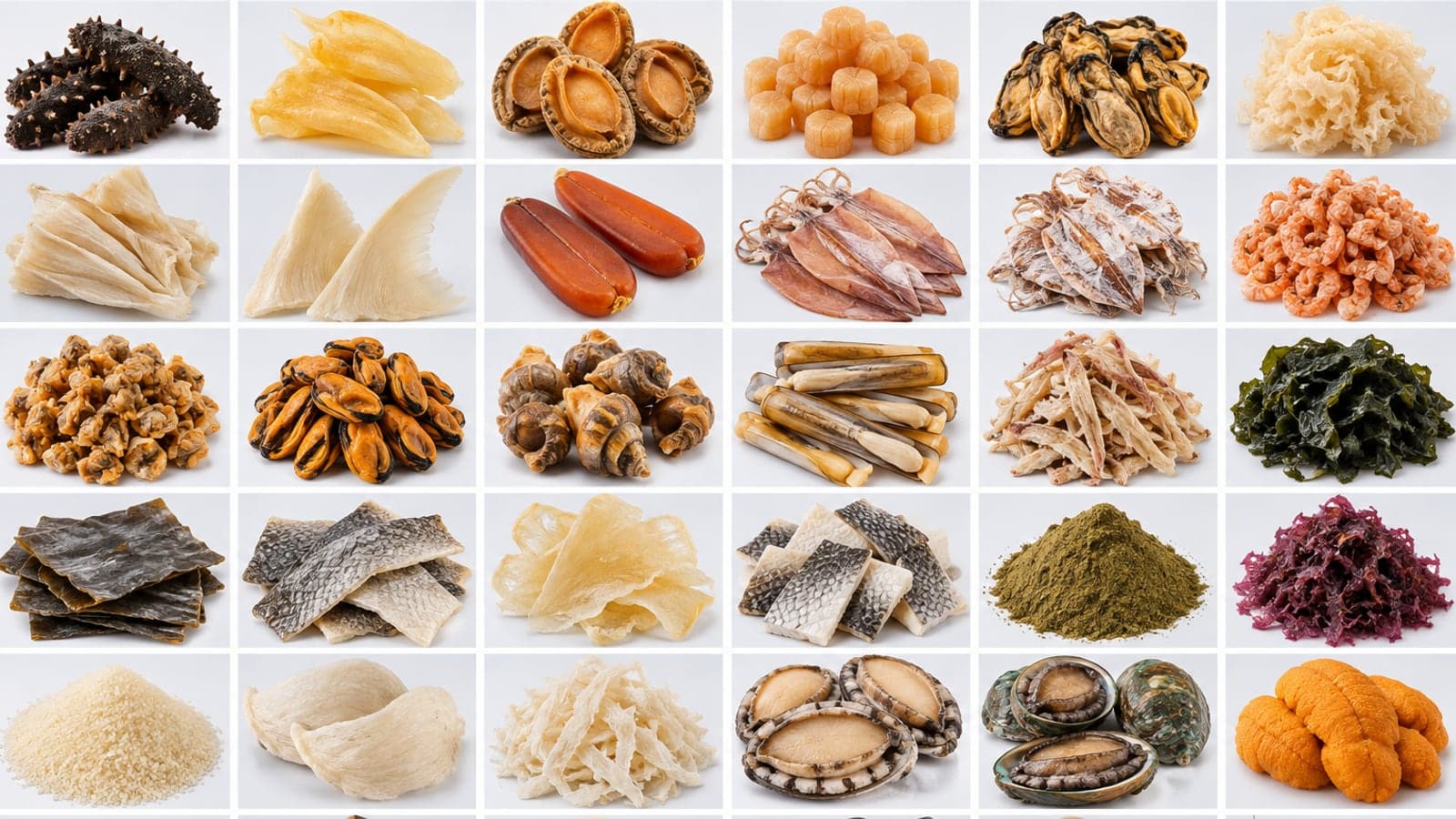
Import & Compliance7 min read
What Importers Need to Know Before Ordering Dried Seafood
The market-access, species, documentation, classification and commercial checks an importer should complete before placing a first order for dried seafood.
Read the guide
Request a quote
Request a quote for frozen surf clam
Share your target grade, packing, volume and destination. We confirm availability, documentation for your market and a formal quotation, usually within one business day.
- Grade, size or count required
- Packing format and labeling language
- Estimated volume and order frequency
- Destination port or airport and Incoterm
- Reference: Frozen Surf Clam