- Private-label packing
- Export documentation
Frozen & Live Seafood
Frozen Clam Supplier: Manila and Hard Clams in Shell, Half-Shell or Meat
Manila clams, Asian hard clams and quahogs supplied raw or cooked, whole in the shell, on the half-shell or as meat, with sand, count and glaze checked on every lot and biotoxin testing set to destination limits.
- Manila clams, Asian hard clams, and quahogs on request
- Whole raw IQF, whole cooked, half-shell and meat
- Sand content checked on thawed samples from each lot
- Whole clams graded by pieces per kilogram
- Closed and broken shells recorded for cooked lots
- Harvest-area details and test reports by lot code
Product Specifications
Indicative; confirmed per lot on each quotation.
- Origin
- China, Korea and Japan for Manila clam; China and Southeast Asia for Asian hard clams; Southeast Asia for baby clams; North America for quahog on request. Growing area declared per lot and checked against destination eligibility.
- Grade / Size
- In-shell clams by pieces per kilogram (e.g. 40–60, 60–80, 80–100 pcs/kg); quahog by littleneck, cherrystone and chowder sizes; clam meat by count per kilogram.
- Form & Processing
- Purged of sand, then frozen raw and whole (IQF), cooked whole in vacuum pouches, frozen on the half-shell, or shucked as raw or cooked meat in IQF or block form.
- Storage
- Keep frozen clams at -18 °C or colder and thaw under refrigeration; hold chilled clams at 0–4 °C and use them within the packer’s date.
- MOQ
- From 500 kg per item for frozen clams, mixable with other shellfish in one reefer; chilled clams by weekly carton allocation where offered.
- Lead Time
- Frozen clams generally 3–5 weeks after the specification is signed off; chilled clams follow harvest openings and air cargo schedules.
Product overview
Clams go into pasta, chowder, Asian broths and seafood platters, and the complaint buyers raise most often is grit. A cook may forgive a slightly smaller count but not sand in a finished sauce, so the purging step before processing matters as much as the species. We ask packers how long live clams were held in clean seawater to expel sand, check sand content on thawed samples, and report it per lot alongside count, glaze and shell damage. That gives you evidence to judge a supplier by, rather than a single sample bag sent months before the order.
Manila clam (Ruditapes philippinarum), farmed on a very large scale in China and also produced in Korea and Japan, is the volume item: a thin, cross-ribbed and often patterned shell with sweet meat suited to vongole, miso soup and steamed dishes. Asian hard clams of the genus Meretrix, with a smooth, glossy shell, are farmed in China and Southeast Asia and sold whole, on the half-shell or as meat. Southeast Asian fisheries also supply Paphia clams, chiefly the undulated surf clam (Paphia undulata, now classified as Paratapes undulatus), sold in the trade as baby clam and usually shipped as shucked meat or whole cooked clams. The North American hard clam or northern quahog (Mercenaria mercenaria) is available on request, graded by the familiar littleneck, cherrystone and chowder sizes.
Formats include raw whole clams frozen IQF, whole clams cooked and frozen in vacuum pouches, frozen half-shell clams for baked and grilled dishes, and raw or cooked meat frozen IQF or in blocks for chowder, soups and ready meals. Whole clams are graded by pieces per kilogram, for example 40–60 or 60–80, and meat by count per kilogram. Cooked clams should open fully during processing, so the share of closed or broken shells is recorded together with the glaze level. Chilled supply of some clam species can be air-freighted on short routes, subject to harvest openings.
Clams feed by filtering seawater, so they can accumulate marine biotoxins and pick up bacteria and viruses wherever growing waters are affected. Harvest-area classification details accompany each shipment, and testing for the PSP, ASP and DSP groups and for microbiology is arranged against your market’s limits, with reports tied to lot codes as described under export quality assurance. For dried clam meat used in stocks and congee, see dried clams, and for the large clams sliced for sushi, see frozen surf clam.
Specification sheet
Frozen Clams: full specification
Indicative values. Final specifications are confirmed per lot on the quotation and certificate of analysis.
| Species | Ruditapes philippinarum, Meretrix spp., Paphia spp.; Mercenaria mercenaria on request |
|---|---|
| Origin | China, Korea, Japan, South-East Asia; growing area per lot |
| Formats | Whole raw IQF, whole cooked vacuum-packed, half-shell, meat |
| Size | In-shell pcs/kg; quahog by trade size; meat count per kg |
| Sand | Checked on thawed samples; result reported per lot |
| Glazing | Given per lot; net weight excludes glaze |
| Testing | Biotoxin groups and microbiology against the importing market’s limits |
| Allergens | Molluscs; packer’s cross-contact statement |
| Shelf life | Typically 12–24 months at -18 °C or colder |
| Documents | Sanitary certificate, growing-area classification and clam lot test reports |
| Minimum order | From 500 kg per item for frozen clams, mixable with other shellfish in one reefer; chilled clams by weekly carton allocation where offered. |
| Lead time | Frozen clams generally 3–5 weeks after the specification is signed off; chilled clams follow harvest openings and air cargo schedules. |
FAQ
Frozen Clams: questions from buyers
How do you control sand in frozen clams?
Sand has to be removed before processing, not after, by holding live clams in clean, circulating seawater so that they purge themselves. Once the clams are frozen nothing more can be done, so we check the result on thawed samples from each lot, looking for grit in the meat and in the cooking liquid, and record the finding against the lot code. If your kitchen works to a tolerance, for example no perceptible grit in a 500 g sample, put it in the specification and we will check against it.
Should I buy raw or cooked frozen clams?
Raw whole IQF clams open in the pan like fresh clams and release their own juice, which suits pasta, steamed dishes and broths where that liquor carries the flavor. Cooked clams in vacuum pouches are quicker to use and more forgiving in volume service, and the liquid in the pouch can go straight into the sauce. Raw meat suits chowder and processing, while cooked meat works well in fillings and ready meals. Each lot states whether it is raw or cooked, because handling and labeling differ.
What is the difference between Manila and hard clams?
Manila clams (Ruditapes philippinarum) have a thinner, ribbed and often patterned shell and are usually the smaller of the two, with sweet, tender meat that suits quick cooking. Asian hard clams (Meretrix spp.) have a thicker, smooth, glossy shell and a slightly firmer bite, and they hold up well in soups and on the half-shell. The northern quahog, also called hard clam in North America, is larger again and is often chopped for chowder. We name the species on every offer to avoid confusion over common names.
How much glaze is on IQF clams?
Whole IQF clams usually carry a thin protective glaze that limits dehydration and freezer burn in storage; the level depends on the packer and the format, and cooked clams in vacuum pouches often need little or none. The percentage is declared for each lot, and net weight is always quoted with the glaze excluded. If your market or your customer sets a ceiling on glaze, give us the figure before production starts so that the lot can be packed to it rather than reworked.
Related
Related products
Frozen & Live Seafood
Frozen Surf Clam
Arctic surf clam for sushi and Atlantic surf clam for chowder
Frozen
Frozen & Live Seafood
Frozen Mussels
Blue, Chilean and green-lipped mussels, whole, half-shell or meat
Frozen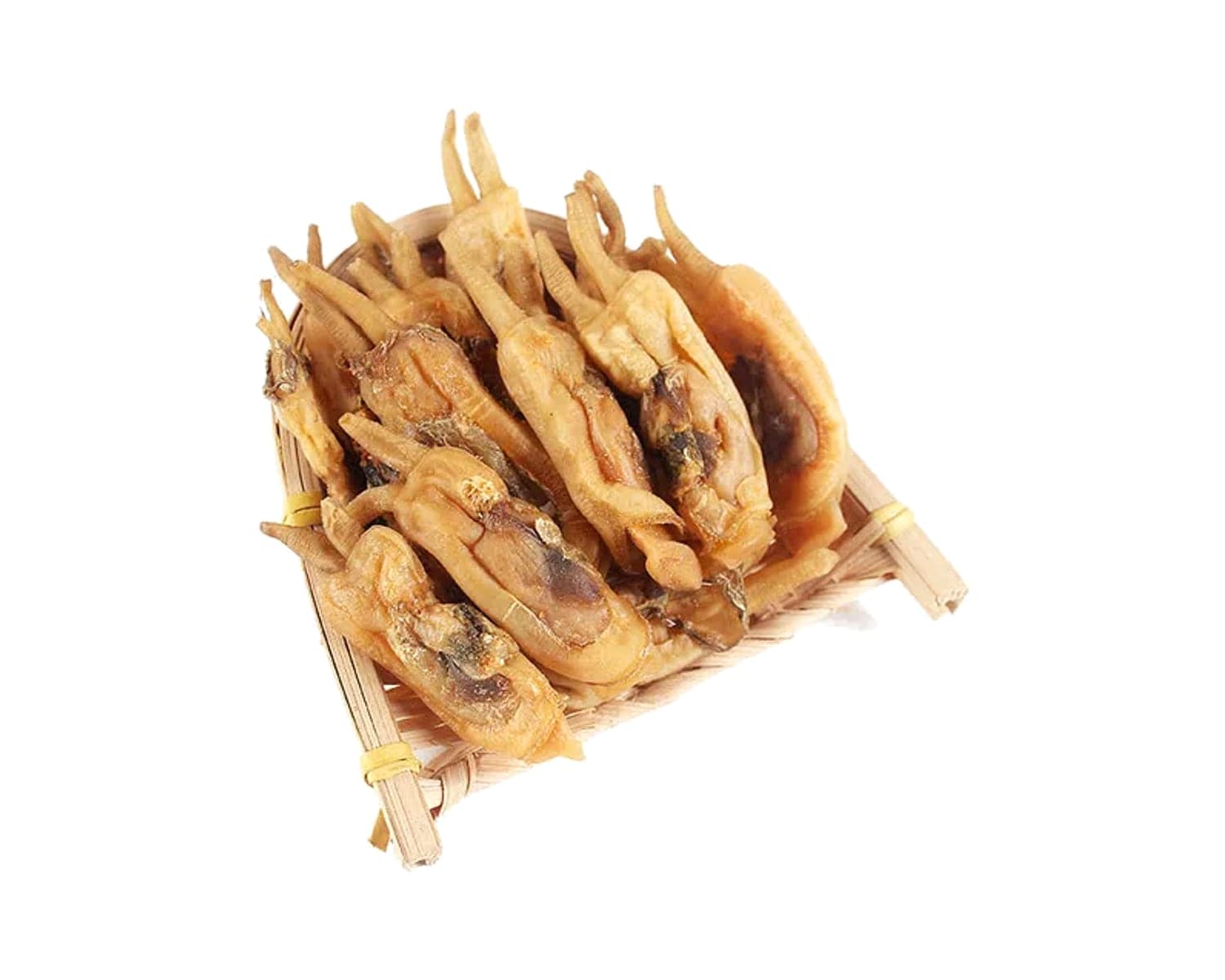
Specialty Dried Seafood
Dried Razor Clams
Sun-dried razor clam meat, length-graded and grit-checked
Dried
Buyer guides
Species Profiles7 min read
Clams by Species: Manila Clams, Hard Clams, Quahogs and Relatives
A field guide to the clams that matter in trade, from the Manila clam farmed on Asian mudflats to the quahog of New England, with the names, shells and dishes that set each one apart.
Read the guide
Buying Guide7 min read
Choosing Premium Seafood Ingredients for Restaurants and Retail
How chefs, foodservice buyers and brand owners match grade and format to the application, compare suppliers on cost per portion, and keep quality consistent across orders and channels.
Read the guide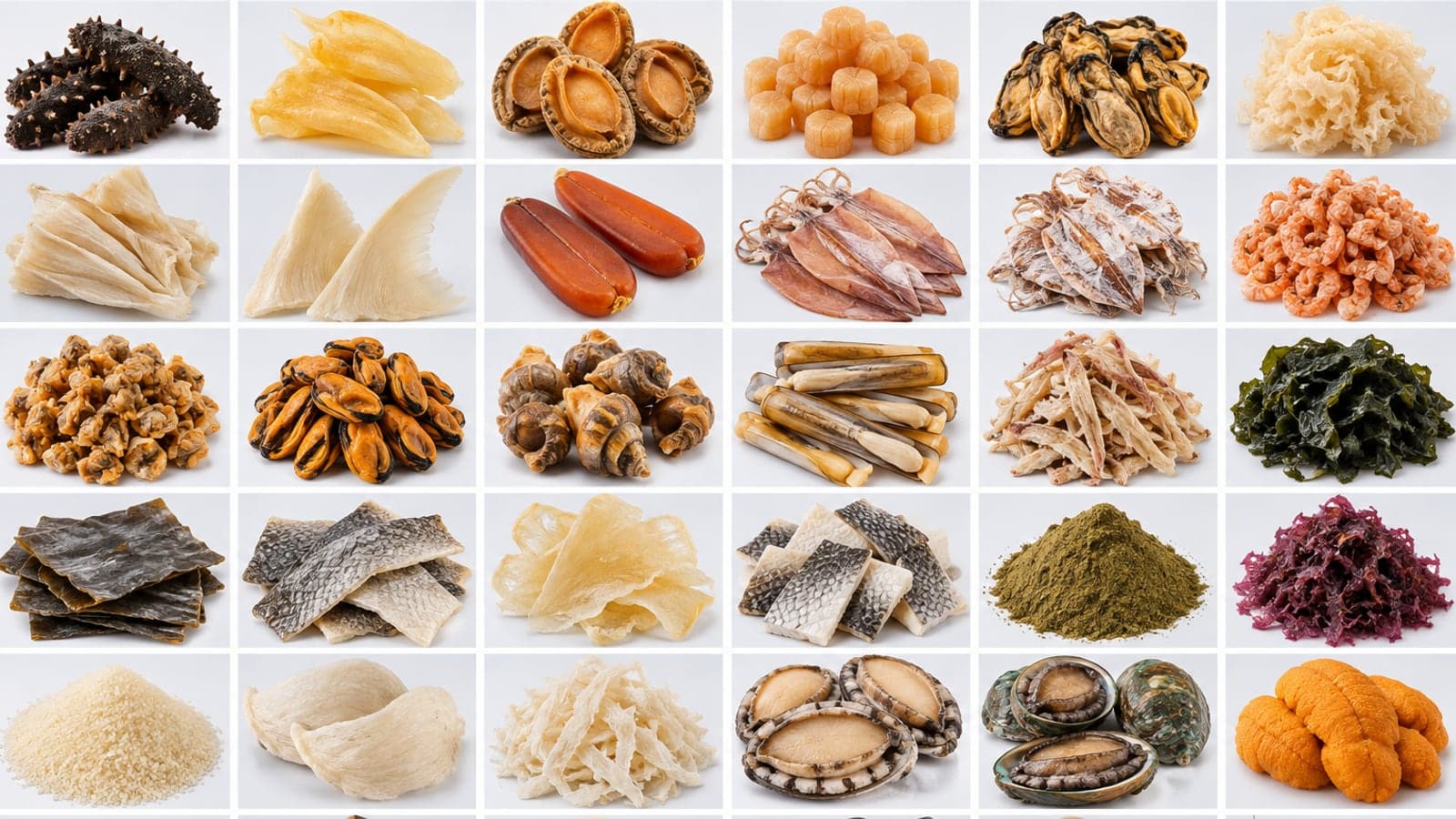
Import & Compliance7 min read
What Importers Need to Know Before Ordering Dried Seafood
The market-access, species, documentation, classification and commercial checks an importer should complete before placing a first order for dried seafood.
Read the guide
Request a quote
Request a quote for frozen clams
Share your target grade, packing, volume and destination. We confirm availability, documentation for your market and a formal quotation, usually within one business day.
- Grade, size or count required
- Packing format and labeling language
- Estimated volume and order frequency
- Destination port or airport and Incoterm
- Reference: Frozen Clams