Marine Ingredients
Fish-Processing By-products for Industrial Use
Heads, frames, trimmings and viscera for industrial processing
Frozen
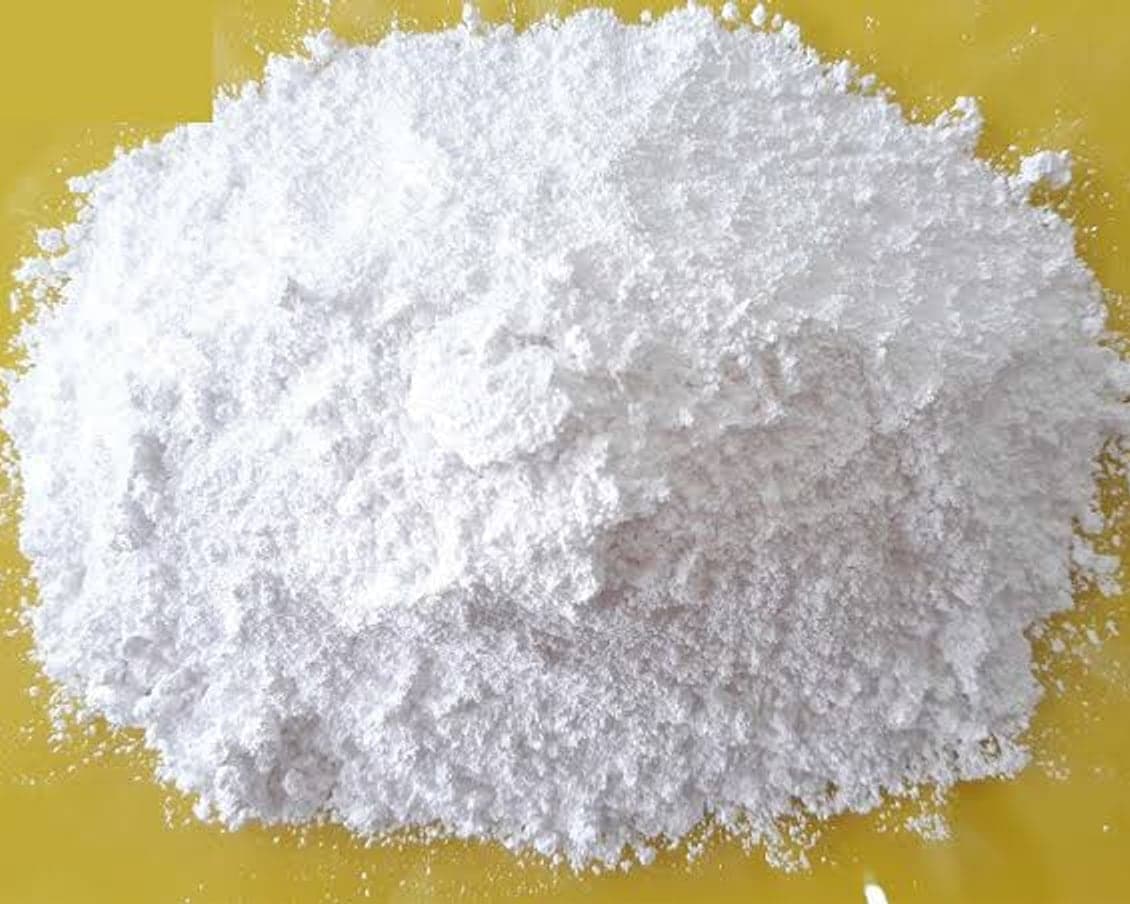
BSA Food Products supplies fish bones and milled fish-bone powder to calcium ingredient producers and food manufacturers, specified by species, processing route, mesh size and contaminant testing.
Indicative; confirmed per lot on each quotation.
Fish bone is the skeleton left behind after filleting, and once meat, fat and connective tissue are removed it becomes a calcium-phosphate raw material for ingredient producers. We supply it in two forms: frozen bones and frames for buyers who run their own cooking, defatting and milling, and dried, milled powder for food manufacturers who want a ready-to-use ingredient.
Bones come from food-grade processing of species such as tuna, salmon, cod and pollock, kept separate by species. For powder, the bones are pressure-cooked, defatted, dried and milled, then sieved to the agreed mesh size, commonly from coarser grades of around 80 mesh to fine grades of 200 mesh or more on request. Color ranges from off-white to pale cream depending on species and defatting, and residual fish odor is controlled through cooking and drying conditions.
Because bone can accumulate trace elements, each powder lot can be tested for lead, cadmium, mercury and arsenic against the limits of the destination market, together with microbiological parameters and moisture. Calcium and phosphorus content are reported per lot by certificate of analysis rather than quoted as fixed values, and our export quality assurance page explains how lot inspection and laboratory checks are arranged.
Buyers include calcium ingredient producers and food manufacturers that add bone powder to products such as seasonings, snacks or noodles. Whether and how a finished food may refer to its calcium content is governed by each market’s labeling and fortification rules, and that assessment rests with the manufacturer. Heads and frames destined for meal and oil are covered separately under fish-processing by-products.
Specification sheet
Indicative values. Final specifications are confirmed per lot on the quotation and certificate of analysis.
| Species | Tuna, salmon, cod, pollock; single-species lots |
|---|---|
| Forms | Frozen bones and frames; dried milled powder |
| Processing (powder) | Pressure-cooked, defatted, dried, milled, sieved |
| Mesh size | e.g. 80, 100 or 200 mesh; finer on request |
| Moisture (powder) | Typically ≤ 8% after drying and milling; confirmed per lot |
| Color / odor | Off-white to pale cream; mild residual fish odor |
| Contaminants | Lead, cadmium, mercury and arsenic tested against destination limits |
| Microbiology | Total plate count, coliforms and Salmonella on request |
| Shelf life | Powder typically 18–24 months sealed; frozen bones around 12 months |
| Documents | CoA per lot, species and plant declaration, origin certificate; health certificate when the destination’s rules call for one |
| Minimum order | Powder from 500 kg for trial orders; frozen bones by the container. |
| Lead time | 3–5 weeks for powder, allowing time for milling and laboratory results; frozen bones depend on plant accumulation. |
FAQ
Standard grades run from around 80 mesh for coarser applications to 200 mesh for smoother textures, and finer milling can be arranged where a plant has the equipment. Finer powders blend more evenly into doughs and seasonings but need additional milling time. Tell us your application and target particle size distribution, and we will propose a grade and a trial quantity.
Each lot can carry a certificate of analysis covering moisture, calcium, phosphorus, heavy metals (lead, cadmium, mercury, arsenic) and microbiological parameters, tested at a laboratory acceptable to you. We match the test panel and reporting limits to your destination’s food regulations. Additional parameters, such as particle size distribution or fluoride, can be added when your specification calls for them.
Frozen bones and frames are available for that purpose, supplied by species from food-grade fillet and loin plants, with residual meat and fat levels agreed in advance. This suits producers who prefer to control cooking, defatting and milling themselves. Frames intended for human-consumption processing are kept in the food chain throughout, while bones handled as by-products are offered separately for industrial uses.
We provide measured calcium and phosphorus values per lot so your technical team has accurate data to work from. The wording on finished-product labels, including any nutrition declaration or fortification statement, must be determined by the manufacturer under its own market’s rules. We do not supply label claims or marketing statements for bone powder.
Related
Marine Ingredients
Heads, frames, trimmings and viscera for industrial processing
Marine Ingredients
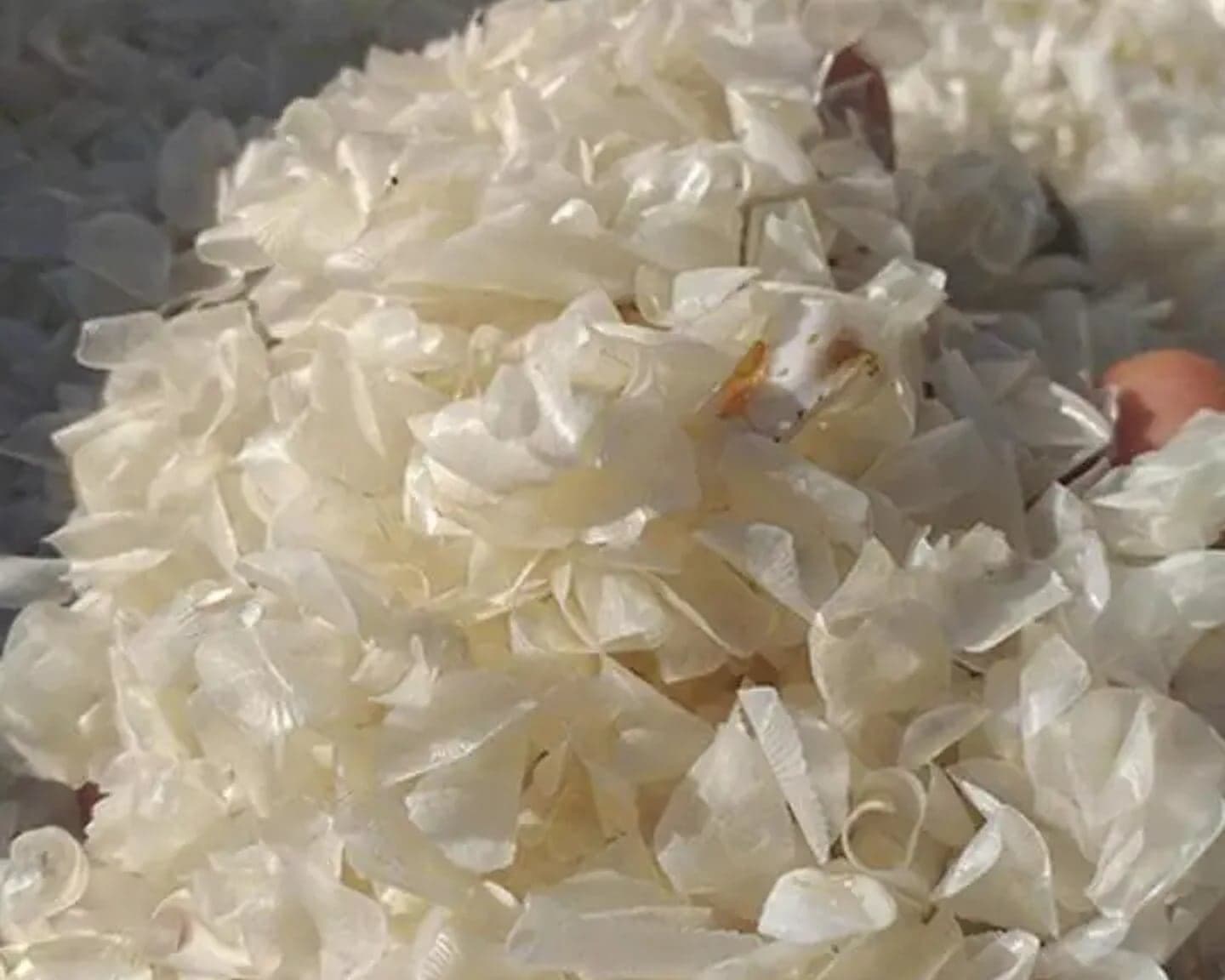
Cleaned, dried scales for collagen and gelatin extraction

Marine Ingredients
Skin, scale and bone streams for fish-gelatin production
Specialty Dried Seafood
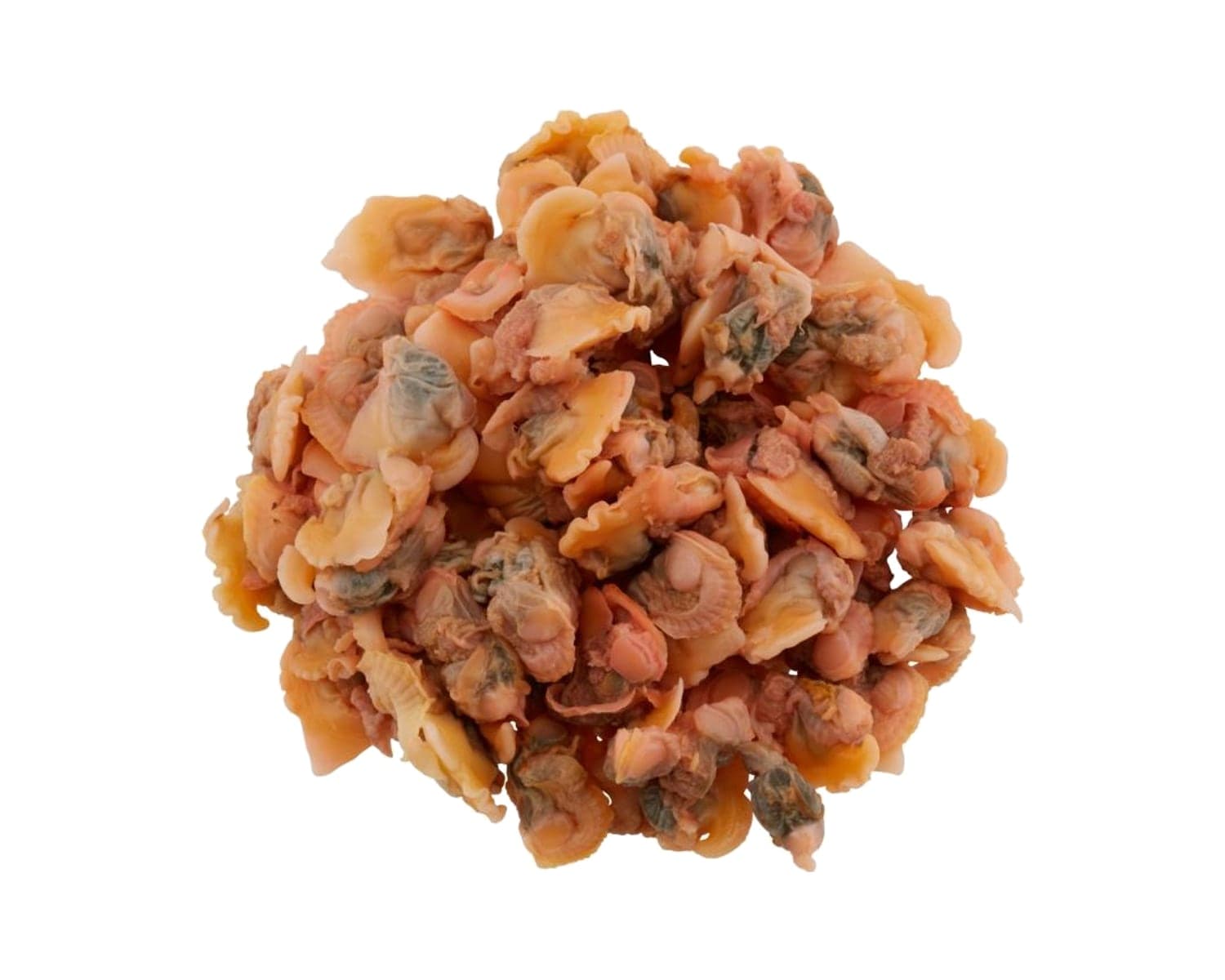
Salted fish, anchovy, croaker, octopus and more, on request
Import & Compliance7 min read
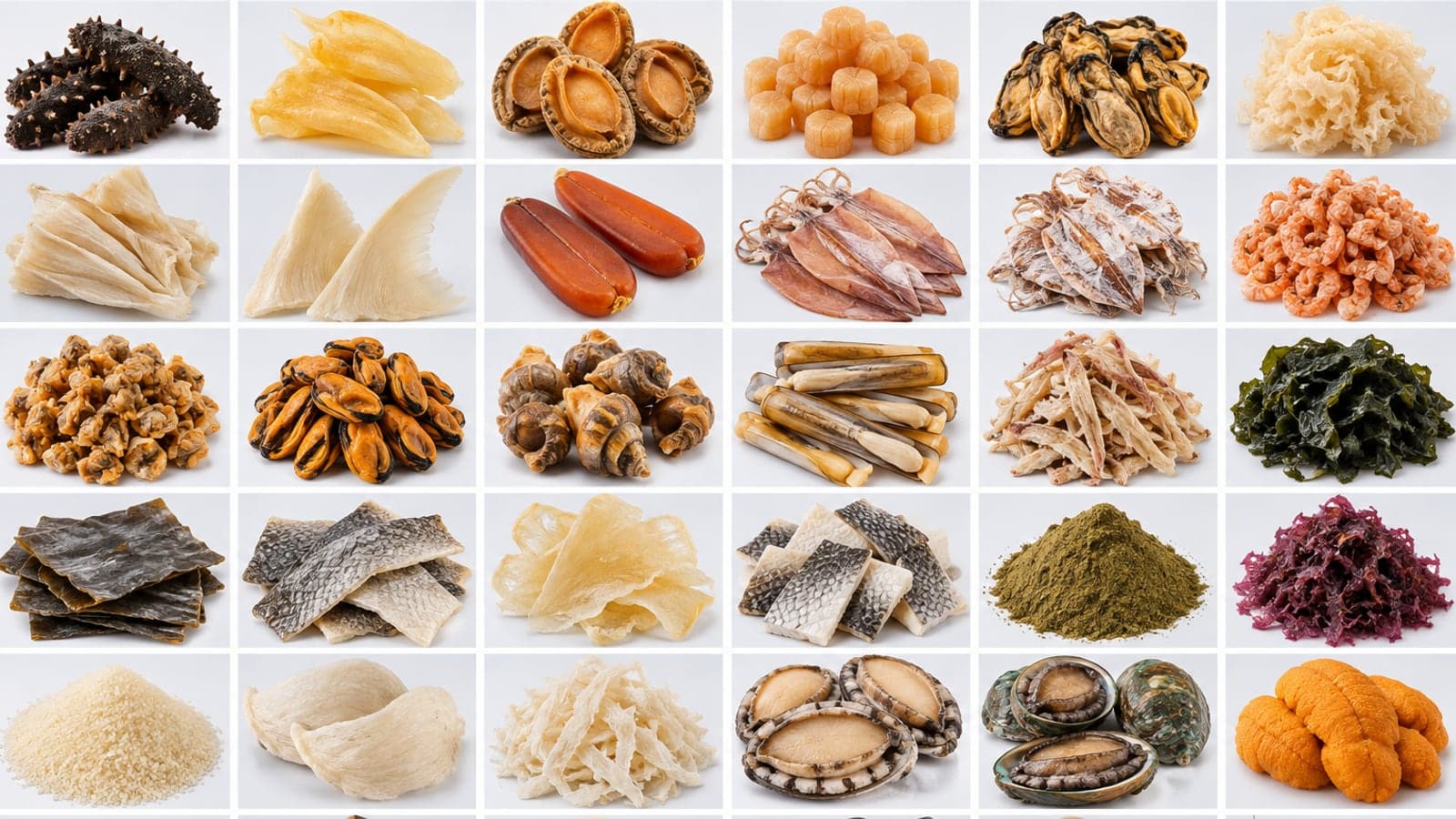
The market-access, species, documentation, classification and commercial checks an importer should complete before placing a first order for dried seafood.
Read the guide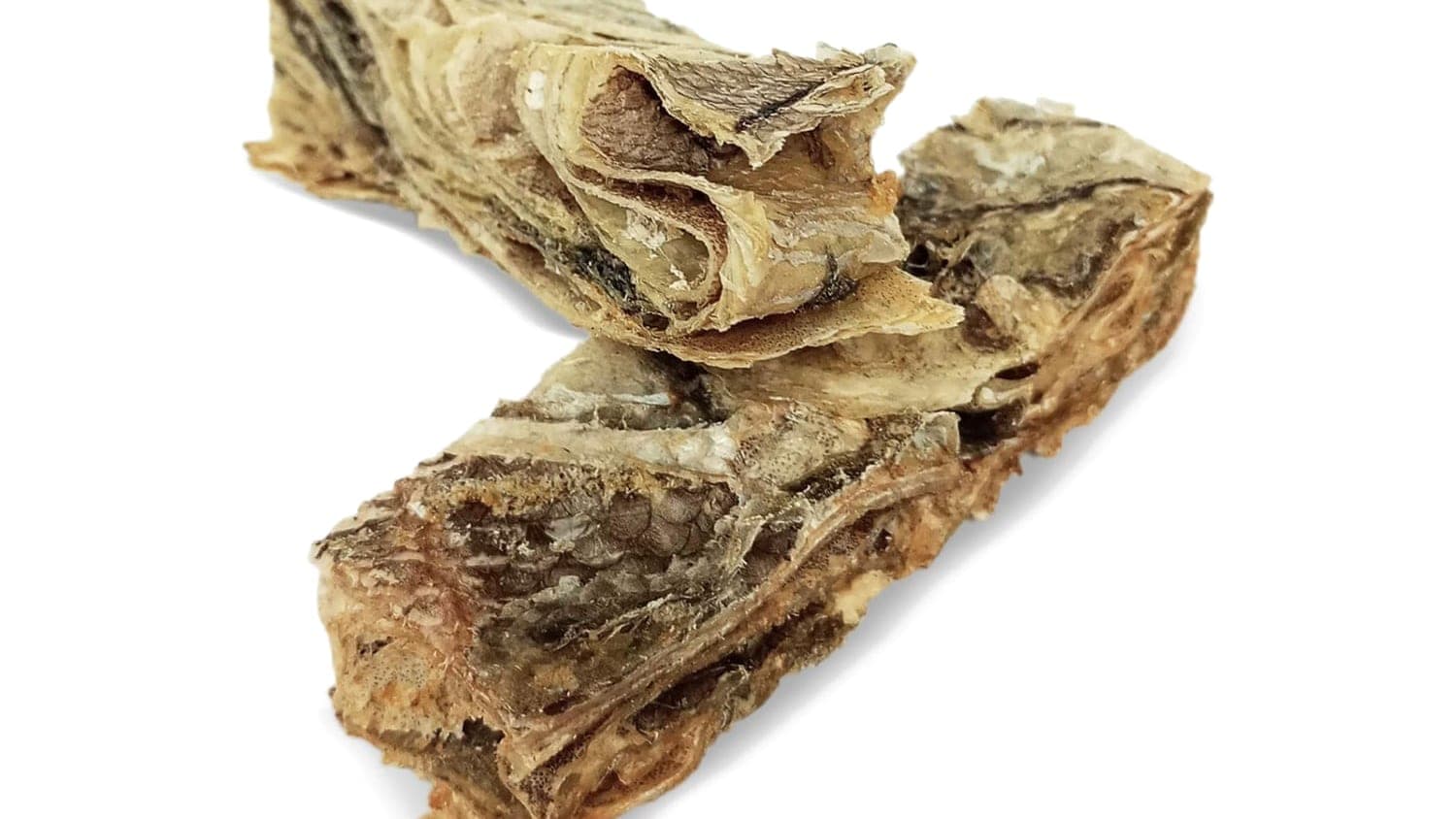
Buying Guide8 min read
A specification framework for fish skin, scales and bone bought as collagen, gelatin and calcium feedstock, from species declarations and handling forms to test parameters, stream designation and supplier qualification.
Read the guideRequest a quote
Share your target grade, packing, volume and destination. We confirm availability, documentation for your market and a formal quotation, usually within one business day.