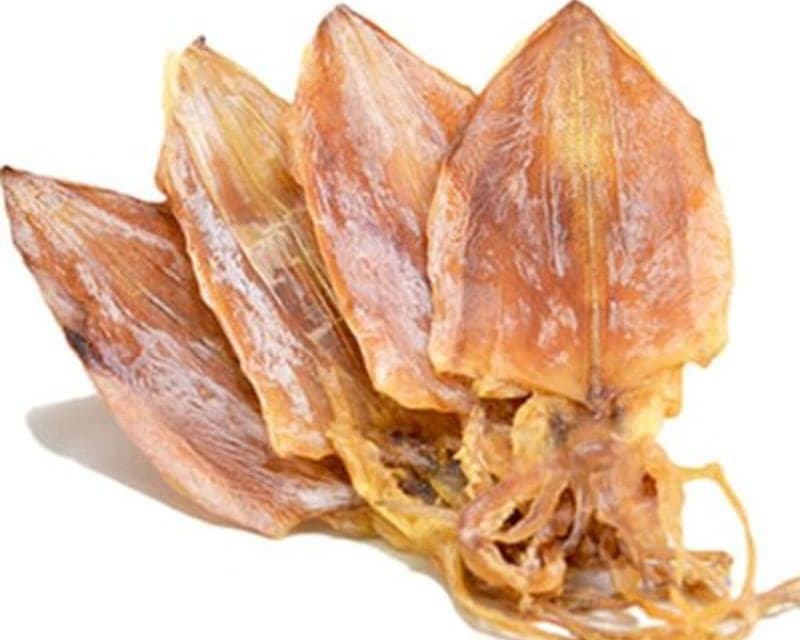
Specialty Dried Seafood
Dried Squid
Butterflied whole squid and seasoned shreds, graded by length
Dried
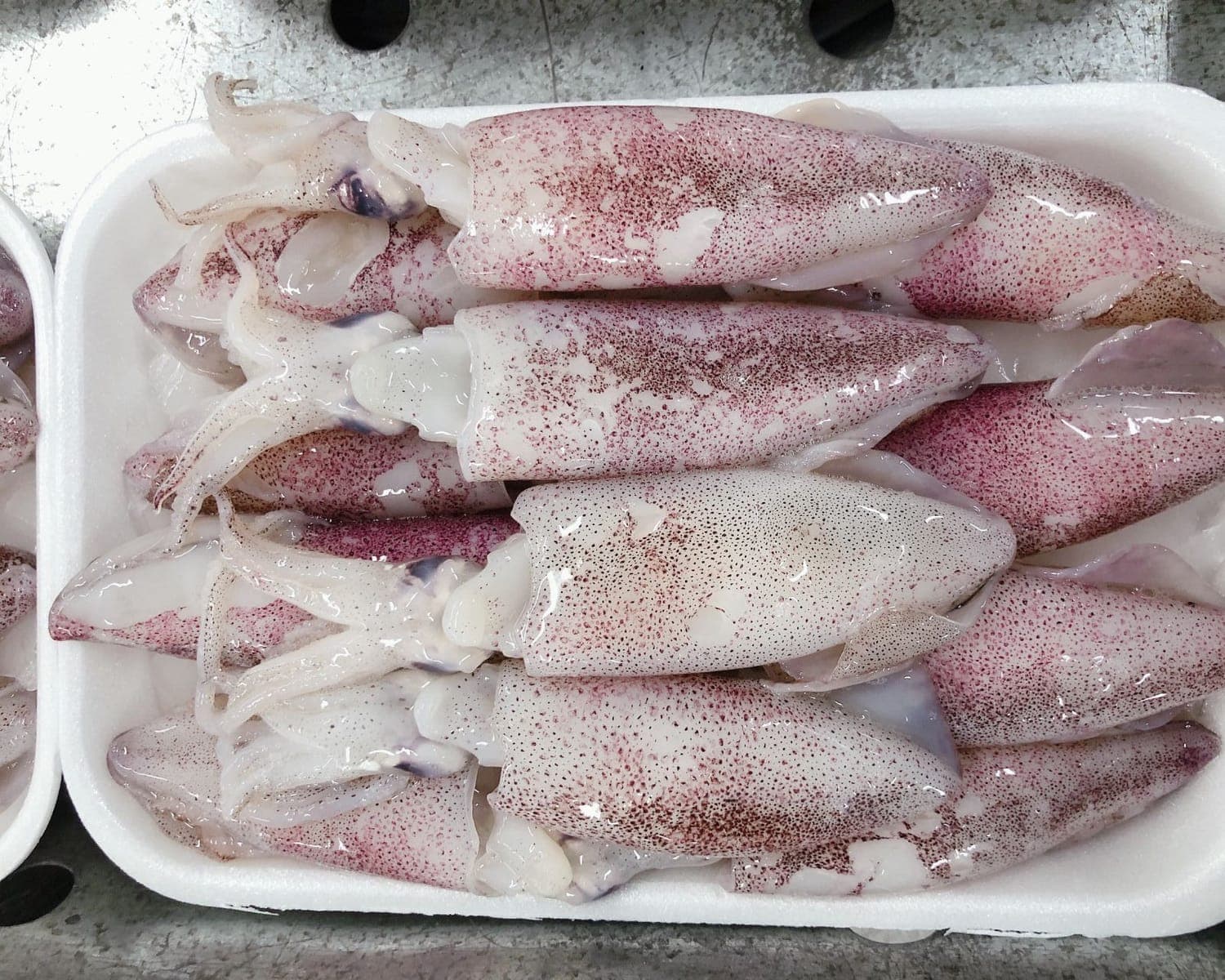
Inshore Uroteuthis squid and volume Illex and Todarodes squid, frozen whole or cleaned and cut into tubes, rings and tentacles, with species, catch area, glaze and any tenderizing soak named on every offer.
Indicative; confirmed per lot on each quotation.
Frozen squid is one of the largest cephalopod lines in world trade, and one where a loosely worded offer causes the most arguments on arrival. The word squid covers two families with different textures, yields and markets: the slender inshore squid of the family Loliginidae, and the larger, thicker-walled flying squid of the family Ommastrephidae. We quote each lot by scientific name, catch area, cut and count, and we state the glaze and any soaking treatment, because a ring cut from a tender inshore tube and a ring cut from a sea-frozen Illex mantle look alike in the bag but eat very differently.
For tender, sweet squid our main sources are Indian squid (Uroteuthis duvaucelii) and mitre squid (Uroteuthis chinensis), taken by trawl, light-luring nets and jigs in the Gulf of Thailand, the Andaman Sea and neighboring South-East Asian waters. Both were long classified in the genus Loligo, and many cartons and price lists still use that older name. For volume programs we offer Argentine shortfin squid (Illex argentinus), largely frozen at sea by jigging vessels in the South-West Atlantic, and Japanese flying squid (Todarodes pacificus) from the North-West Pacific. Arrow squid is a market name rather than a species: in New Zealand and Australia it means the Nototodarus flying squids, while elsewhere it is attached to some slender loliginid squid, so we write the scientific name beside it every time.
Whole round squid is frozen as caught, ungutted, in blocks or IQF, and graded by pieces per kilogram from large 3–5 counts down to small squid at 20 or more per kilogram; bigger Illex and Todarodes are often sold by piece weight instead. Cleaned squid has the head, viscera, ink sac and transparent pen removed. Tubes are cleaned mantles, usually skinned, sold with or without fins and graded by length or count, rings are cut across the tube, and tentacle crowns are packed separately with the beak taken out. A large share of Illex is landed frozen, then thawed, cut and refrozen in an Asian plant, which is normal practice but has to be reflected in the processing country we declare. Any phosphate or other tenderizing soak applied before freezing appears on the offer and the label.
On thawed samples, inspectors look for white to ivory flesh without the pink cast that signals age or temperature abuse, and for ink staining, leftover pen or beak, torn tubes, broken rings, sand and off odors, then check count and glaze against the declared net weight. Kitchens use tubes for stuffing and grilling, rings for fried calamari and paella, and whole small squid for Asian stir-fries and salads, while processors buy cut squid for batter lines and for our frozen seafood mix. Shelf-stable whole and shredded product is listed under dried squid, and squid shares a reefer easily with frozen cuttlefish and frozen octopus.
Specification sheet
Indicative values. Final specifications are confirmed per lot on the quotation and certificate of analysis.
| Species | Uroteuthis duvaucelii, U. chinensis; Illex argentinus and Todarodes pacificus for volume |
|---|---|
| Catch area | FAO area, vessel flag and processing country declared per lot |
| Formats | Whole round, whole cleaned, tubes, rings, tentacles, strips |
| Size | Whole squid pcs/kg (3–5 to 20+) or g per piece; tubes by length or count |
| Freezing | IQF or block; Illex often sea-frozen, then reprocessed |
| Treatment | Untreated, or tenderizing and phosphate soak declared |
| Glazing | Percentage given; net weight stated without the glaze |
| Allergens | Molluscs |
| Shelf life | As the packer declares, commonly 12–24 months frozen |
| Documents | Catch certificate and processing statement where required, health certificate, certificate of origin |
| Minimum order | From about 1 tonne per item for trial orders, combinable with octopus and cuttlefish in a mixed reefer; regular programs by 20 ft or 40 ft container. |
| Lead time | Usually 3–5 weeks once the specification is agreed; inshore catches follow the monsoon seasons and fishery closures, and Illex follows the South-West Atlantic season. |
FAQ
Loligo-type or inshore squid, which in Asian supply now means mostly Uroteuthis species, has a long, thin-walled mantle with fins running along much of its length, and it cooks to a tender, sweet bite even in the larger sizes. Illex and Todarodes are flying squid with short fins at the tip of a thicker, firmer mantle, and they give uniform, economical rings and tubes for volume menus and batter lines. Several markets label the two families differently, Spain for example separating calamar from pota, so the species on the offer must match the name on your pack.
Arrow squid is a common name, not a single species, and its meaning shifts between markets. In New Zealand and Australia it refers to the Nototodarus flying squids, and in other regions it is applied to slender inshore loliginid squid, such as Doryteuthis plei in the western Atlantic. When you ask us for arrow squid, tell us which product you have in mind, and our offer will name the scientific species so that the carton, the invoice and your own label all agree.
Some lots are, and the offer says so. Packers may soak cleaned tubes or rings in a solution of salt, phosphates or other permitted agents to soften the texture and limit drip loss, and an over-soaked product carries water that you pay for and then lose in the pan. Untreated squid is available for buyers who want it, and treated lots list the additive among the ingredients. If your market or your customer sets a limit on phosphate content or added water, include it in the specification and we will arrange testing against it.
Skinned squid should be white to translucent ivory. A pink or reddish tinge spreading through the mantle usually means skin pigment has leached into the flesh because the squid was held too warm, too long or thawed and refrozen, and it tends to come with a softer texture and a stronger smell. We look for it on thawed samples from each lot and reject lots where it is widespread. Natural color on the skin of whole round squid is a different matter and is judged on its own terms.
Related
Specialty Dried Seafood
Butterflied whole squid and seasoned shreds, graded by length
Species Profiles6 min read
Squid in trade comes from two main families with different textures, fisheries and names. This profile explains how to recognize each, where supply comes from and how cooks use whole, cut and dried squid.
Read the guide
Import & Compliance8 min read
A logistics guide for seafood buyers: reefer and dry-container shipping, temperature records, air freight for chilled and live product, where Incoterms 2020 place cost and risk, and the evidence a claim needs.
Read the guide
Buying Guide7 min read
How to specify and check frozen shrimp: species and cuts, count notation per pound or per kilogram, glaze and net weight, IQF and block formats, defects, treatment declarations and an arrival routine.
Read the guideRequest a quote
Share your target grade, packing, volume and destination. We confirm availability, documentation for your market and a formal quotation, usually within one business day.