- Private-label packing
- Export documentation
Frozen Fish
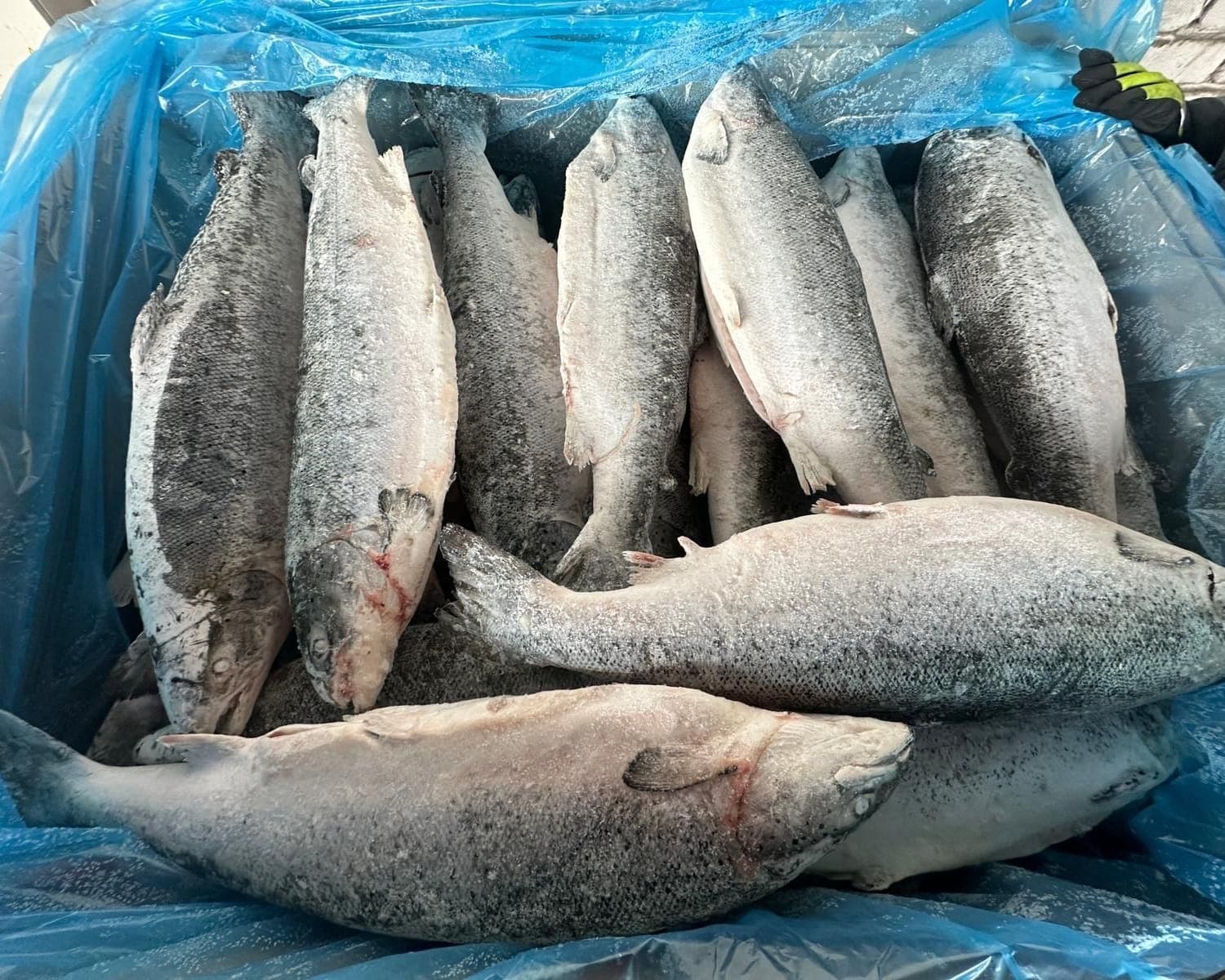
Frozen Atlantic Salmon: HOG Fish, Trimmed Fillets, Portions and Steaks
BSA Food Products sources frozen Atlantic salmon through partner packers in the main farming countries, as head-on gutted fish, trimmed fillets, fixed-weight portions and steaks, with the farming country, processing plant, trim and flesh color stated on every offer.
- Farmed Salmo salar from Norway, Chile and other cold-water origins
- HOG fish by kilogram band, fillets by trim, fixed-weight portions
- Farming country and processing plant named on each offer
- Trim, pin-bone status and color score written into the spec
- Cold-smoked sliced salmon, supplied frozen, by arrangement
- Vacuum-packed, interleaved or IQF, with private label on request
Product Specifications
Indicative; confirmed per lot on each quotation.
- Origin
- Farmed in Norway, Chile, Scotland, the Faroe Islands, Iceland, Canada and Tasmania, sourced through partner packers and secondary processors, with farming country and processing country declared per lot.
- Grade / Size
- HOG fish by weight band (e.g. 1–2, 2–3, 3–4, 4–5, 5–6, 6 kg up) and quality class; fillets by trim (A–E) and weight band; portions at fixed weights such as 125, 150 or 180 g.
- Form & Processing
- Head-on gutted whole fish, skin-on or skinless fillets with pin bones in or out, fixed-weight portions, bone-in steaks and cold-smoked slices; blast-frozen, IQF or vacuum-packed, with any glaze declared.
- Storage
- Hold at -18 °C or colder, and nearer -25 °C for long storage, since salmon fat oxidizes faster than lean white fish; thaw in the chiller and keep thawed fish at 0–4 °C. Thawed smoked salmon follows its chilled use-by date.
- MOQ
- Usually from one pallet per cut and size for a first order; regular programs by 20 ft or 40 ft reefer load, mixable with other frozen fish.
- Lead Time
- Typically 3–6 weeks from an agreed specification; smoked and private-label packs take longer while labels are approved.
Product overview
Atlantic salmon (Salmo salar) ranks among the highest-value species in the international seafood trade, and commercial supply is almost entirely farmed, in sea cages along cold, sheltered coastlines. Norway is by far the largest producer and Chile the second, with further volume from Scotland, the Faroe Islands, Iceland, Canada and Tasmania. Salmon is not a Thai species, and we do not present it as one: each order is sourced from partner packers in the farming country, or from secondary processors that cut fish from those origins into fillets and portions. The offer names both the country where the salmon was raised and the plant that processed it, which matters for labeling, for import eligibility and for customers who ask where their fish came from.
Whole fish are traded head-on and gutted (HOG) and graded by weight in kilogram bands, usually 1–2, 2–3, 3–4, 4–5 and 5–6 kg, with 6 kg and up for large-fillet programs. Producers also sort HOG salmon into superior, ordinary and production quality classes on the basis of external appearance, such as wounds, bruising, deformities and scale loss, and production grade is meant for processing rather than whole-fish sale. Fillets are described by trim, from Trim A, where the backbone and belly bones are removed but the pin bones stay in, through progressively cleaner cuts to Trim E, which is skinless and fully trimmed with pin bones out. Flesh color is scored against a standard color card, and retail and sushi buyers often write a minimum score into the specification.
The freezing format follows the cut. HOG fish are blast-frozen and glazed whole; fillets are usually vacuum-packed one by one or interleaved in cartons; and portions are cut from fillets to fixed weights such as 125 g, 150 g or 180 g, then frozen IQF or sealed in vacuum skin packs. Steaks are cut across the backbone, which keeps them economical for buffets and banquet menus. When samples arrive, buyers typically look at gaping between the muscle blocks, leftover pin bones, blood spots, dark melanin spots, belly-flap thickness and color score, along with yellowing fat or dry, pale patches that point to long storage or temperature abuse. How those findings link back to a lot code is set out on our export quality assurance page.
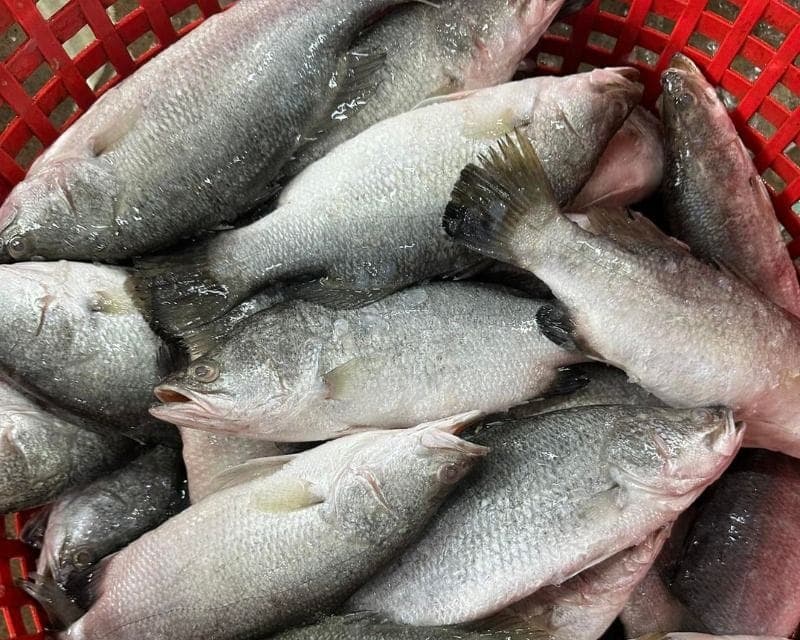
Frozen salmon supplies sushi counters, hotel buffets, retail portion ranges and processors making smoked, marinated and ready-meal lines. Sashimi programs tend to specify a higher color score and clean fat lines, retail chains in Europe and North America lean on skinless, boneless portions, and buyers with their own cutting rooms take HOG fish. Cold-smoked sliced salmon, produced by smokehouses in the farming countries, can be supplied frozen by arrangement. Menus built around salmon often add salmon roe and other fish roes, and frozen barramundi gives kitchens a white-fleshed alternative at a different price point.
Specification sheet
Frozen Atlantic Salmon: full specification
Indicative values. Final specifications are confirmed per lot on the quotation and certificate of analysis.
| Species | Salmo salar (Atlantic salmon), farmed |
|---|---|
| Origin | Norway, Chile, Scotland, Faroe Islands, Iceland, Canada, Tasmania; farming and processing country per lot |
| Cuts | HOG whole fish, fillets, portions, steaks; cold-smoked slices by arrangement |
| HOG grade | Weight bands from 1–2 kg to 6 kg up; superior, ordinary or production class |
| Fillet trim | Trim A to Trim E, pin bones in or out, skin on or off |
| Flesh color | Color card score stated for each salmon lot, with a minimum agreed on request |
| Glaze | Salmon glaze shown as a percentage on the label, with net weight invoiced ex-ice |
| Shelf life | Raw salmon usually 12–18 months at -18 °C or colder; smoked lines as labeled |
| Documents | Salmon health certificate from the farming or processing country, certificate of origin, packing list; residue reports on request |
| Minimum order | Usually from one pallet per cut and size for a first order; regular programs by 20 ft or 40 ft reefer load, mixable with other frozen fish. |
| Lead time | Typically 3–6 weeks from an agreed specification; smoked and private-label packs take longer while labels are approved. |
FAQ
Frozen Atlantic Salmon: questions from buyers
What is the difference between salmon fillet Trim A and Trim E?
The trim letters describe how much of the fillet has been cleaned up. Trim A has the backbone and belly bones removed but keeps the pin bones, the belly fat and the skin, so it suits buyers who finish fillets in their own plant. Each later trim removes more: pin bones, collarbone, belly fat, back and tail trimmings, until Trim E arrives skinless, boneless and ready to portion. Definitions vary a little between packers, so the offer spells out what has been removed rather than relying on the letter alone, and the usable yield per kilogram bought rises in step with the price.
Can frozen Atlantic salmon be served raw as sashimi?
It often is, but suitability for raw service depends on your market’s parasite-control rules as much as on the fish. Some authorities exempt farmed salmon raised on parasite-free feed from freezing requirements, while others expect a defined freezing treatment for any fish eaten raw, so the farming history and the freezing record both need to match your rules. Tell us at inquiry stage that the salmon is for raw use and we will ask the packer for the supporting documents, set the color and fat specification accordingly and keep handling notes with the lot. Request a quote with the intended use.
Why does farmed salmon flesh color vary between lots?
The pink-orange color comes from carotenoid pigments, mainly astaxanthin, which wild salmon take in from crustaceans and farmed salmon receive through their feed. Feed program, fish size and time of year all move the result, so two lots of the same weight band can look different on the counter. Buyers handle this by specifying a minimum score on a standard color card, and we report the score on each offer. Where pigments come from feed, some markets, including the United States, require that to be declared on the label.
Is smoked salmon shipped frozen or chilled?
Both exist, but for long export routes we supply cold-smoked salmon frozen, because chilled smoked salmon has a short life and leaves little time for sale after a sea or air journey. Freezing pauses the clock rather than resetting it: once thawed, the product is a chilled ready-to-eat food again and must be kept at refrigerator temperature and used within the period on its label, without refreezing. Pack sizes, slicing and interleaving are agreed with the smokehouse, and the labeling has to state the thawed shelf life clearly.
Related
Related products
Frozen & Live Seafood
Premium Roe and Caviar
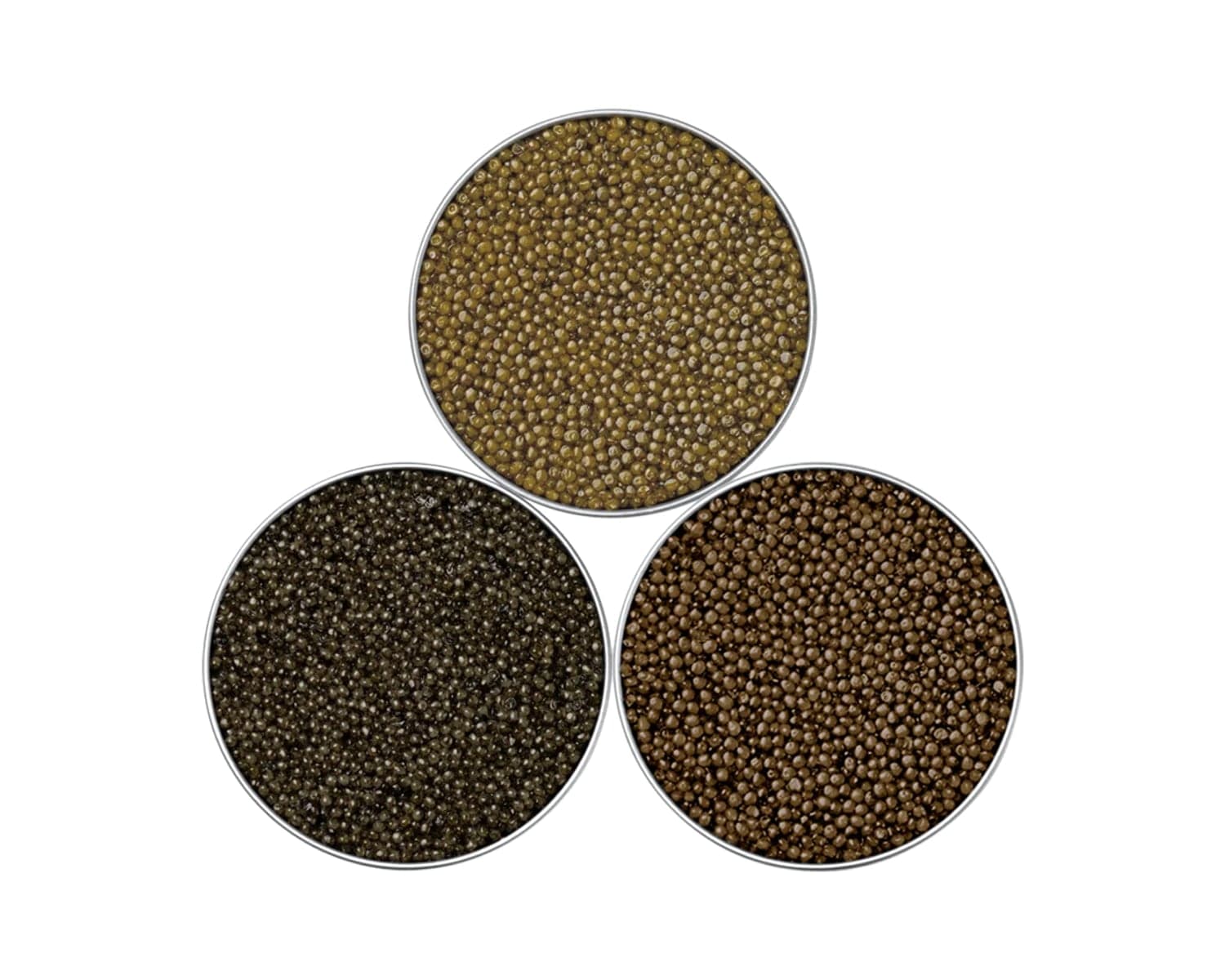
Farmed sturgeon caviar with CITES labels, plus ikura and tobiko
Chilled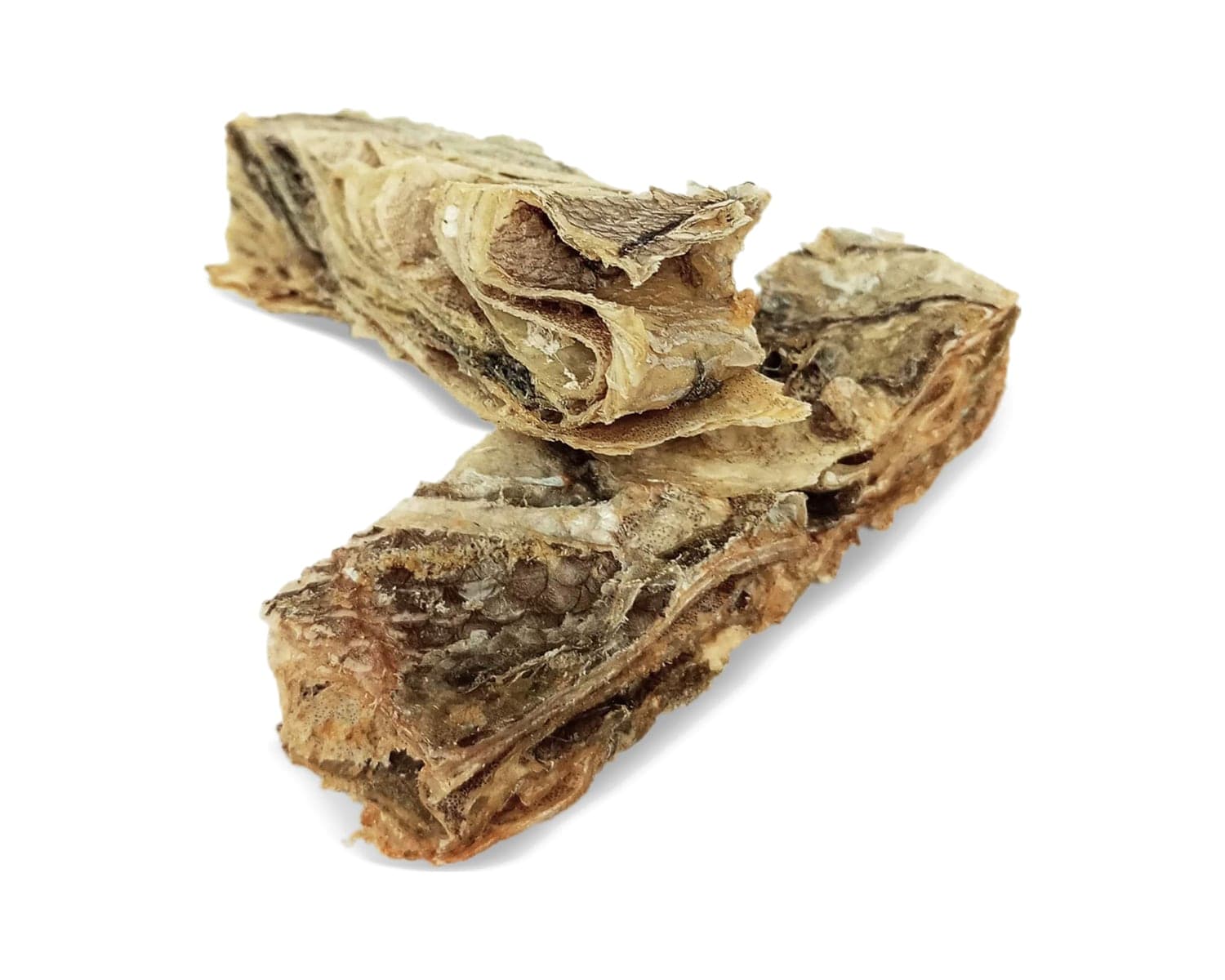
Marine Ingredients
Fish Skin for Food Processing
Descaled, trimmed skins for snacks, kitchens and extraction
Frozen
Buyer guides
Species Profiles8 min read
Atlantic Salmon: Biology, Farming Countries and the Pacific Salmon Difference
Nearly every Atlantic salmon in trade is farmed, in cold coastal waters from Norway to Tasmania. Here is how the species lives, where supply comes from and how to tell it from Pacific salmon and sea-farmed trout.
Read the guide
Import & Compliance8 min read
Shipping Seafood: Reefer Containers, Cold Chain and Incoterms
A logistics guide for seafood buyers: reefer and dry-container shipping, temperature records, air freight for chilled and live product, where Incoterms 2020 place cost and risk, and the evidence a claim needs.
Read the guide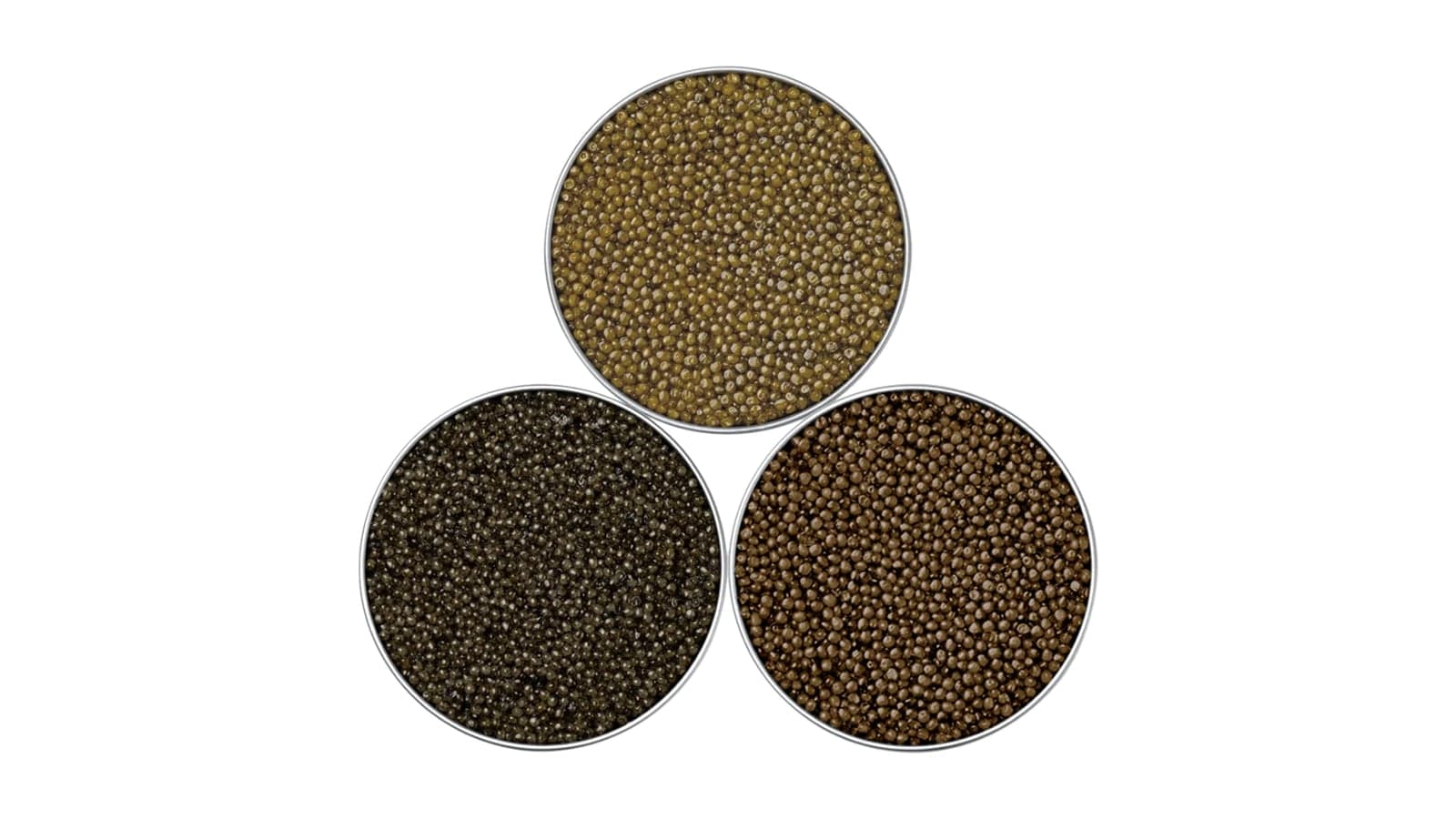
Buying Guide7 min read
Choosing Premium Seafood Ingredients for Restaurants and Retail
How chefs, foodservice buyers and brand owners match grade and format to the application, compare suppliers on cost per portion, and keep quality consistent across orders and channels.
Read the guide
Request a quote
Request a quote for frozen atlantic salmon
Share your target grade, packing, volume and destination. We confirm availability, documentation for your market and a formal quotation, usually within one business day.
- Grade, size or count required
- Packing format and labeling language
- Estimated volume and order frequency
- Destination port or airport and Incoterm
- Reference: Frozen Atlantic Salmon