- Private-label packing
- Export documentation
Frozen Fish
Frozen Carp Supplier: Common, Grass, Silver and Bighead Carp
BSA Food Products sources four farmed carp species (common, grass, silver and bighead carp) from partner producers in Asia, frozen whole, gutted, as steaks and fillets or, for bighead, as heads, with species and farming country declared on each lot.
- Common, grass, silver and bighead carp, named by species
- Whole round, gutted, steaks, fillets and bighead heads
- Graded by weight per fish, or per head for bighead
- Scored fillets for frying markets on request
- Thawed-sample checks for earthy taste and belly condition on request
- Sourced from partner farms in China and South and South-East Asia
Product Specifications
Indicative; confirmed per lot on each quotation.
- Origin
- China for all four species; Indonesia, Vietnam, Bangladesh and India for common carp. Sourced from partner producers, with species, farming country and plant declared per lot and checked against destination rules.
- Grade / Size
- By weight per fish: common carp 300 g to 1.2 kg and up, grass carp 500 g to 2 kg and up, silver carp 300 g to 1.5 kg and up, bighead carp 500 g to 3 kg and up; heads by individual weight.
- Form & Processing
- Whole round, gutted (scaled or scale-on), headed and gutted, cross-cut steaks, skin-on fillets (scored on request) and bighead heads; blast- or block-frozen whole fish, IQF steaks and fillets, glaze declared.
- Storage
- Keep at -18 °C or colder; thaw whole carp slowly in the chiller, allowing a day or more for large fish, and cook soon after thawing.
- MOQ
- One 20 ft reefer per origin for most programs; two or more carp species from the same producer can share a container.
- Lead Time
- Typically 4–6 weeks from confirmed specification, depending on harvest schedules at the partner farm and the cut required.
Product overview
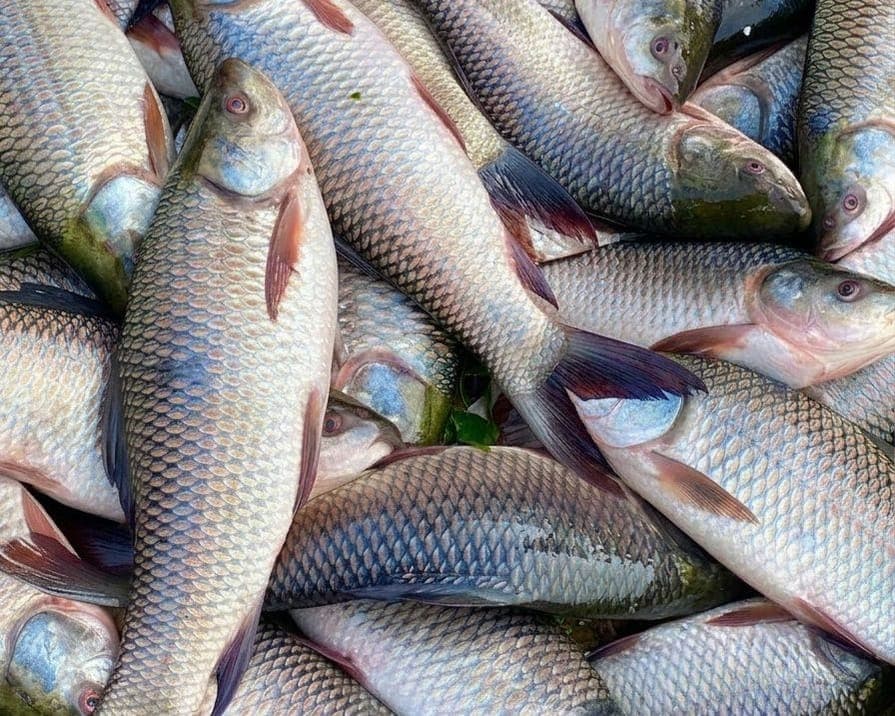
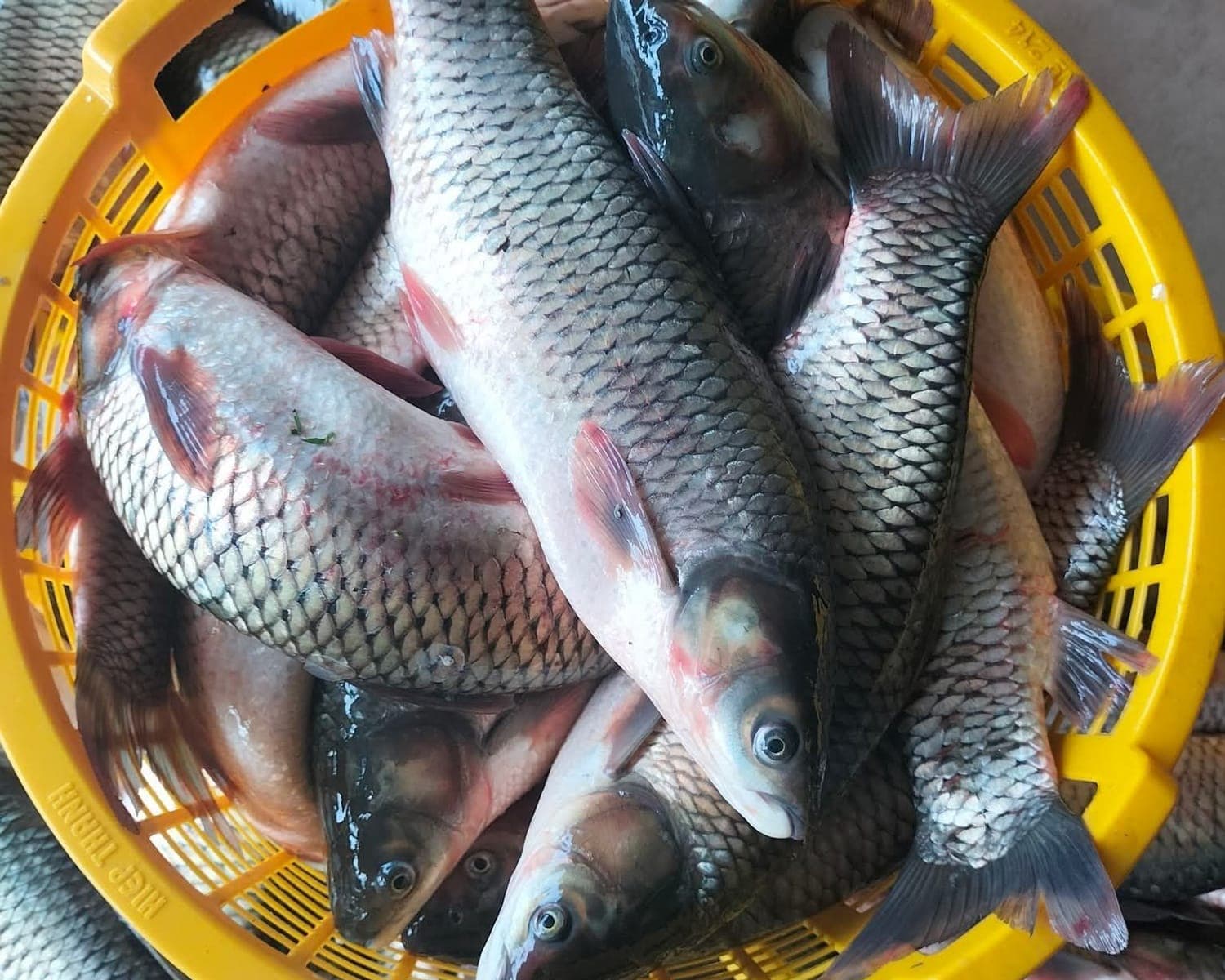
Carp is a family name that covers several quite different fish, and buyers rarely accept one in place of another. Common carp (Cyprinus carpio), deep-bodied and usually fully scaled, is the carp of Central European holiday tables and of many Asian, Middle Eastern and African kitchens. Grass carp (Ctenopharyngodon idella), long and cylindrical with firm white flesh, is a staple of Cantonese cooking, steamed whole, sliced for hot pot or cut into fillets. Silver carp (Hypophthalmichthys molitrix) has small scales and soft, fine-textured meat that processors favor for fish balls, surimi and mince. Bighead carp (Hypophthalmichthys nobilis, formerly Aristichthys nobilis) is prized above all for its large head.
All four are farmed on a vast scale in China, where silver, bighead and grass carp have been raised together in ponds for centuries, each using a different food source in the same water. Common carp is also farmed widely in Indonesia, Vietnam, Bangladesh and India. We source carp from partner producers in these origins rather than from Thai farms, and every offer states the species, the farming country and the processing plant. Species are packed and labeled separately as specified in the order, so a carton of grass carp does not contain silver carp of a similar size.
Carp formats follow the cooking traditions of each market. Whole round and gutted fish, scaled or scale-on, are graded by weight per fish, from 300–500 g common carp up to bighead of 3 kg and above. Grass and common carp are also cut into cross-section steaks and skin-on fillets, and silver carp is offered as headed and gutted fish or block-frozen steaks for processors. Bighead heads are cut behind the gill cover, with the gills removed, and packed whole or split for steaming. Every carp carries fine intermuscular Y-bones that filleting cannot take out, so fillets for frying markets can be scored, cut at close intervals across the flesh so the small bones soften in the pan.
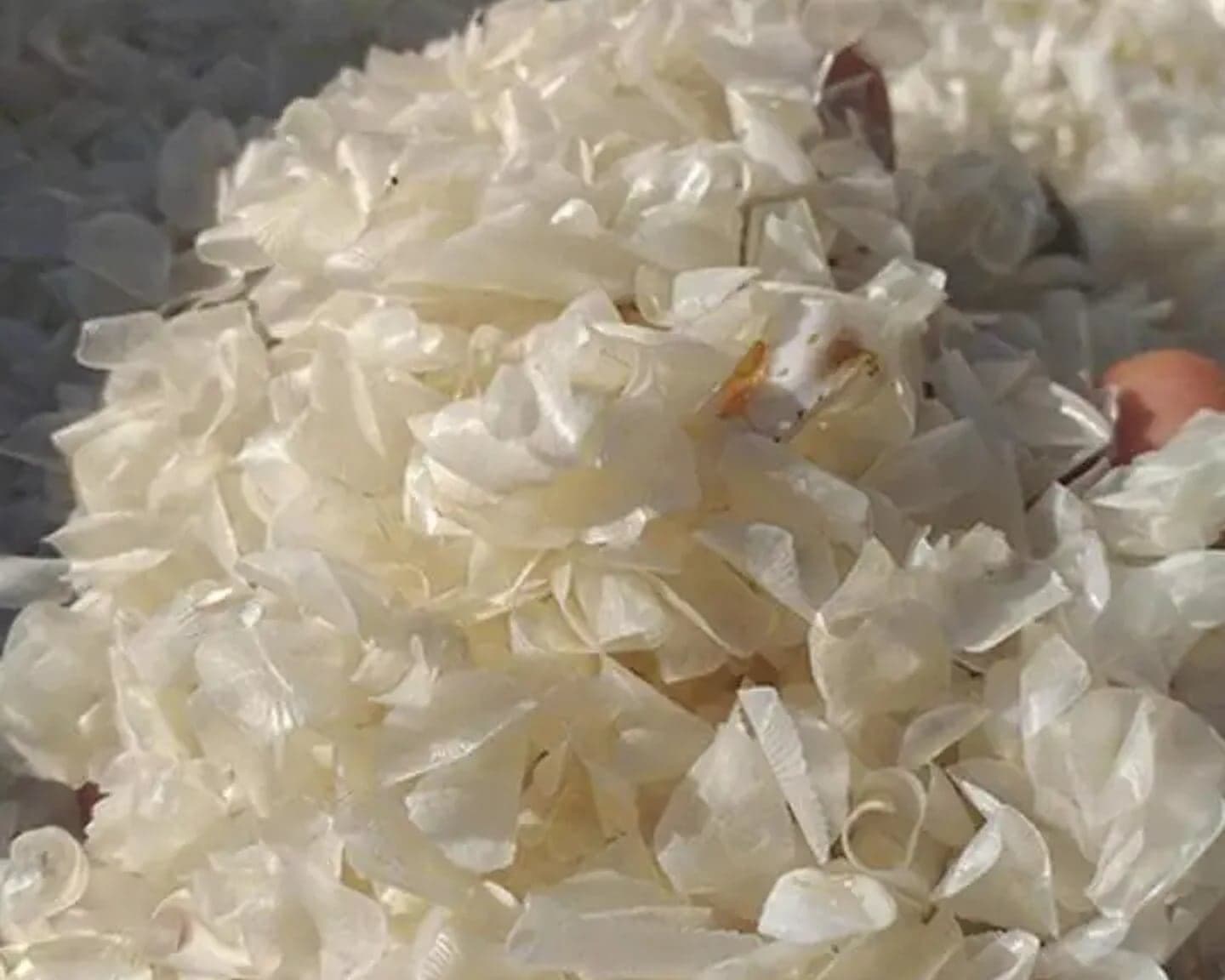
Before shipment, thawed-sample checks for earthy taste, bruising and blood spots, scale loss, belly condition in ungutted fish and gill color in whole fish and heads can be arranged, and whether the carp were held in clean water before harvest can be stated on the offer. Typical buyers are importers serving Chinese, South Asian, Middle Eastern, African and Eastern European communities, Chinese restaurants that cook fish-head soup with tofu or steamed fish head with chopped chili, and fish ball and surimi makers working with silver carp. For the Indian major carps, see frozen rohu and catla, and carp scales from processing lines are supplied as dried fish scales.
Specification sheet
Frozen Carp: full specification
Indicative values. Final specifications are confirmed per lot on the quotation and certificate of analysis.
| Species | Cyprinus carpio (common), Ctenopharyngodon idella (grass), Hypophthalmichthys molitrix (silver), H. nobilis (bighead) |
|---|---|
| Production | Farmed; species packed and labeled separately |
| Origin | China; Indonesia, Vietnam, Bangladesh, India for common carp |
| Formats | Whole, gutted, H&G, steaks, fillets, bighead heads |
| Size | 300 g to 3 kg+ per fish by species; heads by weight |
| Bones | Intermuscular Y-bones present; scored fillets on request |
| Freezing | Blast- or block-frozen whole fish; IQF cuts |
| Glaze | Carp glaze shown as a percentage of gross weight |
| Shelf life | Typically 18–24 months frozen, per packer |
| Documents | Health certificate, certificate of origin, and carp residue reports where the destination requires them |
| Minimum order | One 20 ft reefer per origin for most programs; two or more carp species from the same producer can share a container. |
| Lead time | Typically 4–6 weeks from confirmed specification, depending on harvest schedules at the partner farm and the cut required. |
FAQ
Frozen Carp: questions from buyers
Which carp species suits which market?
Common carp is the choice for Central and Eastern European buyers and for many Middle Eastern and African markets, where it is fried, baked or cooked in sauces. Grass carp sells to Chinese restaurants and supermarkets for steaming, hot pot and fillets. Silver carp is the economical species, used whole in volume markets and by fish ball, surimi and mince producers. Bighead carp is bought mainly for its head, with the body sold as steaks. Tell us the dish and the price point, and we will propose the carp species and size.
Can carp fillets be supplied boneless?
Not in the strict sense. All four carp species have fine Y-shaped intermuscular bones running through the flesh, which no commercial filleting method removes completely. The usual answer for frying markets is scoring, where the fillet is cut at intervals of a few millimeters so the bones become brittle and unnoticeable once cooked. For bone-free products, carp is minced and formed into fish balls or cakes instead.
Are there import restrictions on silver, bighead or grass carp?
Several countries list silver, bighead or grass carp as invasive species, mainly to stop live fish and viable eggs from entering their waterways. These listings differ in scope from one country to the next, and some destinations also attach biosecurity conditions, such as evisceration, to whole uncooked fish. For any destination with such rules, whether the frozen form you want is accepted can be confirmed before quoting.
How are bighead carp heads prepared and graded?
Heads are cut behind the gill cover, usually with a little collar meat left on, then washed, cleared of gills and frozen individually or in layers. They are graded by weight per head in bands agreed with the buyer, and can be split lengthwise for steamed fish head with chopped chili or left whole for fish-head soup with tofu. The body of the same fish can be supplied as steaks, so a buyer can take both parts of the harvest.
Related
Related products
Marine Ingredients
Fish-Scale Collagen Raw Material
Cleaned, dried scales for collagen and gelatin extraction
DriedMarine Ingredients
Fish-Processing By-products for Industrial Use
Heads, frames, trimmings and viscera for industrial processing
Frozen
Buyer guides
Species Profiles8 min read
Common, Grass, Silver and Bighead Carp: How to Tell Them Apart
Four farmed carps share a family name but differ in shape, diet, flesh and the dishes they are bought for. This guide shows how to tell them apart and where each one fits.
Read the guide
Import & Compliance8 min read
Shipping Seafood: Reefer Containers, Cold Chain and Incoterms
A logistics guide for seafood buyers: reefer and dry-container shipping, temperature records, air freight for chilled and live product, where Incoterms 2020 place cost and risk, and the evidence a claim needs.
Read the guide
Buying Guide7 min read
Choosing Premium Seafood Ingredients for Restaurants and Retail
How chefs, foodservice buyers and brand owners match grade and format to the application, compare suppliers on cost per portion, and keep quality consistent across orders and channels.
Read the guide
Request a quote
Request a quote for frozen carp
Share your target grade, packing, volume and destination. We confirm availability, documentation for your market and a formal quotation, usually within one business day.
- Grade, size or count required
- Packing format and labeling language
- Estimated volume and order frequency
- Destination port or airport and Incoterm
- Reference: Frozen Carp