- Private-label packing
- Export documentation
Frozen Fish
Frozen Rohu and Catla Supplier: Whole Fish and Steak Cuts
BSA Food Products sources rohu and catla, the two leading Indian major carps, from partner farms in Myanmar, Bangladesh and India, frozen whole, gutted or cut into steaks for South Asian retail and foodservice buyers.
- Rohu and catla packed and labeled as separate species
- Whole round, gutted, scaled and steak cuts
- Graded by fish weight; steaks by thickness
- Head and tail share stated for steak packs
- Catla heads packed separately on request
- Sourced from partner farms in Myanmar, Bangladesh and India
Product Specifications
Indicative; confirmed per lot on each quotation.
- Origin
- Myanmar, Bangladesh and India, through partner producers; farming country and processing plant declared per lot and checked against destination eligibility.
- Grade / Size
- Whole fish by weight: rohu 300–500 g, 500–800 g, 800 g–1.2 kg and 1.2 kg up; catla 500–800 g, 800 g–1.2 kg, 1.2–2 kg and 2 kg up. Steaks by thickness and piece weight.
- Form & Processing
- Whole round scale-on, gutted (scaled or scale-on), headed and gutted, cross-cut steaks with or without head and tail pieces, and catla heads; blast- or plate-frozen, glaze declared.
- Storage
- Store at -18 °C or colder; thaw steaks in the refrigerator and whole fish overnight in the chiller, then cook within a day.
- MOQ
- From one 20 ft reefer per origin; rohu and catla, or several size grades, can share a container.
- Lead Time
- Typically 4–6 weeks from confirmed specification; steak cutting and printed bags can add about a week.
Product overview
Rohu and catla are everyday fish in Bengal, Bihar, Odisha, Bangladesh and Pakistan, and their frozen trade follows South Asian communities to the Gulf, the United Kingdom, North America and beyond. These buyers know exactly what they want: fish with bright, intact scales and firm flesh that holds together in a curry, cut the way the home market cuts it. We therefore specify the two species separately, by size and by cut, rather than grouping them as ‘Indian carp’.
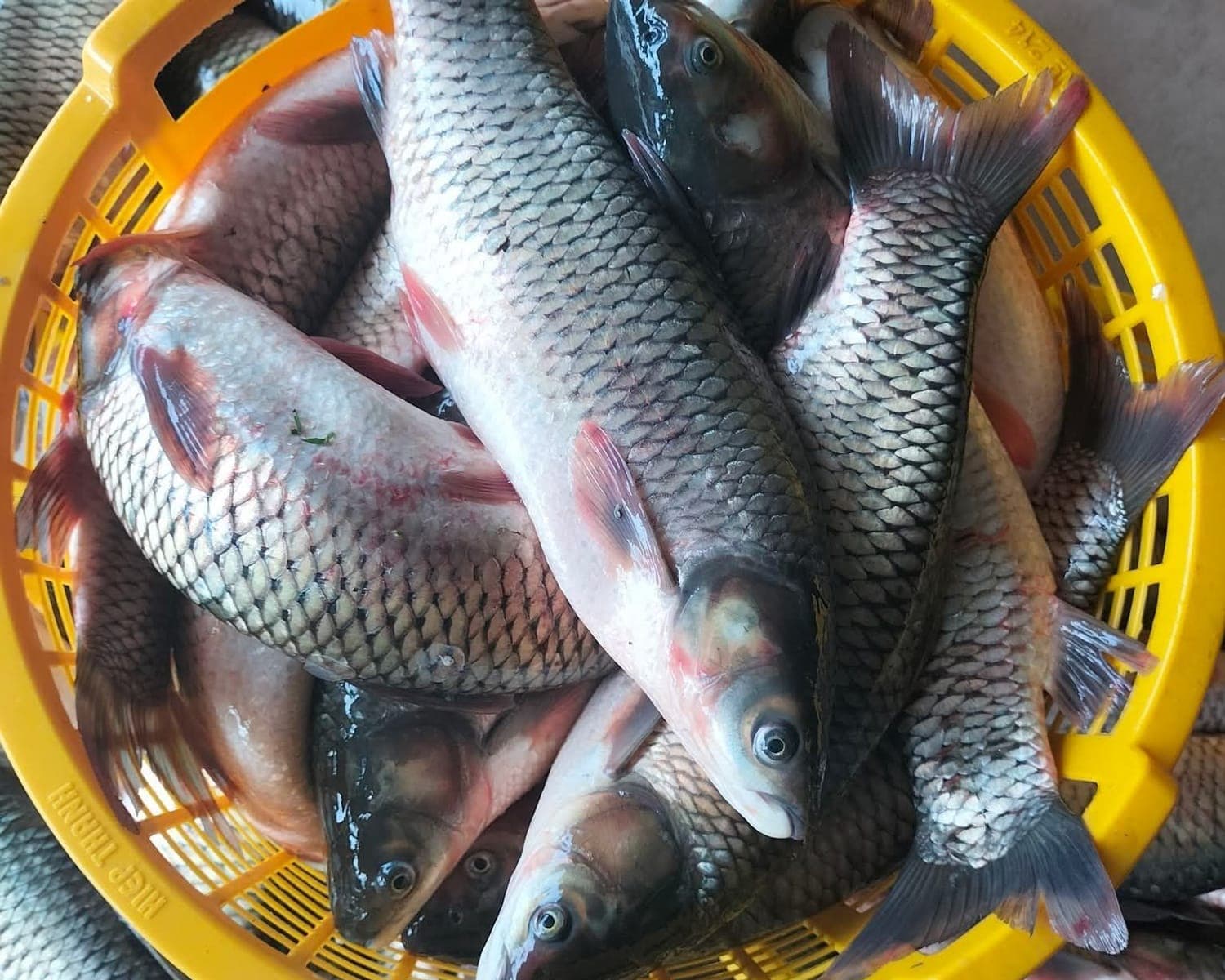
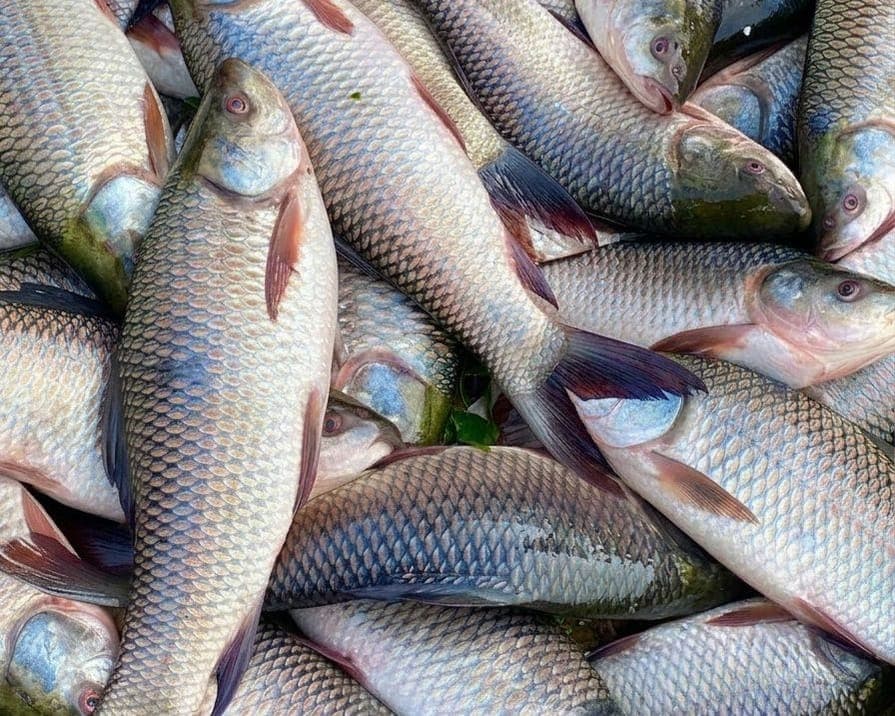
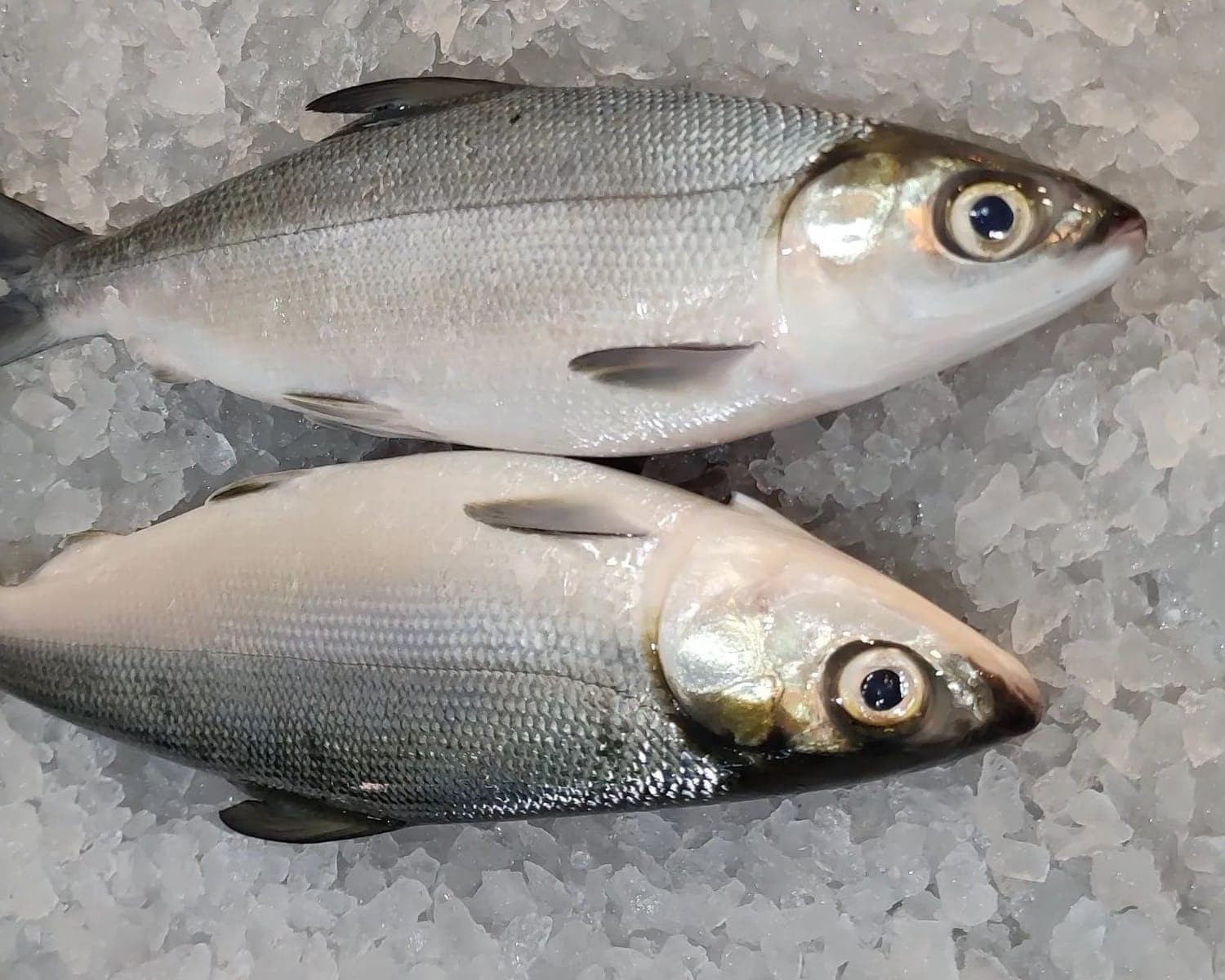
Rohu (Labeo rohita) is the more slender of the pair, with a rounded snout, reddish-tinged scales and a mild, sweet taste; it is the fish most households mean by rui or rohu, and the one most often sold as steaks. Catla (Labeo catla, also listed as Gibelion catla and formerly as Catla catla) is deep-bodied with a broad head and an upturned mouth, grows larger and faster, and is chosen for its big head and thick, meaty steaks. On farms the two are usually stocked together with mrigal in polyculture ponds, catla feeding near the surface and rohu in the water column, so they often come from the same harvests.
Myanmar has built a large export trade in frozen rohu, and Bangladesh and India farm both species in quantity, so we source through partner producers in those countries and name the country on each lot. Whole round fish is supplied scale-on and graded by weight, rohu typically from 300–500 g to 1.2 kg and over and catla from 500–800 g to 2 kg and over; gutted fish can be scaled or left scale-on. Steaks are cross-sections of scaled, gutted fish cut to an agreed thickness and packed with or without the head and tail pieces, and catla heads can be packed on their own for dishes such as muri ghonto. Rohu and catla are frozen by blast or plate freezer, with the glaze declared.
Thawed-sample checks can be arranged for scale cover and shine, firmness of the cut surface, belly condition and gill color in whole fish, and any earthy note in a cooked piece; for steak lots they can also cover even thickness and the share of head and tail pieces, which many buyers cap in their specification. Most volume goes to importers, wholesalers and grocers serving South Asian shoppers, and to restaurants cooking curries such as macher jhol and fried fish. Where both come from the same origin, rohu and catla can share a reefer with frozen carp, and our reefer shipping and Incoterms guide covers set points and claim evidence for frozen loads.
Specification sheet
Frozen Rohu and Catla: full specification
Indicative values. Final specifications are confirmed per lot on the quotation and certificate of analysis.
| Species | Labeo rohita (rohu); Labeo catla, syn. Gibelion catla, Catla catla (catla) |
|---|---|
| Origin | Myanmar, Bangladesh, India; country per lot |
| Production | Farmed, usually in pond polyculture |
| Formats | Whole round, gutted, H&G, steaks, catla heads |
| Rohu size | 300–500 g, 500–800 g, 800 g–1.2 kg, 1.2 kg up |
| Catla size | 500–800 g, 800 g–1.2 kg, 1.2–2 kg, 2 kg up |
| Steak cut | Thickness and head-and-tail share agreed per order |
| Freezing | Blast or plate frozen; glaze declared |
| Shelf life | Commonly 18–24 months at -18 °C or colder |
| Documents | Health certificate, certificate of origin, packing list; residue reports for rohu and catla on request |
| Minimum order | From one 20 ft reefer per origin; rohu and catla, or several size grades, can share a container. |
| Lead time | Typically 4–6 weeks from confirmed specification; steak cutting and printed bags can add about a week. |
FAQ
Frozen Rohu and Catla: questions from buyers
How can I tell rohu from catla?
Look at the head and body shape. Catla has a noticeably broad, large head with a wide, upturned mouth and a deep, rather flattened body with grayish scales on the back. Rohu has a smaller, rounded head with the mouth set lower, a longer and more streamlined body, and scales that often show a reddish center. In steaks, catla gives wider cross-sections from fish of the same length. Cartons and invoices name the species, so there is no need to rely on appearance alone.
How are rohu and catla steaks cut and packed?
Fish are scaled, gutted and cut across the body into steaks of an agreed thickness, the style used for Bengali and North Indian curries. The specification states whether head and tail pieces are included and, if so, the maximum share by weight, since many retailers sell middle cuts at a higher price. Steaks are frozen in bags of 1 kg or 2 kg for retail or in bulk cartons for wholesale and restaurant buyers, and catla heads can be packed in separate bags.
Is Gibelion catla the same fish as Labeo catla?
Yes. Taxonomists have moved catla between genera over the years: it was long known as Catla catla, some references list it as Gibelion catla, and current catalogs increasingly place it in Labeo as Labeo catla. All three names refer to the same fish. Documents can use the name your importing authority expects, with the alternatives noted where that helps clearance.
Do farmed rohu and catla need a catch certificate for the EU?
Generally no, as the scheme currently stands. The products excluded from the EU catch certificate rules include aquaculture products obtained from fry or larvae and frozen carp, a customs heading that covers both species, so farmed rohu and catla fall outside the scheme. They do need a health certificate, and the exporting country must be eligible to ship aquaculture products to the EU, with the processing plant on the EU list for that country. Both points can be confirmed for the origin before an EU order is quoted.
Related
Related products
Buyer guides
Species Profiles6 min read
Rohu and Catla: A Profile of the Indian Major Carps
Rohu and catla are the fish of the South Asian curry pot, raised together in village ponds from Bengal to Punjab. Here is how they differ and what buyers and cooks look for in each.
Read the guide
Import & Compliance8 min read
Shipping Seafood: Reefer Containers, Cold Chain and Incoterms
A logistics guide for seafood buyers: reefer and dry-container shipping, temperature records, air freight for chilled and live product, where Incoterms 2020 place cost and risk, and the evidence a claim needs.
Read the guideSpecies Profiles8 min read
Common, Grass, Silver and Bighead Carp: How to Tell Them Apart
Four farmed carps share a family name but differ in shape, diet, flesh and the dishes they are bought for. This guide shows how to tell them apart and where each one fits.
Read the guide
Request a quote
Request a quote for frozen rohu and catla
Share your target grade, packing, volume and destination. We confirm availability, documentation for your market and a formal quotation, usually within one business day.
- Grade, size or count required
- Packing format and labeling language
- Estimated volume and order frequency
- Destination port or airport and Incoterm
- Reference: Frozen Rohu and Catla