- Private-label packing
- Export documentation
Frozen Fish
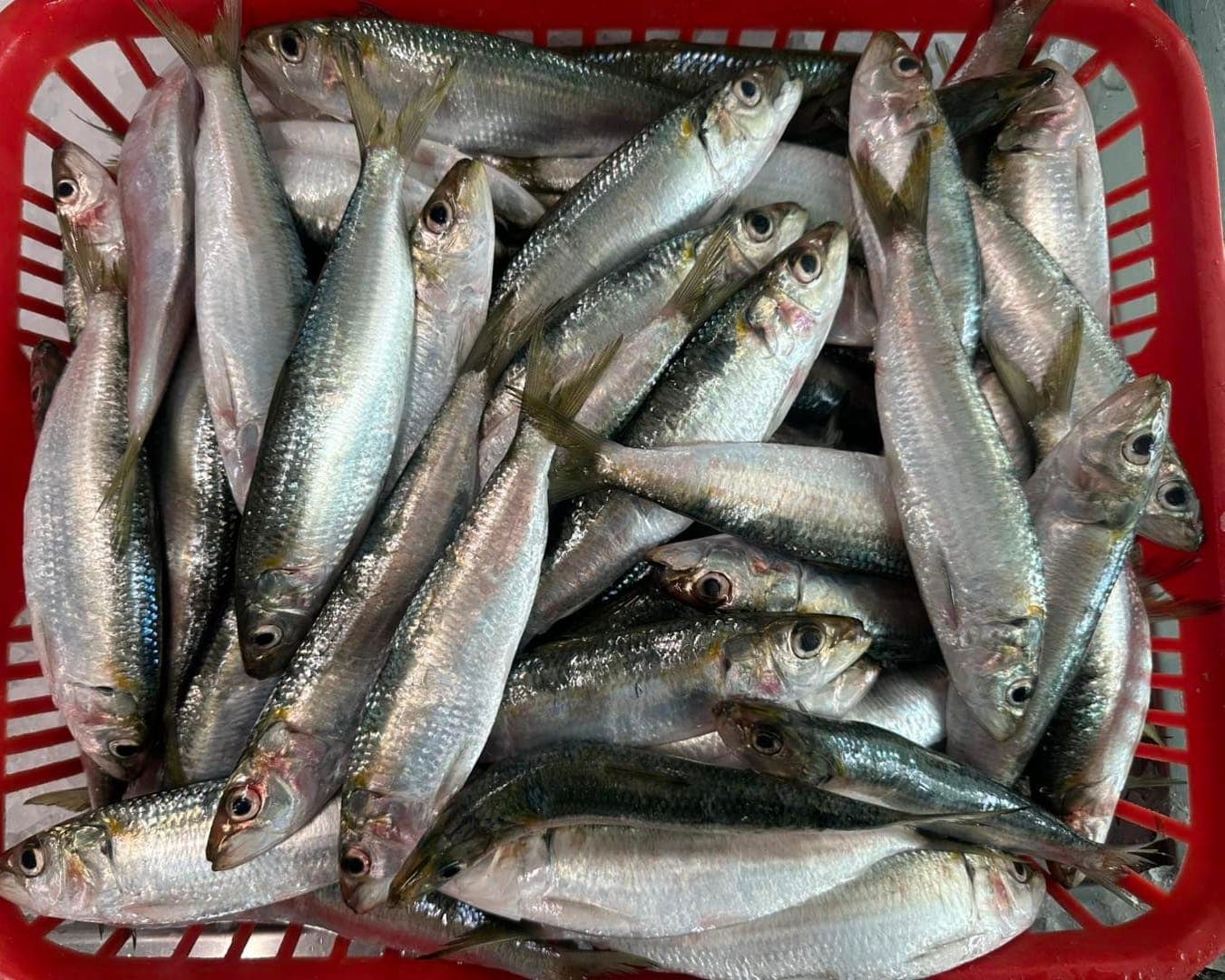
Frozen Sardine Supplier: Whole Round and Gutted Sardinella, IQF or Block
Sardinella sardines from Indo-Pacific purse-seine fisheries, frozen whole round or gutted as IQF fish or in blocks, graded by pieces per kilogram and checked for belly condition, size and histamine on every lot.
- Sardinella species named per lot, by origin
- Whole round or gutted, IQF or block-frozen
- Graded from 8–12 to 20+ pieces per kilogram
- Belly condition and scale loss checked on every lot
- Histamine results tied to the lot code
- Bulk cartons for canners, IQF bags for retail
Product Specifications
Indicative; confirmed per lot on each quotation.
- Origin
- Gulf of Thailand and Andaman Sea, with Indonesia (Bali Strait), the Philippines, India and Oman as partner origins; species, catch area and gear declared per lot.
- Grade / Size
- By pieces per kilogram (e.g. 8–12, 12–16, 16–20 and 20+ pcs/kg), with size tolerance agreed per order.
- Form & Processing
- Whole round or gutted, frozen IQF or in plate-frozen blocks with glaze declared; headed and gutted fish on request.
- Storage
- Hold at -18 °C or colder; small oily fish lose quality quickly when the temperature cycles, so thaw only what is needed and keep it chilled.
- MOQ
- Usually one 20 ft reefer for block-frozen fish; IQF packs from one pallet, combinable with mackerel in a mixed container.
- Lead Time
- Typically 3–5 weeks from a confirmed specification; catches follow the monsoon seasons and the movement of the shoals, so sizes vary through the year.
Product overview
Small, oily and caught in vast shoals, sardines supply canneries, fish counters and frying pans from West Africa to the Philippines. Frozen whole fish make up the bulk of the trade: block-frozen cartons travel to canners and wholesale markets, while IQF fish give retailers and restaurants a free-flowing pack that can be portioned without thawing a whole block. The species inside a carton marked sardines varies widely from one origin to the next, so we name it on every offer.
Most of our supply is Sardinella. Bali sardinella (Sardinella lemuru) is the backbone of the Bali Strait purse-seine fishery in Indonesia and an important canning fish there; goldstripe sardinella (Sardinella gibbosa) and fringescale sardinella (Sardinella fimbriata) are caught in the Gulf of Thailand, the Andaman Sea and around the Philippines; and Indian oil sardine (Sardinella longiceps) comes from the west coast of India and from Oman. Thai-caught lots are complemented by these partner origins, with species, catch area and gear declared per lot. Other sardine and pilchard species, such as the European pilchard from the Atlantic, can be discussed on request.
Fish are frozen whole round or gutted, either individually quick frozen or in plate-frozen blocks, and graded by pieces per kilogram in bands such as 8–12, 12–16, 16–20 and 20 pieces and up, depending on species and season. Sardines feed heavily at certain times of year, and enzymes from a full gut can soften and split the belly wall within hours of capture, so well-run vessels and plants chill the fish fast and freeze them promptly; gutting is offered where buyers want to avoid the problem altogether. Each lot is checked for burst or soft bellies, scale loss, size uniformity, blood spots, yellowing of the fat, glaze and histamine.
Canners and smokers usually take block-frozen whole round fish, wholesalers in Africa, the Middle East and Asia sell whole fish by weight, and retail packers prefer IQF fish that can be bagged in small units. Sardines combine well in a mixed reefer with frozen mackerel, often landed by the same purse-seine fleets, and dried small fish for the same markets sit within our dried fish and shellfish range. Ask about own-brand bags through our wholesale and private-label service, or send a specification through the quote form.
Specification sheet
Frozen Sardines: full specification
Indicative values. Final specifications are confirmed per lot on the quotation and certificate of analysis.
| Species | Sardinella lemuru, S. gibbosa, S. fimbriata, S. longiceps, declared per lot |
|---|---|
| Catch area | FAO area and fishing ground stated on each offer |
| Gear | Mainly purse seine; stated per lot |
| Formats | Whole round or gutted; IQF or block |
| Size | 8–12, 12–16, 16–20, 20+ pieces per kg |
| Quality checks | Belly condition, scale loss, size, blood spots, fat color |
| Histamine | Every lot tested to the market’s limits |
| Glaze | Declared on carton and invoice |
| Shelf life | Usually 12–18 months frozen, per the packer’s date |
| Documents | Health certificate, origin certificate and, for the EU, a validated catch certificate |
| Minimum order | Usually one 20 ft reefer for block-frozen fish; IQF packs from one pallet, combinable with mackerel in a mixed container. |
| Lead time | Typically 3–5 weeks from a confirmed specification; catches follow the monsoon seasons and the movement of the shoals, so sizes vary through the year. |
FAQ
Frozen Sardines: questions from buyers
Why do some frozen sardines arrive with burst bellies?
Belly burst is mostly a feeding problem. When sardines have been gorging, digestive enzymes in the full gut start breaking down the thin belly wall soon after death, and warm handling speeds it up, so the damage is often done before the fish reach the freezer. It does not stop the fish being used for some purposes, but it spoils appearance and yield for retail and canning. We record belly condition on samples from every lot, and gutted fish are the practical answer when a season’s catch is heavily feeding.
Can Sardinella be sold as sardines?
That depends on the market and the product. In the EU, the plain name sardines on preserved (canned) products is reserved for the European pilchard, Sardina pilchardus, and other species may use the word only joined to their scientific name, while for fresh and frozen fish each member state publishes a list of accepted commercial designations, and the scientific name must appear as well. Other markets follow their own lists of market names or the Codex standard for canned sardines, which allows qualified names that add the species or the country to the word sardines. Because the species is declared on every offer, your labeling team can choose the correct name for the destination.
Should I choose IQF or block-frozen sardines?
Block-frozen fish pack more densely, cost less to produce and suit canners and wholesalers who thaw a whole block at a time. IQF fish freeze individually, so a retailer or restaurant can take out exactly what it needs and keep the rest frozen, and the fish keep their shape better for display. IQF packs usually carry a protective glaze, which is declared and excluded from net weight. Choose by how the fish will be thawed and sold rather than by price alone.
How is sardine size checked?
By counting the fish in a weighed sample after thawing and removing the glaze, then expressing the result as pieces per kilogram, for example 12–16. Because shoals vary, a lot always contains some fish outside the band, so the specification should state the tolerance you will accept, such as a maximum share of undersized fish. We report the count and the spread on each lot, and smaller sizes are generally better suited to frying whole and to canning.
Related
Related products
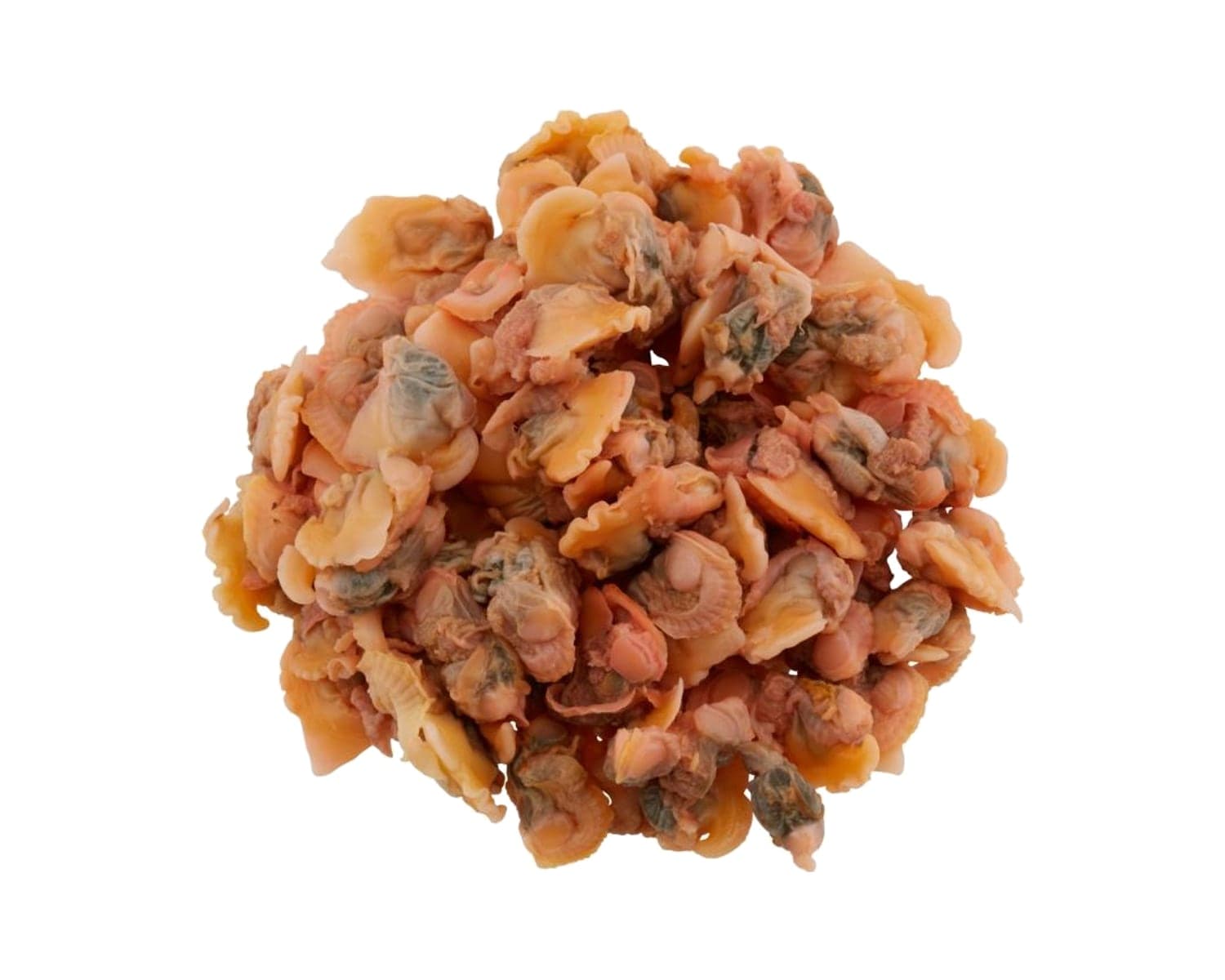
Specialty Dried Seafood
Other Dried Fish and Shellfish
Salted fish, anchovy, croaker, octopus and more, on request
DriedMarine Ingredients
Fish-Processing By-products for Industrial Use
Heads, frames, trimmings and viscera for industrial processing
Frozen
Buyer guides
Species Profiles7 min read
What Is a Sardine? Sardina, Sardinops and Sardinella Explained
One market name, several fish. How the European pilchard, the Sardinops sardines of the Pacific and southern oceans and the tropical sardinellas differ, and why labels care.
Read the guide
Import & Compliance8 min read
Shipping Seafood: Reefer Containers, Cold Chain and Incoterms
A logistics guide for seafood buyers: reefer and dry-container shipping, temperature records, air freight for chilled and live product, where Incoterms 2020 place cost and risk, and the evidence a claim needs.
Read the guide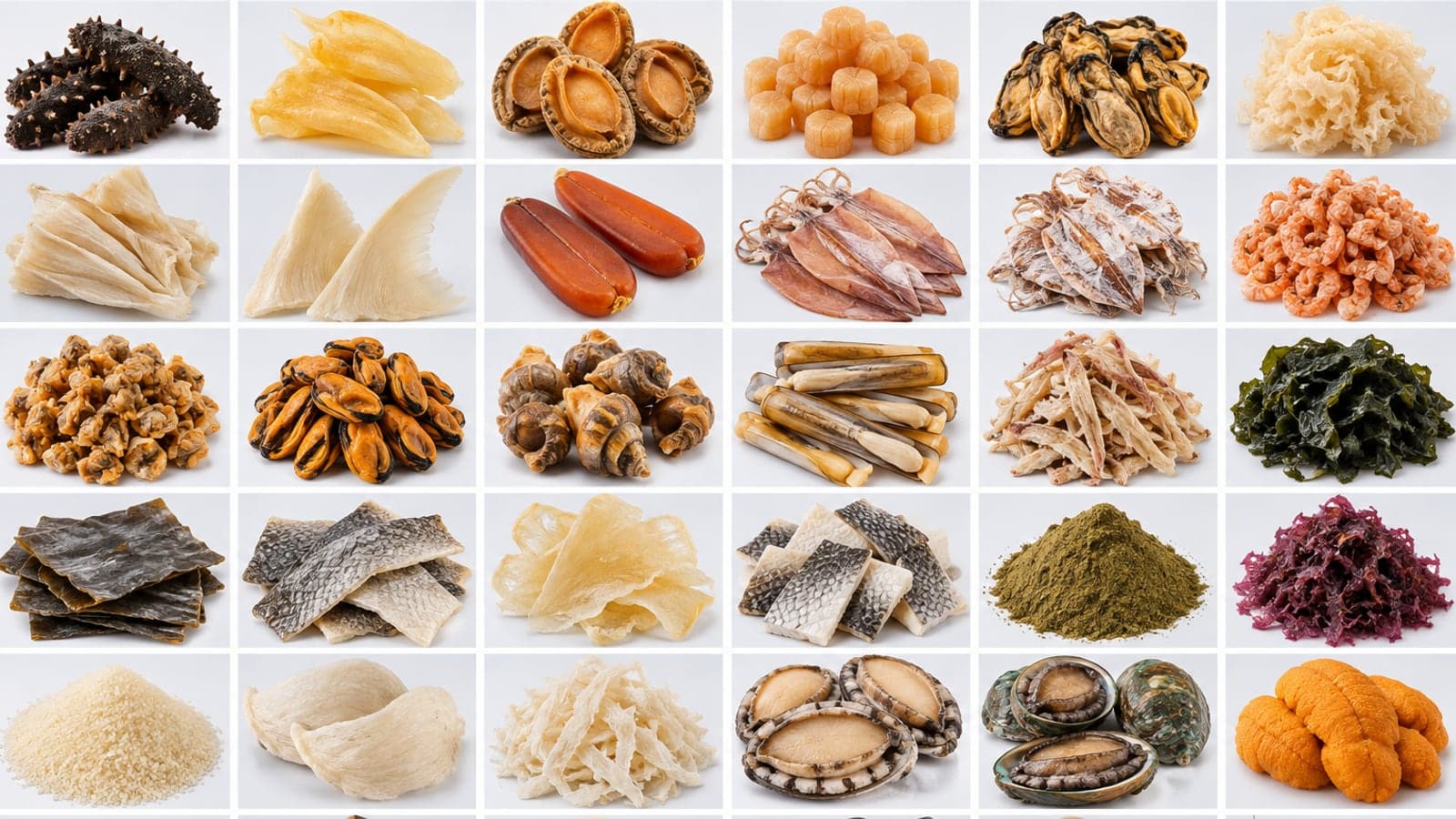
Import & Compliance7 min read
What Importers Need to Know Before Ordering Dried Seafood
The market-access, species, documentation, classification and commercial checks an importer should complete before placing a first order for dried seafood.
Read the guide
Request a quote
Request a quote for frozen sardines
Share your target grade, packing, volume and destination. We confirm availability, documentation for your market and a formal quotation, usually within one business day.
- Grade, size or count required
- Packing format and labeling language
- Estimated volume and order frequency
- Destination port or airport and Incoterm
- Reference: Frozen Sardines