- Private-label packing
- Export documentation
Frozen Fish
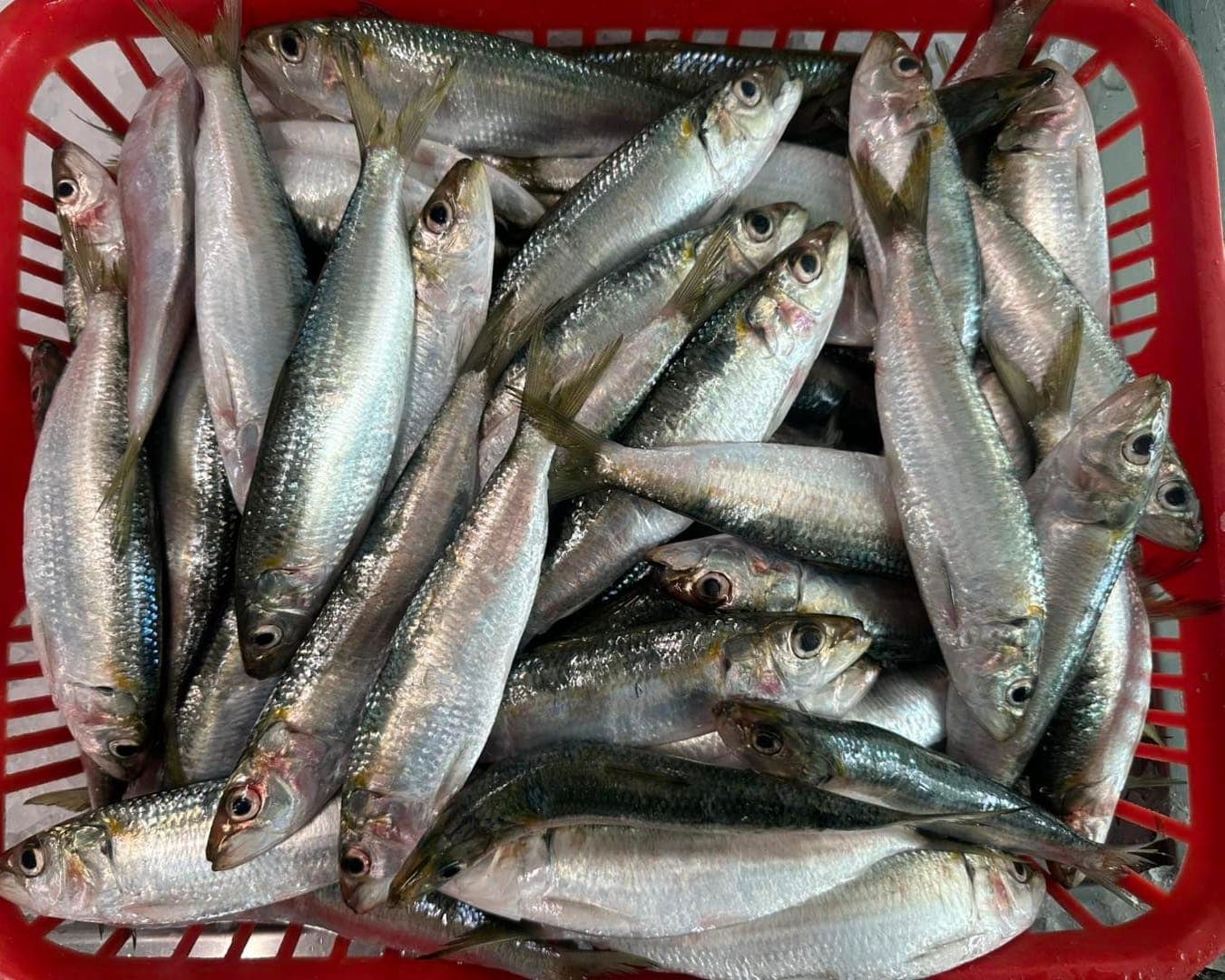
Frozen Atlantic Herring: Whole Round, Fillets and Butterfly Cuts
Wild Atlantic herring from Norwegian, Icelandic and other North Atlantic fisheries, sourced through partner packers as whole round fish, single fillets and butterfly fillets, with catch season stated for each lot and fat content and histamine results available on request.
- Norwegian, Icelandic and North Sea herring, with stock and catch area declared
- Whole round, single fillets and butterfly fillets
- Graded by fish weight, with fat content reported on request
- Histamine testing per lot on request for this clupeid species
- Belly integrity and rancidity checks before loading on request
- Raw material for smoking, marinating, salting and canning
Product Specifications
Indicative; confirmed per lot on each quotation.
- Origin
- Wild-caught in the North-East Atlantic and North Sea (Norway, Iceland, the Faroe Islands, the UK and EU states), with North-West Atlantic supply on request; sourced through partner packers, with catch area and plant declared per lot.
- Grade / Size
- Whole round by fish weight (e.g. 100–150 g, 150–200 g, 200–300 g) or fish per kilogram; fillets and butterflies by piece weight or count per kilogram.
- Form & Processing
- Whole round, plate- or blast-frozen in blocks; skin-on or skinless single fillets and butterfly fillets, interleaved or IQF. Supplied raw; smoking, salting and marinating are done by the buyer.
- Storage
- Keep at -18 °C or colder, and at -25 °C or below for longer holding, since herring fat oxidizes in warmer stores; thaw in the chiller and process promptly.
- MOQ
- Whole round herring by the full reefer container; fillets and butterflies from one pallet per grade when consolidated with other frozen fish.
- Lead Time
- Typically 3–6 weeks from confirmed specification; fat-rich summer herring and particular spawning stocks are seasonal, so allocations are best booked ahead of the catch.
Product overview
Herring is a raw material first and a dish second. Most frozen herring goes on to be smoked, marinated, salted or fried, and a processor’s recipe works only if the fish arrives at the right size, fat level and freshness. A summer-caught herring heavy with fat makes a rich kipper or matjes-style fillet, while leaner fish caught after spawning give a firmer, less oily flesh that some fryers and canners prefer. We therefore treat catch season and fat as part of the herring specification, alongside size and format, rather than as details discovered after thawing.
Atlantic herring (Clupea harengus) is a schooling clupeid fished by pelagic trawl and purse seine across the North Atlantic. Most of our offers draw on Norwegian spring-spawning herring, North Sea herring and Icelandic summer-spawning herring, landed in Norway, Iceland, the Faroe Islands, the UK and EU states, with North-West Atlantic supply from Canada on request. Baltic herring, a small subspecies, and Pacific herring (Clupea pallasii), a separate species, are never passed off as Atlantic herring; if either suits your use, it is offered under its own name. Herring is not caught in Thai waters, so every lot comes from partner packers, with catch area, vessel and plant declared.
Whole round herring is frozen in blocks soon after landing and graded by fish weight, for example 100–150 g, 150–200 g and 200–300 g, or by fish per kilogram. Filleting plants produce skin-on and skinless single fillets and butterfly fillets, in which the two sides stay joined along the back once the head, guts and backbone are out, frozen in interleaved layers or IQF. Machine filleting removes the backbone and most rib bones but leaves fine intermuscular bones, which curing and marinating soften; if a lower bone level is needed, the tolerance goes into the specification. Packers measure fat by instrument or laboratory analysis, the result can be reported for each lot on request, and roe or milt stage can be noted for buyers who grade on it.
On inspection, buyers look first at the belly: herring caught while feeding heavily can suffer belly burst as digestive enzymes attack the cavity wall, so feed content and freezing speed are worth checking. Rancidity is the other recurring defect, since oxidizing fat turns herring flesh yellow and bitter in long or warm storage. Histamine testing can be arranged per lot, because EU and US food safety rules treat clupeids as a histamine-forming group. Typical buyers are smokehouses, marinade and canning plants in Europe, traders supplying West and North Africa with whole round fish for smoking and frying, and importers serving Eastern European communities. For other oily pelagic fish, see frozen mackerel, and for loading and temperature records, our reefer shipping guide.
Specification sheet
Frozen Atlantic Herring: full specification
Indicative values. Final specifications are confirmed per lot on the quotation and certificate of analysis.
| Species | Clupea harengus (Atlantic herring); stock and catch area per lot |
|---|---|
| Catch method | Wild, pelagic trawl or purse seine |
| Formats | Whole round, skin-on or skinless fillets, butterfly fillets |
| Size | Typically 100–150 g, 150–200 g, 200–300 g per fish, or fish per kg |
| Fat content | Packer’s measurement reported per lot on request; varies with season |
| Histamine | Per-lot testing on request, against the destination’s limits for clupeid fish |
| Parasites | Visual check on request; freezing record arranged for raw or lightly cured use |
| Temperature | -18 °C or colder; -25 °C or below advised for long storage |
| Shelf life | Set by the packer per lot; fatty herring keeps best at -25 °C or colder |
| Documents | Herring catch certificate for the EU, health certificate, origin certificate, histamine results where tested |
| Minimum order | Whole round herring by the full reefer container; fillets and butterflies from one pallet per grade when consolidated with other frozen fish. |
| Lead time | Typically 3–6 weeks from confirmed specification; fat-rich summer herring and particular spawning stocks are seasonal, so allocations are best booked ahead of the catch. |
FAQ
Frozen Atlantic Herring: questions from buyers
Why does herring fat content matter, and how is it reported?
Fat governs how the fish behaves in processing. High-fat herring caught in the summer feeding season gives a soft, rich fillet that smokehouses and marinade producers often look for, while lean fish caught after spawning is firmer and drier. Atlantic herring fat can swing from a few percent to around 20% or more within a single year, so a size grade alone does not describe the fish. The packer’s measured fat level and the catch month can be stated for each lot, and you can set a minimum or a range in the specification.
What is a herring butterfly fillet?
It is a herring opened from the belly side with the head, guts and backbone removed, leaving both fillets joined by the skin along the back so that the fish lies flat as a single piece. Butterflies are used for marinated and pickled herring, for frying and grilling, and for some smoked styles, and are sold skin-on, with or without the tail. Single fillets are the same fish cut into two separate halves. Both are graded by weight or pieces per kilogram, and the offer states whether fine bones remain.
Is frozen herring tested for histamine?
It can be, on request. Herring belongs to the clupeid family, and fish in this group can form histamine if they are kept too warm between catch and freezing. The EU sets histamine limits for these species in its microbiological criteria, and US FDA guidance treats herring as a histamine-forming fish. Histamine testing can be arranged on each lot against your market’s limits, with the results linked to the lot code and reviewed alongside the packer’s time and temperature records from landing to freezing.
Can frozen herring be used for raw or lightly cured products?
Herring commonly carries Anisakis larvae, so many markets, including the EU, require fish intended to be eaten raw, cold-smoked, lightly salted or marinated to undergo a freezing treatment that kills parasites. Herring held frozen at the required temperature for the required time can meet this condition, provided the record is available. If you produce matjes-style, marinated or cold-smoked herring, say so in the inquiry so that freezing documentation can be arranged for each lot.
Related
Related products
Buyer guides
Species Profiles7 min read
Atlantic Herring (Clupea harengus): Stocks, Seasons and the Classic Cures
A cold-water schooling fish with many separate spawning stocks and a curing tradition that runs from kippers to maatjes, explained for buyers choosing frozen raw material.
Read the guide
Import & Compliance8 min read
Shipping Seafood: Reefer Containers, Cold Chain and Incoterms
A logistics guide for seafood buyers: reefer and dry-container shipping, temperature records, air freight for chilled and live product, where Incoterms 2020 place cost and risk, and the evidence a claim needs.
Read the guideSpecies Profiles8 min read
Mackerel Species Compared: Scomber, Rastrelliger and the Spanish Mackerels
The word mackerel covers three different groups of fish. How to tell Scomber, Rastrelliger and Scomberomorus apart, what each is called, where it is caught and how it is eaten.
Read the guide
Request a quote
Request a quote for frozen atlantic herring
Share your target grade, packing, volume and destination. We confirm availability, documentation for your market and a formal quotation, usually within one business day.
- Grade, size or count required
- Packing format and labeling language
- Estimated volume and order frequency
- Destination port or airport and Incoterm
- Reference: Frozen Atlantic Herring