- Private-label packing
- Export documentation
Frozen & Live Seafood
Blue Swimming Crab Supplier: Whole Frozen Crab and Pasteurized Crab Meat
BSA Food Products supplies blue swimming crab from South and Southeast Asian fisheries as whole frozen crab and sections, and as pasteurized crab meat graded from jumbo lump to claw, with species, fishing area and chilled shelf life stated on every offer.
- Portunus pelagicus, and P. armatus for Australian lots, named per offer
- Whole frozen crab, raw or cooked, graded by piece weight
- Pasteurized meat: jumbo lump, lump, backfin, special and claw
- Sealed 454 g and 227 g containers held at 0–3 °C
- Sections and half-cut crab for curries and stir-fries
- Fishing area, catch method and packing plant declared
Product Specifications
Indicative; confirmed per lot on each quotation.
- Origin
- Indonesia, the Philippines, Vietnam, Thailand, Sri Lanka and India among other South and Southeast Asian origins, and Australia for Portunus armatus; fishing area and processing plant declared per lot.
- Grade / Size
- Whole crab by piece weight (e.g. 80–100 g, 100–150 g, 150–200 g, 200 g up); meat by grade: jumbo lump, lump, backfin, special and claw.
- Form & Processing
- Whole raw or cooked and blast-frozen, cleaned sections and half-cut crab; crab meat steamed, hand-picked, graded, sealed and pasteurized, then held chilled.
- Storage
- Pasteurized meat at 0–3 °C, never at room temperature, and used within a few days once opened; whole and cut crab frozen at -18 °C or colder and thawed slowly in the chiller.
- MOQ
- Pasteurized meat typically from one pallet of mixed grades in a chilled reefer; whole frozen crab from one pallet per grade, with full containers for regular programs.
- Lead Time
- Usually 2–5 weeks for pasteurized meat and 3–6 weeks for whole frozen crab, depending on landings, which vary with season and weather.
Product overview
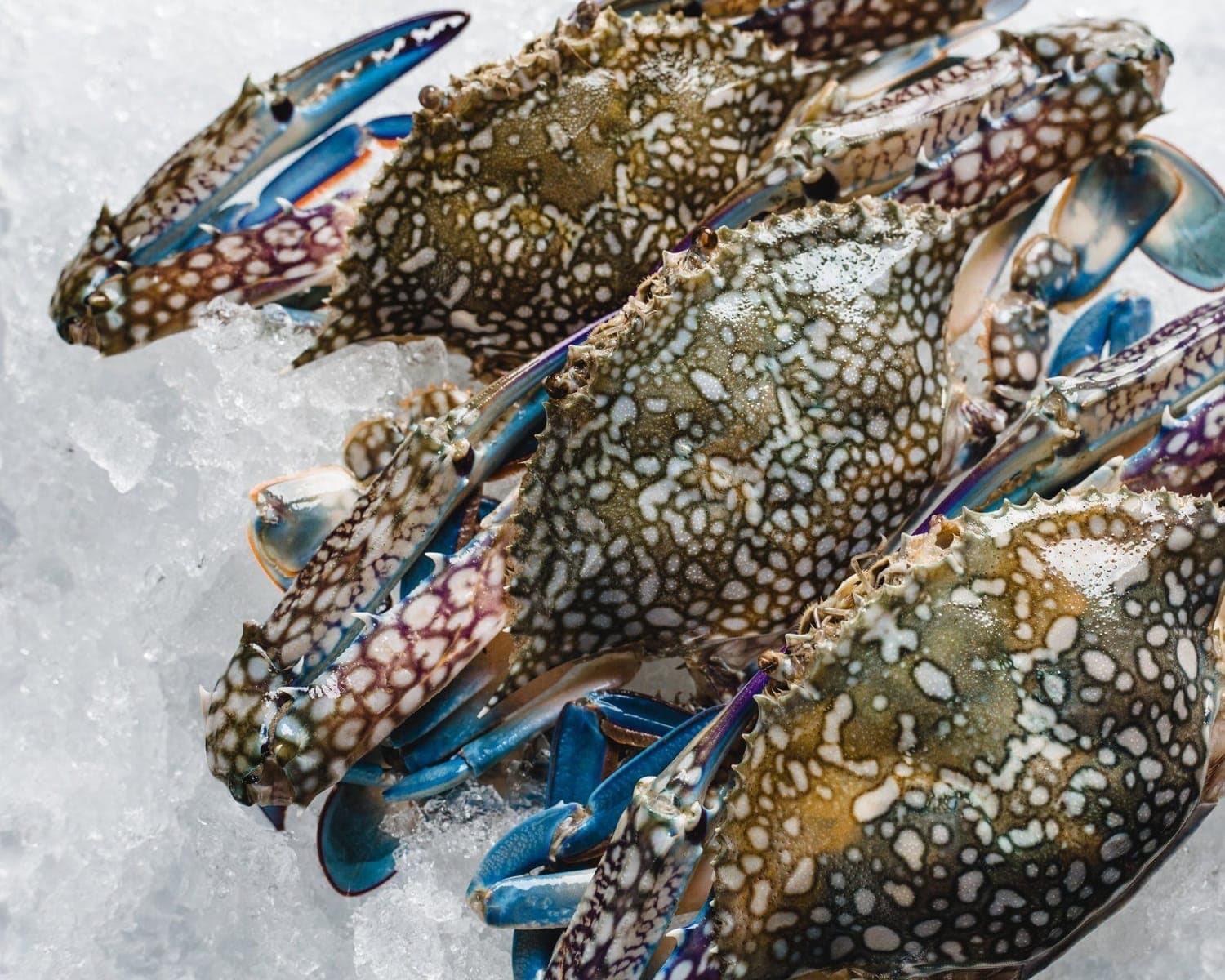
Blue swimming crab, also sold as flower crab or blue swimmer, is the crab behind much of the world’s pasteurized crab meat and a staple of Southeast Asian cooking in its own right. Its flattened, paddle-legged body carries sweet, fine-flaked white meat, and the mottled blue-and-white shell of the males gives the species its name. This page covers both ends of the trade: whole and cut frozen crab for kitchens that cook it in the shell, and hand-picked, pasteurized meat for crab cakes, salads, dips and soups.
The main commercial species is Portunus pelagicus, caught in shallow coastal waters and estuaries, with Indonesia, the Philippines, Vietnam, Thailand, Sri Lanka and India among the main producing countries. A 2010 taxonomic revision split the former P. pelagicus complex into four species, so the name on the documents can differ by origin: Australian blue swimmer crab is now generally identified as Portunus armatus, and that is how Australian lots are named on our offers, while crab from south-east India, Sri Lanka and Thailand’s Andaman coast may be named P. reticulatus. Most crab is landed by small-scale fishers using collapsible traps and bottom-set gillnets, and some origins set minimum carapace widths or protect egg-bearing females. Each offer names the species, the country and fishing area, and the plant that cooked and packed the crab.
Whole frozen crab is supplied raw or cooked, graded by individual weight in bands such as 80–100 g, 100–150 g, 150–200 g and 200 g up, and also as cleaned sections or half-cut crab for curries, stir-fries and hot pot. For crab meat, the crab is steamed in the shell, cooled and picked by hand, then sorted into grades: jumbo lump, the two large unbroken muscles that drive the swimming legs; lump, made up of broken jumbo pieces and large body chunks; backfin, a mix of smaller lump and white flake; special, the white flake meat from the body; and claw, the pinkish-brown, more strongly flavored meat from the claws. The meat is packed in hermetically sealed containers, commonly 454 g (1 lb) and 227 g, pasteurized in a water bath to a validated time and temperature, and chilled straight away.
Pasteurized crab meat is a chilled product, not a shelf-stable one. Its long unopened shelf life holds only while the containers stay close to 0 °C, and no warmer than about 3 °C, from the plant to the kitchen. Buyers check the code date, the temperature record, seal integrity and any swollen containers, then grade the meat itself: shell and cartilage fragments, often screened under ultraviolet light; the share of intact pieces in jumbo grades; color, with blue or gray discoloration a known defect; free liquid; and odor. Whole frozen crab is judged on meat fill, missing legs, black spot at the joints and glaze. For a larger mangrove crab sold live or cut, see mud crab; for cold-water clusters, snow crab and our king crab and snow crab buyer’s guide.
Specification sheet
Blue Swimming Crab: full specification
Indicative values. Final specifications are confirmed per lot on the quotation and certificate of analysis.
| Species | Portunus pelagicus; P. armatus for Australian lots; P. reticulatus where the packer identifies it |
|---|---|
| Production | Wild-caught by trap or gillnet; fishing area declared |
| Origin | Indonesia, Philippines, Vietnam, Thailand, Sri Lanka, India, Australia |
| Whole crab | Raw or cooked, by piece weight from 80–100 g to 200 g up; sections and half-cut |
| Meat grades | Jumbo lump, lump, backfin, special, claw |
| Meat processing | Steamed, hand-picked, sealed and pasteurized; held chilled, not frozen |
| Temperature | Pasteurized meat 0–3 °C; frozen crab -18 °C or colder |
| Shelf life | Pasteurized meat as coded by the packer, valid only under unbroken refrigeration; frozen crab typically 12–18 months |
| Documents | Health certificate, certificate of origin, catch certificate where required and process records, confirmed per order and destination |
| Minimum order | Pasteurized meat typically from one pallet of mixed grades in a chilled reefer; whole frozen crab from one pallet per grade, with full containers for regular programs. |
| Lead time | Usually 2–5 weeks for pasteurized meat and 3–6 weeks for whole frozen crab, depending on landings, which vary with season and weather. |
FAQ
Blue Swimming Crab: questions from buyers
What is the difference between jumbo lump, lump, backfin, special and claw?
Jumbo lump is the two large, whole white muscles attached to the swimming legs, kept intact for crab cocktails, salads and premium crab cakes. Lump combines broken jumbo pieces with large chunks of white body meat and is the usual grade for quality crab cakes. Backfin mixes smaller lump pieces with white flake, special is white flake from the body cavity for dips, soups and fillings, and claw is darker, more strongly flavored meat for sauces, soups and fried rice. Grade names and blends vary somewhat between packers, so we attach the packer’s grade definition to each offer.
How should pasteurized crab meat be stored and shipped?
Keep it refrigerated at every stage, from the packing plant through the reefer and cold store to the kitchen. It travels in a chilled reefer set just above freezing, with a temperature logger, and should be checked on arrival before it goes into stock. Most packers advise against freezing it, because the texture suffers. Once a container is opened, treat the meat like fresh crab and use it within a few days.
Is blue swimming crab the same as blue crab?
No. Blue crab is the Atlantic species Callinectes sapidus, fished along the east coast of the Americas, while blue swimming crab is Portunus pelagicus from the Indo-Pacific. The meat grades share names and uses, but the species must not be confused on labels, menus or invoices, and in the United States the FDA’s Seafood List gives the acceptable market name for each. We state the scientific name on every offer so that your labels can follow it.
Do you supply whole blue swimming crab as well as meat?
Yes. Whole crab comes raw or cooked, frozen and graded by piece weight, for steaming, Thai crab curry, chili crab and hot pot. Cleaned sections and half-cut crab save kitchen time for curries and stir-fries. Ask for a thawed sample when switching origin, because meat fill varies with the season and fishing ground.
Related
Related products
Frozen & Live Seafood
King Crab
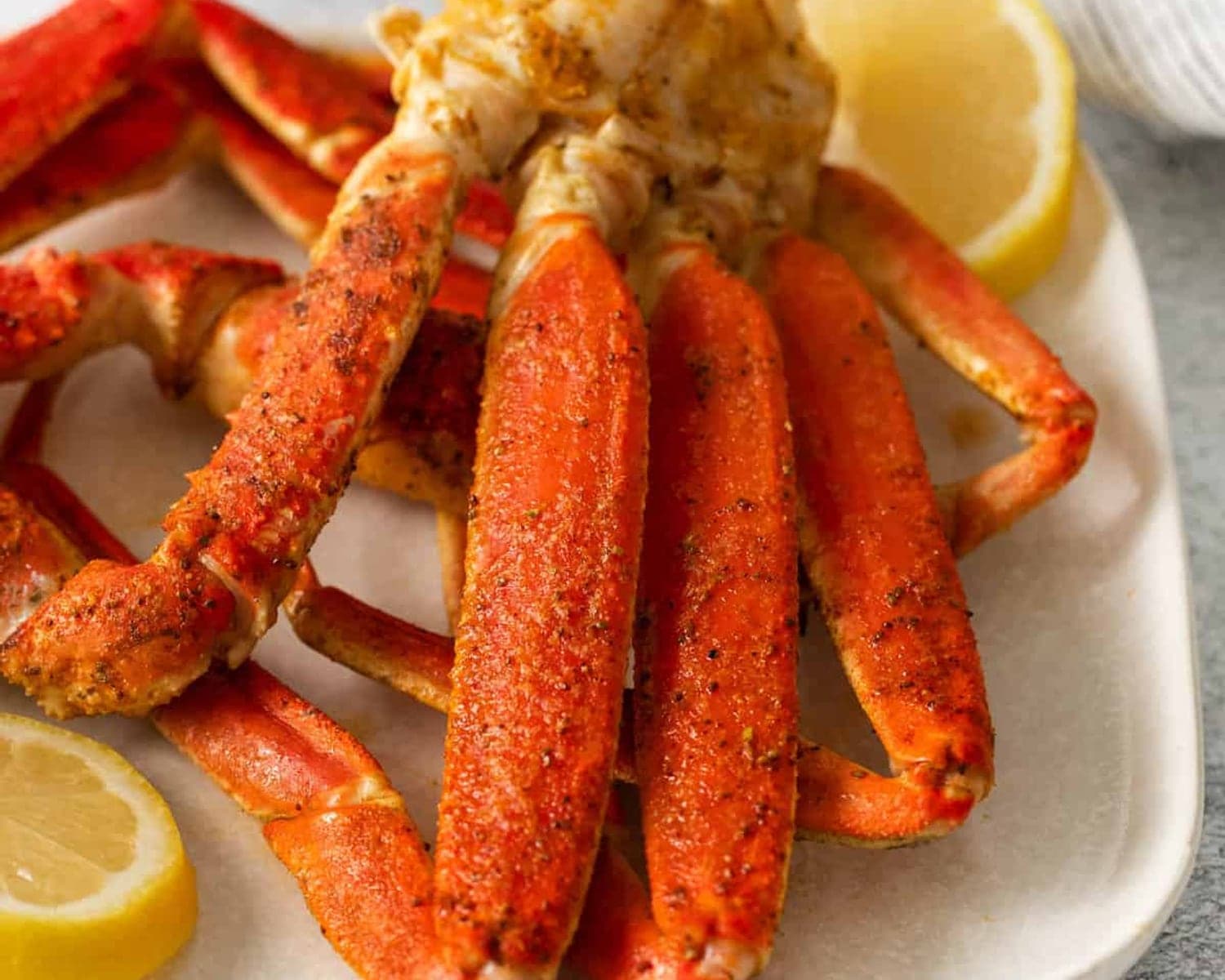
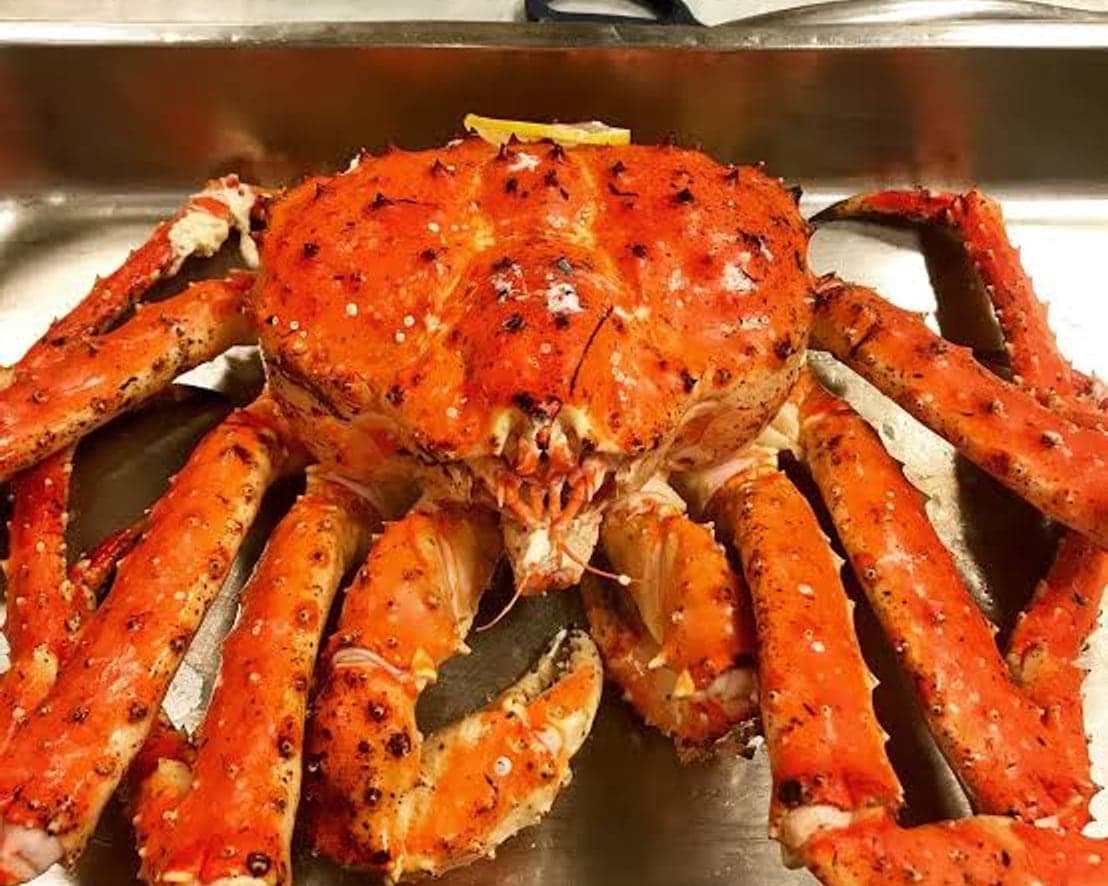
Red, golden and blue king crab, cooked frozen or live by request
Frozen
Buyer guides
Species Profiles6 min read
Blue Swimming Crab: A Profile of the Flower Crab and Its Portunus Relatives
Who is who in the Portunus pelagicus group since its 2010 split, how to recognize the crab under its many market names, where it is caught, and how kitchens from Southeast Asian stalls to American crab cake lines use it.
Read the guide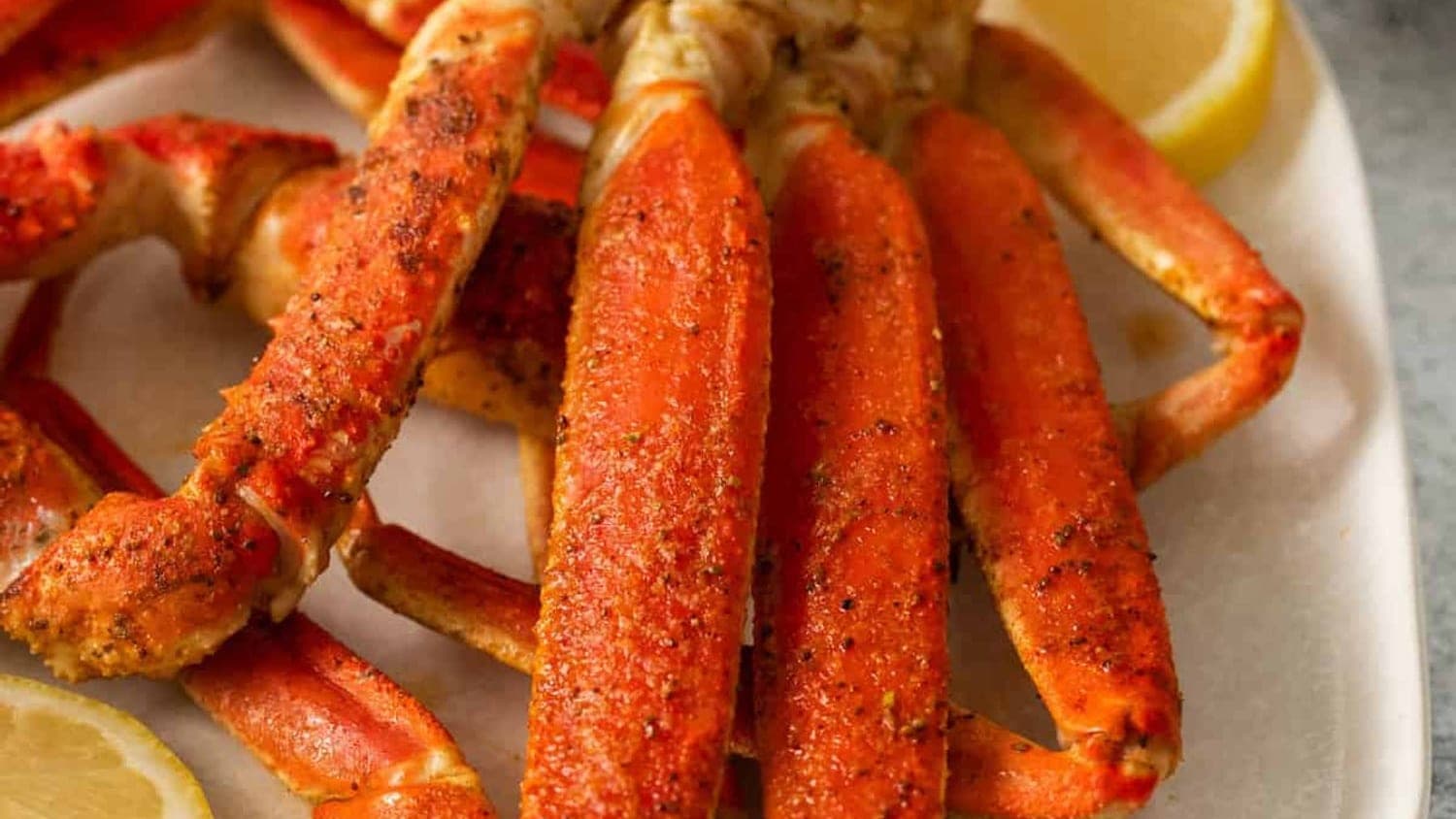
Buying Guide8 min read
King Crab and Snow Crab: A Wholesale Buyer’s Guide
A practical guide to buying king crab and snow crab: species and formats, size grades that need defining in writing, meat fill and glaze, catch documentation, storage and a pre-shipment and arrival checklist.
Read the guide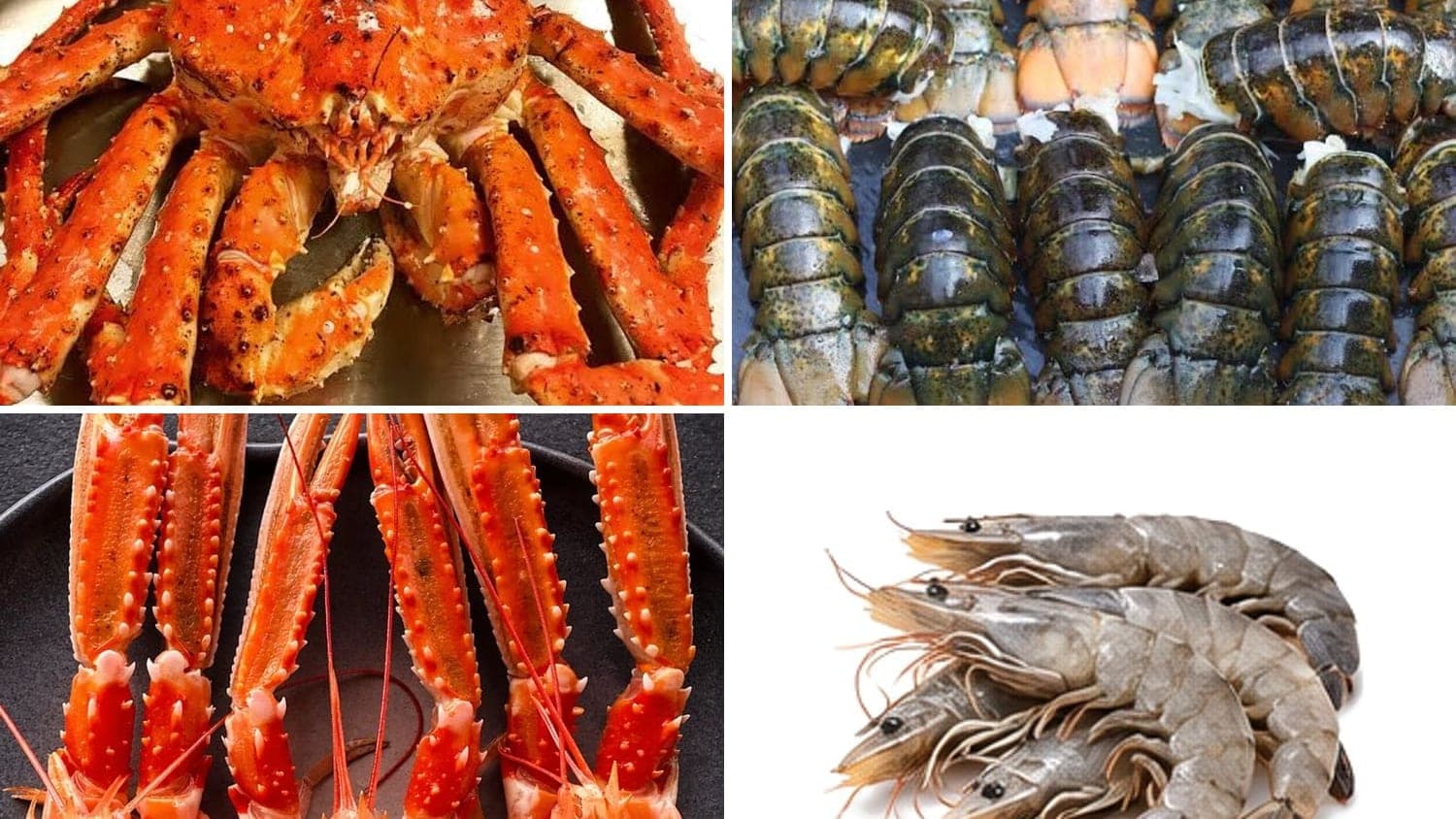
Import & Compliance8 min read
Shipping Seafood: Reefer Containers, Cold Chain and Incoterms
A logistics guide for seafood buyers: reefer and dry-container shipping, temperature records, air freight for chilled and live product, where Incoterms 2020 place cost and risk, and the evidence a claim needs.
Read the guide
Request a quote
Request a quote for blue swimming crab
Share your target grade, packing, volume and destination. We confirm availability, documentation for your market and a formal quotation, usually within one business day.
- Grade, size or count required
- Packing format and labeling language
- Estimated volume and order frequency
- Destination port or airport and Incoterm
- Reference: Blue Swimming Crab