Frozen & Live Seafood
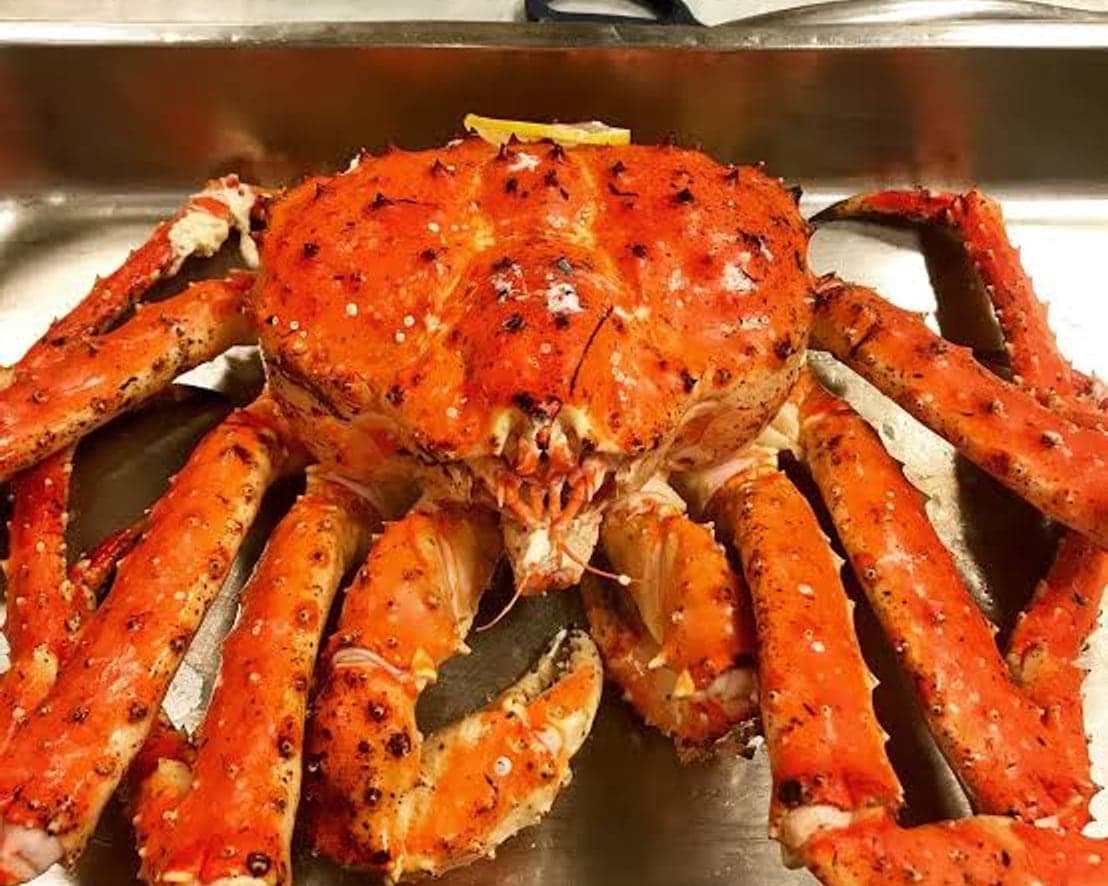
King Crab
Red, golden and blue king crab, cooked frozen or live by request
Frozen
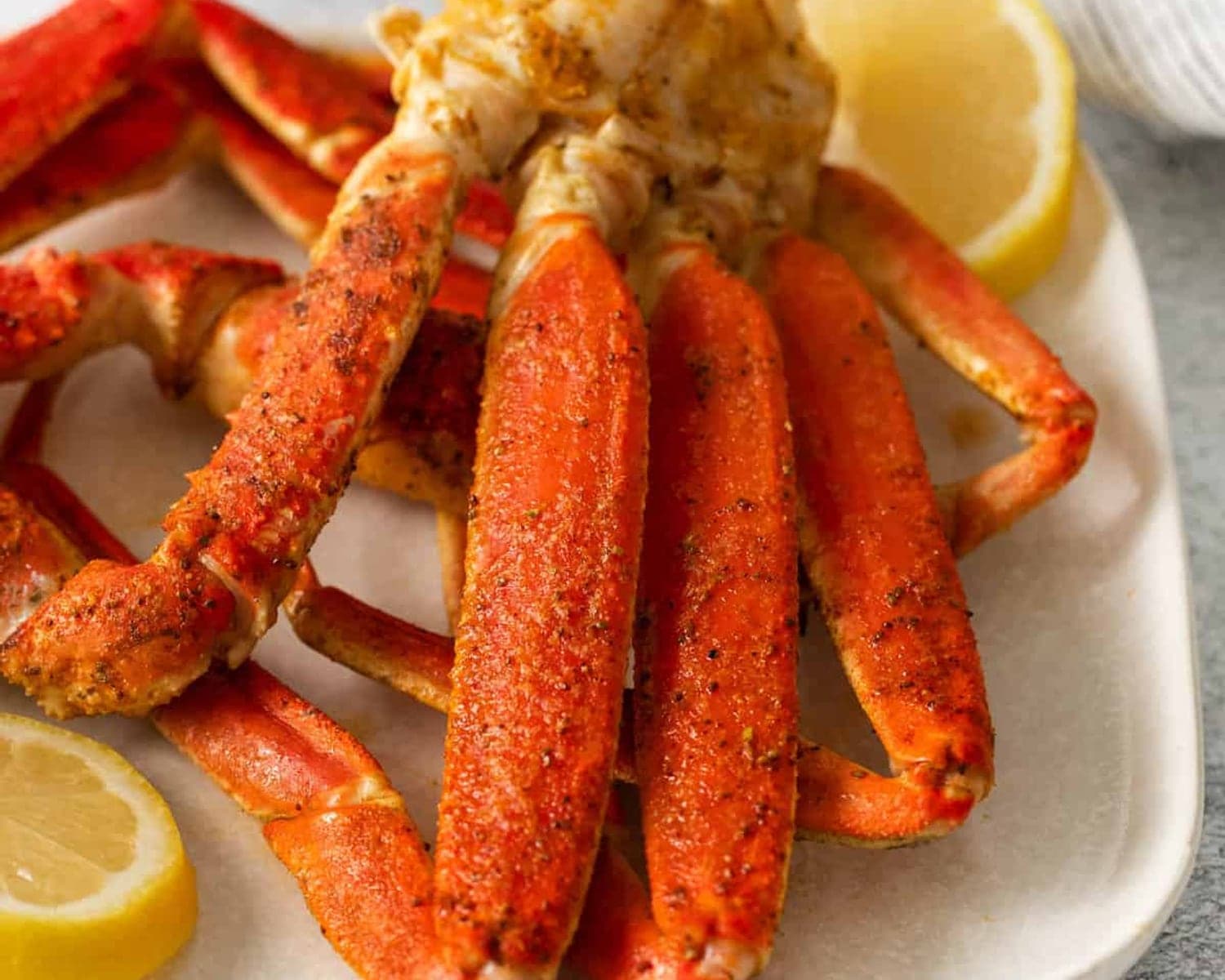
BSA Food Products sources snow crab to order as cooked, brine-frozen clusters, cocktail claws and meat, specifying opilio or bairdi species, harvest area and cluster grade on each offer.
Indicative; confirmed per lot on each quotation.
Snow crab is the volume crab of the frozen seafood trade. Its long, slender legs hold sweet, fibrous white meat that pulls cleanly from the shell, and clusters cost markedly less than king crab legs, which makes them a mainstay of seafood buffets, crab boils, casual dining chains and retail freezer promotions. Like the other items on our list of premium products sourced on request, it is bought season by season against a buyer’s brief rather than carried in stock, because quotas and fishery openings move both availability and size profile from year to year.
The main commercial species is Chionoecetes opilio, traded simply as opilio or snow crab and landed in Atlantic Canada, Alaska, Greenland and Norway among other areas. Its larger relative Chionoecetes bairdi, sold as bairdi or tanner crab, gives heavier clusters and a thicker leg but comes from smaller fisheries that open only in some years. Atlantic Canadian supply concentrates in spring and early summer, while other fisheries open at different points in the calendar. Each offer names the species, the fishing area and the plant that cooked and packed the crab, so that buyers can check eligibility for their own market.
Snow crab is usually cooked in brine soon after landing and then brine-frozen. A cluster, also called a section, is half a crab: four walking legs and one claw joined at the shoulder. Clusters are graded by weight, often in ounce bands such as 5–8 oz, 8 oz and up or 10 oz and up, or in grams for metric markets. Other formats include cocktail claws, with the shell scored or removed above the pincer, leg and merus meat, and whole cooked crab. Raw frozen clusters are produced for some Asian buyers. Meat fill, meaning how fully the meat occupies the shell, varies with the time of year the crab was caught.
Because clusters are glazed to protect shell and meat in cold storage, comparing offers on gross weight alone can easily mislead a buyer. We state the glaze percentage and net weight for each lot, along with the cooking and freezing method, and list the documents the shipment will carry. For banquet menus that call for a larger, more striking leg, king crab is the natural step up, and our export quality assurance page explains how lot codes link each carton to its paperwork.
Specification sheet
Indicative values. Final specifications are confirmed per lot on the quotation and certificate of analysis.
| Species | Chionoecetes opilio (snow crab); Chionoecetes bairdi (bairdi or tanner crab) |
|---|---|
| Origin | Atlantic Canada, Alaska, Greenland, Norway; fishing area named per offer |
| Formats | Clusters, cocktail claws, leg and merus meat, whole cooked crab |
| Cluster grade | By weight, e.g. 5–8 oz, 8 oz up, 10 oz up |
| Processing | Cooked in brine, brine-frozen and glazed; raw frozen on request |
| Glaze | Stated as a percentage, with invoices showing net weight |
| Temperature | -18 °C or colder, with -25 °C preferred for long holding |
| Shelf life | Per the packer’s date, often 12–18 months under steady frozen storage |
| Documents | Health certificate, catch certificate where your market asks, certificate of origin, invoice and packing list |
| Minimum order | Usually from one pallet per grade, with full containers for retail promotions and regular programs. |
| Lead time | Typically 2–6 weeks once the season’s pack is available; to secure a share of a new season, send the brief before the fishery opens. |
FAQ
Both belong to the genus Chionoecetes. Opilio is the main snow crab of commerce, with slender legs and clusters that commonly weigh from about 5 to 10 ounces. Bairdi, also called tanner crab, grows larger and gives heavier clusters with thicker legs, so it often sits between opilio and king crab on a menu. Bairdi fisheries are smaller and open less reliably, which makes an early brief important if you want it for a particular season or promotion.
By the weight of each cluster, usually in ounce bands such as 5–8 oz or 8 oz and up in North American trade, or in gram bands for metric markets. Heavier clusters carry longer legs and more meat, but also more shell. Two lots in the same weight band can still differ in meat fill depending on when the crab was caught, so it is worth asking for a sample or the packer’s yield data before committing to a large program.
Most snow crab enters trade cooked, because cooking in brine shortly after landing sets the texture and makes the clusters ready to serve once thawed. Some plants produce raw frozen clusters, mainly for Asian markets that steam or grill the crab or use it in hot pot, and these need careful handling to avoid discoloration of the meat. If your recipe calls for raw product, say so in the brief and we will check which packers are producing it that season.
Quotas are reset every year from stock surveys, so the volume available, the size profile and each packer’s share can all move, and some fisheries have been closed outright in poor years. Demand from large buyers in North America and Asia also shifts the market quickly once a season opens. Sourcing to order lets us quote what is actually available for your grade and destination, rather than a position set months earlier.
Related
Frozen & Live Seafood
Red, golden and blue king crab, cooked frozen or live by request
Frozen & Live Seafood
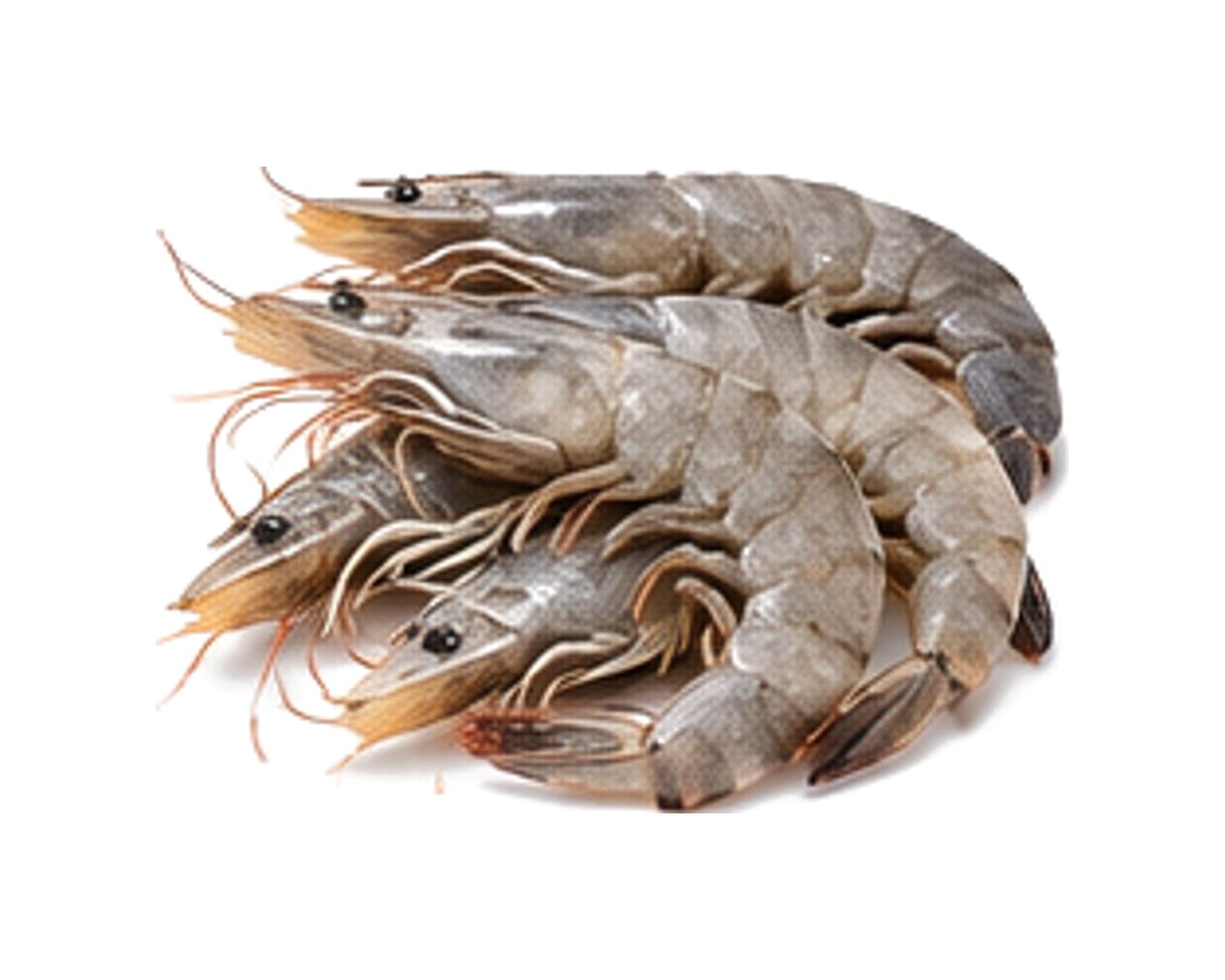
Argentine red, black tiger and vannamei, by count per kg or lb
Frozen & Live Seafood
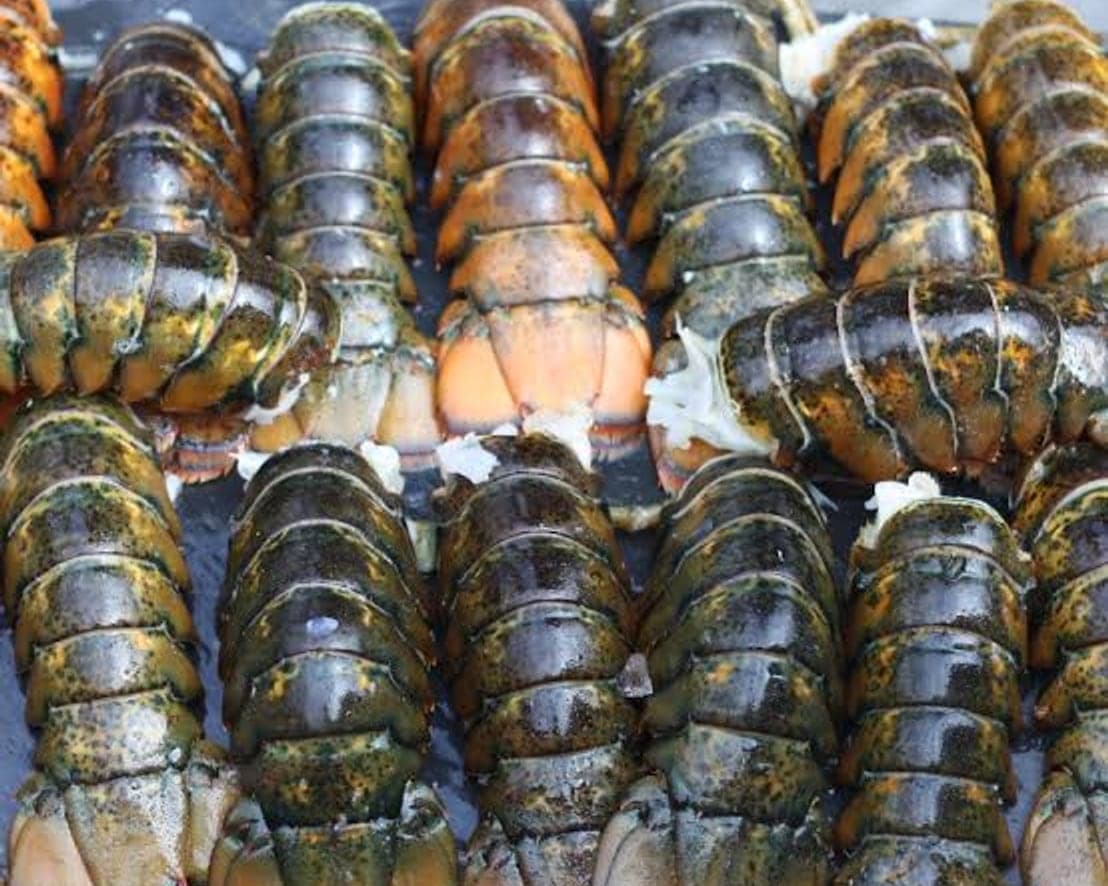
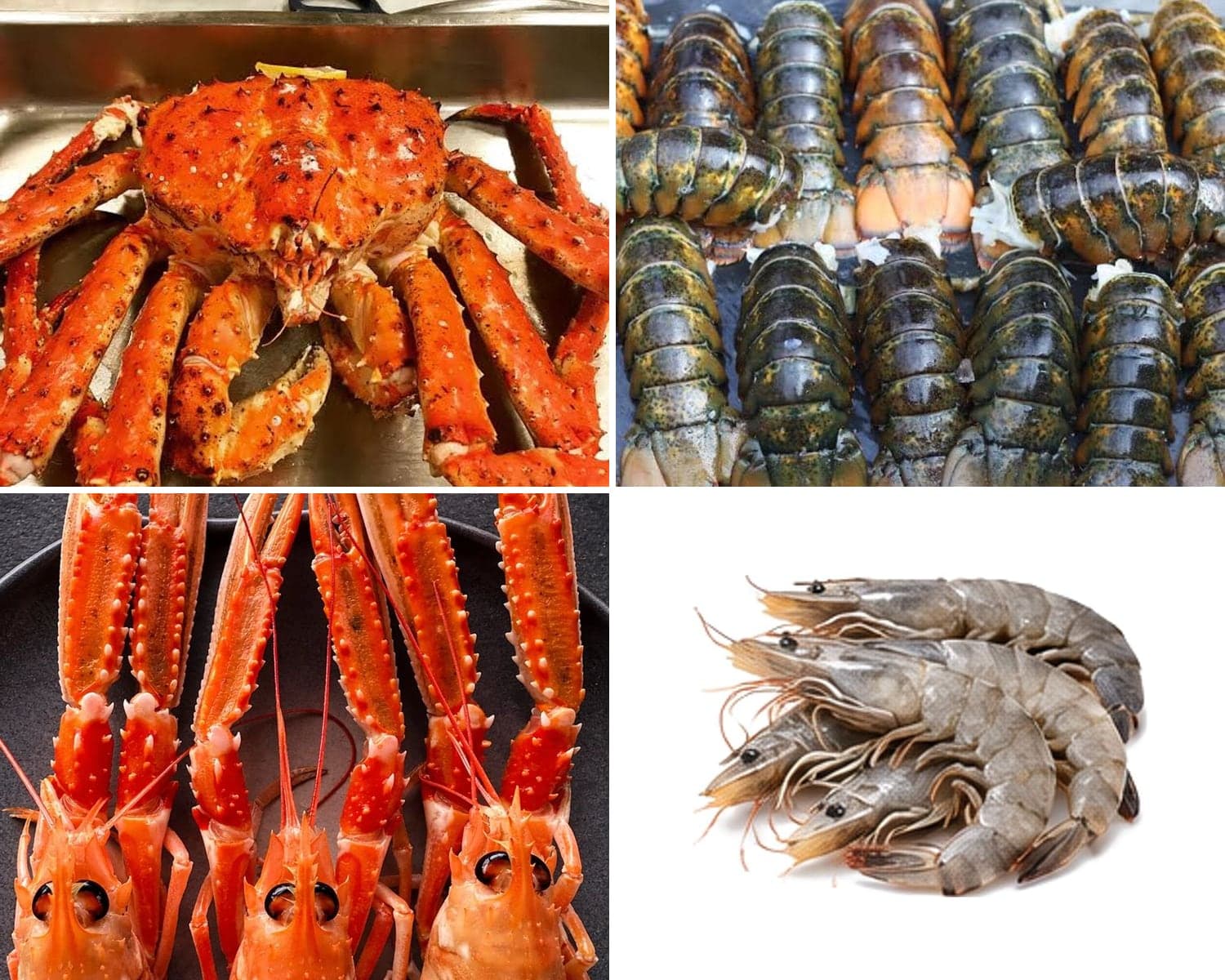
Crab, lobster, langoustine, geoduck and shrimp, sourced to brief
Species Profiles6 min read
The animal behind snow crab clusters: a cold-water relative of the spider crabs that stops growing at maturity, the fisheries that land it from Canada to Japan, and how it compares with bairdi and red snow crab.
Read the guide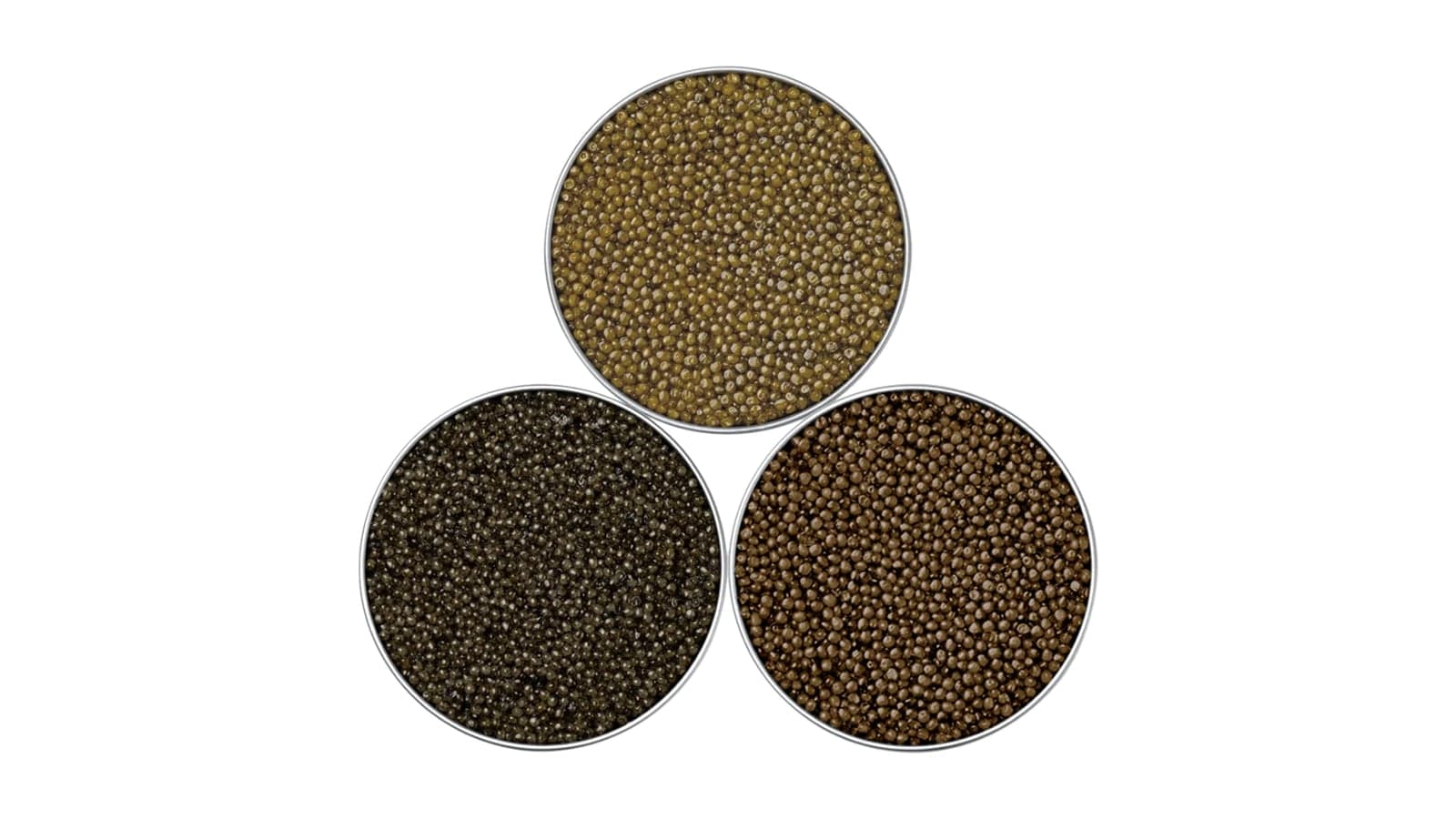
Buying Guide7 min read
How chefs, foodservice buyers and brand owners match grade and format to the application, compare suppliers on cost per portion, and keep quality consistent across orders and channels.
Read the guide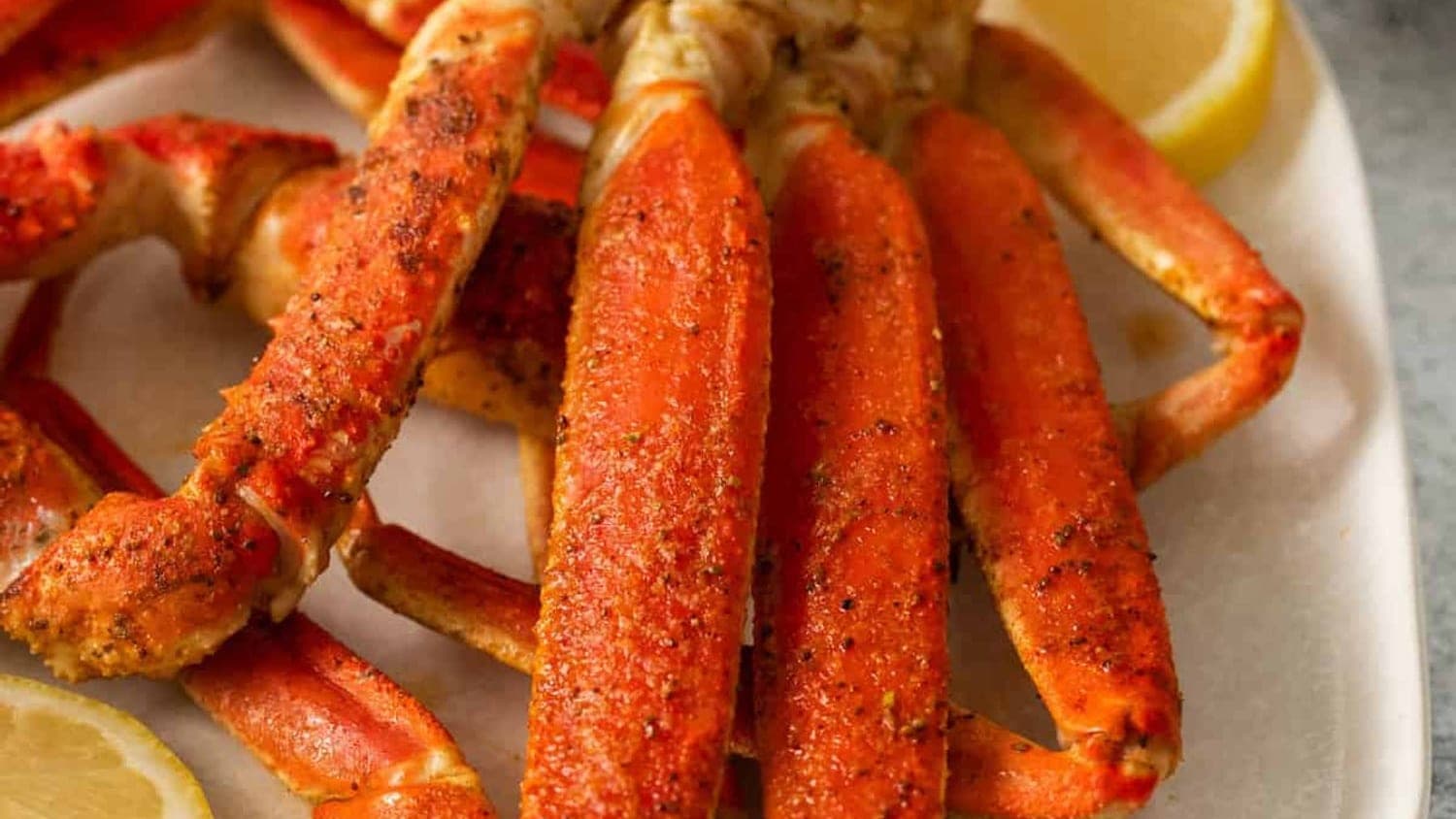
Buying Guide8 min read
A practical guide to buying king crab and snow crab: species and formats, size grades that need defining in writing, meat fill and glaze, catch documentation, storage and a pre-shipment and arrival checklist.
Read the guideRequest a quote
Share your target grade, packing, volume and destination. We confirm availability, documentation for your market and a formal quotation, usually within one business day.