Frozen & Live Seafood
Large Shrimp and Prawns
Argentine red, black tiger and vannamei, by count per kg or lb
Frozen
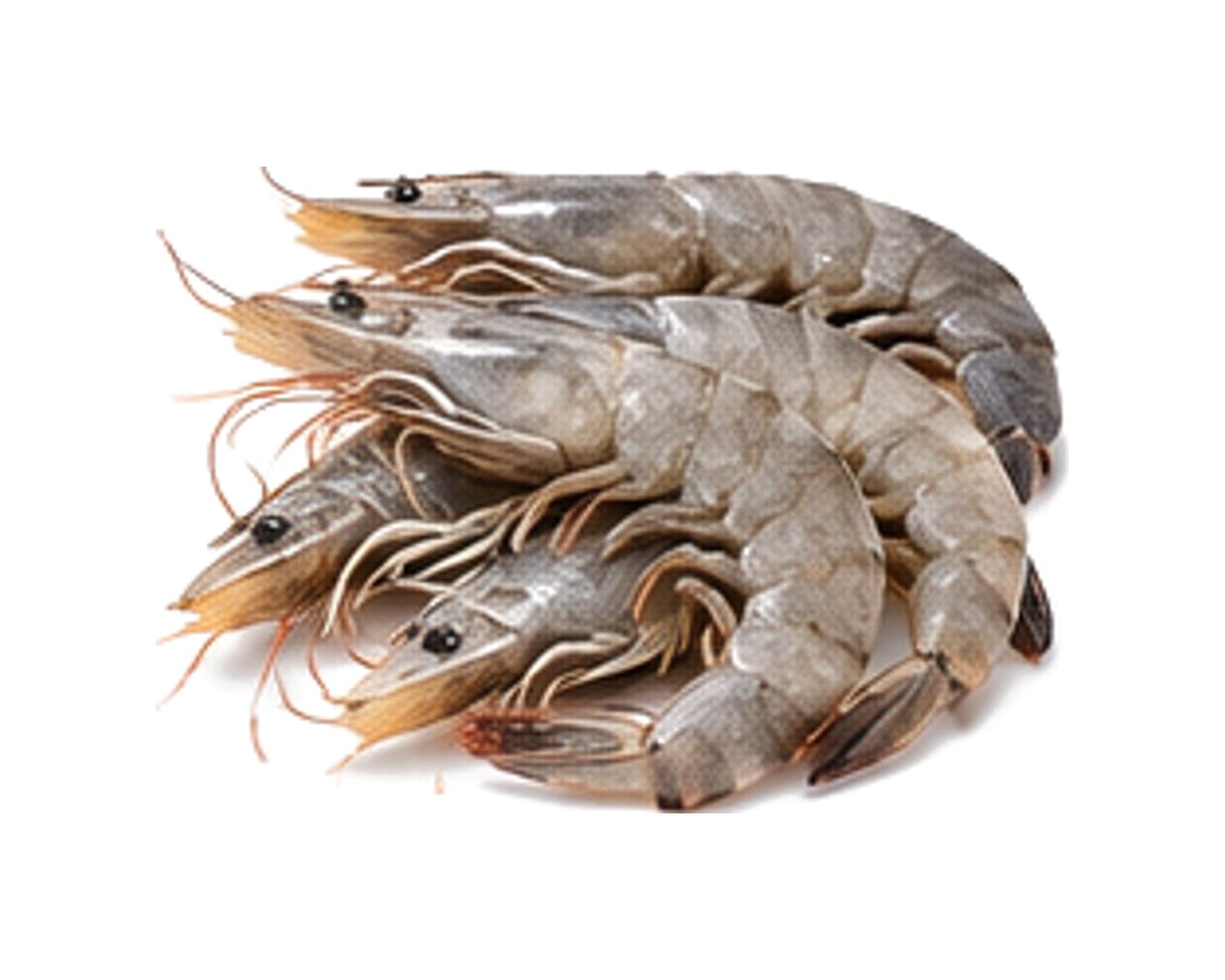
BSA Food Products supplies farmed vannamei (whiteleg) shrimp from Thailand and other farming origins in every standard cut, raw or cooked, with count, glaze, net weight and any soaking agent written into the specification before production.
Indicative; confirmed per lot on each quotation.
Vannamei is the workhorse of the frozen shrimp trade: a farmed species with a mild, sweet flavor and a clean white-to-coral color once cooked, produced in enough volume to anchor year-round retail, foodservice and processing programs. Our large shrimp and prawns page deals with the biggest counts, sourced to brief, so this page covers the medium and small grades that make up most standing orders, from 16/20 per pound through 71/90 and the small peeled sizes used in fried rice, salads and ready meals.
The species is Penaeus vannamei, still widely labeled under its older name Litopenaeus vannamei and also known as Pacific white shrimp. It is native to the Pacific coast of Latin America and is now farmed across Asia and the Americas. Thailand remains a significant producer and, just as importantly, a long-established processing base whose plants handle labor-intensive cuts such as nobashi, skewered and cooked shrimp for Japanese, North American and European buyers. Lots from Vietnam, Indonesia, India and Ecuador are offered when a specification or price point calls for them, with the country and farm region declared on each offer, because duties, border testing and the document set all follow the origin.
Head-on shell-on (HOSO) vannamei is graded in pieces per kilogram, typically 20/30 through 80/100, and goes largely to Asian and Middle Eastern buyers who cook it whole. Headless shell-on (HLSO), EZ-peel, peeled undeveined (PUD), peeled and deveined (PD) and peeled tail-on (PDTO) shrimp are usually counted per pound in bands from 16/20 to 71/90, with 91/120 and smaller for PUD. At harvest the shrimp are chilled in ice slurry and taken to the plant promptly, where they are machine-graded, peeled and deveined by hand or machine, then frozen on tunnel or spiral IQF lines and glazed, or block-frozen in 2 kg cartons. Cooked lines pass through continuous steam or boiling cookers and are cooled and frozen in areas kept apart from raw handling. Many peeled lots are soaked in a moisture-retention solution, phosphate-based or non-phosphate, and the agent and its level go on the specification.
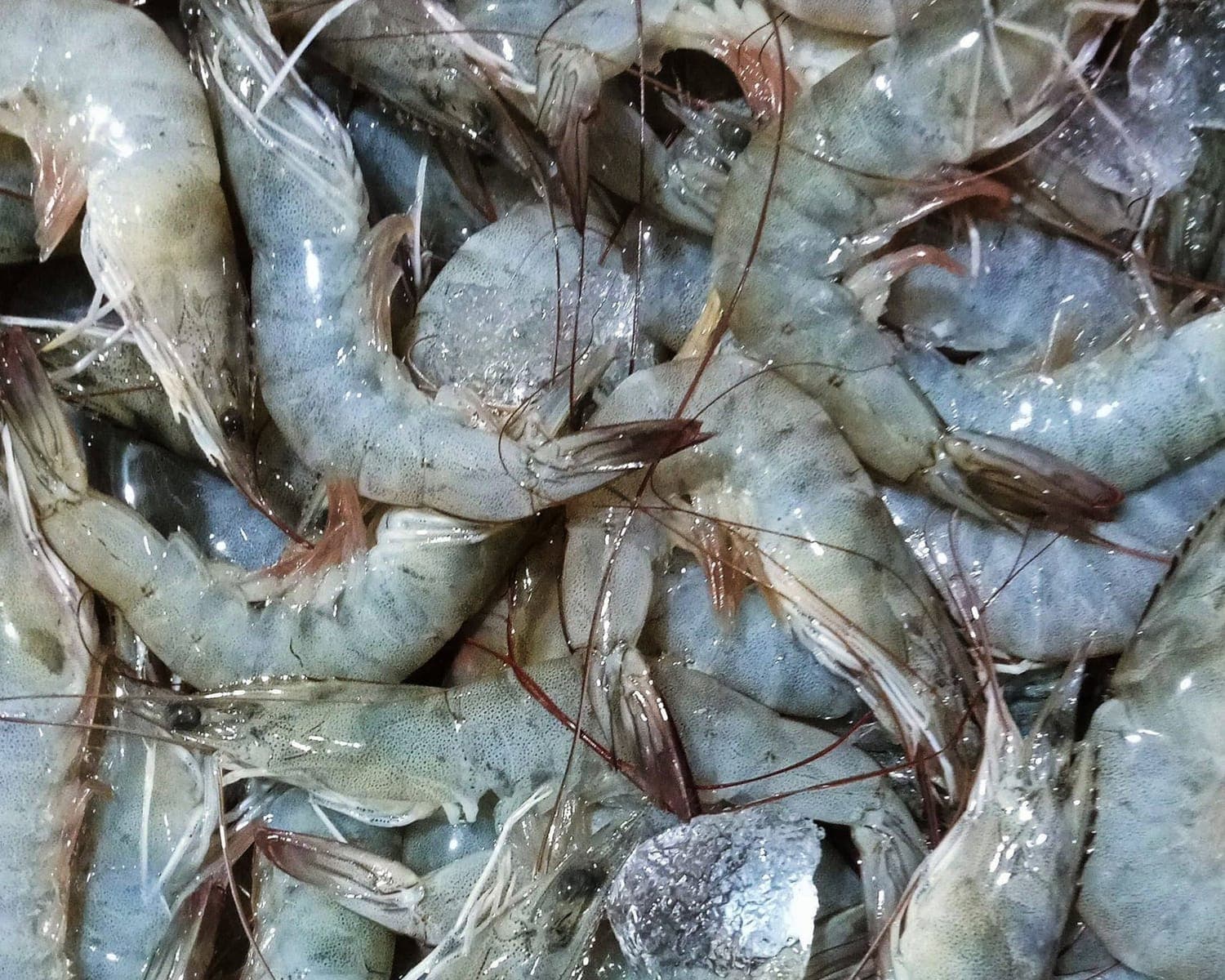
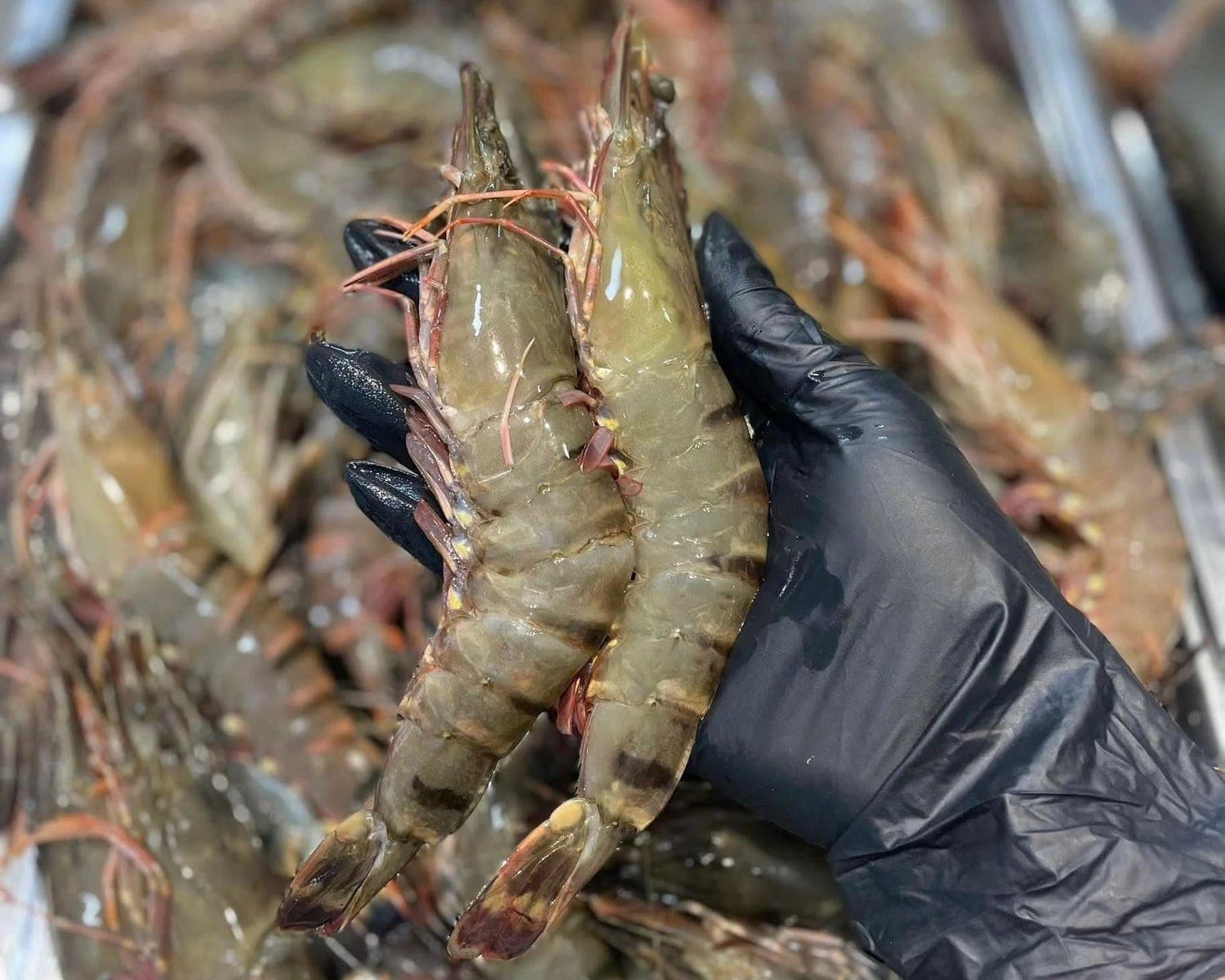
On arrival, buyers look first at net weight after deglazing and at count against the declared unit, then at uniformity, broken and soft-shell pieces, black spot on the shell segments, loose heads in HOSO packs, residual vein in PD and the earthy or muddy taste that pond-raised shrimp occasionally carry. Raw vannamei should look grey-white and slightly translucent; a swollen, glossy look, a slippery feel and heavy drip on thawing suggest an aggressive soak. Mid counts suit grilling, stir-fries and pasta, small peeled grades go to ready-meal and processing plants, and cooked PDTO is a retail staple for platters and shrimp rings. The counting and deglazing routine is set out in our frozen shrimp specifications guide, and black tiger shrimp is the alternative when a menu wants a firmer bite and a banded shell.
Specification sheet
Indicative values. Final specifications are confirmed per lot on the quotation and certificate of analysis.
| Species | Penaeus vannamei (also listed as Litopenaeus vannamei), farmed |
|---|---|
| Origin | Thailand, Vietnam, Indonesia, India, Ecuador; country and farm region per lot |
| Cuts | HOSO, HLSO, EZ-peel, PUD, PD, PDTO, butterfly; raw or cooked |
| Count | HOSO 20/30 to 80/100 pcs/kg; HLSO and peeled 16/20 to 71/90 per lb; PUD to 91/120 and smaller |
| Freezing | IQF with glaze, or 2 kg blocks |
| Additives | Moisture-retention agent and sulfite use declared, or a nil declaration where none is used |
| Glaze | Percentage and calculation basis stated; invoiced on net weight |
| Residues | Veterinary drug residue testing to destination limits, with results tied to the lot code |
| Shelf life | Typically 18–24 months at -18 °C or colder, as dated by the packer |
| Documents | Health certificate, certificate of origin, packing list and lab reports, with the full set confirmed per order and destination |
| Minimum order | Typically one 20 ft reefer container, which can combine several counts and cuts; trial pallets by arrangement for a new specification. |
| Lead time | Usually 3–5 weeks from confirmed specification and label approval; cooked and private-label lines can need longer for production scheduling. |
FAQ
It depends on the use and on your market’s rules. Peeled vannamei is often soaked in a phosphate or non-phosphate moisture-retention solution, which limits drip loss on thawing and keeps the meat plump, but an aggressive soak adds water that is paid for at shrimp prices and makes the shrimp shrink and turn rubbery in the pan. Unsoaked shrimp lose more liquid on thawing and cook closer to their natural texture. We write the soaking agent, or a nil declaration, into every specification, and a cooked yield test on a sample is the quickest way to compare two offers.
As a rough guide, 16/20 to 26/30 per pound suits grilling, skewers and plated mains where the shrimp is the focus; 31/40 and 41/50 cover stir-fries, pasta and curries; and 51/60 down to 91/120 go into fried rice, dumplings, salads and ready meals, where cost per portion matters more than piece size. Head-on vannamei of 30/40 to 50/60 per kilogram is popular for whole presentation in Asian and Middle Eastern markets. Tell us the dish and the portion weight, and we will suggest a count and cut.
The head is where problems show first. Check that heads are firmly attached rather than loose in the bag, that they are free of black spot, and that there is no orange or reddish discoloration seeping from the digestive gland, often linked to stress at harvest, poor pond conditions or slow chilling afterwards. Head-on shrimp needs fast chilling and freezing, and block-frozen packs give the heads extra protection in long storage. A thawed sample drawn from several cartons, then cooked and tasted, gives a fair picture of the lot.
Yes. Cooked vannamei is fully cooked before freezing and is served after thawing, chilled on platters or warmed briefly in a dish. Because it will not be cooked again, many importing authorities treat it as a ready-to-eat food with stricter microbiological criteria, including Listeria monocytogenes, so the specification should state the test plan and whether the count refers to raw or cooked weight. Once thawed, keep it at refrigerator temperature and work within your own holding-time limits.
Related
Frozen & Live Seafood
Argentine red, black tiger and vannamei, by count per kg or lb
Specialty Dried Seafood
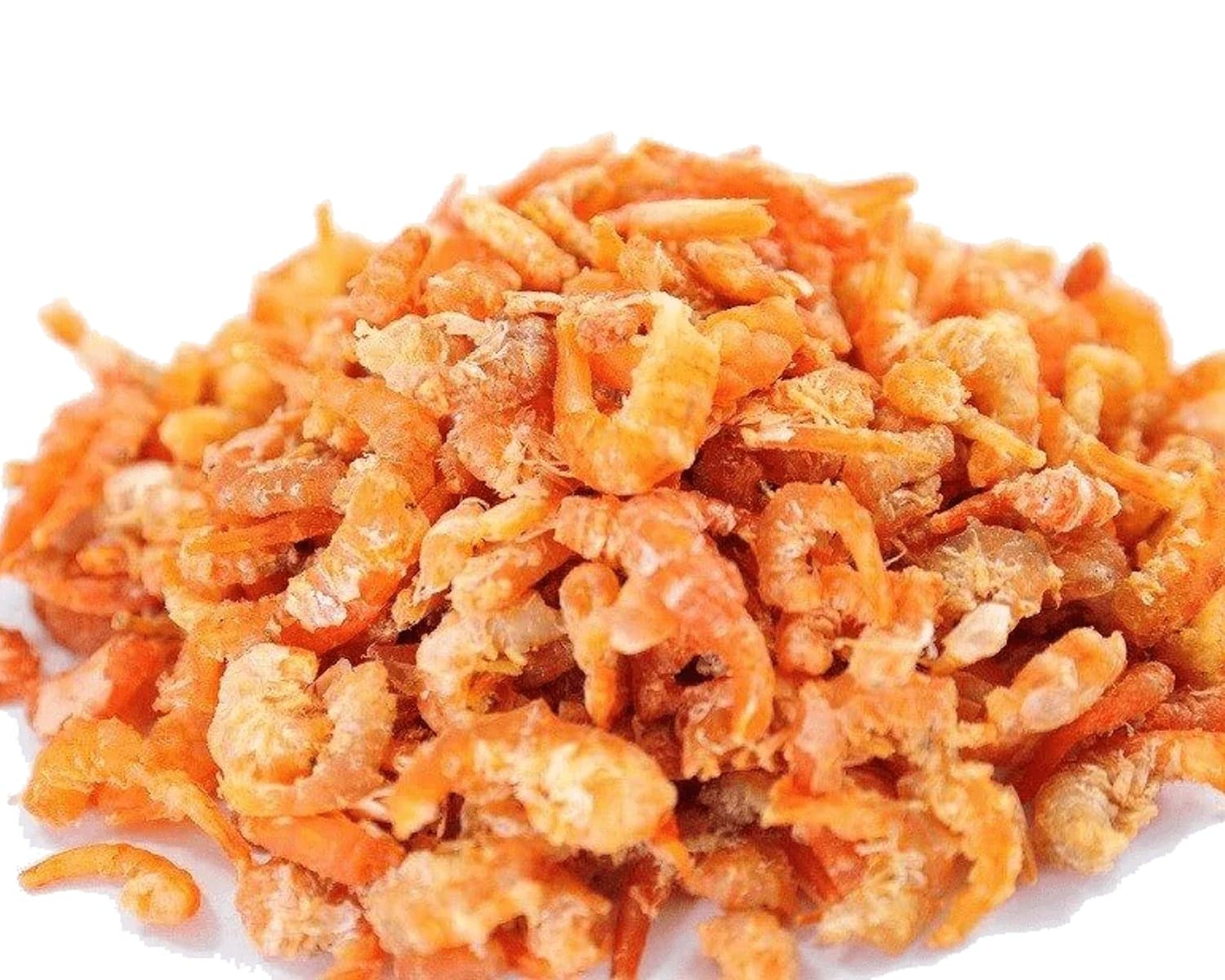
Peeled dried shrimp and shell-on prawns, sorted by size
Species Profiles6 min read
How a Pacific shrimp from the coast between Mexico and Peru became the base of the farmed shrimp trade, how to tell it from other white shrimps, and where each form fits in the kitchen.
Read the guide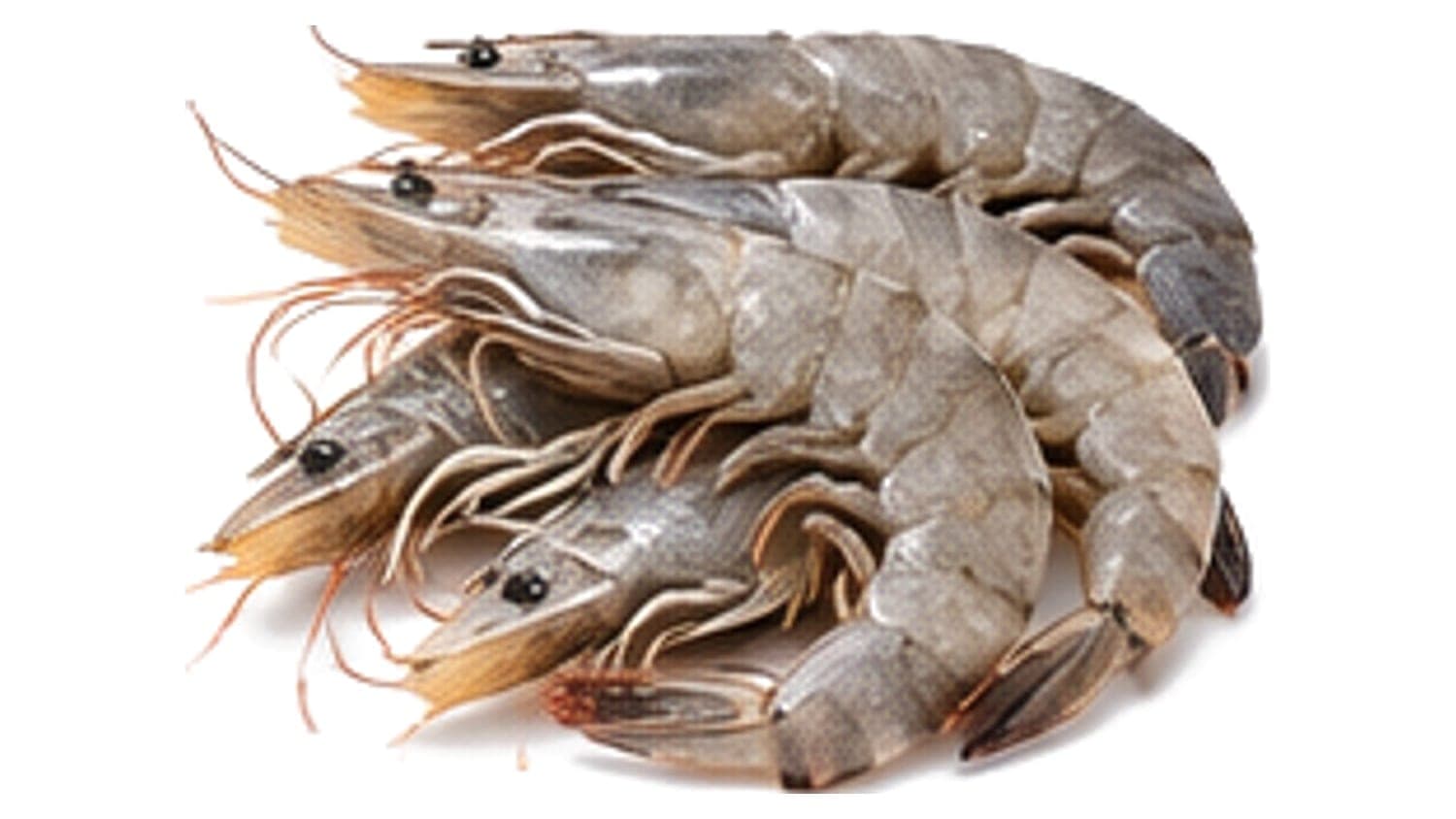
Buying Guide7 min read
How to specify and check frozen shrimp: species and cuts, count notation per pound or per kilogram, glaze and net weight, IQF and block formats, defects, treatment declarations and an arrival routine.
Read the guide
Import & Compliance8 min read
A logistics guide for seafood buyers: reefer and dry-container shipping, temperature records, air freight for chilled and live product, where Incoterms 2020 place cost and risk, and the evidence a claim needs.
Read the guideRequest a quote
Share your target grade, packing, volume and destination. We confirm availability, documentation for your market and a formal quotation, usually within one business day.