- Private-label packing
- Export documentation
Frozen Fish
Frozen Swordfish Supplier: Loins, Steaks and Portions
Wild swordfish (Xiphias gladius) from longline fisheries, supplied frozen as skin-on loins, bone-in or boneless steaks and trimmed portions, with catch area, flesh color and bloodline condition described for every lot.
- Skin-on loins graded by piece weight
- Bone-in and boneless steaks; portions by ounce band
- Bloodline color, texture and trim checked per lot
- Longline catch with ocean, FAO area and flag declared
- Mercury and histamine testing arranged to destination rules
- Vacuum-packed to limit oxidation and freezer burn
Product Specifications
Indicative; confirmed per lot on each quotation.
- Origin
- Indian Ocean longline fisheries landing in Sri Lanka, Indonesia and other ports, with Pacific and Atlantic swordfish from partner origins on request; ocean, FAO area, gear and vessel flag declared per lot.
- Grade / Size
- Loins by weight per piece; steaks and portions by ounce or gram band (e.g. 4–6, 6–8, 8–10, 10–12 oz and 12 oz up), bone-in or boneless.
- Form & Processing
- Dressed fish cut into skin-on loins, bone-in or boneless steaks and trimmed portions, blast-frozen or ultra-low frozen and vacuum-packed or IQF; whole dressed fish on request.
- Storage
- Keep at -18 °C or colder, and colder still for long holding where the packer advises; thaw in the vacuum pack under refrigeration and cook within a day or two.
- MOQ
- From one pallet per cut and size band, combinable with tuna and other frozen fish in a single reefer.
- Lead Time
- Generally 3–6 weeks once cuts and size bands are agreed; longline landings vary with season and weather at each origin.
Product overview
Swordfish is bought as a meaty fish: dense, with little flake, and firm enough to grill over high heat without falling apart. That makes it a fixture on Mediterranean, North American and Australian menus and on retail counters that sell steaks by the piece. Whole fish commonly weigh tens of kilograms, so the frozen trade runs almost entirely on loins, steaks and portions cut from dressed fish, and the decisions a buyer makes concern cut, trim, size band and freezing method rather than the whole fish.
There is a single species, Xiphias gladius, found in tropical and temperate waters worldwide and taken mainly by pelagic longline, with harpoon and handline catches in a few fisheries. Our frozen supply comes mainly from Indian Ocean longline fleets landing in Sri Lanka, Indonesia and other ports, while Pacific and Atlantic swordfish can be sourced from partner origins on request. The stocks are managed by regional tuna commissions, including IOTC in the Indian Ocean, WCPFC and IATTC in the Pacific and ICCAT in the Atlantic, whose measures include catch limits and, in some areas, minimum sizes. Each offer names the ocean, FAO area, gear and vessel flag.
Dressed fish, headed and gutted with the fins removed, are cut lengthwise into four loins, which are sold skin-on to protect the meat in the freezer and graded by loin weight. Steaks are cut across the loin, bone-in from the center section or boneless, and portions are trimmed to fixed ounce bands such as 4–6, 6–8, 8–10 and 10–12 oz. Flesh color runs from ivory through pink to orange depending on diet and fishing ground and says little about eating quality on its own. Buyers look instead for a bright red bloodline rather than a brown one, firm texture without gaping, no bruising or freezer burn, and a clean trim of the bloodline on portions.
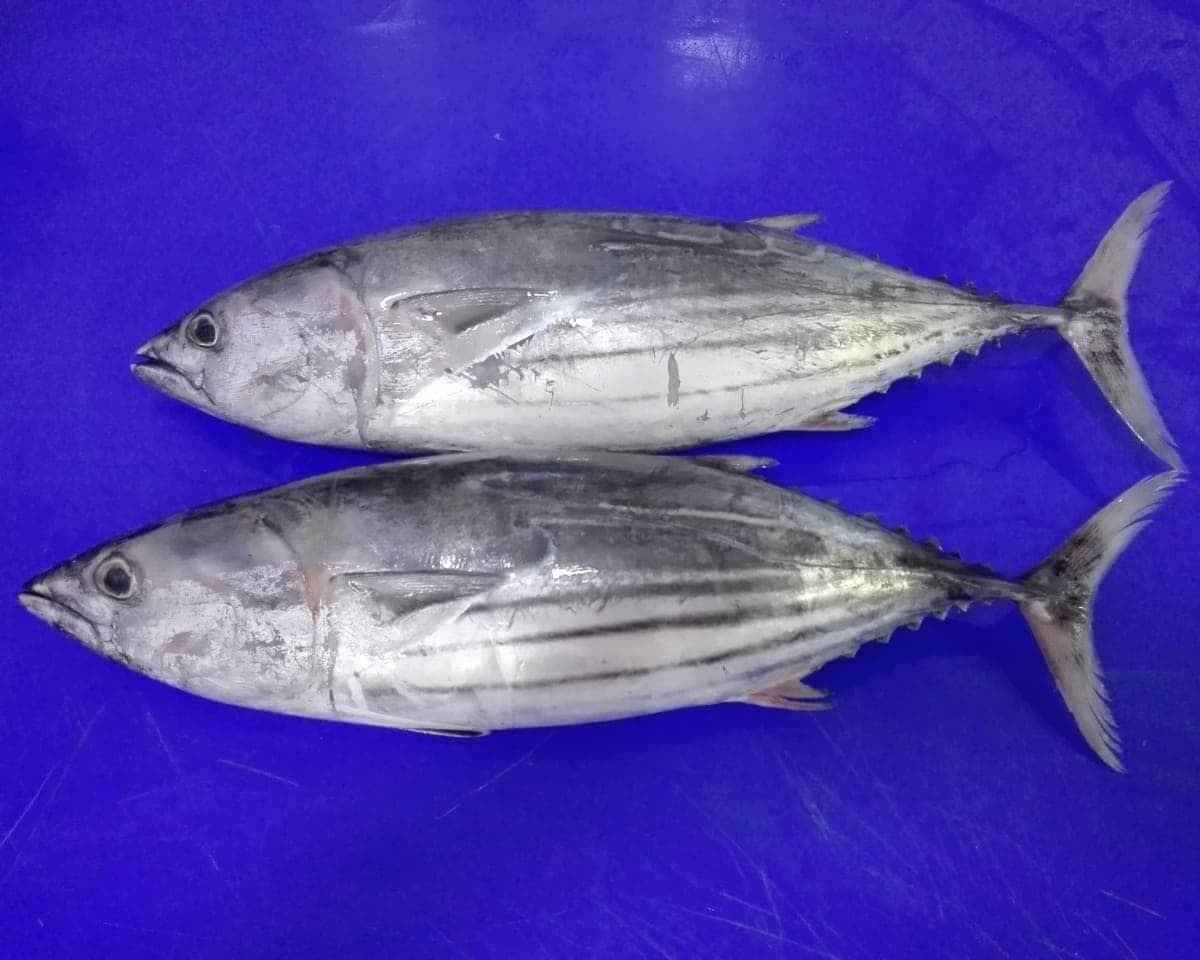
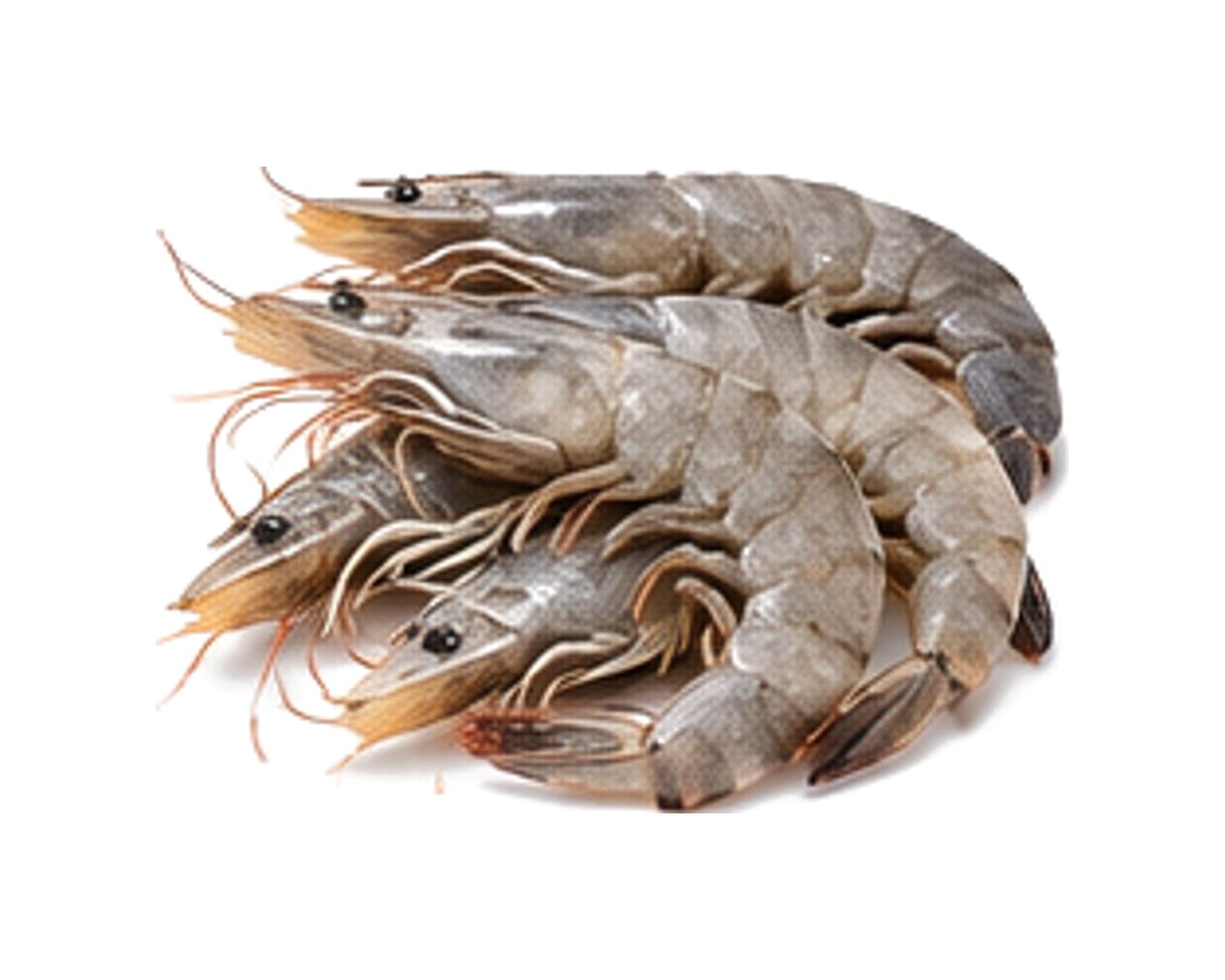
Lots are blast-frozen or frozen at ultra-low temperature and vacuum-packed to limit oxidation, and because several markets set mercury limits for large predatory fish, testing can be arranged on each lot with the report tied to its lot code, as described under export quality assurance. On grill menus swordfish often sits beside yellowfin tuna steaks, and the two can share a container from the same longline origins. Kitchens building a seafood grill program can add large shrimp and prawns to the same order.
Specification sheet
Frozen Swordfish: full specification
Indicative values. Final specifications are confirmed per lot on the quotation and certificate of analysis.
| Species | Xiphias gladius (swordfish) |
|---|---|
| Fishing area | Indian Ocean; Pacific and Atlantic on request; FAO area per lot |
| Gear | Pelagic longline; harpoon or handline where offered |
| Cuts | Skin-on loins, bone-in or boneless steaks, portions |
| Size | Portions from 4–6 oz to 12 oz up; loins by piece weight |
| Quality checks | Bloodline color, texture, gaping, bruising and trim |
| Freezing | Blast or ultra-low frozen; vacuum-packed or IQF |
| Testing | Mercury and histamine against the importing market’s limits, arranged per lot |
| Documents | Catch certificate for EU-bound swordfish, statistical document and Seafood Import Monitoring Program data for the US, health certificate |
| Minimum order | From one pallet per cut and size band, combinable with tuna and other frozen fish in a single reefer. |
| Lead time | Generally 3–6 weeks once cuts and size bands are agreed; longline landings vary with season and weather at each origin. |
FAQ
Frozen Swordfish: questions from buyers
Why does swordfish flesh vary from white to orange?
Swordfish meat ranges from ivory or white through pink to a distinct orange, mostly because of what the fish has been eating and where it was caught. Color alone is a poor guide to quality, although some markets have clear preferences, so we describe it on each offer. Better signs of condition are a bright, cherry-red bloodline (it turns brown as the fat and pigment oxidize), firm meat without gaps between the muscle rings, and no dry, white patches of freezer burn.
Do you test swordfish for mercury?
Where your market sets a limit or your customer requires it, yes. Methylmercury accumulates in large, long-lived predatory fish, and regulators including the European Commission, Health Canada and the US FDA apply maximum or action levels that cover swordfish. We arrange testing of samples from each lot at an independent laboratory and tie the report to the lot code. We do not quote figures in advance, because each result belongs only to the lot that was tested.
Should I buy loins or ready-cut portions?
Loins suit kitchens and retailers with a band saw or skilled cutters: you control steak thickness, trim and yield, and a skin-on loin keeps well in the freezer. Ready-cut portions cost more per kilogram but give exact plate weights, no cutting labor and no trim to sell off, which suits chains and caterers. Bone-in steaks sit in between and appeal to fishmongers selling by the piece. Many buyers take loins for their own cutting rooms and portions for outlets without one.
Is swordfish tested for histamine like tuna?
Swordfish belongs to a family of its own rather than to the tunas and mackerels, and the EU’s histamine criteria name families such as the Scombridae and Clupeidae rather than swordfish. It can still form histamine if it is left too warm after capture, and the US FDA’s seafood hazards guidance lists swordfish among the species with a potential histamine hazard, so importers often include it in their testing plans. We arrange histamine testing whenever the destination or the buyer requires it.
Related
Related products
Frozen & Live Seafood
Large Shrimp and Prawns
Argentine red, black tiger and vannamei, by count per kg or lb
Frozen
Buyer guides
Species Profiles6 min read
Swordfish Explained: Anatomy, Names, Cuts and Look-Alikes
The only member of its family, built for hunting in the deep: what defines a swordfish, what it is called from Chile to Japan, how it is caught and managed, and how to tell its steaks from shark.
Read the guide
Buying Guide7 min read
Choosing Premium Seafood Ingredients for Restaurants and Retail
How chefs, foodservice buyers and brand owners match grade and format to the application, compare suppliers on cost per portion, and keep quality consistent across orders and channels.
Read the guide
Import & Compliance8 min read
Shipping Seafood: Reefer Containers, Cold Chain and Incoterms
A logistics guide for seafood buyers: reefer and dry-container shipping, temperature records, air freight for chilled and live product, where Incoterms 2020 place cost and risk, and the evidence a claim needs.
Read the guide
Request a quote
Request a quote for frozen swordfish
Share your target grade, packing, volume and destination. We confirm availability, documentation for your market and a formal quotation, usually within one business day.
- Grade, size or count required
- Packing format and labeling language
- Estimated volume and order frequency
- Destination port or airport and Incoterm
- Reference: Frozen Swordfish