- Private-label packing
- Export documentation
Frozen Fish
Frozen Yellowfin Tuna Supplier: Loins, Saku Blocks, Steaks and Portions
Yellowfin tuna (Thunnus albacares) from longline and handline fisheries, supplied as ultra-low frozen loins and saku blocks for raw service and as blast-frozen steaks and portions for cooking, with each lot graded by color, fat and texture.
- Loins, saku blocks, steaks and portions of yellowfin
- Ultra-low frozen grades for sushi and sashimi
- Blast-frozen grades for grilling and cooked dishes
- Graded by color, fat, texture and bloodline condition
- Longline or handline catch, with gear and flag declared
- Histamine tested per lot to the destination’s limits
Product Specifications
Indicative; confirmed per lot on each quotation.
- Origin
- Indonesia, the Philippines, Vietnam, Sri Lanka, the Maldives and Indian Ocean and Pacific longline fleets, sourced from partner origins and processed at origin or in Thailand; FAO area, gear and vessel flag declared per lot.
- Grade / Size
- Loins by weight (e.g. 1–3 kg, 3–5 kg, 5–10 kg); saku blocks and portions by piece weight agreed per order; steaks by thickness or ounce band; quality grade by color, fat and texture.
- Form & Processing
- Gilled and gutted fish cut into skin-on or skinless loins, saku blocks, steaks and portions, ultra-low frozen or blast-frozen, then vacuum-packed; whole gilled and gutted fish on request.
- Storage
- Sashimi grades at -50 °C or colder to hold their color; other grades at -18 °C or colder. Thaw in the vacuum pack under refrigeration and do not refreeze.
- MOQ
- From one pallet per cut and grade, consolidated with other frozen fish; ultra-low lots need a super-freezer container or a shared ultra-low load.
- Lead Time
- Usually 3–6 weeks from an agreed specification; ultra-low lots also depend on super-freezer container space on the route.
Product overview
Yellowfin is the tuna most buyers have in mind when they ask for a red loin. It usually sells below bigeye and well above skipjack, has a clean, mild flavor and firm, translucent flesh, and works across sushi counters, steak menus, poke bowls and retail freezer packs. The value of a lot is largely set in the first hours after capture and by the temperature it has been kept at ever since, so every offer states the catch method, the freezing method and the storage temperature alongside the cut and size.
Thunnus albacares is caught throughout tropical and subtropical oceans. Material for sashimi and steaks comes mostly from longline and handline fisheries, where fish are landed one at a time and can be bled, gutted and chilled quickly; established sources include Indonesia, the Philippines, Vietnam, Sri Lanka and the Maldives, along with longline fleets in the Indian Ocean and the Pacific. Purse-seine yellowfin, frozen in brine with skipjack, mostly goes to canning and is not offered as loin grade. These are partner origins, declared per lot with FAO area, gear and vessel flag, and checked against your destination before we quote.
Loins are cut from gilled and gutted fish, skin-on or skinless, and graded by weight in bands such as 1–3 kg, 3–5 kg and 5–10 kg. Saku blocks are neat rectangles trimmed from the loin for slicing into sashimi and nigiri, steaks are cut across the loin to a set thickness, and portions are trimmed to fixed weights for foodservice. Grading looks at flesh color and how well it holds after thawing, translucency, fat in the belly section, texture, bruising, gaping and the state of the bloodline. Lots for raw service are frozen and stored at ultra-low temperature, around -50 to -60 °C, while blast-frozen lots held at -18 °C or colder suit grilled steaks, searing and other cooked uses.
Ultra-low stock needs ultra-low storage at destination as well. Once a loin sits at ordinary freezer temperature its color gradually browns, so buyers without -50 °C capacity should either plan to use sashimi grades promptly or order blast-frozen grades from the start. For lower-cost raw material for canning and pouches, see frozen skipjack tuna; for a dense, pale-fleshed fish for the grill, compare frozen swordfish. Our guide to choosing premium seafood for restaurants and retail covers matching grade to dish.
Specification sheet
Frozen Yellowfin Tuna: full specification
Indicative values. Final specifications are confirmed per lot on the quotation and certificate of analysis.
| Species | Thunnus albacares (yellowfin tuna) |
|---|---|
| Catch | Longline or handline for loin grades; gear and flag stated per lot |
| Cuts | Loins, saku blocks, steaks, portions; whole gilled and gutted on request |
| Loin size | 1–3 kg, 3–5 kg and 5–10 kg per loin |
| Quality grade | Color, fat, texture, bloodline, gaping and bruising |
| Freezing | Ultra-low (about -50 to -60 °C) or blast-frozen, as stated on the offer |
| Color treatment | Status declared on every offer |
| Histamine | Lot results against destination limits |
| Shelf life | As dated by the packer for the stated storage temperature |
| Documents | Flag-state catch certificate for EU entry, NOAA Form 370 and SIMP data for the US, health certificate, histamine report |
| Minimum order | From one pallet per cut and grade, consolidated with other frozen fish; ultra-low lots need a super-freezer container or a shared ultra-low load. |
| Lead time | Usually 3–6 weeks from an agreed specification; ultra-low lots also depend on super-freezer container space on the route. |
FAQ
Frozen Yellowfin Tuna: questions from buyers
What makes frozen yellowfin suitable for sashimi?
No regulator defines sashimi grade, so the term on its own tells you little. What counts is how the fish was handled after capture, ideally bled, gutted and chilled without delay; whether the loin was frozen and stored at ultra-low temperature; and how it scores on color, translucency, fat and texture after thawing. We grade each lot on those points and state the freezing and storage temperature on the offer. Some markets also apply parasite-control or hygiene rules to fish served raw, which your own food safety team should confirm for the menu.
Why are some yellowfin loins kept at -60 °C?
The red of tuna flesh comes from myoglobin, which slowly oxidizes to a brown form at ordinary freezer temperatures. Holding loins at around -50 to -60 °C slows that change enough to keep the color for long periods, which is why the Japanese sashimi trade relies on ultra-low cold stores and super-freezer containers. Fish held at -18 °C stays sound and suits cooking, but after a few months its color will not match a loin kept ultra-low.
How are yellowfin steaks and portions specified?
By weight band or thickness, for example 6–8 oz or 8–10 oz steaks, or portions trimmed to a fixed gram weight for plated dishes. The specification also covers whether skin and bloodline are removed, whether pieces come from the center of the loin or include tail sections, and whether they are vacuum-packed singly or IQF. Agreeing those points before production avoids the most common complaint with tuna portions, which is uneven size and color within one carton.
How should frozen saku blocks be thawed?
Keep the block in its vacuum pack and thaw it in the refrigerator, or for faster service in cold running water, until it is just soft enough to slice cleanly; slicing while the core is still firm gives neater sashimi. Thawing at room temperature or in warm water dulls the color and causes drip loss. Use thawed saku the same day, and do not refreeze it, since both color and texture suffer.
Related
Related products
Frozen & Live Seafood
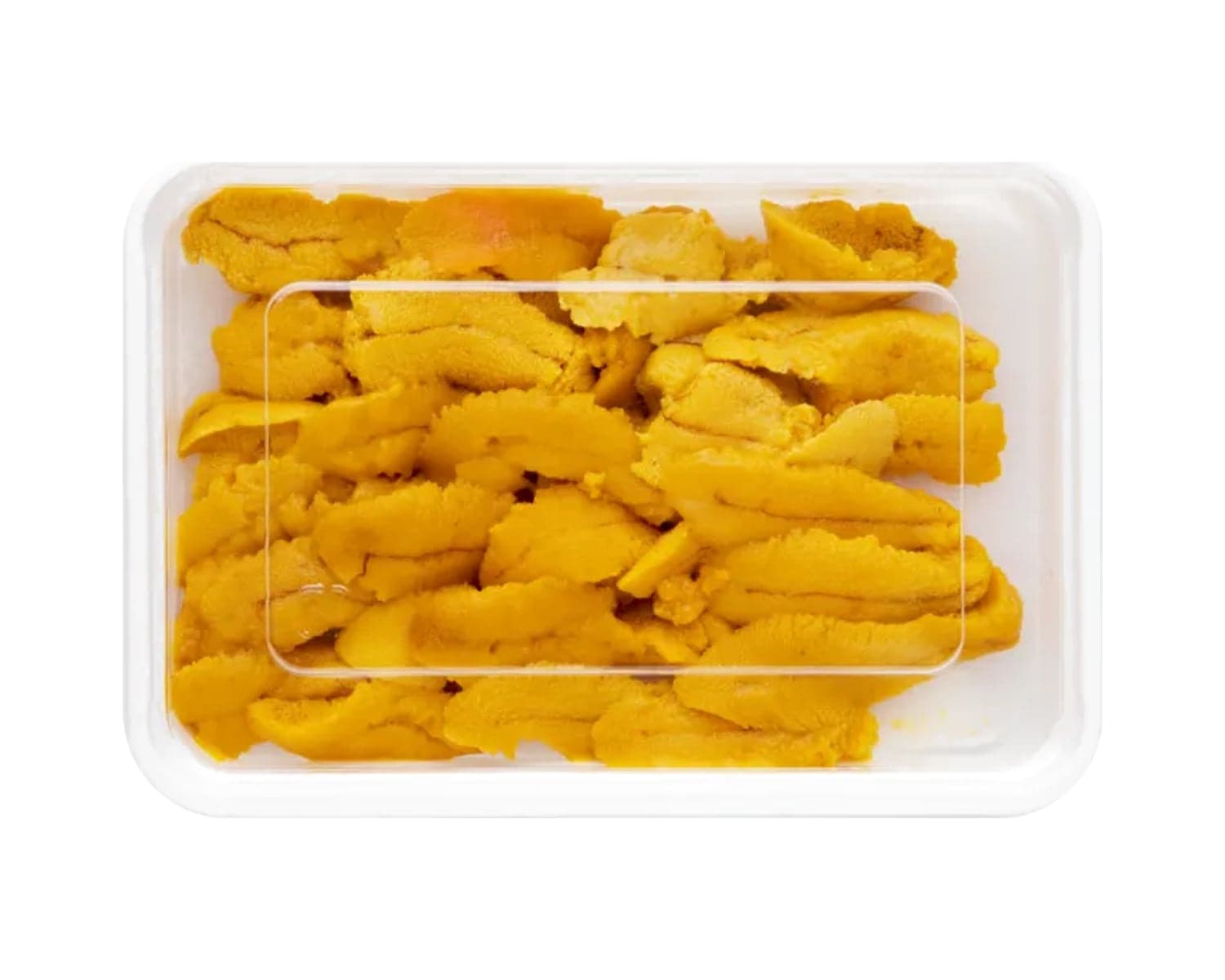
Sea Urchin Roe (Uni)
Chilled uni trays and frozen packs, graded by color and firmness
Chilled
Buyer guides
Species Profiles7 min read
Yellowfin Tuna (Thunnus albacares): Identification, Names and Kitchen Uses
The tuna most menus mean by ahi: how yellowfin is identified, why French offers call it albacore, where it is caught, how loins are judged, and how chefs serve it raw and cooked.
Read the guide
Buying Guide7 min read
Choosing Premium Seafood Ingredients for Restaurants and Retail
How chefs, foodservice buyers and brand owners match grade and format to the application, compare suppliers on cost per portion, and keep quality consistent across orders and channels.
Read the guide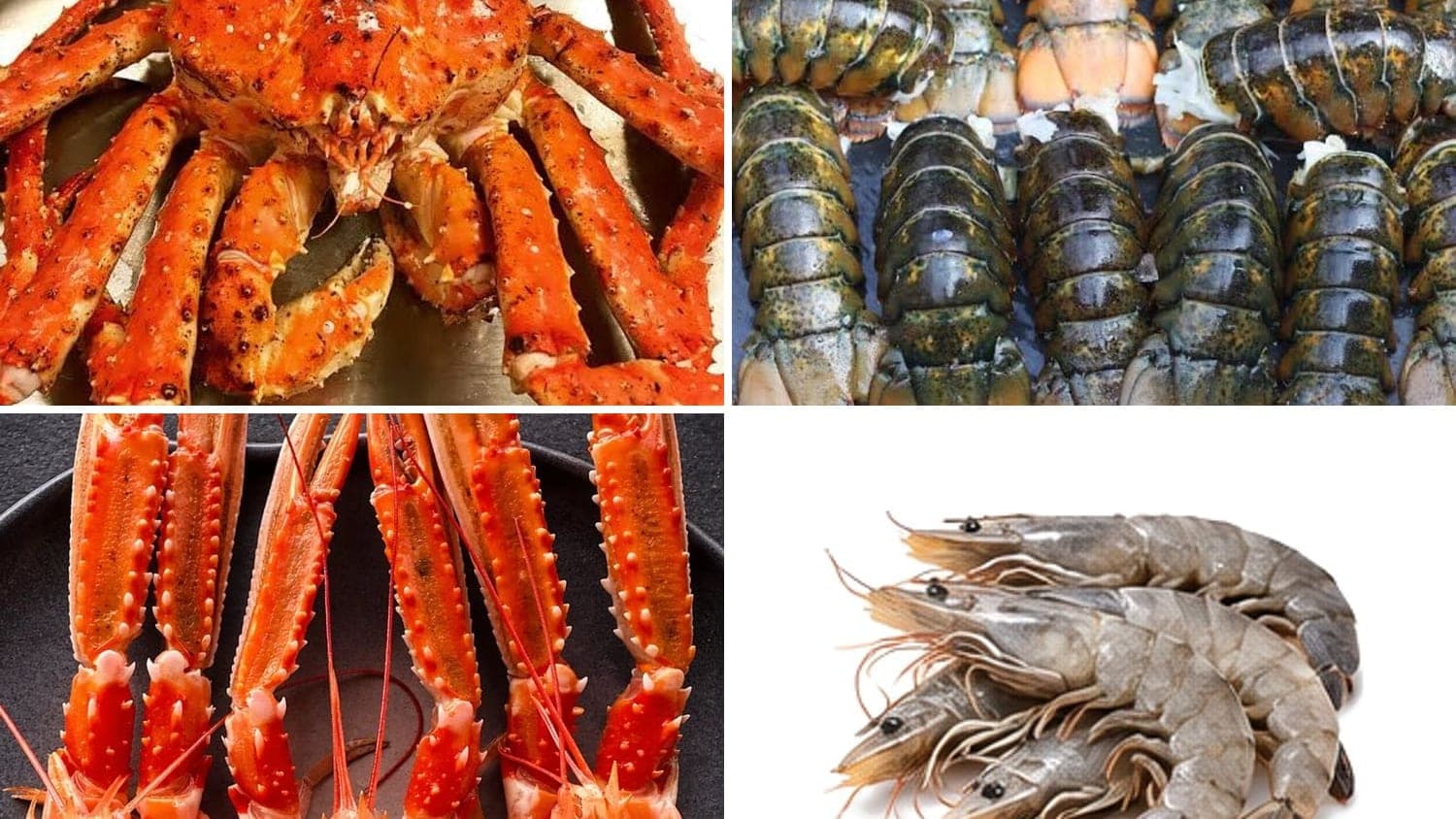
Import & Compliance8 min read
Shipping Seafood: Reefer Containers, Cold Chain and Incoterms
A logistics guide for seafood buyers: reefer and dry-container shipping, temperature records, air freight for chilled and live product, where Incoterms 2020 place cost and risk, and the evidence a claim needs.
Read the guide
Request a quote
Request a quote for frozen yellowfin tuna
Share your target grade, packing, volume and destination. We confirm availability, documentation for your market and a formal quotation, usually within one business day.
- Grade, size or count required
- Packing format and labeling language
- Estimated volume and order frequency
- Destination port or airport and Incoterm
- Reference: Frozen Yellowfin Tuna