Premium Marine Delicacies
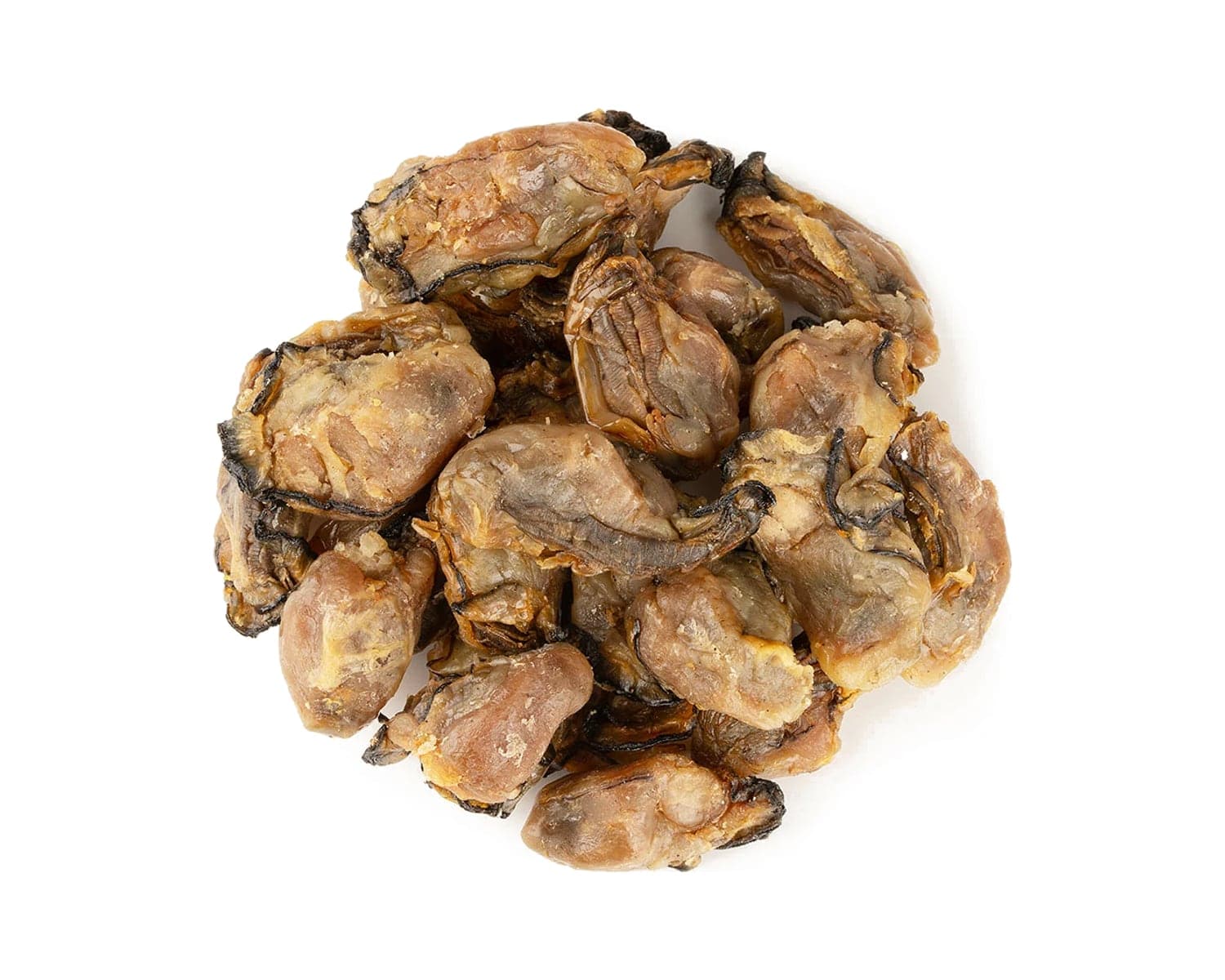
Dried Oysters
Fully dried and golden semi-dried oysters, sized by count
Dried
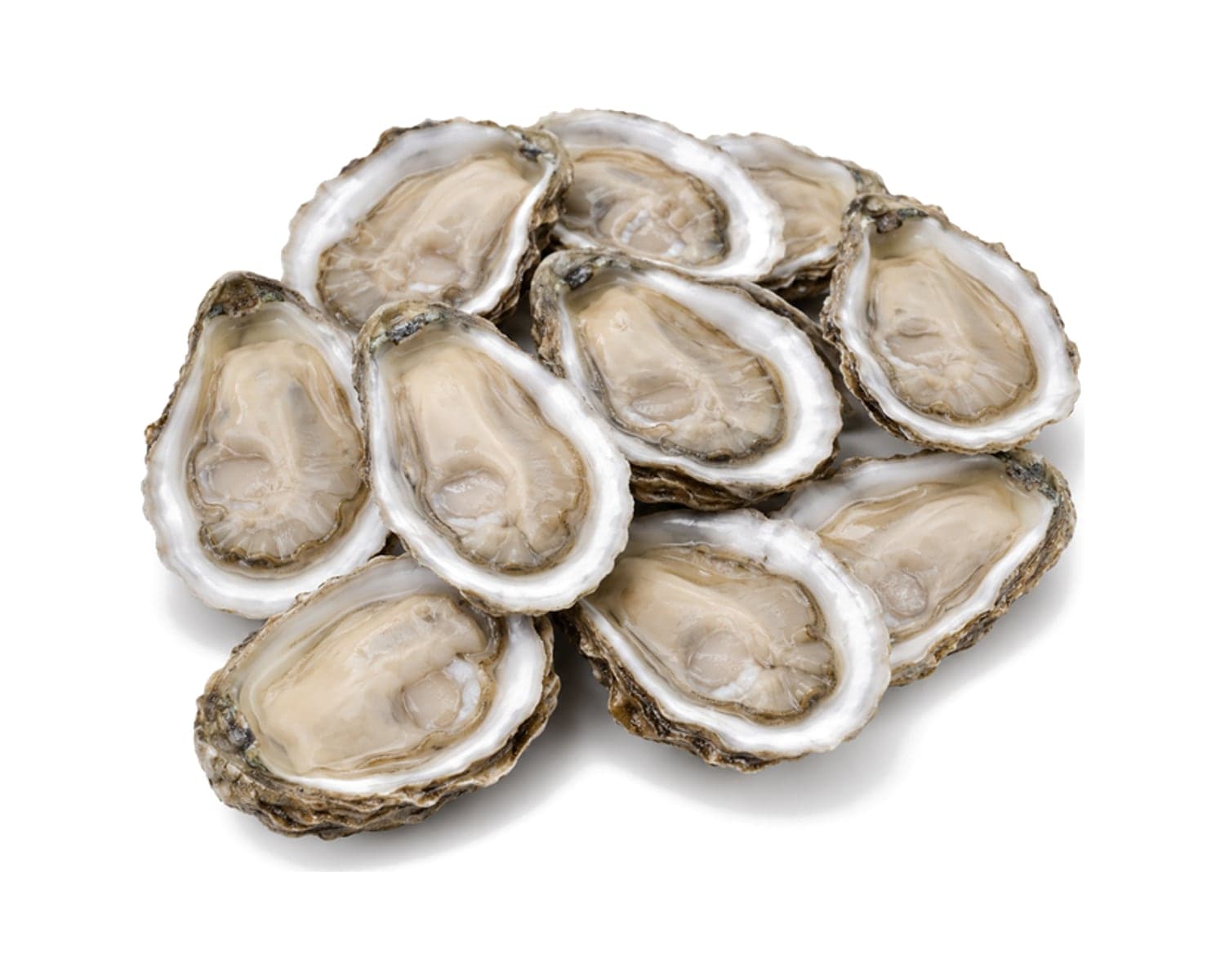
Pacific oysters frozen on the half-shell or shucked as IQF meat, with the growing area, its classification and the intended use, raw or cooked, stated on every offer, plus chilled supply on short air routes where feasible.
Indicative; confirmed per lot on each quotation.
Frozen oysters let a kitchen keep oysters on the menu every week without the logistics of live product: no wet storage, no daily losses and no shucking labor. The trade-off is texture, since freezing softens the meat slightly, so frozen oysters are at their best in grilled, baked and fried dishes, and go to raw service only where the lot is designated for it. We specify every offer by growing area, size, format and whether the packer has designated the lot for raw consumption or for cooking, because that one line decides how your customers can use it.
The species is the Pacific oyster (Magallana gigas, formerly Crassostrea gigas), the most widely farmed oyster in the world. It is grown in Japan, Korea and China, which supply much of the frozen oyster meat in international trade, and in New Zealand, Canada and Northern Europe, which offer half-shell product among other formats. Flavor shifts with water temperature, salinity and season, from briny and clean to sweet and creamy, and meat condition changes through the year as the oysters build up and then spawn. Origin is named on every offer and matched against your market’s eligible origins before we quote.
Half-shell oysters are shucked, left on the cupped shell and frozen, then packed in interleaved, vacuum-sealed trays and graded by pieces per kilogram or by size band. Oyster meat is frozen raw as IQF pieces or in blocks for frying, soups, omelettes and processing, and graded by count per kilogram. Checks cover size consistency, meat condition, shell fragments, grit, glaze and seal integrity on vacuum trays. Chilled oysters can be flown on short routes where the destination accepts them, planned around harvest openings and closures. Dried oyster for Cantonese cooking is listed separately under dried oysters.
Raw oysters are the shellfish item where food-safety controls matter most. Norovirus from sewage-affected waters survives freezing and is not reliably removed by depuration, so the classification and history of the growing area count for as much as end-product tests. We arrange testing for the PSP, ASP and DSP biotoxin groups and for microbiology such as E. coli to your destination’s limits and tie each report to a lot code, as set out on our export quality assurance page. The wider range of frozen bivalves sits on the frozen and chilled shellfish overview.
Specification sheet
Indicative values. Final specifications are confirmed per lot on the quotation and certificate of analysis.
| Species | Magallana gigas (Pacific oyster) |
|---|---|
| Origin | Japan, Korea, China, New Zealand, Canada, Northern Europe |
| Formats | Frozen half-shell; IQF or block meat; chilled by air |
| Intended use | Raw consumption or cooking only, stated per lot |
| Size | Half-shell pcs/kg or size band; meat count per kg |
| Glazing | Declared; net weight shown excluding glaze |
| Testing | PSP, ASP and DSP groups and E. coli to destination limits |
| Allergens | Molluscs |
| Temperature | Frozen -18 °C or colder; chilled 0–4 °C |
| Documents | Sanitary certificate, growing-area classification and oyster lot results |
| Minimum order | From 500 kg per item for frozen oysters, combinable with other frozen shellfish in a mixed reefer; chilled oysters by weekly carton allocation. |
| Lead time | Frozen oysters generally 3–5 weeks after the specification is agreed; chilled supply follows harvest openings, closures and flight space. |
FAQ
Only lots that the packer has designated for raw consumption should be served raw, and that designation depends on the classification of the growing area, the packer’s controls and the rules of your market. Freezing does not eliminate norovirus, so it is no substitute for clean growing water. Many frozen oysters are sold for cooking only, which suits grilled, baked, fried and soup dishes. The intended use appears on every offer and should be carried through to your own labeling and menu.
By size, expressed as pieces per kilogram or as small, medium and large bands that the packer defines, and by appearance: a well-filled meat covering most of the shell, a clean cup free of mud and loose shell chips, and an intact seal on the tray. We check a sample of trays from each lot against the agreed size and record fill, shell fragments and seal integrity, so that you know what a tray will look like before it reaches the plate.
IQF oyster meat is a working ingredient for kitchens that do not need the shell: breaded and fried oysters, oyster omelettes, congee, hot pot, chowder and stir-fries. Thaw it in the refrigerator, drain it and pat it dry before battering or searing, since surface water spoils a coating. Larger meats stay plumper after cooking, while smaller counts suit soups and fillings. Block-frozen meat is aimed at processors making soups, sauces or ready meals.
Oyster growing areas close when monitoring finds biotoxins above the permitted level or after a contamination event such as heavy rainfall runoff or a sewage overflow. Nothing can be harvested for export until the area reopens under the authority’s rules, so a confirmed order may slip at short notice. Frozen stock from earlier harvests can sometimes fill the gap, and where it is lawful for your market we propose an alternative origin with its own specification.
Related
Premium Marine Delicacies
Fully dried and golden semi-dried oysters, sized by count
Frozen & Live Seafood
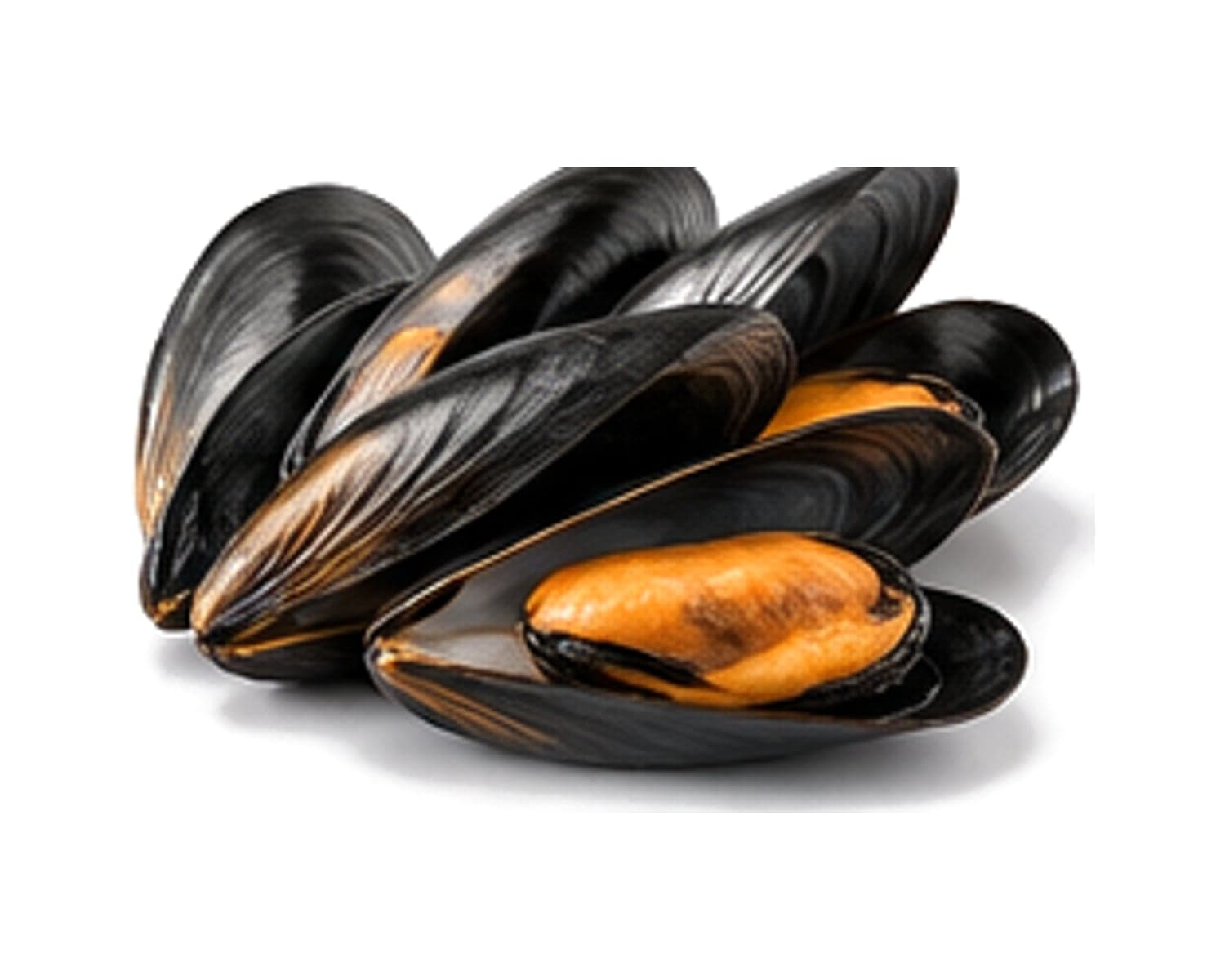
Blue, Chilean and green-lipped mussels, whole, half-shell or meat
Frozen & Live Seafood
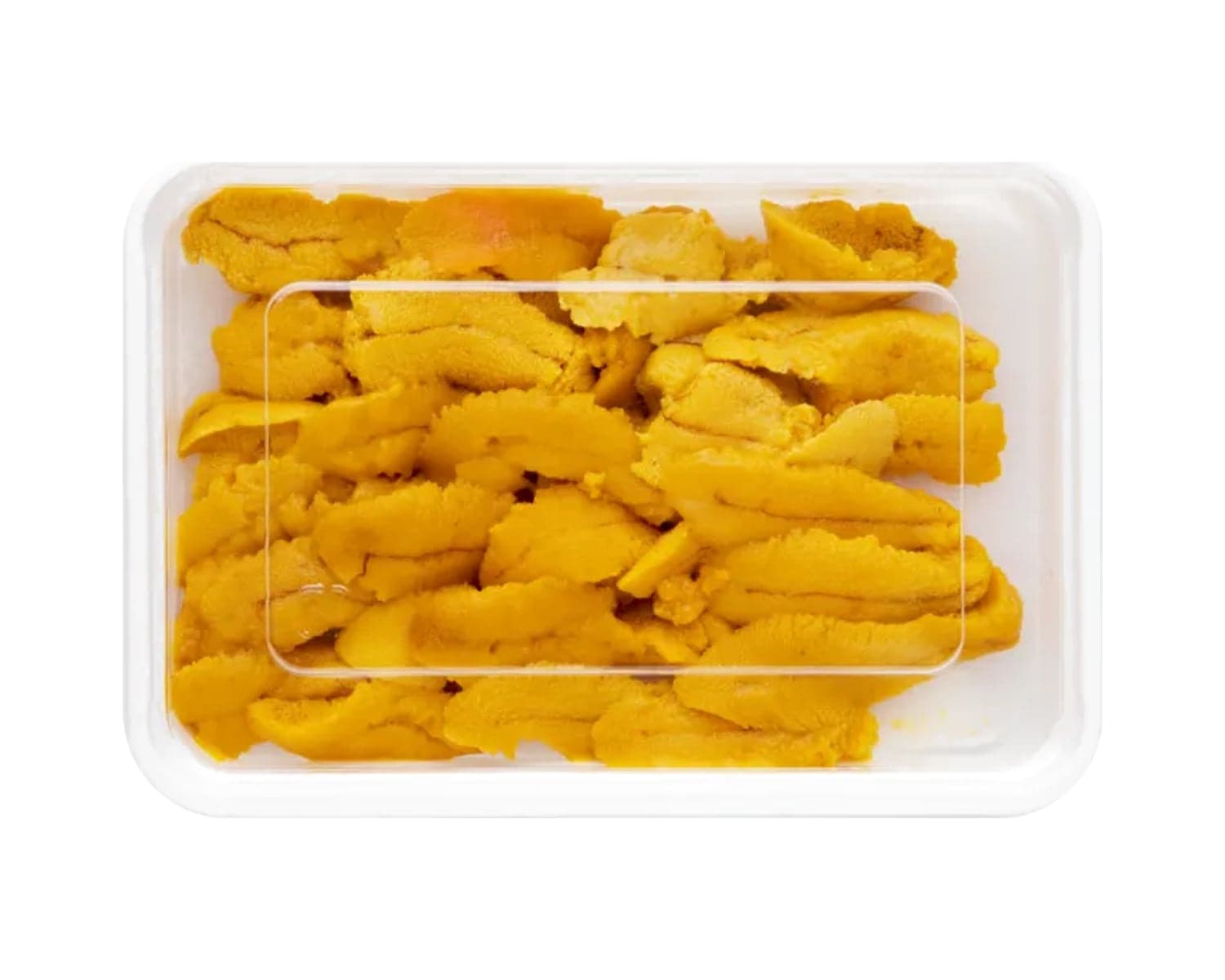
Chilled uni trays and frozen packs, graded by color and firmness
Species Profiles7 min read
How the world’s main edible oysters differ in shell, meat and origin, why one Asian species now dominates oyster farming, and what names such as rock, native and kaki actually mean.
Read the guide
Buying Guide7 min read
How chefs, foodservice buyers and brand owners match grade and format to the application, compare suppliers on cost per portion, and keep quality consistent across orders and channels.
Read the guide
Import & Compliance7 min read
The market-access, species, documentation, classification and commercial checks an importer should complete before placing a first order for dried seafood.
Read the guideRequest a quote
Share your target grade, packing, volume and destination. We confirm availability, documentation for your market and a formal quotation, usually within one business day.