- Private-label packing
- Export documentation
Frozen & Live Seafood
Frozen Whelk Supplier: Cooked Meat and Whole Whelk in the Shell
Common whelk and related sea snails cooked and frozen as shell-off meat or whole in the shell, graded by size, with operculum and shell fragments checked and species and catch area declared on every lot.
- Common whelk from the North Atlantic, species named per lot
- Cooked shell-off meat, whole cooked in shell, or raw meat
- Operculum removed and shell fragments checked
- Salivary gland removal confirmed where the species needs it
- Meat graded by pieces per kilogram into agreed bands
Product Specifications
Indicative; confirmed per lot on each quotation.
- Origin
- The British Isles, France and eastern Canada for common whelk; the North Pacific and North Atlantic for related whelks; Asian and Black Sea fisheries for rapa whelk. Catch area declared per lot.
- Grade / Size
- Meat by pieces per kilogram in size bands agreed per order; whole whelk by shell size or pieces per kilogram.
- Form & Processing
- Boiled, shelled, operculum removed and frozen as IQF or block meat; whole cooked whelk frozen in the shell; raw meat from selected packers.
- Storage
- Hold at -18 °C or colder; thaw in the refrigerator and use within a day or two. Thawed whelk meat should not be refrozen.
- MOQ
- From 500 kg per item, which can share a mixed reefer with other frozen shellfish lines.
- Lead Time
- Typically 3–5 weeks once the specification is agreed; catch volumes follow the fishing season and weather at each origin.
Product overview
Whelks are carnivorous sea snails caught in baited pots, and much of the North Atlantic catch is cooked, shelled and frozen for export to Asian markets. There the firm, chewy meat is sliced into dressed salads, braised, added to hot pot or served cold with a dipping sauce, while in Europe whole cooked whelks appear on seafood platters and seaside menus. Because the meat is dense, it freezes well and keeps its bite after thawing, which makes frozen product the normal form of trade rather than a compromise on quality.
Our main species is the common or waved whelk (Buccinum undatum), fished around the British Isles, off northern France and in eastern Canada. Related whelks of the genus Neptunea come from the North Pacific and North Atlantic, and veined rapa whelk (Rapana venosa) is traded from Asian and Black Sea fisheries. Some Neptunea species carry a natural toxin, tetramine, in their salivary glands, so gland removal is a standard processing step for those species, and we check that it has been done before a lot is accepted.
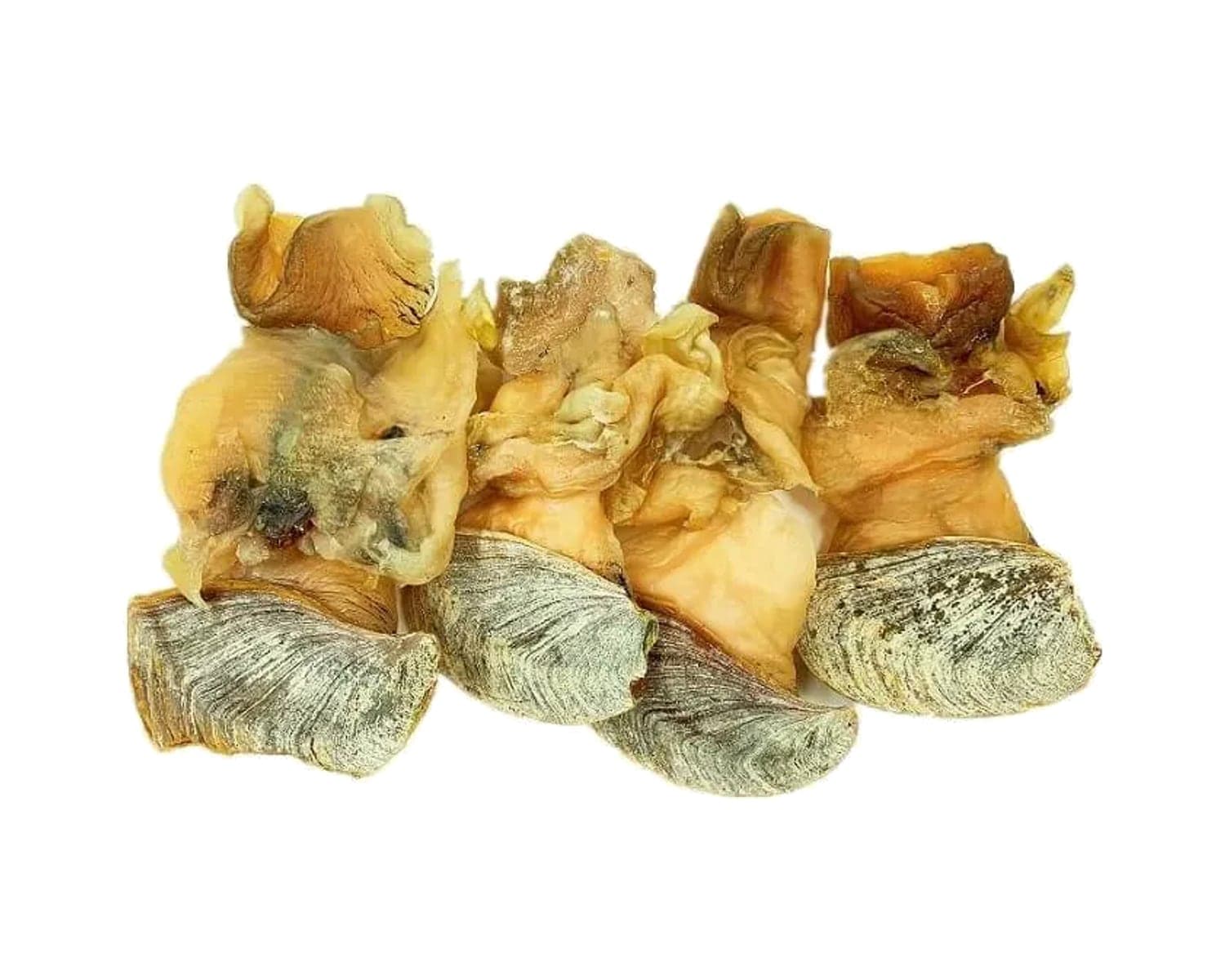
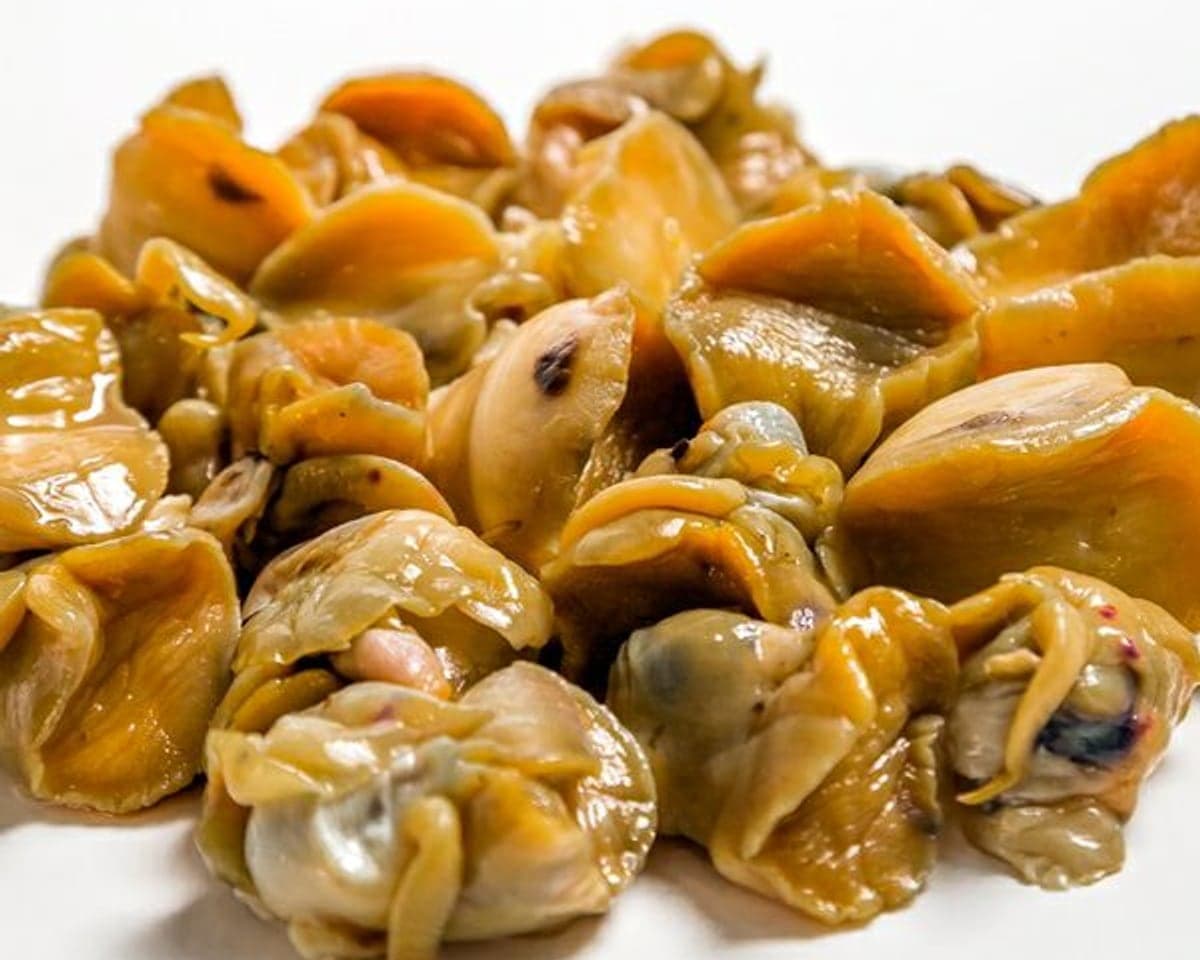
Cooked whelk meat is shelled after boiling, the hard operculum is removed, and the meat is frozen IQF or in blocks; whole whelks are cooked in the shell and frozen for platter and retail use, and raw frozen meat is available from some packers. Meat is graded by pieces per kilogram into size bands agreed with the buyer, and whole whelks by shell size or pieces per kilogram. Each lot is checked for operculum and shell fragments, grit, color, glaze and count. The sliced and dried form used in Cantonese soups is covered under dried whelk and conch.
Whelks are predators and scavengers rather than filter feeders, so their risk profile differs from that of clams or oysters, yet they can still accumulate paralytic shellfish toxins from the bivalves they eat, and some destinations ask for biotoxin results on gastropods. We arrange testing for the relevant toxin groups and microbiology against your market’s limits, with reports matched to lot codes. Whelk often shares a reefer with other frozen shellfish; the frozen and chilled shellfish range and our frozen surf clam are lines that combine well in one container.
Specification sheet
Frozen Whelk: full specification
Indicative values. Final specifications are confirmed per lot on the quotation and certificate of analysis.
| Species | Buccinum undatum; Neptunea spp. and Rapana venosa by offer |
|---|---|
| Origin | North Atlantic, North Pacific, Black Sea; catch area per lot |
| Formats | Cooked meat IQF or block; whole cooked in shell; raw meat |
| Size | Meat pcs/kg in agreed bands; whole by shell size |
| Quality checks | Operculum, shell fragments, grit and color per lot |
| Salivary glands | Removed where the species requires it |
| Glazing | Stated per lot; net weight excludes the glaze layer |
| Testing | Paralytic toxins and microbiology to destination limits |
| Allergens | Molluscs (gastropod) |
| Documents | Sanitary certificate, catch-area details and whelk lot test reports |
| Minimum order | From 500 kg per item, which can share a mixed reefer with other frozen shellfish lines. |
| Lead time | Typically 3–5 weeks once the specification is agreed; catch volumes follow the fishing season and weather at each origin. |
FAQ
Frozen Whelk: questions from buyers
Is frozen whelk meat cooked or raw?
Most frozen whelk meat in the trade is cooked: the whelks are boiled in the shell, which loosens the meat and sets its texture, and are then shelled and frozen. Cooked meat can be thawed and eaten cold, sliced into salads, or reheated briefly in a braise or hot pot. Raw frozen meat is available from some packers for kitchens that prefer to control the cooking themselves. Every offer states which of the two it is, since thawing, handling and labeling differ.
What is the salivary gland issue with whelks?
Some whelks, notably species of Neptunea, store a toxin called tetramine in their salivary glands, and eating meat with the glands left in can cause symptoms such as headache, dizziness and nausea. Removing the glands is a routine step when those species are processed. We name the species on every lot so that the question is never hidden behind a market name, and for Neptunea and similar species we confirm gland removal with the packer before shipment.
How should frozen whelk meat be prepared?
Thaw it overnight in the refrigerator and rinse it briefly. For Korean-style dressed whelk or cold platters, slice the cooked meat thinly across the grain and dress it just before serving. For braises and hot pot, add it towards the end of cooking, since long simmering turns whelk tough and rubbery. Thick pieces can be scored lightly to help sauces cling. Larger meats give more attractive slices, while small counts suit chopping into fillings and fried rice.
Why does whelk availability vary through the year?
Whelks are caught in baited pots, and catches depend on water temperature, weather and the fishery rules at each origin, which can include closed seasons, minimum landing sizes and limits on the number of pots. Frozen stock evens this out to a degree, but large or regular orders are best planned a season ahead so that a packer can allocate production. We confirm current availability, species and catch area each time we quote, rather than relying on last season’s offer.
Related
Related products
Frozen & Live Seafood
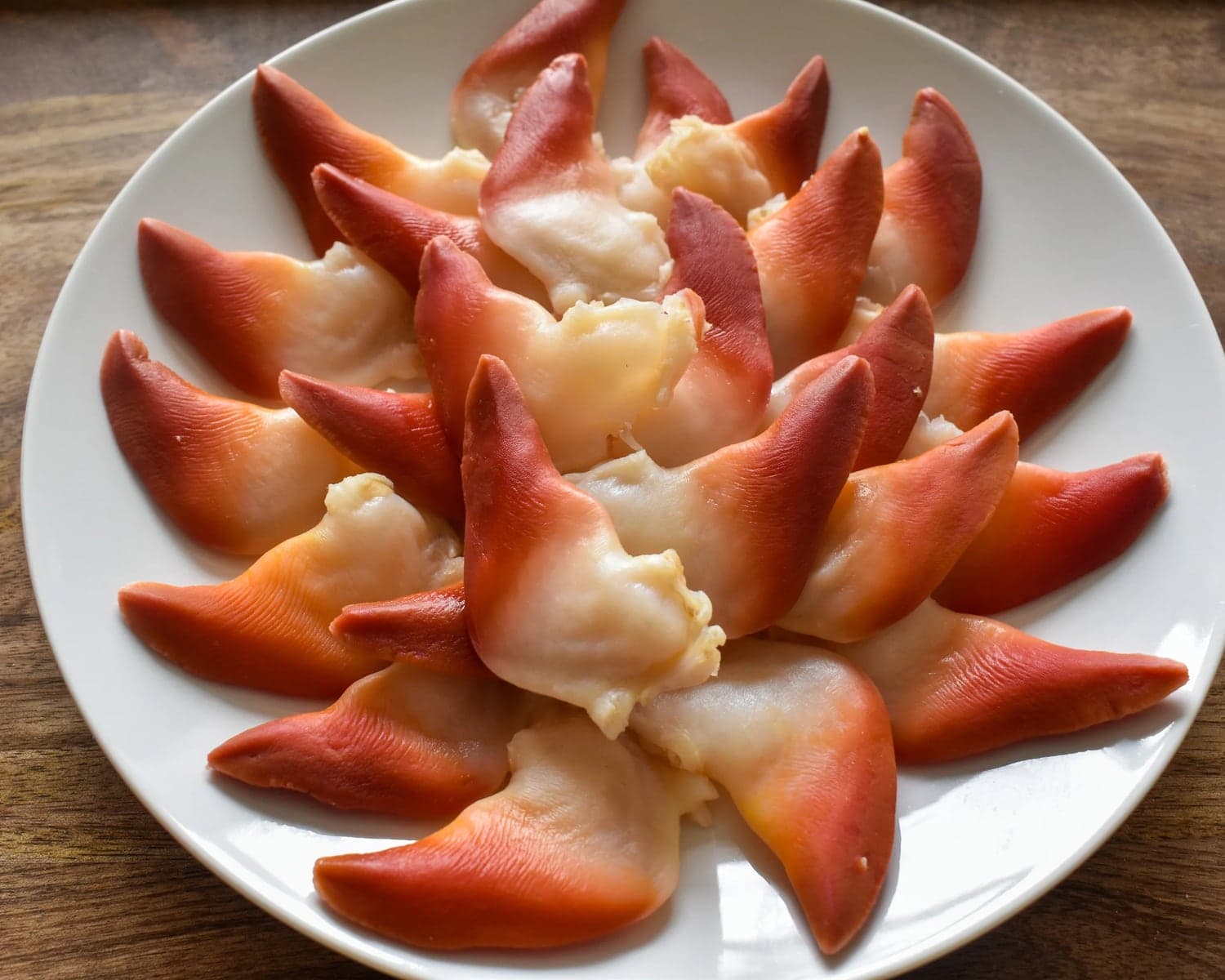
Frozen Surf Clam
Arctic surf clam for sushi and Atlantic surf clam for chowder
Frozen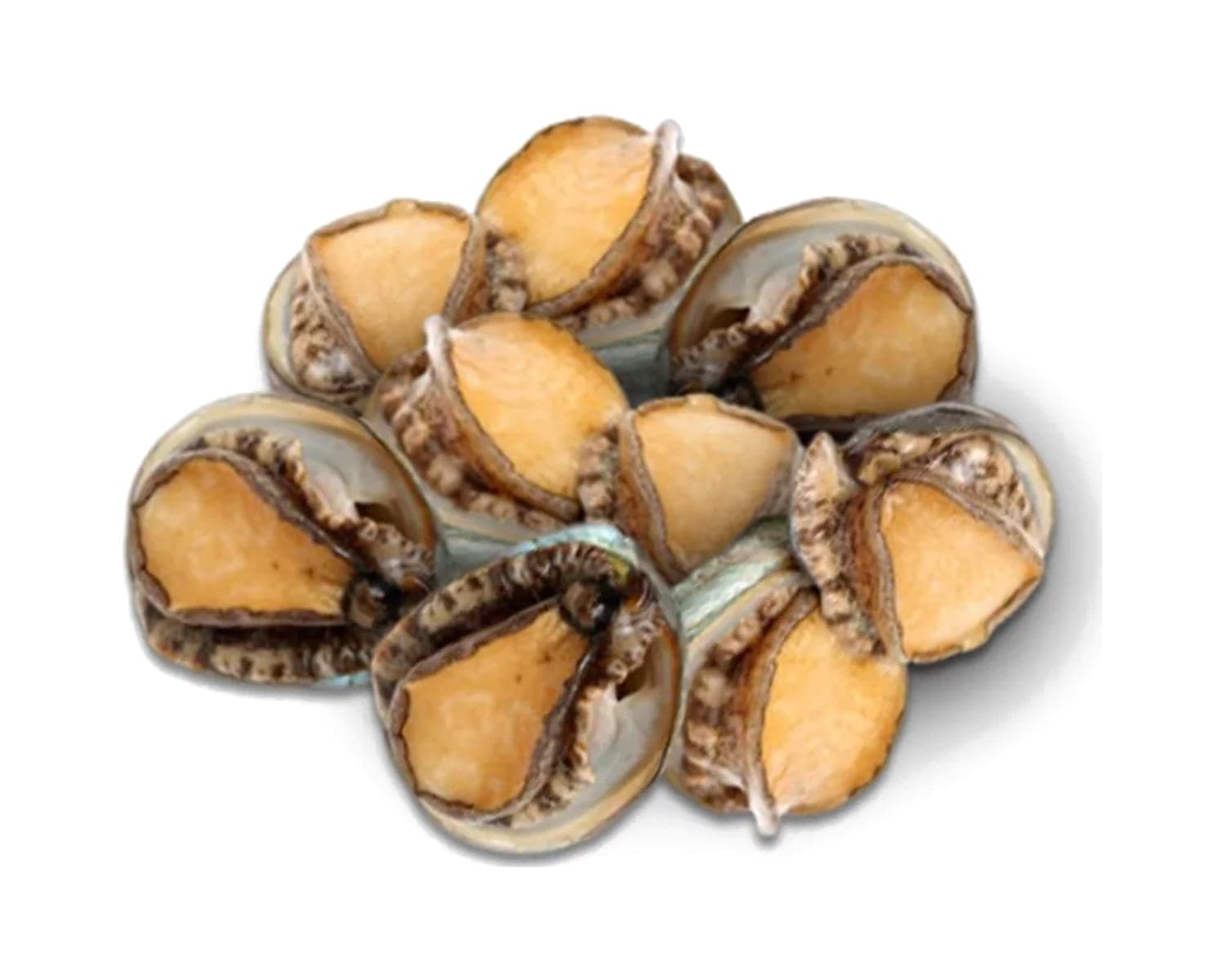
Frozen & Live Seafood
Frozen Abalone
Farmed abalone in-shell, shucked or braised, sized per kilogram
Frozen
Buyer guides
Species Profiles7 min read
Whelks and Conchs: The Sea Snails Behind Whelk Meat and Conch Slices
The sea snails sold as whelk and conch come from several unrelated families. This profile sorts out the species, the names used in different markets and the one conch that sits under CITES controls.
Read the guide
Buying Guide7 min read
Choosing Premium Seafood Ingredients for Restaurants and Retail
How chefs, foodservice buyers and brand owners match grade and format to the application, compare suppliers on cost per portion, and keep quality consistent across orders and channels.
Read the guide
Import & Compliance7 min read
What Importers Need to Know Before Ordering Dried Seafood
The market-access, species, documentation, classification and commercial checks an importer should complete before placing a first order for dried seafood.
Read the guide
Request a quote
Request a quote for frozen whelk
Share your target grade, packing, volume and destination. We confirm availability, documentation for your market and a formal quotation, usually within one business day.
- Grade, size or count required
- Packing format and labeling language
- Estimated volume and order frequency
- Destination port or airport and Incoterm
- Reference: Frozen Whelk