- Private-label packing
- Export documentation
Frozen & Live Seafood
Langoustine (Norway Lobster), Whole and Tails, Sourced on Request
BSA Food Products sources langoustine against a written brief as whole frozen, cooked, tail and meat formats, or live where a route allows, graded by count per kilogram with any anti-blackening treatment declared.
- Nephrops norvegicus from named North-East Atlantic fishing areas
- Whole raw or cooked, shell-on tails and peeled tail meat
- Graded by count per kilogram, with broken animals stated
- Trawl or creel catch method declared on each offer
- Sulfite or 4-hexylresorcinol treatment declared
- Live creel-caught langoustine by air where feasible
Product Specifications
Indicative; confirmed per lot on each quotation.
- Origin
- Scotland, Ireland and Northern Ireland, with Scandinavian, Faroese and other North-East Atlantic or Mediterranean fisheries by request; fishing area and catch method confirmed per offer.
- Grade / Size
- Whole by count per kilogram (e.g. 10–15, 16–20, 21–30, 31–40 pcs/kg); tails by count per kg or lb; meat by piece size; allowances for broken and soft animals stated.
- Form & Processing
- Whole raw frozen at sea or ashore, whole cooked and frozen, raw shell-on tails (IQF) and peeled tail meat; live creel-caught by arrangement. Any anti-blackening treatment is declared.
- Storage
- Frozen langoustine at -18 °C or colder, thawed slowly in the refrigerator and cooked the same day; live animals kept cold and moist and used as soon as possible after delivery.
- MOQ
- Generally from one pallet per format and grade for frozen product; live langoustine by full air shipment on a confirmed route.
- Lead Time
- Typically 2–6 weeks for frozen product, subject to landings and weather; live consignments are scheduled around fishing days and flight availability.
Product overview
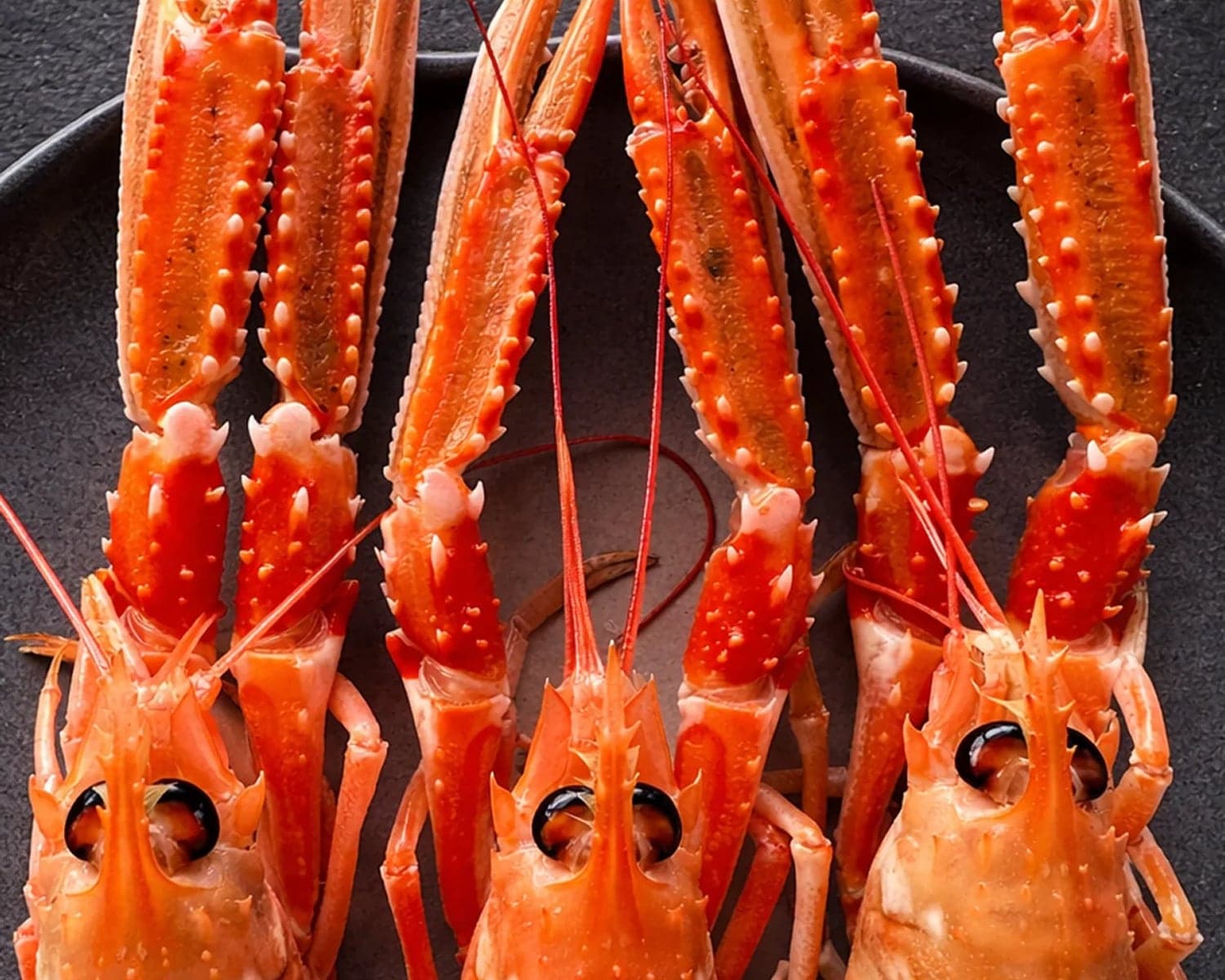
Langoustine, also sold as Norway lobster, Dublin Bay prawn or scampi, is a slender, pale orange crustacean with long, narrow claws and a tail of sweet, delicate meat. Chefs serve it whole from the grill or on seafood platters, split on the plancha, or as tails in pasta, risotto and breaded scampi. It is a seasonal, quota-managed catch, so we source each order against a brief rather than holding stock, following the approach set out on our page for premium items sourced to brief.
All commercial langoustine belongs to one species, Nephrops norvegicus, which lives in burrows in muddy seabed across the North-East Atlantic and the Mediterranean. Scotland is the largest source, with Ireland, Northern Ireland, Scandinavia and the Faroe Islands among the others. Catch method affects quality. Trawled langoustine is landed in volume and is usually frozen whole at sea, cooked or tailed. Creel-caught animals, taken in baited pots, come up with less damage and supply the live trade and the best whole grades. Each offer states the fishing area and catch method, since both shape appearance, size mix and value.
Langoustine deteriorates faster than most crustaceans. Within a short time of capture, enzyme activity darkens the head and shell joints and softens the tail meat unless the animal is frozen, cooked or tailed promptly. To slow this black spot, many producers dip whole langoustine in a sulfite solution or treat it with 4-hexylresorcinol, and the treatment must be declared. Whole product is graded by count per kilogram, for example 10–15, 16–20 or 21–30 pieces, and tails by count per kilogram or pound. Each lot also states glaze, raw or cooked status, and the share of broken or soft animals the packer allows.
Live langoustine is the most delicate format we can arrange. Creel-caught animals are packed in individual compartments, kept cold and moist, flown on the shortest routing available and best used soon after delivery. As with our live abalone shipments, we agree a mortality allowance before dispatch and plan around total door-to-door time rather than flight time alone. Buyers who want a larger, meatier crustacean for the same menu can compare clawed and spiny lobster, while large prawns cover tail dishes where volume matters more than provenance.
Specification sheet
Langoustine: full specification
Indicative values. Final specifications are confirmed per lot on the quotation and certificate of analysis.
| Species | Nephrops norvegicus (Norway lobster, Dublin Bay prawn, scampi) |
|---|---|
| Fishing area | FAO area and sub-area named on each offer, with trawl or creel stated |
| Formats | Whole raw, whole cooked, shell-on tails, peeled tail meat, live |
| Whole grade | Count per kg, for example 10–15, 16–20 or 21–30 pieces |
| Tail grade | Count per kg or per lb, according to the market |
| Additives | Sulfites or 4-hexylresorcinol used against black spot are declared with their level |
| Glaze | Declared on label and invoice; net weight excludes the ice layer |
| Temperature | Frozen at -18 °C or below; live product cold and damp in transit |
| Documents | Catch certificate where required, export health certificate, origin certificate, additive statement |
| Minimum order | Generally from one pallet per format and grade for frozen product; live langoustine by full air shipment on a confirmed route. |
| Lead time | Typically 2–6 weeks for frozen product, subject to landings and weather; live consignments are scheduled around fishing days and flight availability. |
FAQ
Langoustine: questions from buyers
Is langoustine the same as scampi or Dublin Bay prawn?
Yes, these are trade and menu names for the same animal, Nephrops norvegicus. Langoustine is the usual name for whole animals in European and international trade, Dublin Bay prawn is a traditional Irish and British name, and in the UK scampi often refers to breaded tail meat. Some markets use scampi loosely for other species, so we put the scientific name on every offer to avoid confusion on labels and invoices.
Why is sulfite used on langoustine, and must it be declared?
Whole langoustine develops black spot, a cosmetic darkening of the head and shell joints, soon after capture. Producers often dip it in a sulfite solution or treat it with 4-hexylresorcinol to keep the shell bright. Many markets require sulfites to be declared above a low threshold because some consumers are sensitive to them, and the approval status of 4-hexylresorcinol should be checked against your own additive rules. We state the treatment and level on the offer, and untreated lots can be requested where a packer produces them.
What is the difference between trawled and creel-caught langoustine?
Trawled langoustine is caught in nets towed over the seabed, landed in larger volumes and generally frozen, cooked or tailed soon after capture. It suits tails, meat and value whole grades. Creel-caught langoustine is taken in baited pots, comes up with fewer damaged claws and less stress, and is the source for the live trade and the top whole grades used for grilling and platters. Creel supply is smaller and more dependent on weather, so it needs firmer advance planning.
How should frozen whole langoustine be thawed and cooked?
Thaw it overnight in the refrigerator on a tray so that the meltwater drains away, and cook it within the day. Raw whole langoustine needs only a few minutes in boiling salted water, on a hot grill or under the salamander, and overcooking quickly turns the tail meat soft and mealy. Cooked frozen product needs only thawing and, if wanted, gentle warming. Avoid refreezing, as the delicate tail flesh loses its texture once thawed.
Related
Related products
Frozen & Live Seafood
Large Shrimp and Prawns
Argentine red, black tiger and vannamei, by count per kg or lb
Frozen
Frozen & Live Seafood
King Crab
Red, golden and blue king crab, cooked frozen or live by request
Frozen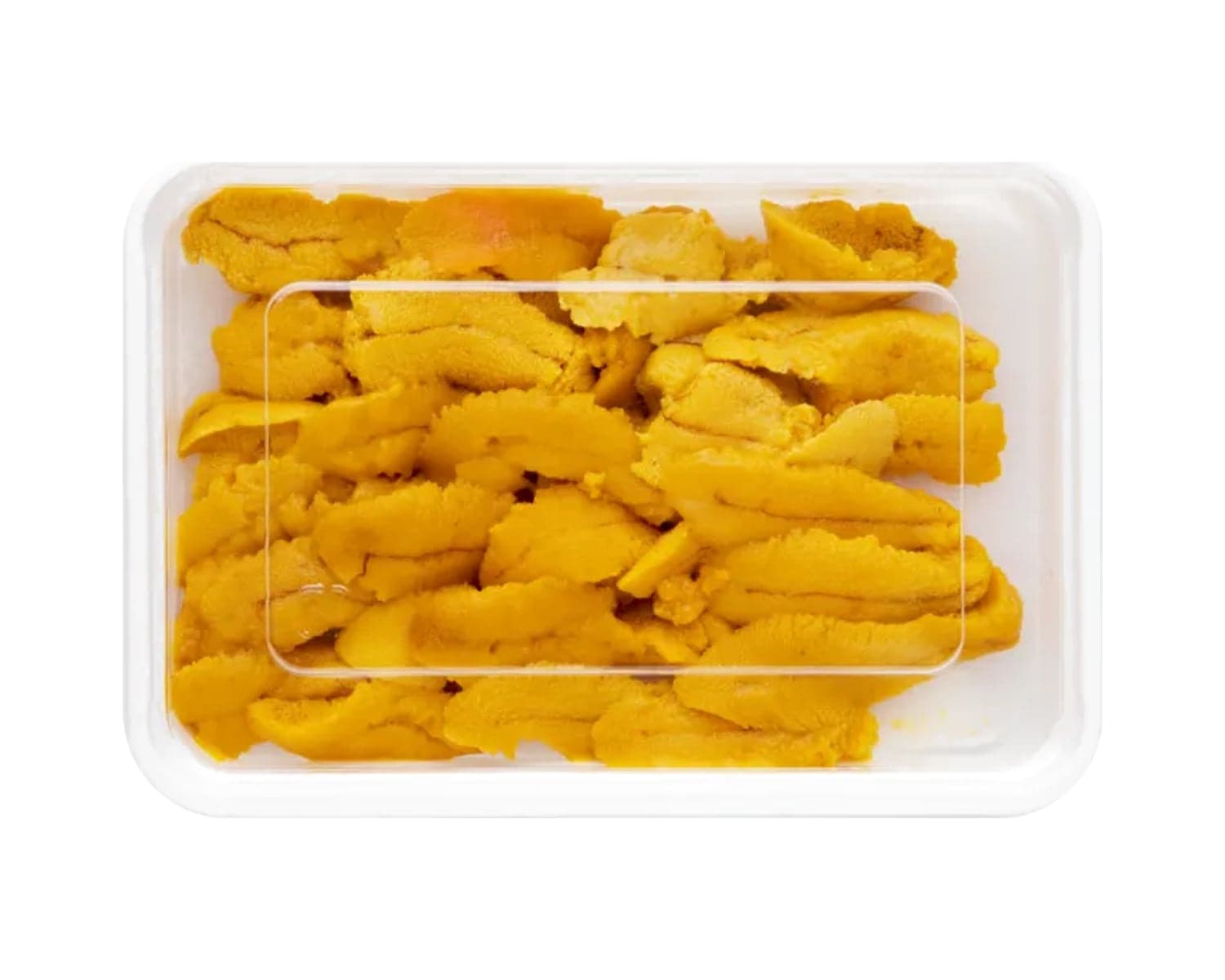
Frozen & Live Seafood
Sea Urchin Roe (Uni)
Chilled uni trays and frozen packs, graded by color and firmness
Chilled
Buyer guides
Species Profiles7 min read
Langoustine: A Species Profile of the Norway Lobster
One burrowing lobster, sold under half a dozen names. How to recognize Nephrops norvegicus, where it is caught, why supply shifts through the year and how cooks use each form.
Read the guide
Buying Guide7 min read
Choosing Premium Seafood Ingredients for Restaurants and Retail
How chefs, foodservice buyers and brand owners match grade and format to the application, compare suppliers on cost per portion, and keep quality consistent across orders and channels.
Read the guide
Import & Compliance7 min read
What Importers Need to Know Before Ordering Dried Seafood
The market-access, species, documentation, classification and commercial checks an importer should complete before placing a first order for dried seafood.
Read the guide
Request a quote
Request a quote for langoustine
Share your target grade, packing, volume and destination. We confirm availability, documentation for your market and a formal quotation, usually within one business day.
- Grade, size or count required
- Packing format and labeling language
- Estimated volume and order frequency
- Destination port or airport and Incoterm
- Reference: Langoustine