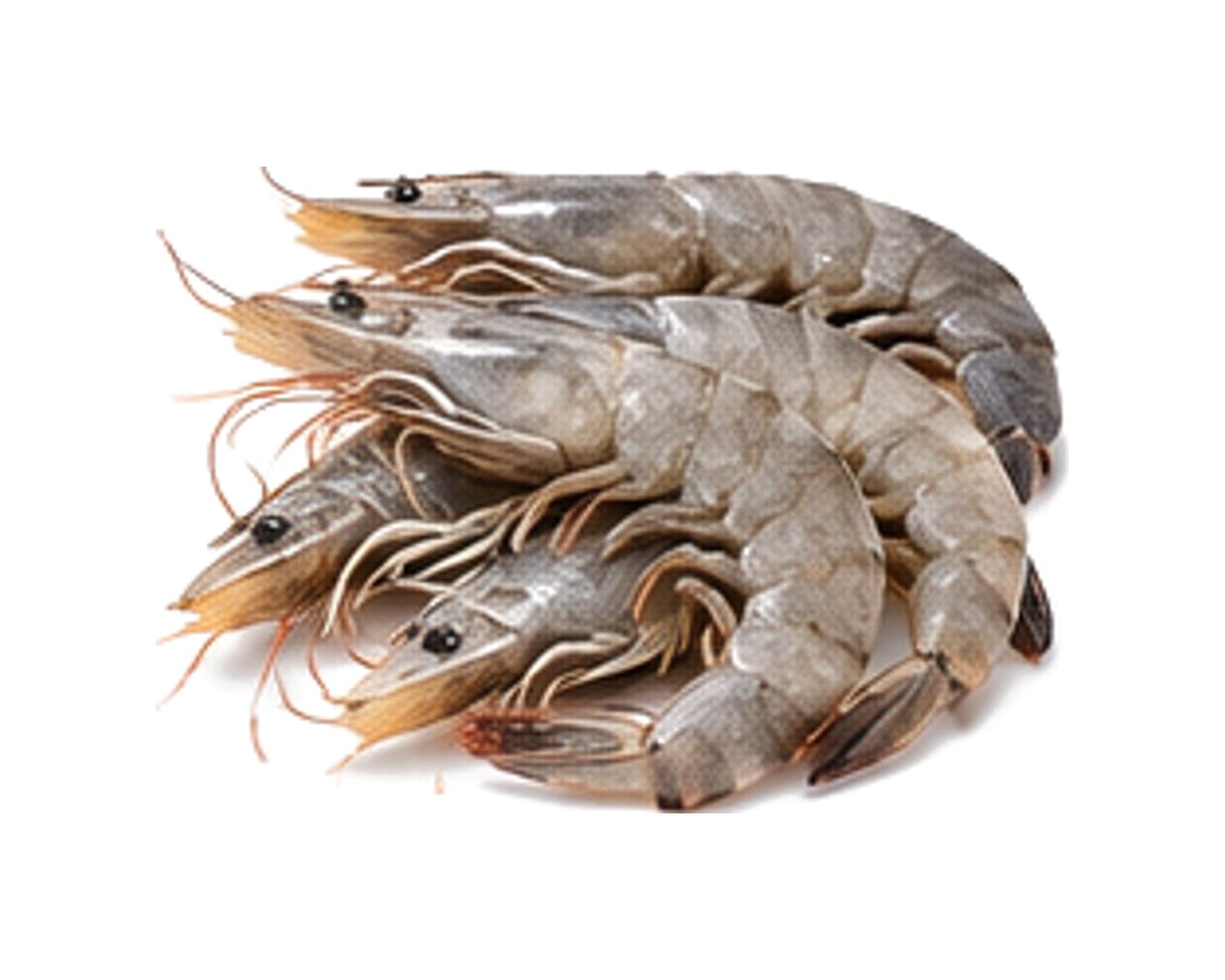
Frozen & Live Seafood
Large Shrimp and Prawns
Argentine red, black tiger and vannamei, by count per kg or lb
Frozen
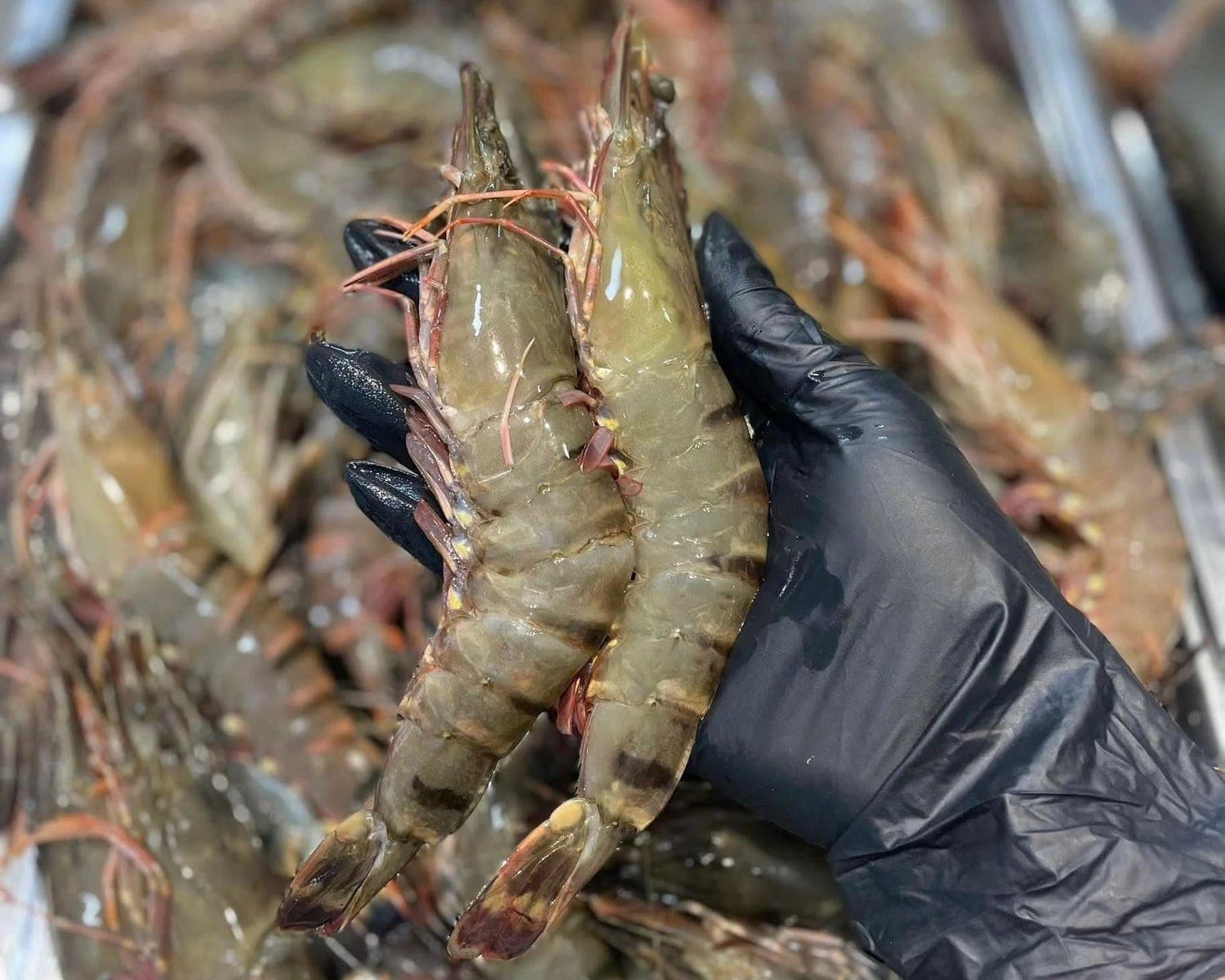
BSA Food Products supplies black tiger shrimp (Penaeus monodon) farmed in South and Southeast Asia, from head-on grades for whole presentation to peeled and cooked lines, with origin, farming system, count and glaze stated on each offer.
Indicative; confirmed per lot on each quotation.
Black tiger shrimp is chosen when the shrimp itself is the centerpiece. Its dark, banded shell turns a vivid red and cream when cooked, the meat has a firmer bite and fuller flavor than whiteleg shrimp, and it grows large enough for head-on presentation on grills, platters and banquet tables. It usually costs more than vannamei shrimp at the same count, so buyers tend to use tiger where appearance and texture justify the difference and keep vannamei for volume dishes.
Penaeus monodon is native to the Indo-West Pacific and is the largest of the commonly farmed penaeid shrimps. Most supply now comes from ponds in Vietnam, Bangladesh, Indonesia, India, Myanmar and Sri Lanka, much of it raised in extensive or improved-extensive systems at low stocking densities, including the mangrove-shrimp and rice-shrimp rotations of the Mekong Delta. Thailand moved most of its farms over to vannamei in the early 2000s, so Thai-farmed tiger appears only in smaller volumes. Wild-caught black tiger from Indo-Pacific coastal fisheries is offered separately and labeled as wild. Harvests in tidal pond systems follow the seasons and the tides, so volume and size mix shift through the year, and each offer confirms the origin, farming system and harvest window.
Head-on grades are counted in pieces per kilogram, commonly 4/6, 6/8, 8/12, 13/15, 16/20, 21/25 and 26/30, and the biggest of these overlap with the extra-large sizes covered on our large shrimp and prawns page. Headless shell-on tiger is usually graded per pound, from about U/10 down to 41/50, and the same pound counts carry over to EZ-peel, PD and PDTO cuts and to butterfly and nobashi shrimp. Head-on and headless tiger is often block-frozen in 1.8 kg (4 lb) or 2 kg blocks, with the shrimp laid in neat rows so that heads stay attached and shells stay unmarked, while peeled and cooked lines are IQF-frozen and glazed. Cooked tiger needs tight control of cooking time, because the large pieces are easy to overcook and toughen.
Inspection focuses on what the premium pays for: even shell color and banding across the carton, heads firmly attached in HOSO packs, no black spot at the shell joints or blackened gills, few soft or recently molted shells, and meat that stays firm and sweet after cooking. Shrimp from extensive ponds can vary more in size than intensively farmed vannamei, so a uniformity requirement in the specification earns its place here. Japan, the EU, the Middle East and East Asian restaurant buyers are long-standing outlets, and our frozen shrimp specifications guide describes the deglazing and counting routine that should accompany every arrival.
Specification sheet
Indicative values. Final specifications are confirmed per lot on the quotation and certificate of analysis.
| Species | Penaeus monodon (black tiger, giant tiger prawn) |
|---|---|
| Production | Farmed (extensive, improved-extensive or intensive) or wild-caught, stated per lot |
| Origin | Vietnam, Bangladesh, Indonesia, India, Myanmar, Sri Lanka, Thailand; region declared |
| Cuts | HOSO, HLSO, EZ-peel, PD, PDTO, butterfly, nobashi; raw or cooked |
| Count | HOSO in pcs/kg (4/6 to 26/30); HLSO and peeled per lb (about U/10 to 41/50) |
| Freezing | Block-frozen 1.8 kg or 2 kg, or IQF with glaze |
| Additives | Sulfite, phosphate or other treatment declared lot by lot, including nil |
| Glaze | Percentage with its basis; price and invoice on net weight |
| Residues | Farmed lots tested for veterinary drug residues against the importing market’s limits |
| Documents | Health certificate, certificate of origin, lab reports and a catch certificate for wild lots where required, all confirmed per order and destination |
| Minimum order | Typically from one pallet per grade for a trial order, with full 20 ft reefer containers for regular programs; head-on and peeled grades can share one load. |
| Lead time | Usually 3–6 weeks from confirmed specification, depending on the harvest window in the chosen origin; book festive-season programs early. |
FAQ
Black tiger grows larger, has a firmer, meatier bite and a striking banded shell that turns red and cream when cooked, so it suits head-on presentation, grilling and premium platters. Vannamei is milder, more uniform and more widely available, and it usually costs less at the same count. Many distributors stock both: tiger for dishes where the shrimp is seen whole, and vannamei for volume lines where it is cut, mixed or sauced.
Much black tiger is raised in extensive or improved-extensive ponds at low densities, often relying partly on natural feed, and is frequently harvested in stages rather than in a single drain-down. Shrimp from the same pond can therefore differ more in size than intensively farmed vannamei. A uniformity requirement, such as a maximum ratio between the heaviest and lightest pieces in a sample, protects buyers who need even portions.
On request. Wild Penaeus monodon is caught in coastal fisheries across the Indo-Pacific and can reach very large sizes; it is sold separately from farmed product, with the fishing area stated. Wild lots are more likely to be treated with sulfite at landing, and for EU destinations they need a catch certificate, so allow extra time for documentation. Supply is irregular, which makes wild tiger better suited to seasonal features than to standing programs.
Yes, as cooked head-on, cooked HLSO and cooked PDTO, steamed or boiled, then chilled, frozen and glazed. Cooked tiger keeps the banded red color that makes it popular for buffets and cocktail service, but large pieces overcook easily, so we agree the cooking specification and check texture on a sample before a program starts. As a ready-to-eat product it carries tighter microbiological criteria than raw shrimp, which the specification should spell out.
Related
Frozen & Live Seafood
Argentine red, black tiger and vannamei, by count per kg or lb
Species Profiles6 min read
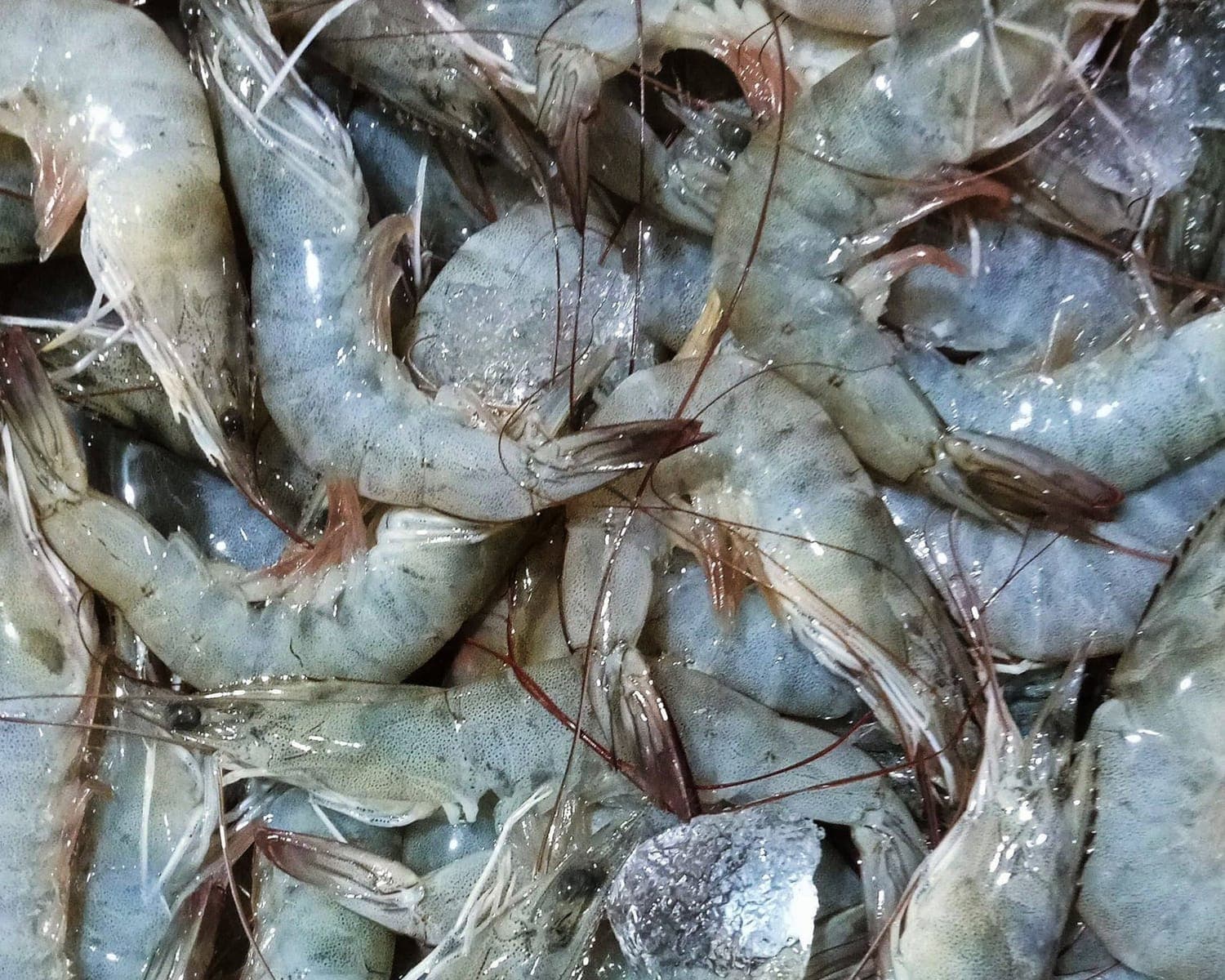
The big banded shrimp of South and Southeast Asian ponds. How to identify Penaeus monodon, how its farming grew and shifted, which other tiger prawns get mixed up with it and how kitchens show it off.
Read the guide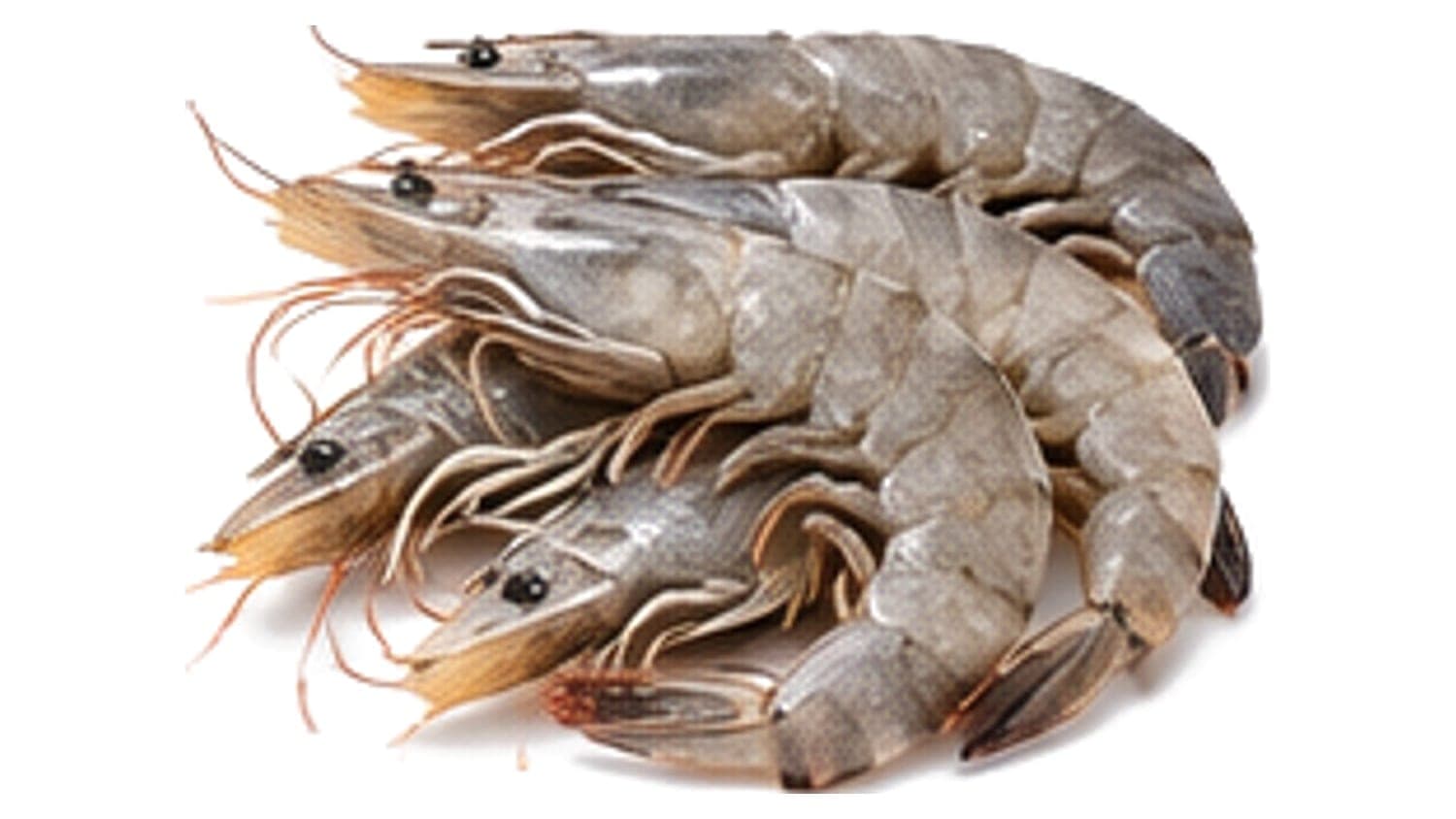
Buying Guide7 min read
How to specify and check frozen shrimp: species and cuts, count notation per pound or per kilogram, glaze and net weight, IQF and block formats, defects, treatment declarations and an arrival routine.
Read the guide
Import & Compliance8 min read
A logistics guide for seafood buyers: reefer and dry-container shipping, temperature records, air freight for chilled and live product, where Incoterms 2020 place cost and risk, and the evidence a claim needs.
Read the guideRequest a quote
Share your target grade, packing, volume and destination. We confirm availability, documentation for your market and a formal quotation, usually within one business day.