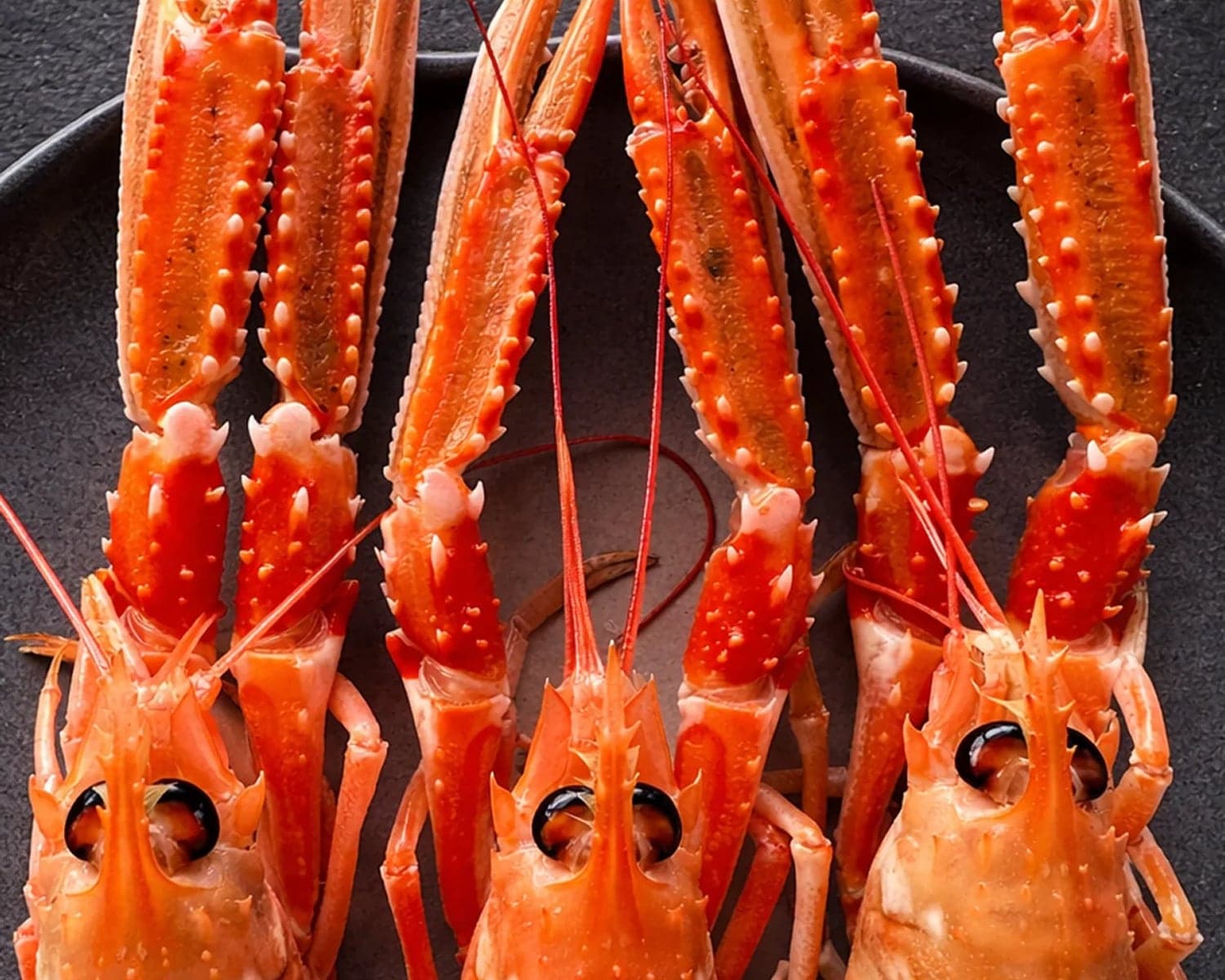
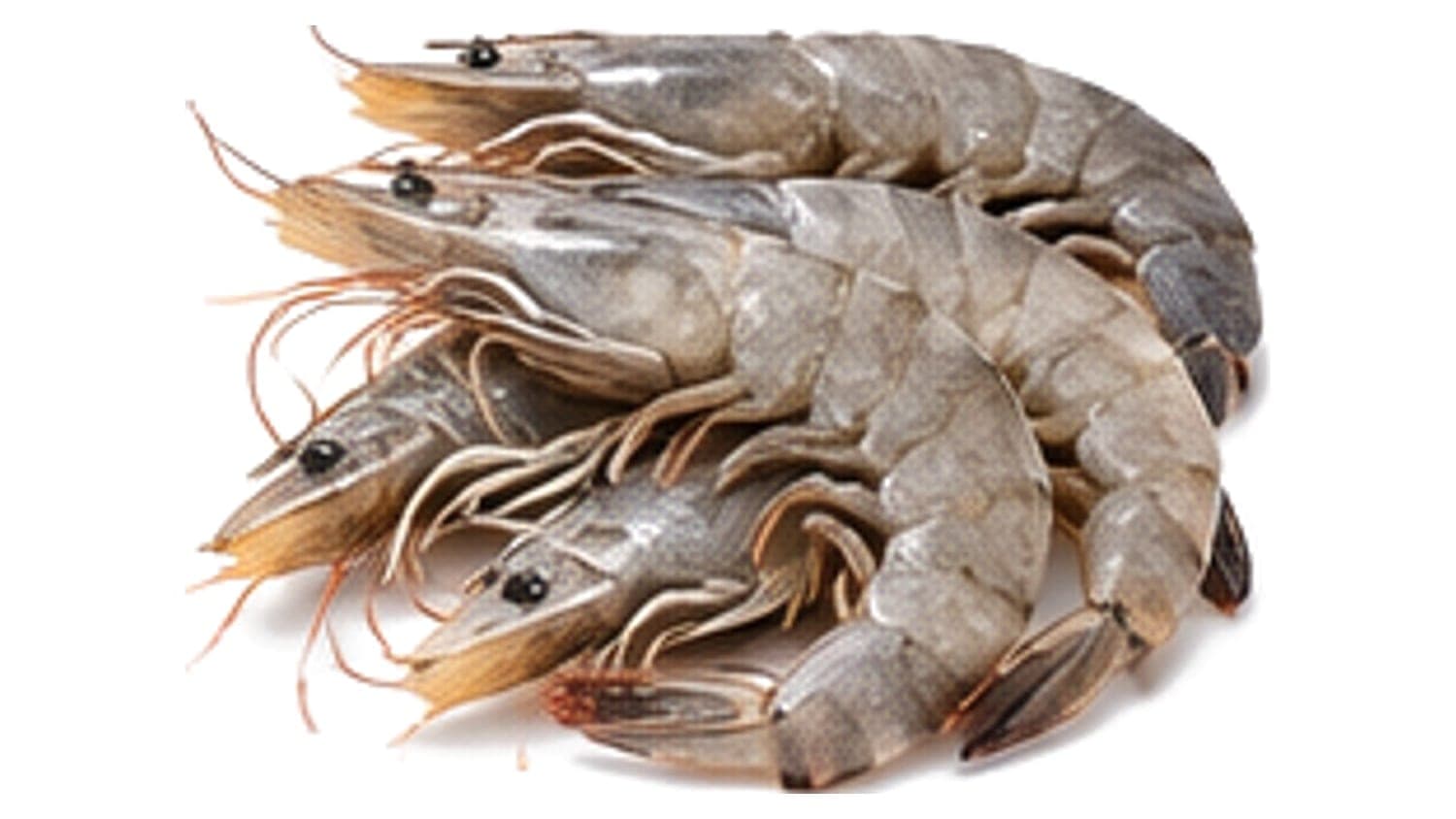
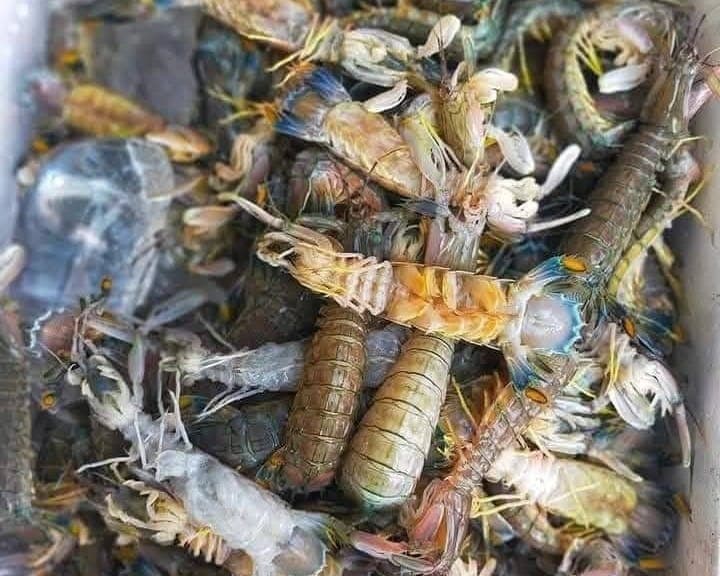
Crawfish, crayfish, crawdad and mudbug all name the same kind of animal: a small freshwater crustacean closely related to lobsters. More than 600 species have been described, yet international trade runs almost entirely on one of them, the red swamp crawfish (Procambarus clarkii), which is farmed in rice fields and ponds and harvested from wetlands in its native southern United States and in the many countries where it has been introduced. The whole cooked and tail meat formats we supply are described on our frozen crawfish page.
This profile looks at the animal itself: how to identify the red swamp crawfish and the species most often confused with it, where the world’s supply comes from, how the season runs, what the size and yield terms used by the trade mean, and how Cajun, Chinese and Nordic cooks use it. It ends with the rules on live crayfish that decide what can be shipped where.
Key takeaways
- Crawfish, crayfish, crawdad and mudbug are regional names for the same freshwater crustaceans; in Australia, New Zealand and South Africa “crayfish” can also mean spiny lobster.
- International trade runs on the red swamp crawfish, Procambarus clarkii, with China the leading producer and Louisiana selling most of its crop live at home.
- Louisiana’s peak runs from March through June; early-season crawfish are smaller but give a higher share of tail meat.
- Live American crayfish are restricted in the EU and elsewhere because they spread crayfish plague and displace native species, while cooked frozen product follows normal food rules.
What crawfish are, and what they are called
Freshwater crayfish are decapod crustaceans, built like small lobsters adapted to rivers, swamps and ponds. Biologists split them into a northern-hemisphere group, the superfamily Astacoidea, which includes the North American family Cambaridae and the family Astacidae of Europe and western North America, and a southern-hemisphere family, Parastacidae, which includes the Australian Cherax species. The red swamp crawfish is a cambarid.
Names follow region rather than species. “Crawfish” is the usual word in Louisiana and much of the US South, “crayfish” is standard in British English and scientific writing, and “crawdad” and “mudbug” are informal American names. Chinese markets call the red swamp crawfish 小龙虾 (xiaolongxia, literally “little lobster”). French cooks know crayfish as écrevisses, and Spanish uses cangrejo de río, with the red swamp crawfish itself known in Spain as cangrejo rojo americano or cangrejo de las marismas.
Red swamp crawfish: identification and biology
The red swamp crawfish is native to north-eastern Mexico and the south-central United States, from the Gulf states up the Mississippi basin to southern Illinois. Adults are usually dark red, with claws studded with bright red bumps, and they reach about 5.5 to 12 cm, occasionally passing 50 g. Males carry larger claws than females.
It is a short-lived, fast-growing animal, seldom living beyond two years, and an unusually tough one. It tolerates low oxygen and brackish water and can survive dry spells of up to four months in burrows. Mature crawfish mate in open water; the female later retreats to a burrow, lays her eggs and carries them, and then the hatchlings, attached beneath her tail. A large female can carry more than 500 eggs, which take about three weeks to hatch depending on temperature.
In the southern United States the species can spawn in almost any month, with a peak in autumn. Farmers flood their ponds in autumn to match that peak, and the young grow through the winter to reach harvest size in spring. Louisiana ponds also hold a second, closely related species, and the two can be told apart by eye:
| Feature | Red swamp crawfish (*Procambarus clarkii*) | White river crawfish (*P. zonangulus*) |
|---|---|---|
| Back of the carapace | The two halves meet in a thin line | A narrow space, the areola, separates the halves |
| Underside of the tail | Almost always a blue-gray stripe | No pigmented stripe |
| Body color | Red pigment in adults | Never red, though adults can look pinkish |
| Claws | Flatter and less elongated | Longer and more cylindrical |
| Spawning | Any time of year, mostly autumn and winter | Seasonal, mainly in autumn |
| Native range | North-eastern Mexico and the south-central United States | Alabama, Louisiana, Mississippi and Texas |
White river crawfish make up roughly 20 to 30 percent of the Louisiana catch, often from the same ponds, but outside traditional south Louisiana markets the two are rarely separated. Most frozen crawfish in international trade is red swamp crawfish.
Other crayfish species buyers may meet
A handful of other crayfish matter in particular markets, and several are restricted because of the damage introduced crayfish have done to native species.
| Species | Native range | Trade notes |
|---|---|---|
| Red swamp crawfish, Procambarus clarkii | North-eastern Mexico and the south-central United States | The main species worldwide; farmed in China and Louisiana, wild-harvested in southern Spain and elsewhere |
| White river crawfish, Procambarus zonangulus | Gulf states of the United States | Mixed into Louisiana pond harvests; seldom traded under its own name |
| Signal crayfish, Pacifastacus leniusculus | North-western North America | Stocked in Sweden and Finland from the 1960s to replace lost noble crayfish; on the EU list of invasive alien species since 2016 |
| Noble crayfish, Astacus astacus | Europe | The traditional Nordic crayfish; Swedish stocks fell steeply after crayfish plague reached the country in 1907 |
| Narrow-clawed crayfish, Pontastacus leptodactylus (often still listed as Astacus leptodactylus) | Eastern Europe and western Asia | Known in trade as Turkish crayfish |
| Redclaw and yabby, Cherax species | Australia and New Guinea | Farmed on a smaller scale; members of the southern-hemisphere family |
The common thread is crayfish plague, a disease caused by the water mold Aphanomyces astaci. Most North American crayfish, the red swamp and signal crayfish among them, carry it with little harm, while it is fatal to European species. Its spread through Europe’s native crayfish is one of the main reasons live American crayfish are so tightly controlled there.
Where crawfish comes from
Louisiana is the historic home of crawfish farming. Most of its crop comes from rice fields rotated with crawfish and from permanent ponds, while the wild fishery in wetlands such as the Atchafalaya Basin supplies a smaller share that rises and falls with spring river levels. Farmers market their crawfish live, mostly within a day’s drive of south Louisiana, and only a small share of the crop is peeled for tail meat, since lower-cost imported meat from China took over much of that market.
China is now the world’s leading producer. The red swamp crawfish reached the country by way of Japan in the twentieth century, spread through the lakes and paddies of the Yangtze basin and is now farmed on a very large scale, much of it in rice-crawfish co-culture, where the crawfish live in flooded paddies, feeding on weeds and plankton while their waste fertilizes the rice. Hubei, where the Qianjiang model of this system was developed, and Xuyi county in Jiangsu, which brands itself China’s crayfish capital, are among the best-known producing areas.
In Europe, red swamp crawfish were brought from Louisiana to southern Spain in the 1970s and have since spread to several other countries, where wild populations are harvested. The species has also been introduced to Africa, other parts of Asia and elsewhere in the Americas. Nordic demand, by contrast, grew up around the native noble crayfish and its short summer season.
Crawfish seasons, sizes and yield
In Louisiana the harvest can open as early as November and runs into early summer, with the peak from March through June. Early-season animals are smaller and mostly immature; by late spring most are mature, with heavier shells and bigger claws. Chinese farms harvest mainly in spring and summer, which is when new-season frozen product reaches the market.
Live crawfish in Louisiana are sized by count per pound. Paying more for bigger animals is a relatively recent habit, driven by a small, short-lived export market for the largest crawfish, mechanical graders and a greater reliance on live sales after imported tail meat undercut Louisiana’s peelers in the 1990s. Consumers generally prefer 23 count per pound or larger, about 3.5 inches long, and 10 to 15 count animals earn a premium. With no industry-wide grading standard, wholesalers set their own size classes, while frozen whole crawfish is more often graded in grams per piece.
Tail meat yield explains why small crawfish go to the peeling tables. Cooked crawfish give on average about 15 percent of live weight as tail meat, rising to 22 or 23 percent early in the season, when the animals are immature with small claws and thin shells, and falling to 10 to 12 percent late in the season. For glaze and net weight on frozen lots, the checks in our frozen shrimp count and glazing guide apply unchanged.
How crawfish is cooked around the world
- Louisiana and the Gulf Coast: live crawfish are rinsed, and sometimes purged in clean water to empty the gut, then boiled with red pepper seasoning, usually with onions, potatoes and corn in the same pot, and peeled by hand at the table. Tail meat, with the yellow-orange hepatopancreas or “fat” that carries much of the flavor, goes into étouffée, bisque, gumbo and pies.
- China: 小龙虾 is a mass-market summer dish, cooked in the shell and served by the bowlful, most famously in numbing-hot mala style, and also stir-fried with garlic, steamed or soaked in Huadiao rice wine.
- Sweden and Finland: the August kräftskiva, or crayfish party, serves crayfish boiled with crown dill and eaten cold, a custom rooted in the legal season that for much of the twentieth century confined the Swedish harvest to late summer.
- Classic European cooking: French cuisine flavors Nantua sauce with crayfish tails and crayfish butter and serves it with quenelles, and in Spain the red swamp crawfish is often cooked in a tomato sauce. Peeled tails also stand in for shrimp in salads, pasta and sandwiches.
Most frozen crawfish in trade, whole or peeled, has been cooked before freezing, so kitchens reheat it rather than cook it from raw, adding tail meat late to sauces or warming whole crawfish through in seasoned liquid. Reheat to the temperatures your market’s food-safety rules require. Buyers who also stock other freshwater crustaceans can compare the larger giant freshwater prawn, profiled in our giant freshwater prawn species guide.
Live crawfish rules and labeling
Escaped red swamp crawfish spread disease, burrow into levees and rice field banks and displace native crayfish, so many countries control the live animal closely. In the EU the species has been on the list of invasive alien species of Union concern since 2016, which rules out bringing in, keeping, breeding, transporting, selling or releasing live animals. Cooked and frozen crawfish that cannot survive is traded under ordinary food import rules. Other countries set their own conditions, so confirm the status of both live and processed crawfish with your authority before ordering.
Crawfish is a crustacean for allergen labeling, and tail meat from different origins can meet different tariffs and border-testing regimes. Our export specialists can go through the current requirements for your market with your customs broker.
This guide is general trade information, not legal or regulatory advice. Requirements differ by market and change over time; confirm current rules with your customs broker or competent authority before ordering.