Frozen & Live Seafood
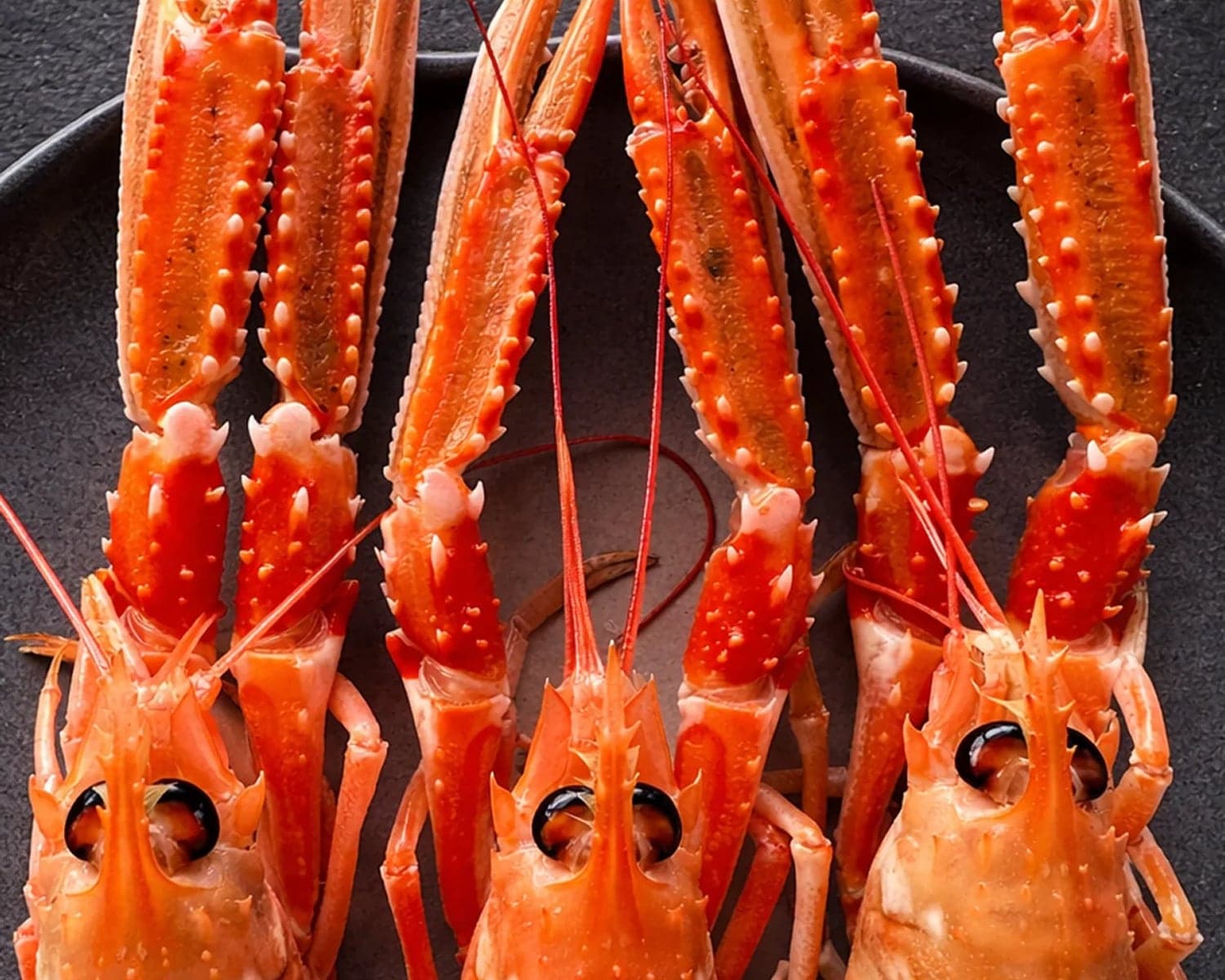
Langoustine
Nephrops whole or as tails, frozen or live, graded by count per kg
Frozen
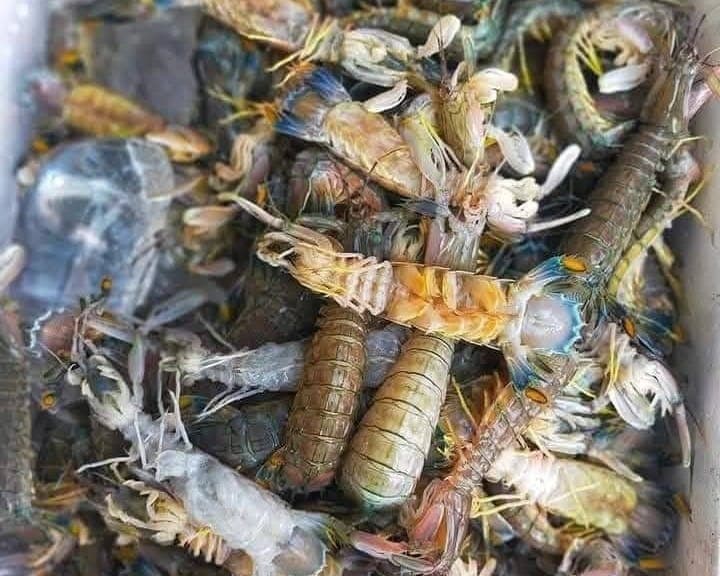
BSA Food Products supplies wild-caught mantis shrimp frozen whole, split into half-cut pieces or as peeled meat, graded by pieces per kilogram, with species, fishing area and catch method declared on every lot.
Indicative; confirmed per lot on each quotation.
Mantis shrimp are not true shrimp but stomatopods, flattened crustaceans with a broad, segmented tail and a pair of folding raptorial claws. The tail holds sweet, delicate meat with a texture somewhere between shrimp and langoustine, and the animal has a strong following in East and Southeast Asian kitchens: fried with salt and pepper or steamed whole in Chinese and Hong Kong restaurants, boiled and peeled as shako for Japanese sushi, and grilled or stir-fried across Southeast Asia. Supply is entirely wild, so each lot is specified by species, fishing area and size rather than by farm.
Two species are at the core of our offers. Oratosquilla oratoria, the Japanese mantis shrimp, lives on muddy bottoms in the temperate North-West Pacific and is landed in volume in the Bohai, Yellow and East China Seas, with smaller fisheries around Korea and Japan; it is a mid-sized animal sold mainly whole and as peeled meat. Harpiosquilla raphidea, sometimes sold as giant mantis shrimp, is a much larger tropical species from the coastal waters of Southeast Asia, including Indonesia, Malaysia and Thailand, and it supplies the big whole grades and the half-cut pieces used for grilling. Both are caught by bottom trawl, gillnet and other coastal gear, often alongside other demersal species, and other commercial mantis shrimps are offered only under their own scientific names.
Whole mantis shrimp are graded by pieces per kilogram, for example 8–12, 12–16, 16–20 and 20–25, with the largest grades coming from tropical species and smaller animals falling into higher counts. Half-cut product is split lengthwise through the tail, cleaned and frozen flat so that the meat is exposed for grilling or steaming with garlic, while peeled meat is taken out after a short cook or by hand from raw tails, depending on the packer, and IQF-frozen. Mantis shrimp deteriorate quickly after capture: their own enzymes soften the meat and draw it back from the shell, so the time from landing to freezing matters more than almost any other specification point. Whole and half-cut pieces are usually laid on trays or interleaved before freezing, because the spined tail and sharp claws puncture ordinary poly bags.
Buyers judge mantis shrimp on fill and freshness. A well-filled tail with firm, translucent meat is the target, whereas animals caught soon after molting are light and watery, and meat that has shrunk away from the shell points to delayed freezing. Roe-bearing females command a premium in Chinese and Japanese markets in season, and some buyers order them as a separate grade. Other checks cover dark discoloration at the joints, broken claws or tails, odor after thawing and glaze. Mantis shrimp sits naturally beside langoustine on a seafood menu, and the deglazing and counting method in our frozen shrimp specifications guide works just as well for it.
Specification sheet
Indicative values. Final specifications are confirmed per lot on the quotation and certificate of analysis.
| Species | Oratosquilla oratoria; Harpiosquilla raphidea; other mantis shrimps under their own names |
|---|---|
| Production | Wild-caught by trawl, gillnet or other coastal gear, stated per lot |
| Origin | Indonesia, Malaysia, Thailand; Bohai, Yellow and East China Seas; FAO area named |
| Formats | Whole raw or cooked, half-cut, peeled meat |
| Grade | Pieces per kg, e.g. 8–12 to 20–25; roe-bearing females as a separate grade |
| Freezing | IQF or block, with glaze percentage declared |
| Additives | Any sulfite or other anti-blackening agent named on the offer, or declared nil |
| Shelf life | Typically 12–18 months at -18 °C or colder, as declared by the packer |
| Documents | Health certificate, certificate of origin and a catch certificate where the destination requires one, confirmed per order and destination |
| Minimum order | Typically from one pallet per species and grade, consolidated with other frozen lines in a mixed reefer; full containers for regular programs. |
| Lead time | Usually 3–6 weeks, depending on landings and fishing seasons; roe-bearing grades are available only for part of the year. |
FAQ
No. Mantis shrimp belong to the order Stomatopoda, a group of crustaceans separate from the decapod shrimps and prawns, although the name and the eating qualities are similar. It is sold as mantis shrimp in English-speaking markets and as shako in Japan, and in China it goes under several local names. In the EU and the US it is labeled as a crustacean allergen, like shrimp and crab; each destination’s own allergen list decides elsewhere.
Whole mantis shrimp is the choice for salt-and-pepper frying, steaming and hot pot, where diners peel at the table. Half-cut pieces, split through the tail, cook quickly and present well on grills and buffets. Peeled meat removes the labor, and the risk of cuts from the spines, for sushi, fried rice, dumplings and omelets. Tell us the dish and the portion, and we will recommend a species and grade.
Mantis shrimp carry active digestive enzymes that begin breaking down the tail meat soon after death, which leaves the flesh soft, watery and shrunken inside the shell if freezing is delayed. The best lots are iced at landing and frozen within hours. When you thaw a sample, the meat should be firm, fill the shell and smell clean and sweet; a mushy texture or a strong ammonia note points to slow handling before freezing.
In season, yes, as a separate grade. Females carrying ripe roe are sought after in Chinese and Japanese markets, and the roe should be visible through the shell when the lot is graded. Availability is limited to part of the year and varies by fishing area, and some origins close or restrict fishing during the spawning season, so book early and expect smaller volumes than for standard grades.
Related
Frozen & Live Seafood
Nephrops whole or as tails, frozen or live, graded by count per kg
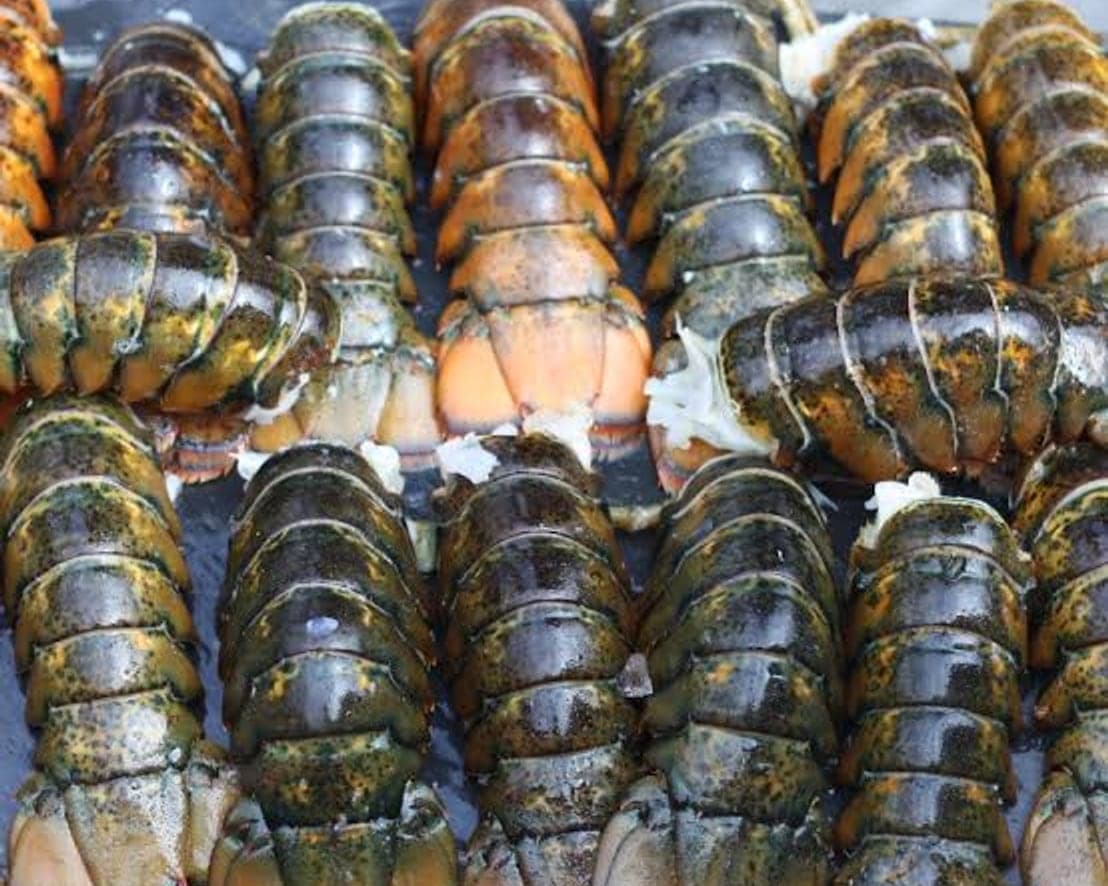
Species Profiles7 min read
Mantis shrimp are stomatopods, not shrimp. How to tell the commercial species apart, what Asian and European markets call them, when they are caught and how kitchens cook them.
Read the guide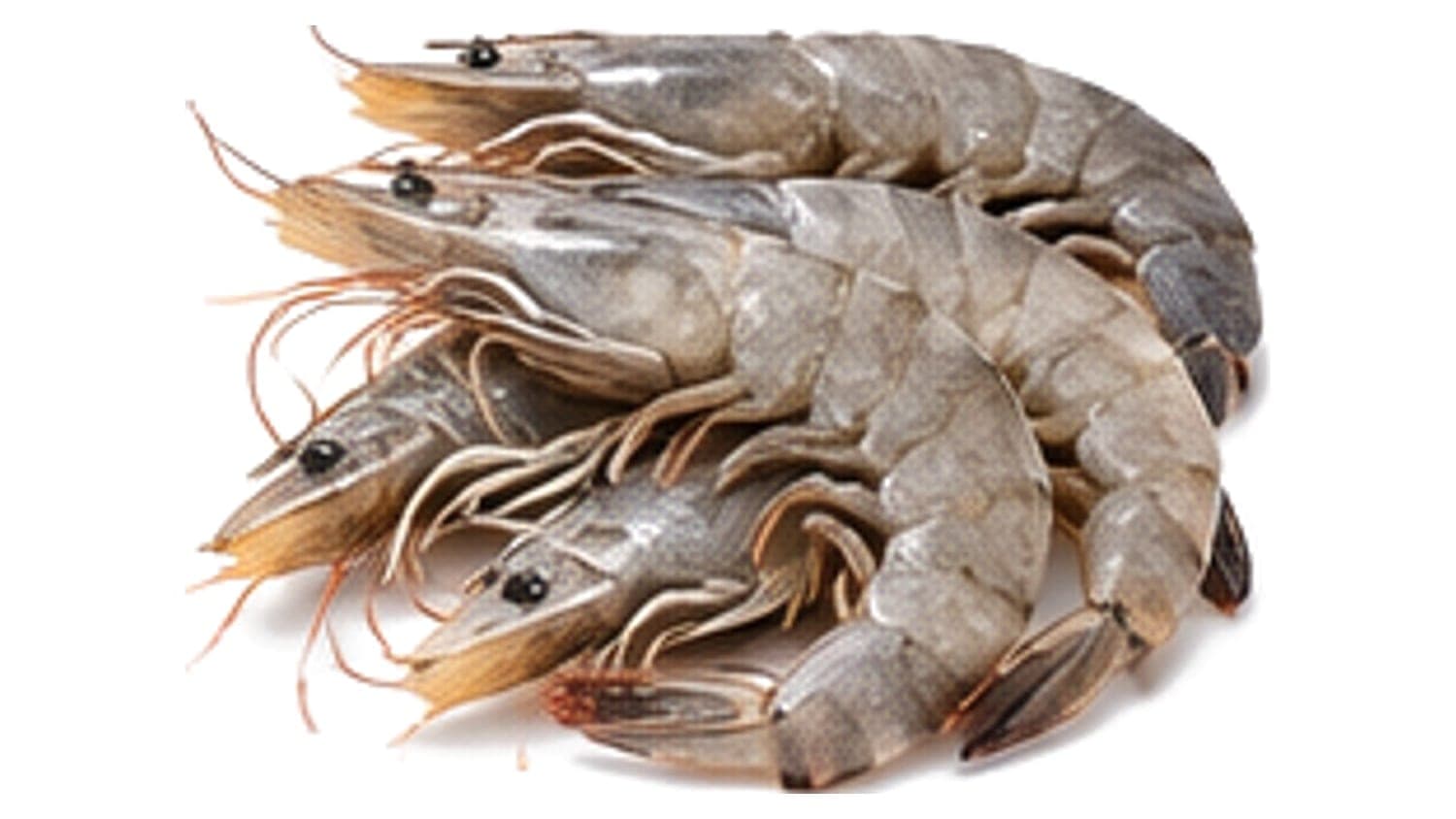
Buying Guide7 min read
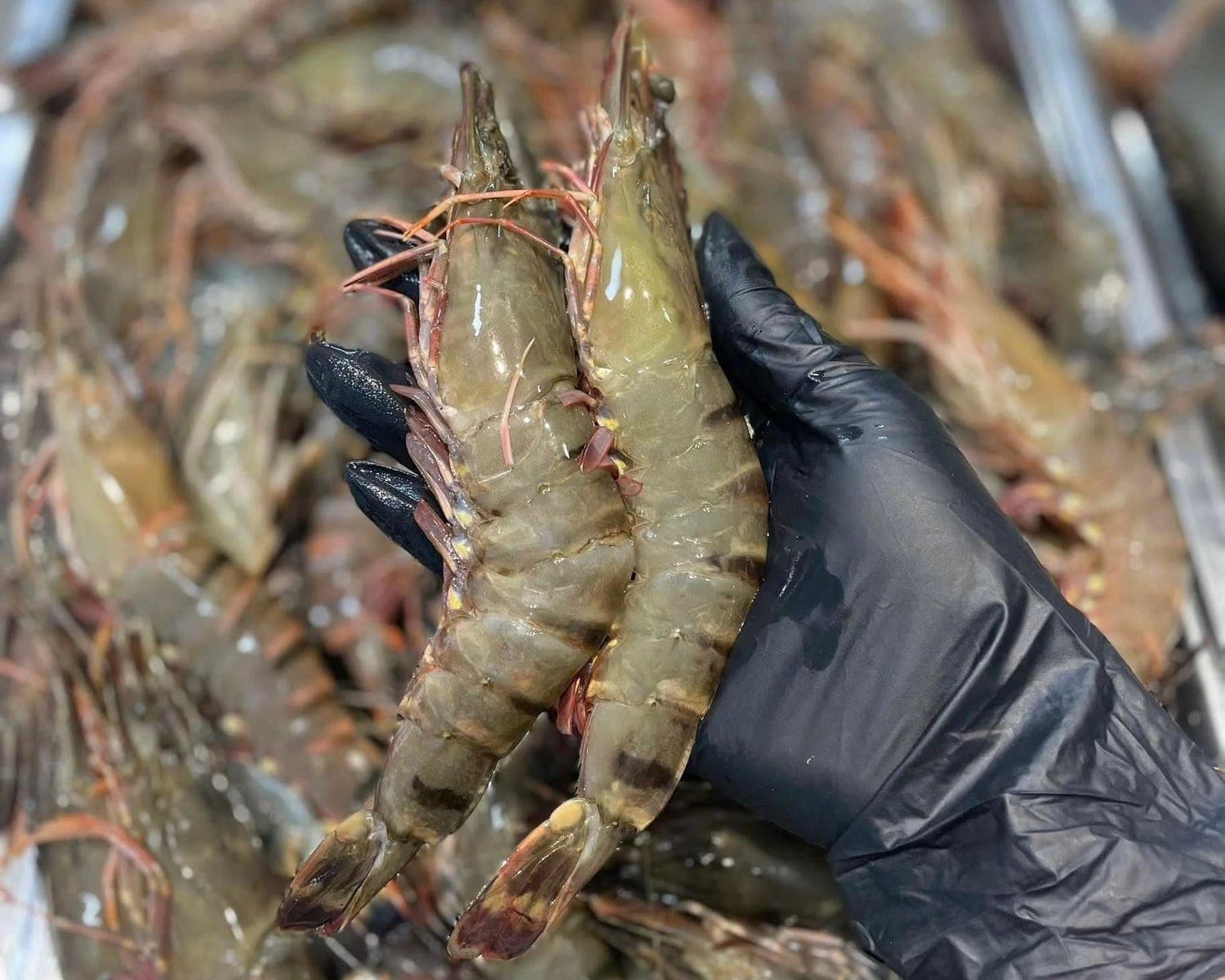
How to specify and check frozen shrimp: species and cuts, count notation per pound or per kilogram, glaze and net weight, IQF and block formats, defects, treatment declarations and an arrival routine.
Read the guide
Import & Compliance8 min read
A logistics guide for seafood buyers: reefer and dry-container shipping, temperature records, air freight for chilled and live product, where Incoterms 2020 place cost and risk, and the evidence a claim needs.
Read the guideRequest a quote
Share your target grade, packing, volume and destination. We confirm availability, documentation for your market and a formal quotation, usually within one business day.