- Private-label packing
- Export documentation
Frozen & Live Seafood
Frozen Mussel Supplier: Whole Cooked, Half-Shell and IQF Meat
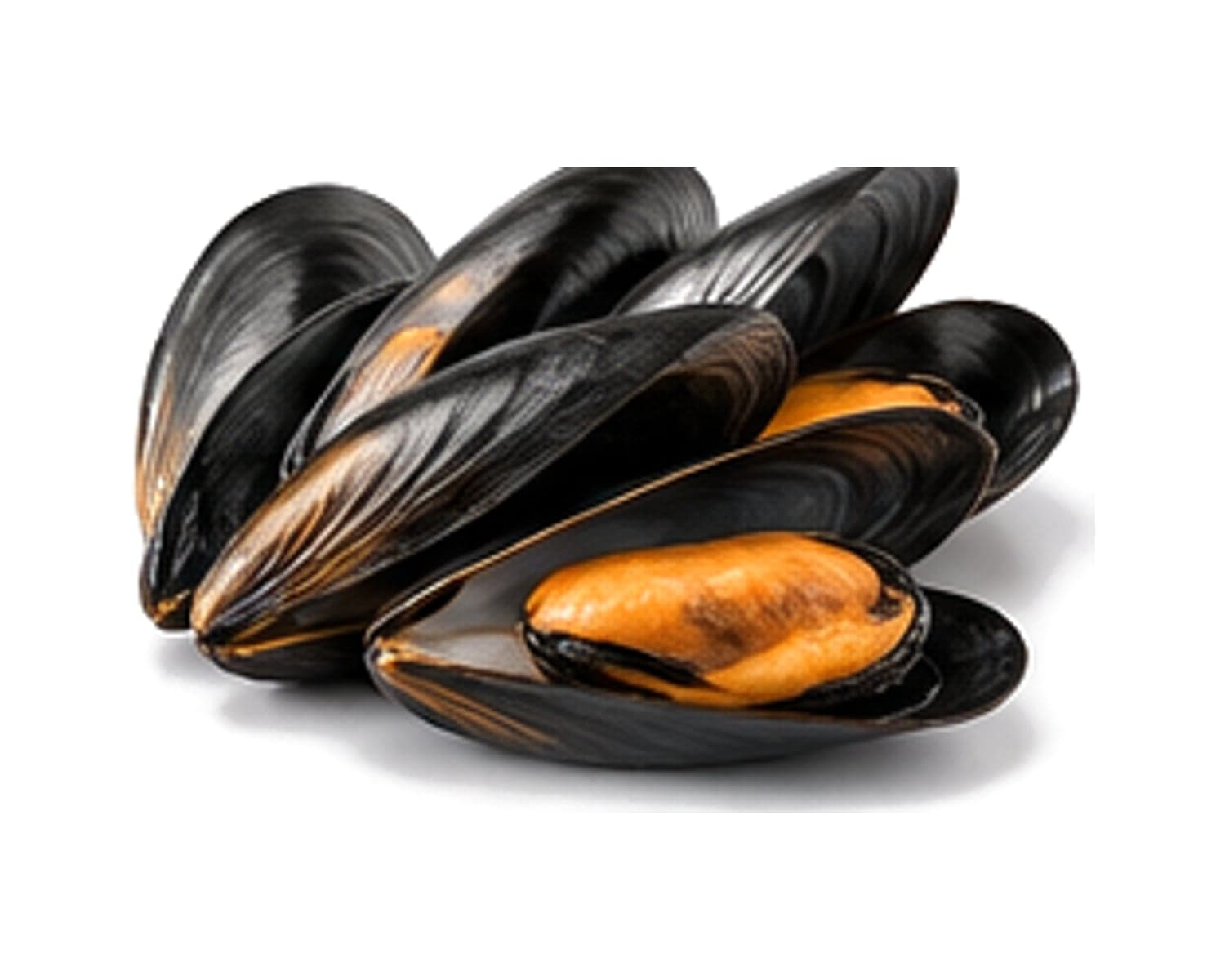
Blue, Chilean and New Zealand green-lipped mussels, cooked and frozen whole in the shell, on the half-shell or as IQF meat, debearded and graded by count, with biotoxin and microbiological results tied to each lot.
- Blue, Mediterranean, Chilean and green-lipped species
- Whole cooked, half-shell and IQF cooked meat
- Debearded, with residual byssus checked per lot
- Meat sold in count bands such as 200–300 per kg
- Biotoxin testing applies to cooked product too
Product Specifications
Indicative; confirmed per lot on each quotation.
- Origin
- Chile, New Zealand, Northern Europe, southern Europe, Atlantic Canada, and Thailand and elsewhere in Southeast Asia, depending on species; growing area declared per lot and checked against destination eligibility.
- Grade / Size
- In-shell and half-shell mussels by pieces per kilogram; cooked meat by count per kilogram (e.g. 100–200, 200–300, 300–500 per kg).
- Form & Processing
- Cleaned, debearded and cooked, then frozen whole in the shell (IQF or vacuum-packed), on the half-shell, or as IQF or block-frozen meat.
- Storage
- Store at -18 °C or colder. Thaw vacuum packs in the refrigerator or heat them from frozen where the pack instructions allow, and do not refreeze thawed product.
- MOQ
- From 500 kg per item, combinable with other frozen shellfish lines in a mixed reefer.
- Lead Time
- Generally 3–5 weeks once the specification is agreed, subject to biotoxin closures at the growing area.
Product overview
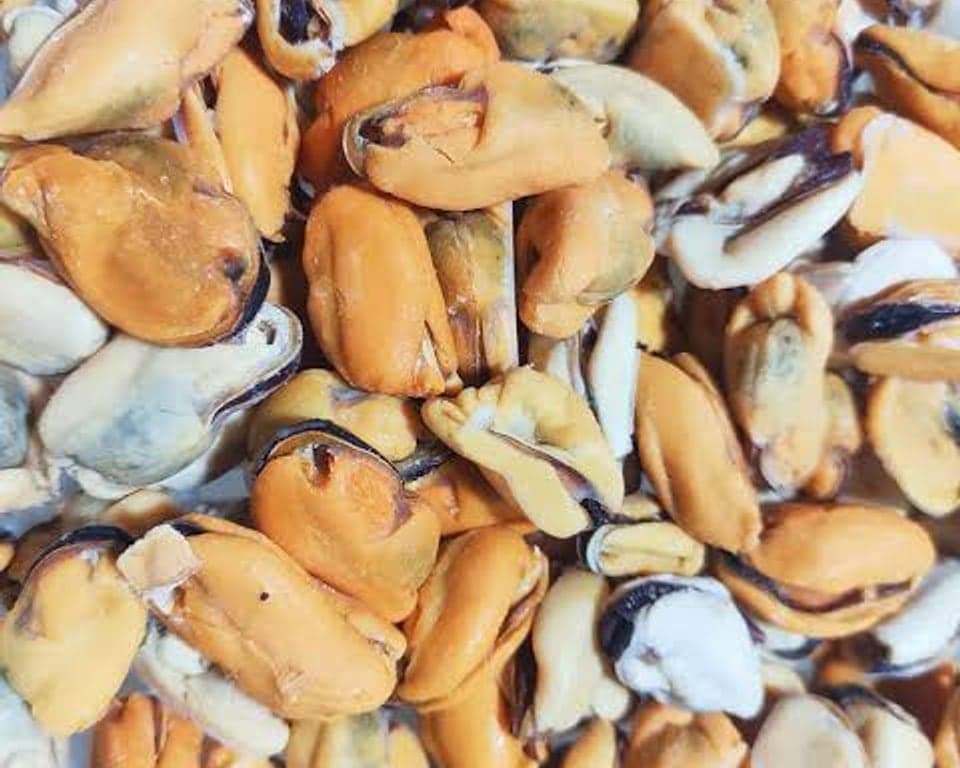
Most commercial mussels are farmed on ropes, rafts or seeded beds rather than fished, which makes supply steadier and sizing more predictable than for many wild shellfish. Most frozen mussels are cooked before freezing: the shells open, the meat sets, and the product can go from freezer to pan in minutes for moules, paella, pasta, soups and buffet platters. What separates one lot from another is meat fill, beard left on the shell, broken shells, sand and how evenly the count runs, and those are the points we check and report for every lot.
Blue mussel (Mytilus edulis) comes from Northern Europe and Atlantic Canada, and the closely related Mediterranean mussel (Mytilus galloprovincialis) from southern Europe. Chile is one of the largest exporters of frozen mussels, from Mytilus chilensis farmed around Chiloé in the south of the country, supplying both whole cooked mussels and meat. New Zealand green-lipped mussel (Perna canaliculus), with its bright green shell edge and large meat, is the usual choice for frozen half-shell. The Asian green mussel (Perna viridis), a different species farmed in Thailand and elsewhere in Southeast Asia, is the regional option, supplied whole cooked, on the half-shell or as cooked meat. Each offer names the species and growing area, since flavor, color and meat size differ between them.
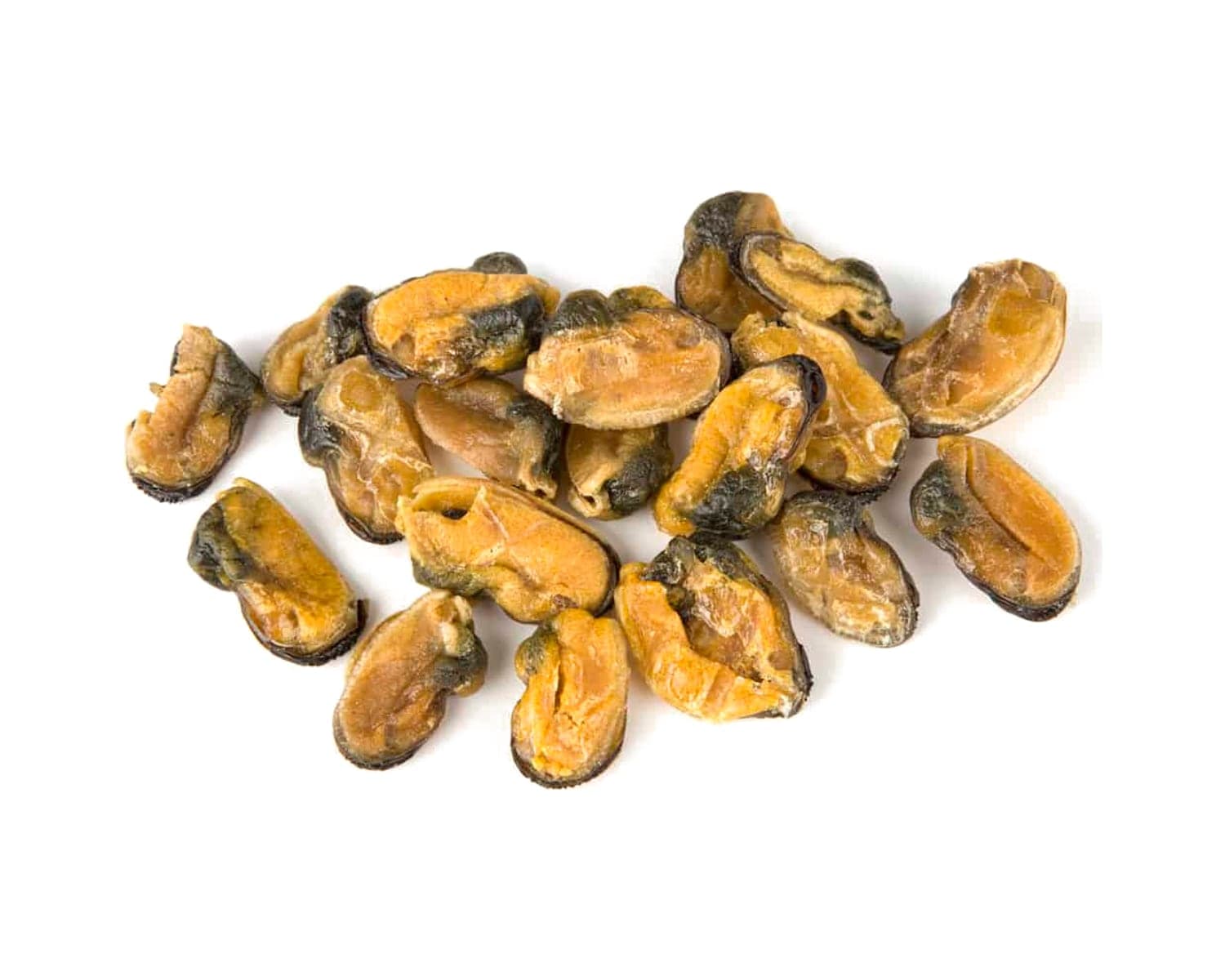
Formats are whole cooked mussels frozen IQF or vacuum-packed in the shell, half-shell mussels frozen on interleaved trays for grilling and baking, and cooked meat frozen IQF for soups, ready meals and processing. In-shell product is graded by pieces per kilogram, and Chilean meat is commonly sold in count bands per kilogram such as 100–200, 200–300 and 300–500. Checks cover count accuracy, meat fill and color, residual byssus, broken shells, sand and glaze. For the dried mussel meat simmered in congee and Chinese soups, see dried mussels.
Mussels filter large volumes of water and take up biotoxins faster than many other bivalves, which is why monitoring programs often use them as an early-warning species. Normal cooking does not destroy these toxins, so cooked mussels still need harvest-area monitoring results and lot testing for the PSP, ASP and DSP groups against your market’s limits, as well as microbiology. How results are linked to the lot code on each carton is explained under export quality assurance, and the full shellfish range is set out on the frozen and chilled shellfish page.
Specification sheet
Frozen Mussels: full specification
Indicative values. Final specifications are confirmed per lot on the quotation and certificate of analysis.
| Species | Mytilus edulis, M. galloprovincialis, M. chilensis, Perna canaliculus, P. viridis |
|---|---|
| Origin | Chile, New Zealand, Europe, Canada, Southeast Asia; growing area declared |
| Formats | Whole cooked in shell, half-shell, IQF cooked meat |
| Size | Pieces per kg in shell; meat count per kg, e.g. 200–300 |
| Byssus and shell | Residual beard and broken shells checked per lot |
| Glazing | Declared per lot, net weight without glaze |
| Testing | Biotoxin groups and microbiology, applied to cooked lots as well |
| Allergens | Molluscs |
| Shelf life | Typically 12–24 months at -18 °C or colder |
| Documents | Sanitary certificate, growing-area status and mussel lot test reports |
| Minimum order | From 500 kg per item, combinable with other frozen shellfish lines in a mixed reefer. |
| Lead time | Generally 3–5 weeks once the specification is agreed, subject to biotoxin closures at the growing area. |
FAQ
Frozen Mussels: questions from buyers
Why do cooked mussels still need biotoxin testing?
Marine biotoxins such as the paralytic and diarrhetic shellfish toxin groups are not destroyed by normal cooking, so steaming or blanching mussels before freezing does not make an affected lot acceptable. Control relies on harvesting only from waters that monitoring shows to be open and on testing the finished lot against the destination’s limits. A closure at the growing area can therefore pause supply even of cooked product, and we tell buyers promptly when a closure affects a scheduled shipment.
Which mussel species suits which menu?
Blue and Mediterranean mussels are the classic choice for moules marinières and pots of steamed mussels, with a sweet, briny meat. Chilean mussels give dependable volume for paella, pasta and cooked meat programs. Green-lipped mussels have a larger, plumper meat and a striking shell, which makes them the natural pick for half-shell dishes that are grilled, baked or served on platters. Meat color ranges from cream to apricot, largely because female meats are deeper in color, and it is described on each offer.
Are your frozen mussels debearded?
Yes. The byssus, or beard, is removed mechanically during processing, but a small share of shells can keep a few threads, especially in whole in-shell product. We record residual byssus on sampled shells from each lot together with broken, empty and gaping shells, and buyers with a strict tolerance can set a maximum in the specification. Half-shell and meat formats normally have the byssus fully removed, because each piece is handled individually on the line.
How should frozen whole mussels be cooked?
Whole cooked mussels need only reheating. Add them, frozen or thawed, to a hot pan with wine, stock or sauce, cover, and heat for a few minutes until piping hot all the way through. Cooking them as long as live mussels toughens the meat. Vacuum packs that contain their own juices can be heated in the pack where the packer’s instructions allow. Half-shell mussels go under a grill or into the oven with a topping such as garlic butter until the meat is hot.
Related
Related products
Frozen & Live Seafood
Frozen and Chilled Shellfish
Scallops, clams, mussels, oysters and whelk, IQF and half-shell
Frozen
Buyer guides
Species Profiles6 min read
Mussel Species Compared: Blue, Mediterranean, Chilean and Green-Lipped
Blue, Mediterranean, Chilean and green mussels look alike on a plate but differ in origin, size, meat color and farming method. This profile sorts them out and shows how each cuisine cooks them.
Read the guide
Buying Guide7 min read
Choosing Premium Seafood Ingredients for Restaurants and Retail
How chefs, foodservice buyers and brand owners match grade and format to the application, compare suppliers on cost per portion, and keep quality consistent across orders and channels.
Read the guide
Import & Compliance7 min read
What Importers Need to Know Before Ordering Dried Seafood
The market-access, species, documentation, classification and commercial checks an importer should complete before placing a first order for dried seafood.
Read the guide
Request a quote
Request a quote for frozen mussels
Share your target grade, packing, volume and destination. We confirm availability, documentation for your market and a formal quotation, usually within one business day.
- Grade, size or count required
- Packing format and labeling language
- Estimated volume and order frequency
- Destination port or airport and Incoterm
- Reference: Frozen Mussels